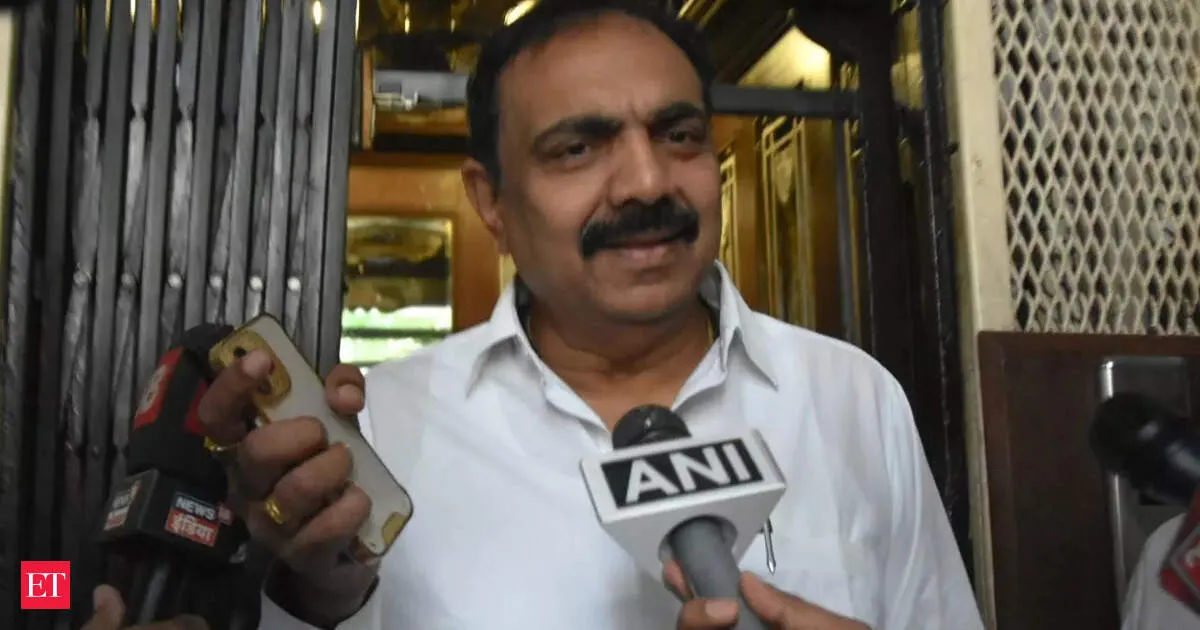
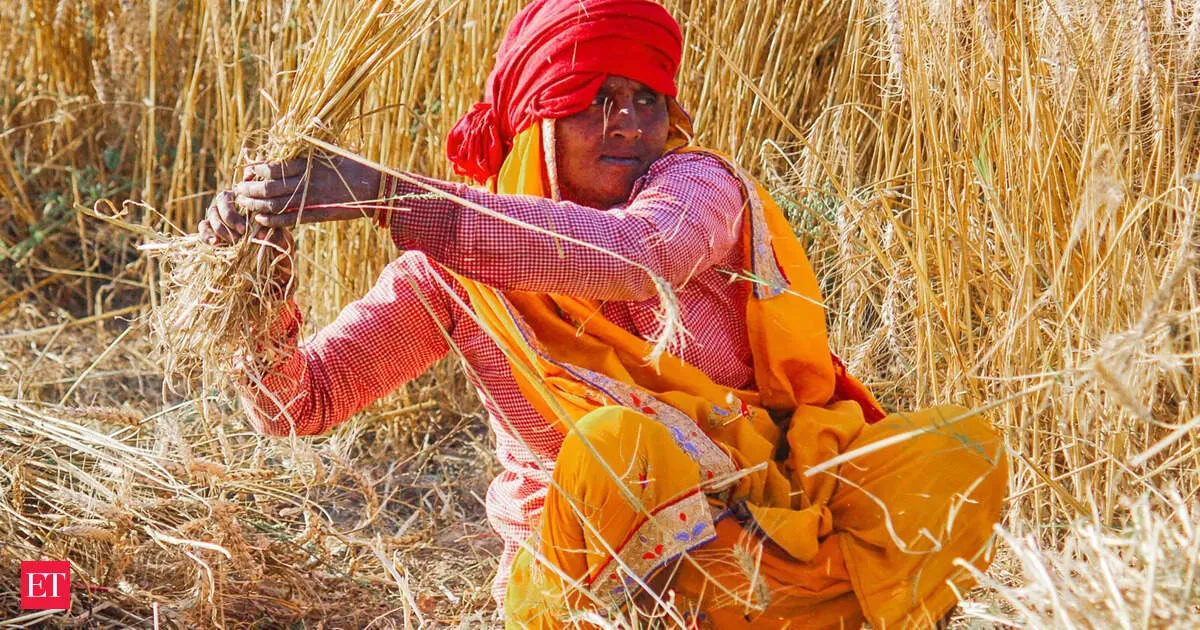
Senior NCP (SP) leader Jayant Patil accused the Maharashtra government of telling farmers it lacks funds while continuing “unnecessary” projects. He said pending farmer demands remain stalled despite the state’s mounting debt. Patil raised alarm for Konkan mango, cashew, and onion growers who are facing unseasonal rain and market prices below the Minimum Support Price, leaving them struggling to secure fair returns. His remarks followed police detentions during a Mumbai protest demanding action on farmers’ issues.
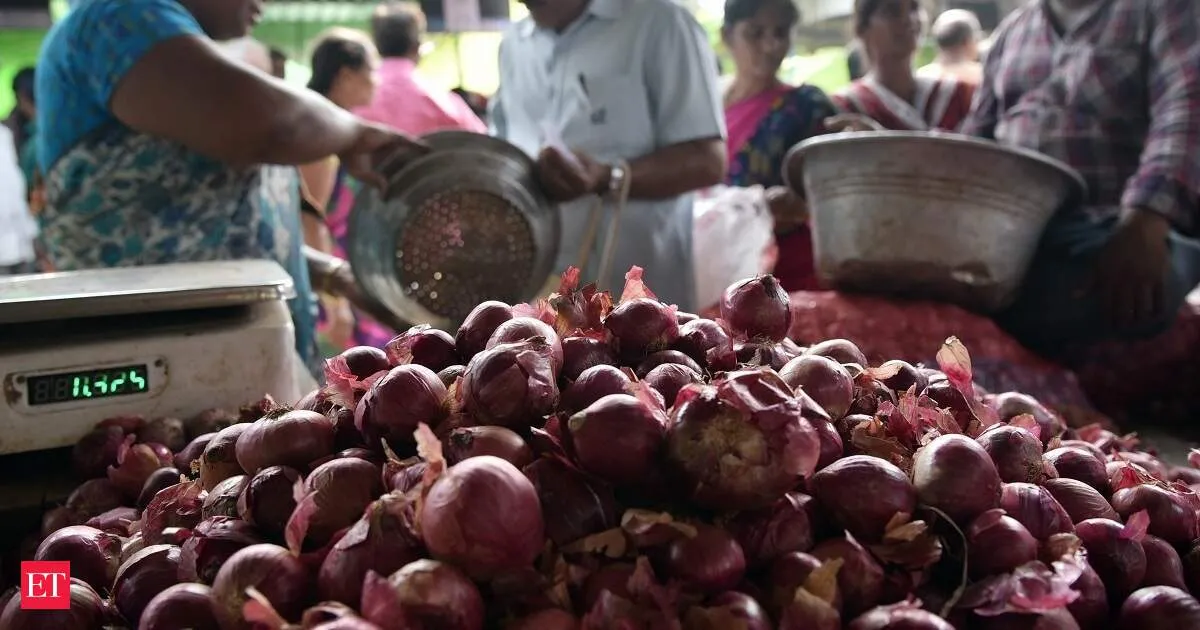
Union Agriculture Minister Shivraj Singh Chouhan announced that the Centre will procure fresh onions from farmers at Rs 12.35 per kg starting Friday, following a sharp fall in onion prices. Speaking in Satara, Maharashtra, he said the government will purchase the entire available stock to support growers. Chouhan linked the decline to disrupted onion exports amid the West Asia crisis, triggered by US-Israeli airstrikes on Iran on February 28, and directed NAFED to carry out procurement.
Your news, in seconds
Get the Beige app — every story in 60 words, updated hourly. Free on iOS & Android.
Forecasters are warning that a powerful Super El Niño could form in 2026, following the decline of current La Niña conditions. Reports cite around a 70% chance of El Niño developing by June, with major climate agencies linking El Niño to higher global temperatures and major weather disruption. If a super event emerges, experts fear India’s monsoon could weaken, with rainfall potentially falling to about 92% of the long-period average, straining agriculture worldwide and fueling food inflation.
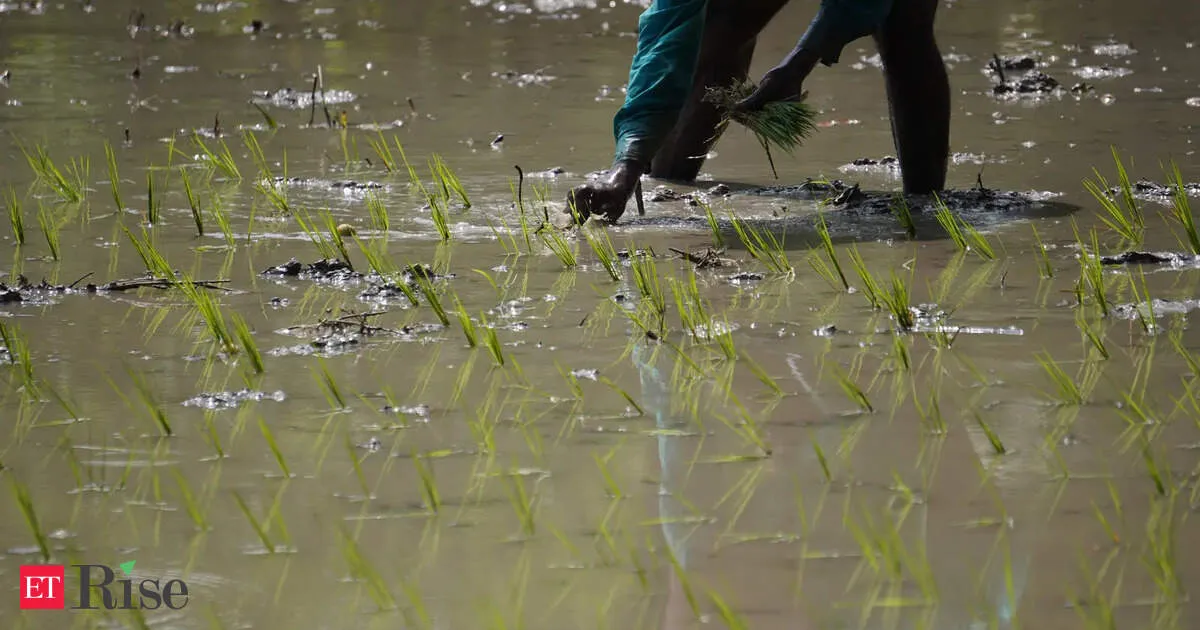
Global rice production is forecast to fall for the first time in a decade as declines in India, Myanmar, and the US collide with record consumption and trade. That mix is expected to reduce global stockpiles just as costs rise, with higher fertilizer and energy bills and possible monsoon disruptions in India adding further risk to supplies.
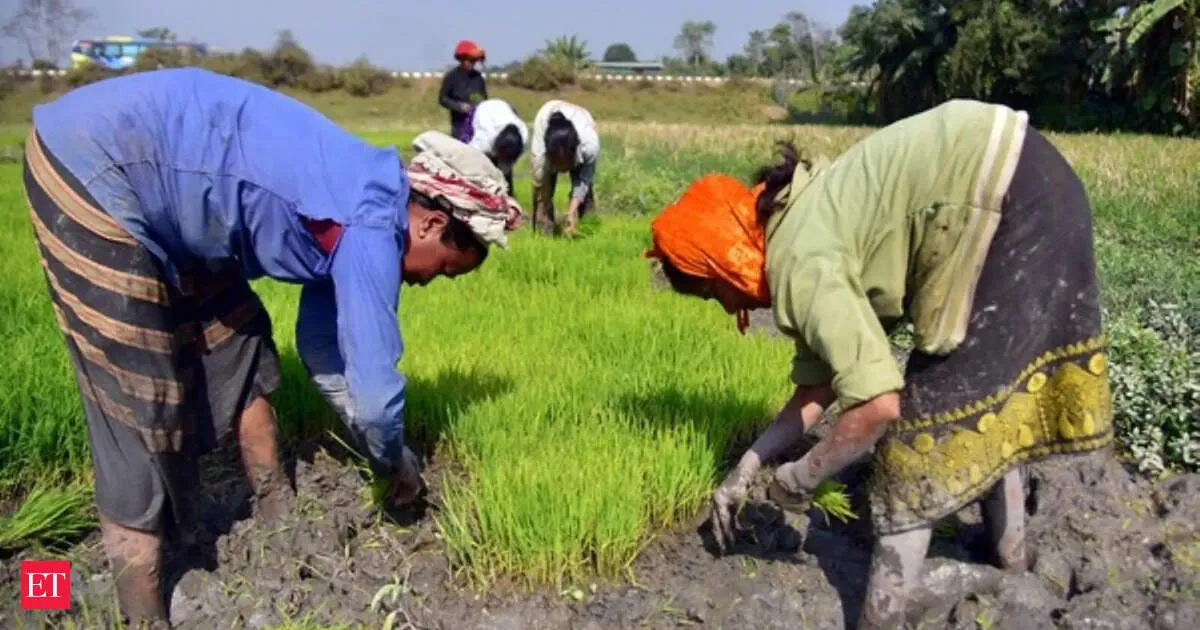
The Centre has raised the MSP for 14 kharif crops, with the sharpest increase for moong at 61 percent. Bajra and maize are up 56 percent, while tur rises 54 percent; other crops are estimated around a 50 percent boost. Paddy MSP increases by Rs 72 per quintal to Rs 2,441 for common variety and Rs 2,461 for Grade A.
The Union Cabinet has approved higher Minimum Support Prices for 14 Kharif crops for the 2026-27 marketing season. Sunflower seed will see the largest absolute increase, while cotton and other oilseeds also get sizable hikes. For all notified Kharif crops, MSPs are set at least 50% above production costs, with common paddy fixed at Rs 2,441 per quintal.
Never miss a story
Set alerts for the topics and sources you care about. Download Beige for free.
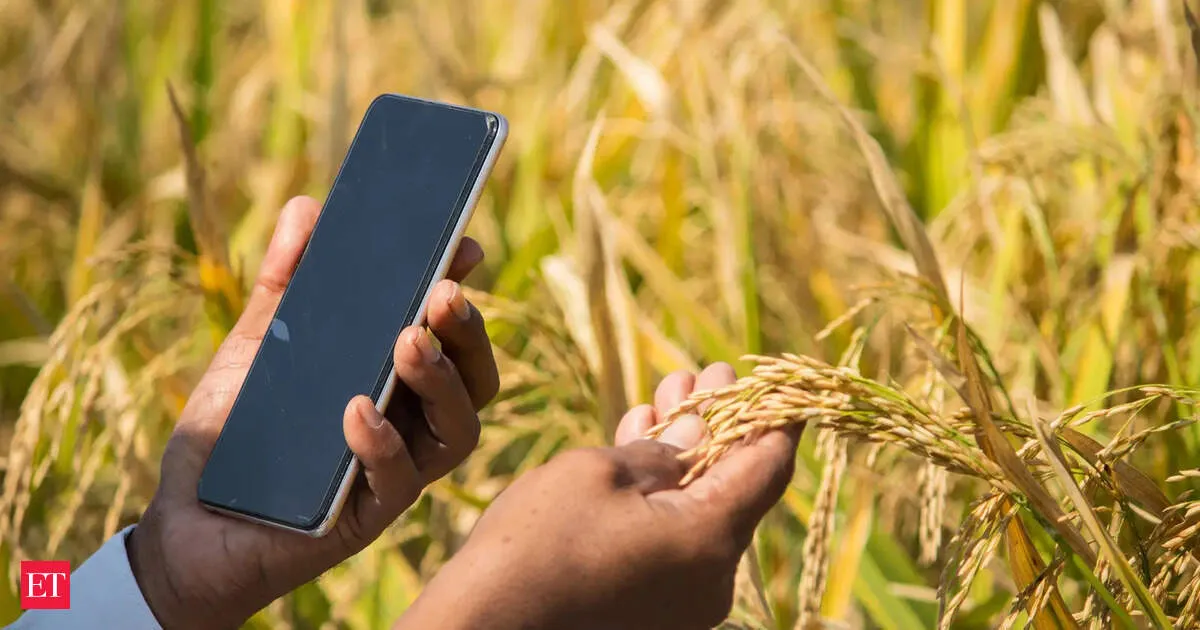
Bayer is deepening its phygital push in Indian agriculture as its FarmRise app hits 5 million users. The expanded offering blends AI-powered advisory with satellite-based insights focused on risk protection, alongside digital marketplaces. The goal: help farmers make faster, smarter decisions that support productivity and sustainability in day to day operations.
A Gulf shipping standoff is intensifying global supply chain disruption, with international conflicts further squeezing movement of goods. For smallholder farmers, this translates into essential farming inputs like fertiliser and seeds becoming scarce and pricing rising beyond affordability. The result threatens yields and food security, especially in the most vulnerable farming communities already facing thin margins.
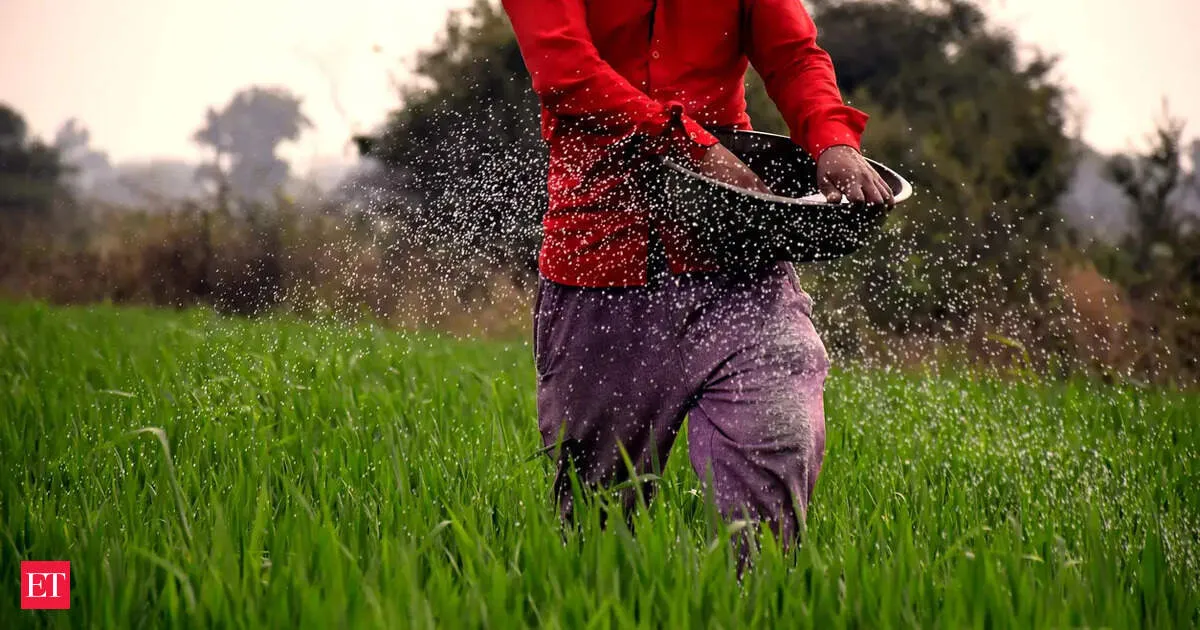
India has contracted diammonium phosphate fertilizer at prices close to 40% higher than pre war levels, blaming Middle East conflict driven supply disruptions and rising global rates. Indian Potash Ltd. agreed to buy about 1.35 million tons of DAP for delivery on both coasts at roughly $930 to $935 per ton, surpassing last week’s 1.2 million ton tender demand.
India has partnered with IFAD to launch an eight year rural development programme running from 2026 to 2033. The initiative aims to raise rural incomes while strengthening community resilience amid environmental uncertainties. It focuses not only on social and economic improvements, but also on advanced knowledge systems to help regions adapt and thrive, aligning with India’s Viksit Bharat 2047 goals.
Reading on mobile?
Open Beige in the app for a smoother experience — free on iOS and Android.
The southwest monsoon is expected to reach the Bay of Bengal and Andaman Islands by the week’s end, signaling the start of India’s critical rainfall season. But the India Meteorological Department is forecasting below-average rainfall for the country overall, raising concerns for water supply and farm output. Crops such as paddy, pulses, and oilseeds depend on timely rains.
Market watchers expect a farm deal at the upcoming U.S.-China summit that may expand Beijing’s purchases of grains and meat. Yet analysts say big new soybean purchases are unlikely beyond last October’s agreement, citing weak domestic demand and cheaper substitutes. Attention is shifting to possible commitments for corn, sorghum, milling wheat, beef, and poultry.
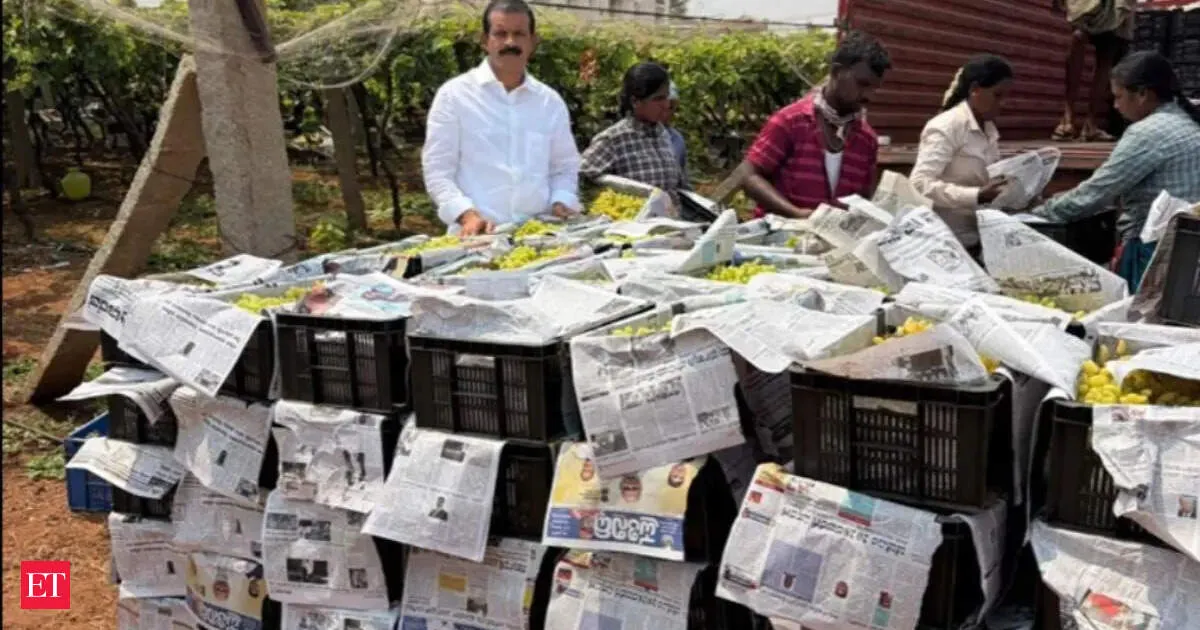
In drought-hit Anantapur, Andhra farmer Mekala Shiva Shankar Reddy transformed 180 acres into a high-income, water-efficient farm worth crores. By switching to drip irrigation and fertigation, he cut water use and improved yields. He also diversified into high-value horticultural crops such as grapes and even exotic fruits, proving that harsh dry land can become remarkably productive with the right approach.
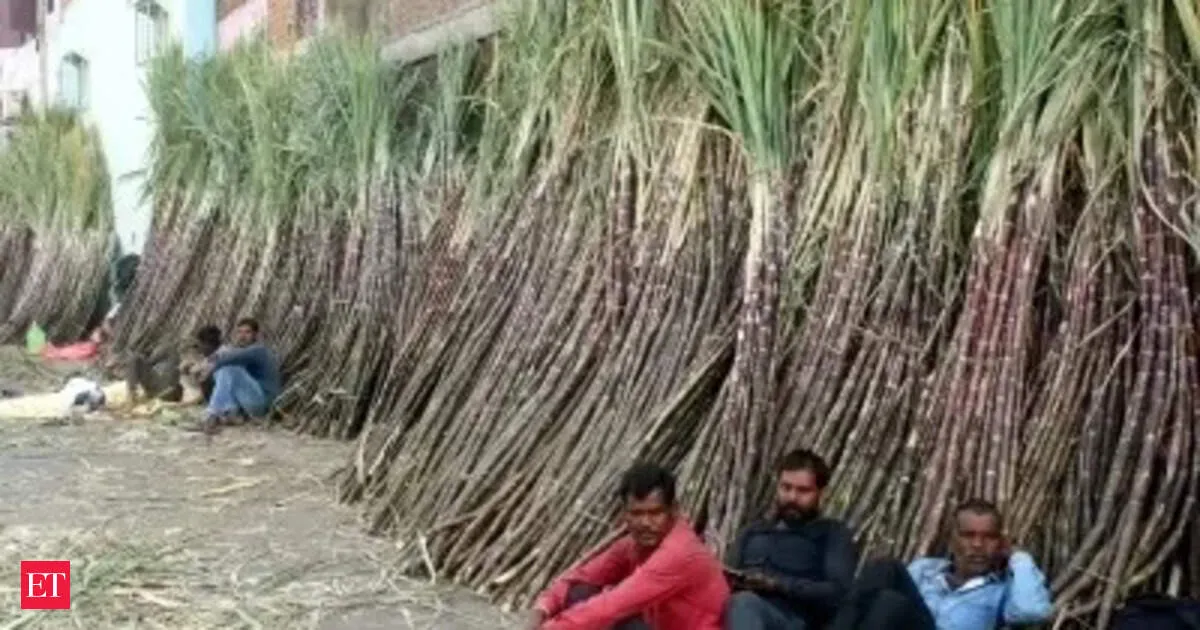
A Rs 10 increase in sugarcane FRP has drawn sharp reactions on both sides. Farmers argue the revised rate is too low to cover rising costs, while sugar mills warn that payments are already under strain and could deepen arrears. The small hike is now triggering bigger questions about pricing, procurement, and whether the season’s finances can hold.
Follow your favourite sources
Track sources, tags and categories — all in the Beige app.
India’s cumulative ethanol supplies have crossed about 515 crore litres in the first half of ESY 2025-26, according to the latest data. Maize has emerged as the biggest feedstock, signaling a shift in how biofuel volumes are being supported as the program scales up and demand grows.
Madhya Pradesh Agriculture Secretary Nishant Warwade says the e Vikas fertiliser system has reached 1.3 million farmers so far. He claims it has reduced long queues at procurement points and nudged farmers toward need based fertiliser use rather than habitual over application. The move is positioned as a behavioural change tool alongside distribution improvements.
Jammu and Kashmir is confronting a growing water crisis after a 26% rainfall shortfall recorded since March 1. Several districts have received far less precipitation than usual, while only a handful have seen near-normal levels. With water resources under pressure, the region’s supply for the coming months is now at risk.
India has released 2,996 climate-resilient crop varieties between 2014 and 2025, led by the Indian Council of Agricultural Research. The push also includes complementary farming practices and support under the National Innovations on Climate Resilient Agriculture. Vulnerability assessments have pinpointed 310 highly vulnerable districts, while Climate Resilient Villages are being set up to scale the solutions.
Stay informed on the go
Bite-sized news from 100+ trusted sources, right in your pocket.
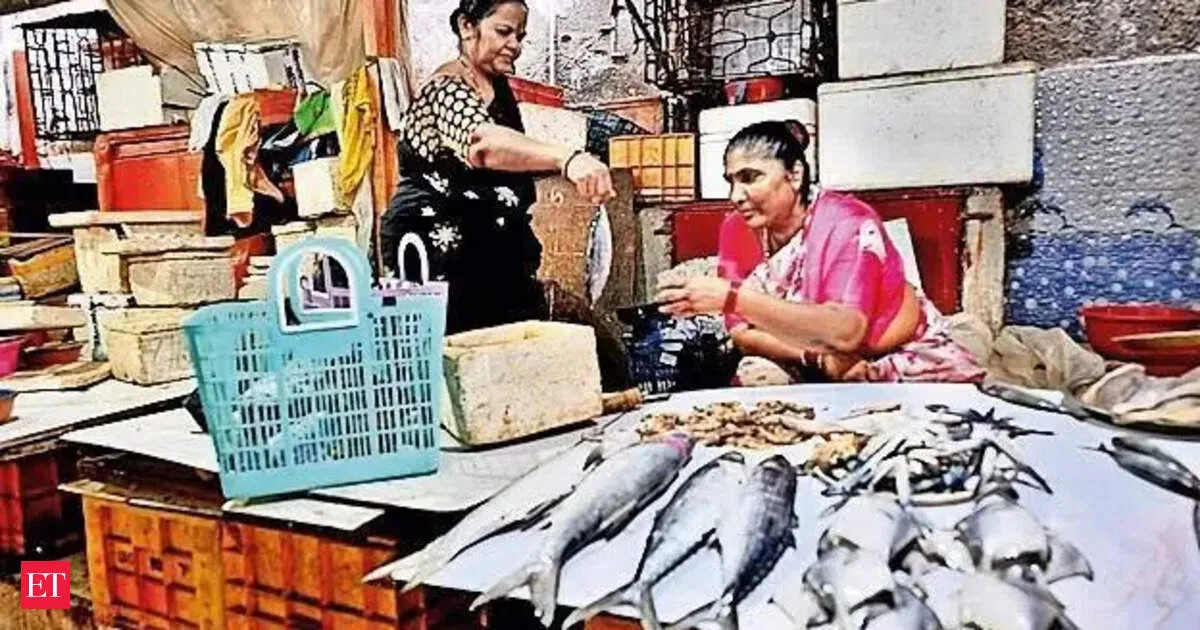
Mumbai’s Koli women are upgrading their age-old fish trade into a branded seafood enterprise. Through Daryavardi Producer Company Limited, they’re adopting packaging, logistics, and marketing while processing community identity into a corporatized model. The WhatsApp-driven, order-based approach is expanding reach beyond local buyers, aiming to improve incomes and reclaim social standing without losing cultural roots.
The Indian Biogas Association (IBA) is pushing for a 10% compulsory blending target of fermented organic manure (FOM) with chemical fertilizers by 2030. The plan is designed to improve India’s soil health through a phased mandate, gradually integrating FOM into current farming inputs rather than replacing them abruptly.
Swipe through stories, personalise your feed, and save articles for later — all on the app.