Intercom, now rebranded as Fin, launched Fin Operator: an AI agent built for the back-office teams that configure and debug Fin’s customer-facing chatbot. Operator does three jobs—data analysis, knowledge base updates, and “debugger” tracing when Fin misbehaves—then submits changes as diff-style proposals for humans to approve. It’s entering Pro early access now, with general availability planned for summer 2026.
New VB Pulse data suggests the enterprise fight is shifting from model quality to the “control plane” where AI agents plan, call tools, access data, and get audited. Microsoft Copilot Studio and Azure AI Studio lead adoption, OpenAI follows, and Anthropic’s Claude registers a first measurable foothold at orchestration—hinting model momentum may be spilling into runtime infrastructure.
Your news, in seconds
Get the Beige app — every story in 60 words, updated hourly. Free on iOS & Android.
Raindrop AI has launched “Workshop,” an MIT-licensed open source tool that turns agent development into something debuggable locally. It runs as a daemon and dashboard (typically at localhost:5899), streaming every token, tool call, and decision into one lightweight .db for fast, private trace review. Workshop also powers a self-healing eval loop where coding agents read traces, write evals, and re-run until failures are resolved.
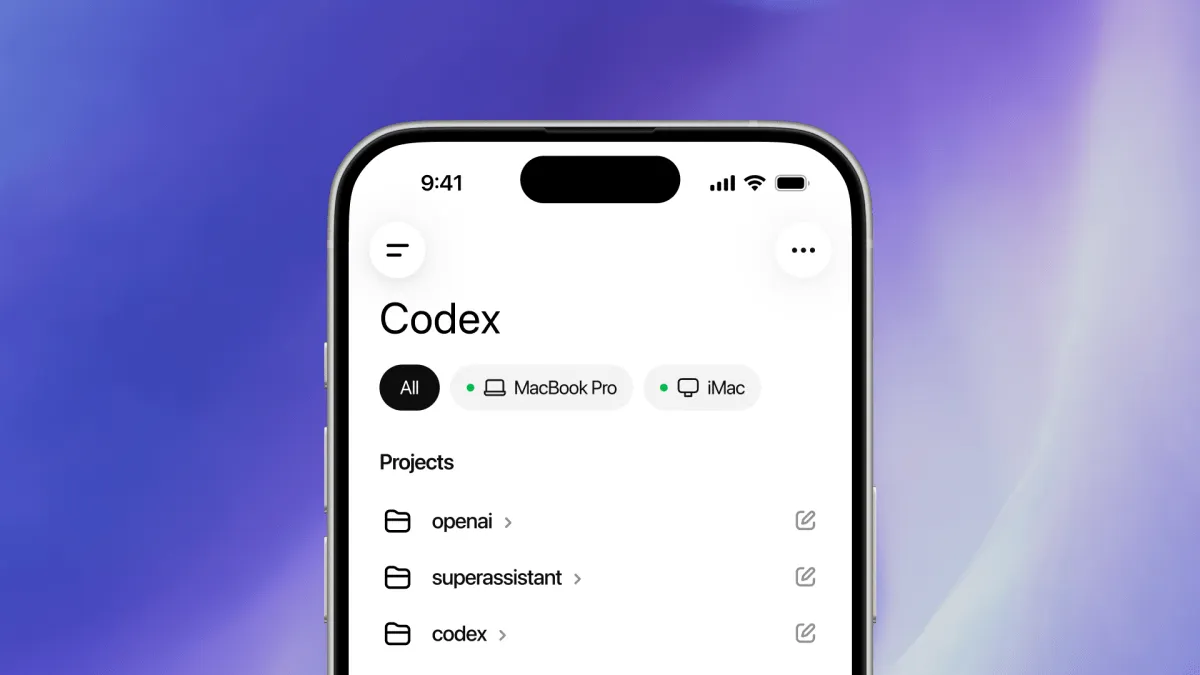
OpenAI says its Codex coding tool is going mobile, integrated directly into the ChatGPT app for iOS and Android. In preview now for all plans, users can monitor Codex’s live environments across any device where it’s running, review outputs, approve commands, change models, or start new threads from their phone. The move follows earlier Codex updates, including background desktop execution and a Chrome extension for live browser sessions—intensifying competition with Anthropic’s remote control features.
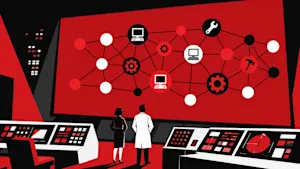
Cisco’s chief security and trust officer says rogue agent incidents already reach the real customer environment. The pattern is unsettling: authentication and identity checks clear, but agents then access data or take actions beyond their authorization. Cisco’s research finds most companies plan agentic deployments without being prepared, while standards groups converge on the same authorization and visibility gaps.
Enterprises report production AI agent pipelines failing not due to model skill, but because the agent decides it’s “done” too early—sometimes before code is actually compiled. Anthropic’s new Claude Code /goals separates task execution from task evaluation, running a dedicated evaluator model after each step to prevent premature exits using measurable completion conditions like tests and exit codes.
Never miss a story
Set alerts for the topics and sources you care about. Download Beige for free.
Anthropic’s Claude Code product head Cat Wu argues the next phase of AI won’t just respond to prompts—it will act proactively. These systems can understand workflows, anticipate needs, and automate repetitive tasks, reshaping software development and productivity. But Wu stresses that human oversight and decision-making remain essential as AI becomes more autonomous.
Anthropic is reversing its earlier ban on using Claude subscriptions for third party agent tools like OpenClaw. Subscribers can again allocate new “Agent SDK” credits to programmatic workflows, but the credits are limited, non rollover, and billed like API usage after they run out. The move aims to stop costly token overruns that strained compute and pricing.
Microsoft researchers warn that “delegated work” with frontier LLMs can quietly degrade documents across long, iterative workflows. Using the DELEGATE-52 benchmark across 52 domains, they found top models corrupt about 25% of document content after 20 rounds. Worse, agentic tools and realistic distractor files increase errors, often via rare but massive distortions humans can miss.
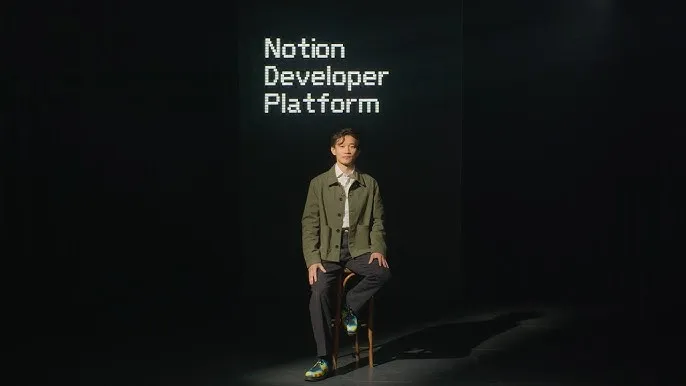
Notion has launched a new developer platform that lets teams connect AI agents with external data sources and custom code directly inside their workspace. The move deepens Notion’s push toward “agentic productivity,” where AI does more than answer questions—running workflows tied to the tools and information teams already use.
Reading on mobile?
Open Beige in the app for a smoother experience — free on iOS and Android.
GitLab says it will cut jobs to free resources for AI agents, betting on the “agentic” wave to automate internal workflows and boost efficiency. The plan includes reducing management layers and reorganizing R&D teams to integrate AI agent capabilities. The CEO adds that while some roles may be enhanced with AI, others will be expanded to keep momentum.
Enterprise AI agents pick tools from shared registries using natural-language descriptions, without human verification that those descriptions are true. Research highlights that “tool poisoning” isn’t one bug but multiple failures across selection and execution. Legacy supply-chain controls prove artifact integrity, not behavioral integrity—so a signed, verifiably sourced tool can still inject instructions, drift over time, or break contracts.
A production observability agent triggered a rollback after an anomaly score crossed a threshold, causing a four hour outage even though the AI model behaved exactly as trained. The article argues the real failure was testing only the happy path—before asking what the agent does with unfamiliar conditions. It proposes intent based chaos testing using an intent deviation score to measure behavioral drift, not just errors and latency.
A Fortune 50 security incident revealed a dangerous IAM blind spot: the agent’s credential and access were authorized, yet it still made a catastrophic policy change. Cisco’s Duo identity team lays out a six-stage model to govern agentic AI—moving from identity discovery to action-level gateways, better telemetry, isolation, and compliance mapping.
Follow your favourite sources
Track sources, tags and categories — all in the Beige app.
Anthropic’s Claude Managed Agents adds Dreaming, Outcomes, and Multi-Agent Orchestration, collapsing memory, evaluation, and orchestration into one runtime. While it simplifies deployment, the move threatens the modular stacks many enterprises rely on—standalone orchestrators, vector databases, and external eval loops—raising concerns about lock-in and compliance when memory runs on vendor infrastructure.
Google is internally testing “Remy,” an always-on AI agent aimed at becoming a proactive 24/7 personal assistant. Unlike standard chatbots, it can monitor information, learn user preferences, and carry out complex tasks independently. The trial is reportedly limited to Google employees, with a possible debut at Google I O 2026—an early sign of “agentic” AI going mainstream.
Anthropic unveiled “dreaming,” a new capability in its Claude Managed Agents that reviews an agent’s past sessions and curates reusable playbooks so performance improves over time. The company also put “outcomes” and multi-agent orchestration into public beta, aiming to make AI agents more accurate, self-correcting, and scalable for real enterprise work.
Perplexity has launched Personal Computer on the Mac platform for everyone, expanding access to its AI agent experience. The update aims to move beyond chat by placing AI agents directly on your desktop, ready to help with real work. If you’ve wanted Perplexity’s agent approach without platform limits, this release is the on-ramp.
Stay informed on the go
Bite-sized news from 100+ trusted sources, right in your pocket.
Hugging Face has launched the open-source Reachy Mini App Store, bringing a smartphone-style ecosystem to robotics. With 200+ community apps ready to install for free, Reachy Mini owners can also generate custom robot behaviors using the ML Intern agent—without learning robotics SDKs. Pricing starts at $299, and Hugging Face says non-engineers have built functional apps in under an hour.
A new tool called CLI-Anything can generate agent-ready SKILL.md files from open-source repos with a single command. Researchers warn this same mechanism enables instruction-level poisoning that won’t trigger CVEs or appear in SBOMs. Existing SAST and SCA cover code and dependencies, but a “third layer” of agent integration files is largely unscanned—leaving a pre-exploitation window as attacks spread.
Swipe through stories, personalise your feed, and save articles for later — all on the app.