Samsung Electronics is bracing for an 18-day strike by more than 45,000 workers starting May 21, a move that could disrupt memory chip output vital for AI data centers and consumer devices. The dispute centers on bonus pay: Samsung wants memory employees (about 27,000) to receive at least six times more than staff in its logic chip design and manufacturing units. Union leaders warn the gap will drive talent away, weaken foundry operations, and threaten Samsung’s push to be a one-stop semiconductor supplier worldwide.
Samsung’s planned 18-day strike starting May 21, 2026 is casting a long shadow over the global AI chip supply chain. With 45,000 workers expected to walk out, JPMorgan estimates Samsung could lose $14 billion to $20.79 billion in operating profit. The trigger is a widening bonus divide: memory chip employees were offered 607% bonuses, far higher than logic and foundry workers tied to AI processors for Nvidia and Tesla—reshaping labor tensions across the semiconductor ecosystem.
Your news, in seconds
Get the Beige app — every story in 60 words, updated hourly. Free on iOS & Android.
Samsung Electronics is bracing for a potential 18-day strike that could disrupt global memory chip supply after more than 45,000 workers demanded more equal AI boom bonus payouts. The company’s proposal favors memory chip employees, offering them at least six times higher bonuses than logic chip workers in system LSI and foundry units. Union leaders warn the pay gap could trigger talent flight and harm Samsung’s push to become a “one-stop” global chip supplier. Investors and government are watching closely.
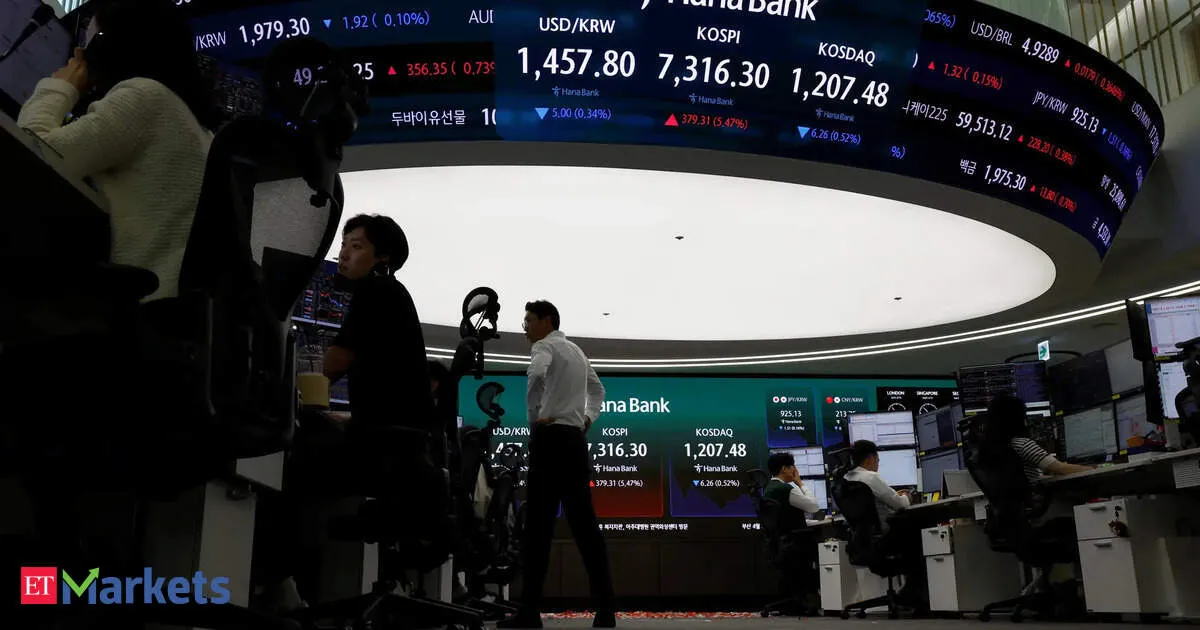
South Korea’s Kospi plunged 6% on Friday after a historic rally pushed valuations and positioning to extremes, briefly topping 8,000 for the first time. The rebound had been powered by AI-linked memory-chip demand, concentrated in Samsung Electronics and SK Hynix. Once foreign investors began booking profits, the decline accelerated because the index’s gains depended heavily on those same stocks. Samsung fell nearly 9% and SK Hynix slid 8%, while global risk concerns and higher bond yields added pressure.
The US cleared roughly 10 Chinese companies to buy Nvidia’s H200 AI chips, but none have been delivered so far, according to sources familiar with the matter. Nvidia CEO Jensen Huang is now traveling to China with a trip arranged after President Donald Trump invited him en route to talks with Xi Jinping. Buyers reportedly pulled back after Beijing guidance, while US rules require security safeguards and bans on military use, leaving both sides caught in a tech rivalry.
Agrani Labs, a semiconductor startup launched in 2025 by former Intel and AMD executives, is seeking a $100 million Series A to develop AI inference chips compatible with Nvidia’s CUDA software stack. The company is in early talks with Qualcomm, Battery Ventures, and government investors, while existing backer Peak XV is expected to contribute about $20 million pro-rata. If valuation talks land in the $400–500 million range, it would mark one of India’s largest Series A rounds for a chipmaker.
Never miss a story
Set alerts for the topics and sources you care about. Download Beige for free.
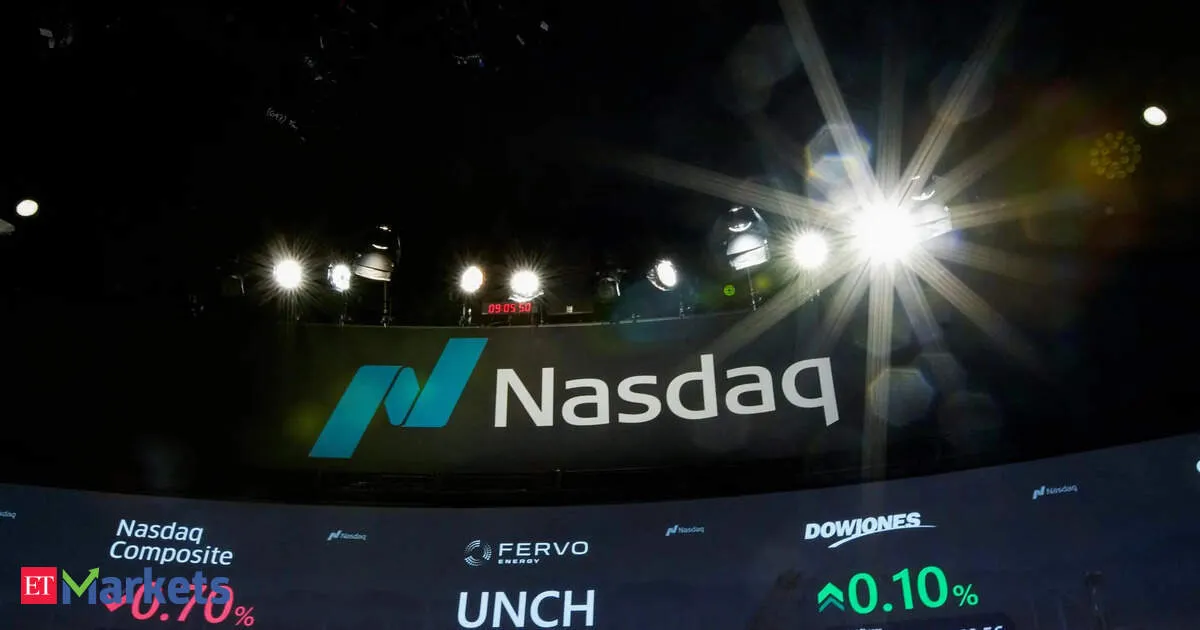
Cerebras’ Nasdaq debut sent its shares nearly doubling and pushed the AI-chip maker past a $100 billion market cap in hours. The win follows a turnaround from earlier customer-concentration concerns to new cloud-and-partnership momentum with OpenAI and AWS, as the company pivots toward inference capacity sold as a service.
Cerebras Systems’ IPO delivered a windfall, including major gains for Benchmark, which holds 9.5% of the AI chipmaker. But the payoff traces back to one nearly-missed meeting: Benchmark partner Eric Vishria dragged his feet on an early pitch for a hardware startup he’d rarely funded. He even complained to his assistant about the calendar slot. After hearing the basics of Cerebras’ approach, he greenlit deeper review, ultimately backing a team that spent years solving extreme engineering hurdles.
Cerebras, an AI chipmaker founded in 2015, made a stunning Nasdaq debut with its shares jumping about 90%. Priced at $185 in its IPO, the stock opened at $350, quickly pushing the company’s valuation to over $75 billion. The move highlights surging investor demand for AI infrastructure, with subscriptions reported at more than 20 times the available shares. The debut also underscores how fiercely Nvidia, AMD and Intel are competing for the AI hardware buildout.
US chip startup Cerebras Systems roared into public trading, with shares jumping more than 80% on Nasdaq and briefly more than doubling earlier in the session. The company reached a market value of about $80 billion during the trading debut. Around 1730 GMT, Cerebras was trading at $332.51, after having surged to roughly $385 at one point. The strong debut reflects continued investor demand for companies tied to the artificial intelligence spending and chip investment boom.
Reading on mobile?
Open Beige in the app for a smoother experience — free on iOS and Android.
U.S. stocks surged Thursday as the Dow Jones reclaimed the 50,000 level, with the S&P 500 and Nasdaq hitting fresh records. The rally was driven by a mix of renewed optimism from a high-stakes Trump Xi summit in Beijing and a sharp earnings and chip-related boost in major tech names. Cisco’s results and guidance, plus Nvidia’s 4.2% rally after U.S. export approvals for H200 chip buyers, helped propel the market higher. Investors also monitored inflation and oil-linked risks.
S&P 500 and Nasdaq futures rose to new highs as Nvidia climbed in premarket trading. The stock gained 1.9%, lifting its valuation to about $5.9 trillion. Reuters, citing sources, reported the U.S. has cleared roughly 10 Chinese firms to buy Nvidia’s second-most powerful AI chip, the H200, fueling renewed market optimism.
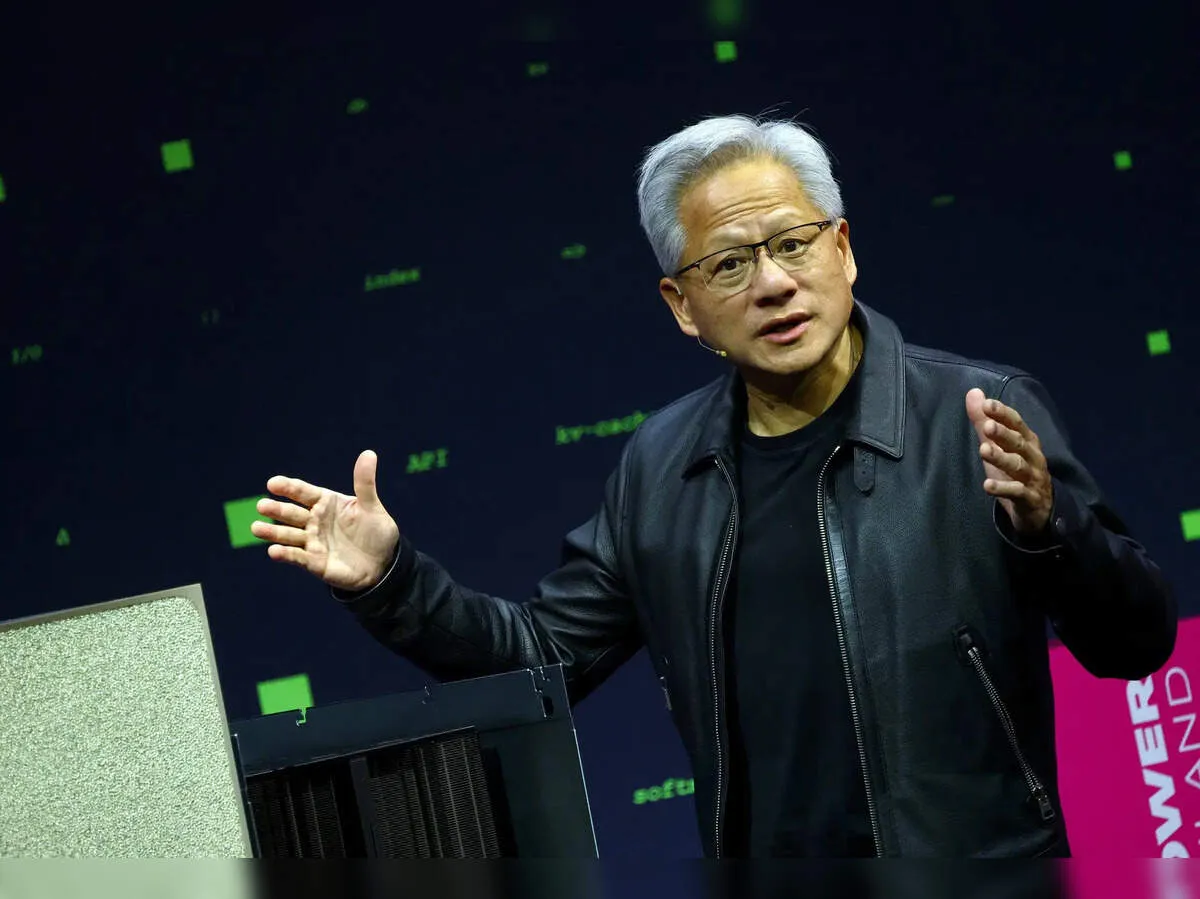
Nvidia CEO Jensen Huang met Chinese President Xi Jinping and voiced hopes for better US China ties. The backdrop is tougher: Nvidia says it faces challenges supplying advanced AI chips to Chinese clients, a constraint that could slow China’s AI development efforts. Huang’s remarks highlight how geopolitics and chip controls are reshaping global AI supply chains.
US chip startup Cerebras Systems plans to launch an IPO on Wall Street at $185 per share to raise about $5.5 billion, valuing it at over $55 billion. The offering is the largest US IPO this year. Cerebras makes wafer-scale processors designed to accelerate AI workloads, aiming to boost performance for next-generation machine learning systems.
Follow your favourite sources
Track sources, tags and categories — all in the Beige app.
Tower Semiconductor expects to beat its second-quarter revenue target and says it has won $1.3 billion in AI chip deals for 2027. The contracts target specialized processors for AI data centers, reflecting rising demand. Looking ahead to 2028, the company remains confident about hitting ambitious revenue and net profit goals as its technology ramps.
Nvidia CEO Jensen Huang is set to join President Donald Trump’s Beijing visit, raising fresh hopes that China could see progress on buying Nvidia’s powerful AI chips, including the H200. His presence suggests a possible thaw in the broader US China standoff over high-end technology sales, as both sides seek to advance American business interests abroad.
India’s startup funding day on 12 May 2026 was powered by semiconductors and manufacturing. Bengaluru’s HrdWyr bagged $13 million to build AI-native AISoCs, while Mekr raised ₹67 crore for electronics manufacturing. Spacetech Agnikul is reportedly in talks for a $50–75 million round at a flat $500 million valuation. In business news, InCred Capital acquired S Cube Capital and SBI cleared up to $2 billion overseas bond issuance.
Bengaluru fabless semiconductor startup HrdWyr has raised $13 million in Series A funding led by Ideaspring Capital, with participation from Singularity AMC, Avatar Growth Capital and Persistent Systems. The company plans to develop its AI-native System-on-Chip (AISoC) products and expand customer engagements globally. Founded in 2023, HrdWyr says its AI is embedded at the edge for faster, efficient physical AI systems.
Stay informed on the go
Bite-sized news from 100+ trusted sources, right in your pocket.
TSMC has approved a capital budget of over $31 billion to expand chip production, aiming to meet accelerating demand tied to AI and high-performance computing. The plan also includes major investment in its US operations. In a bid to capitalize on the tech boom, the company says shareholders will benefit through a higher dividend payout.
Samsung Electronics’ South Korea labour union is threatening to stop pay negotiations unless a mediation proposal is put forward. The union is pressing for a larger share of operating profit to boost performance bonuses, arguing payouts are smaller than rival SK Hynix. The dispute intensifies despite Samsung’s record profits fueled by the AI chip boom.
Swipe through stories, personalise your feed, and save articles for later — all on the app.