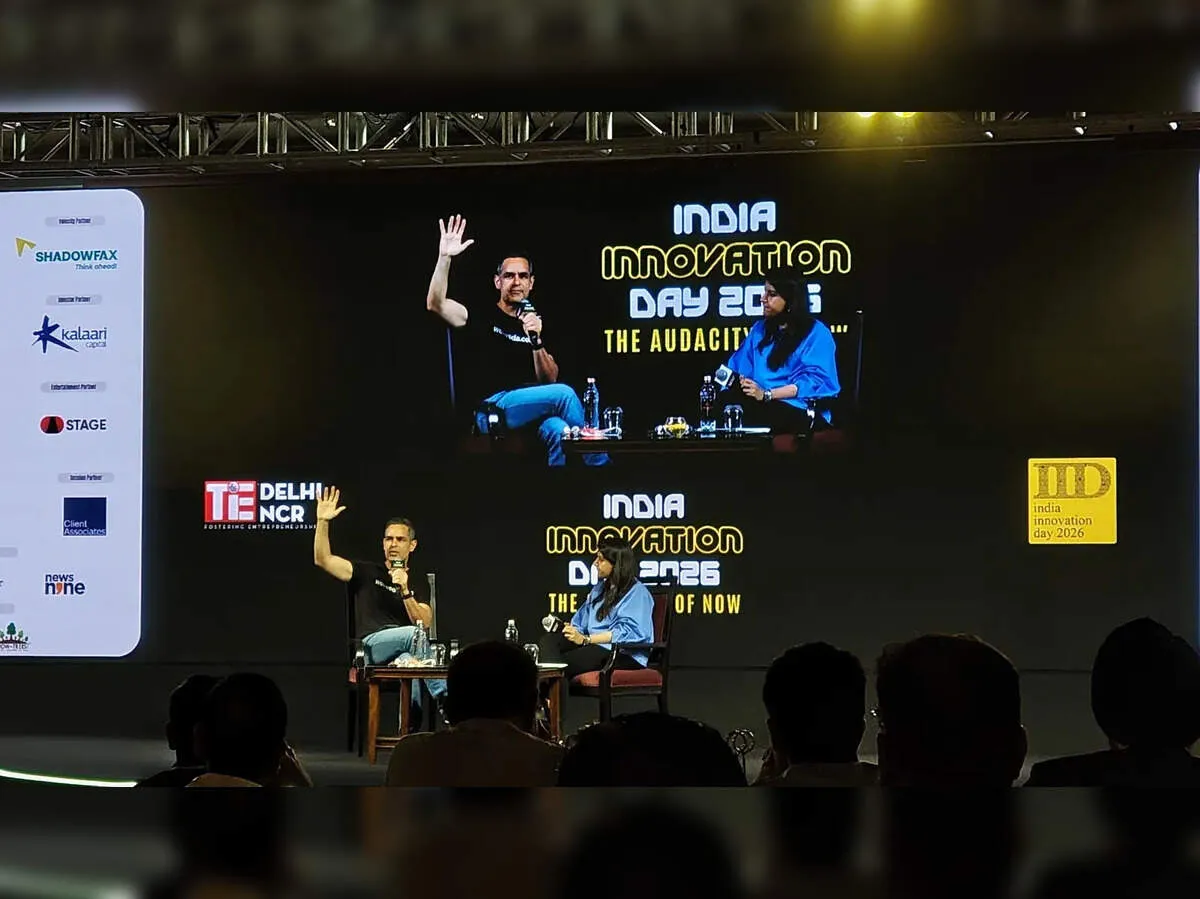
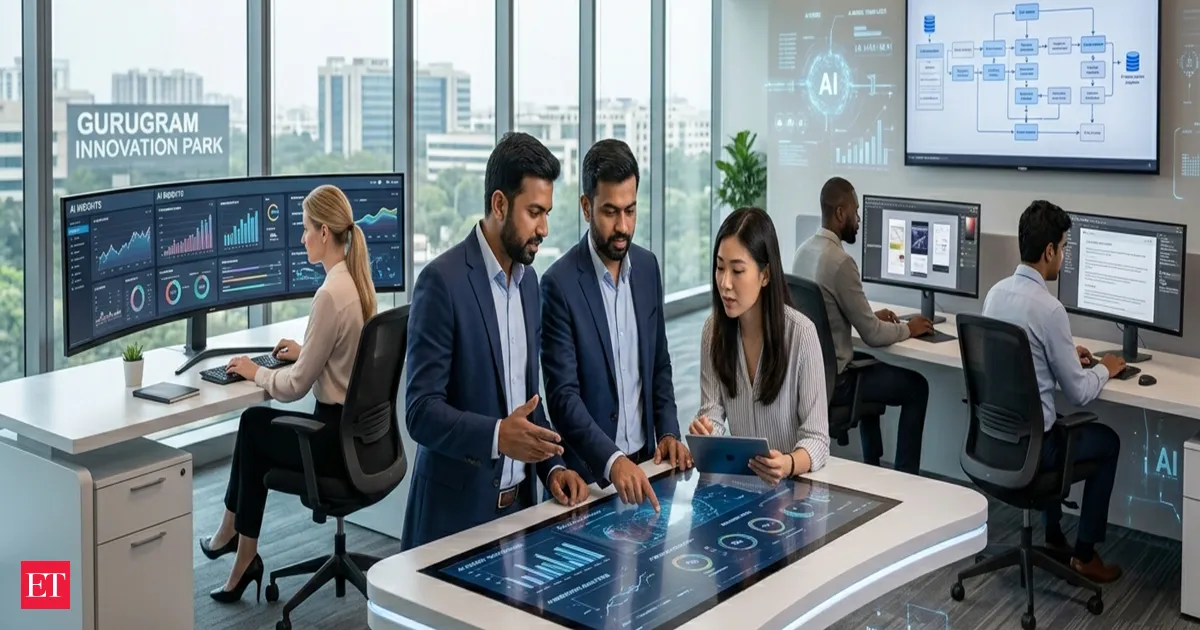
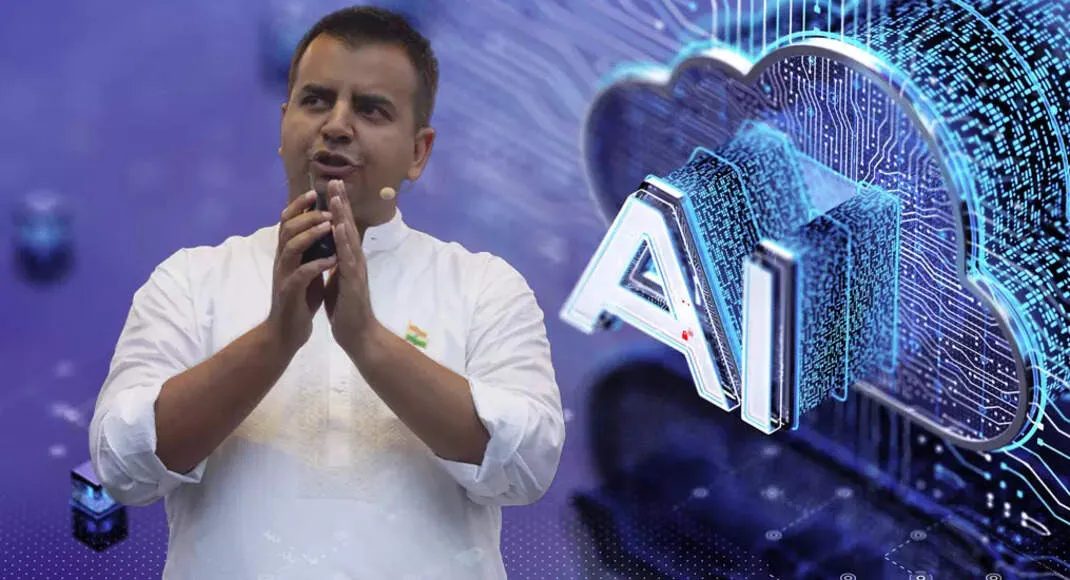
OpenAI’s Pragya Misra urged Indian startups to build beyond today’s urgencies, warning against “recency bias” in an AI-first market. Speaking in Gurugram, she said even business process outsourcing and basic customer service operations could be disrupted within three years. Misra emphasized that the real opportunity is in workflows, context, and integrations around AI—not only the models. She also highlighted India as OpenAI’s testing ground, citing massive usage across students and regional diversity.
Microsoft is reportedly hunting for AI startups it could acquire, aiming to strengthen its talent pool and build an advanced AI model independently. The company’s discussions are said to include Inception, a startup focused on developing novel large language model approaches. The strategy signals a shift toward owning more of the next wave of AI progress.
Your news, in seconds
Get the Beige app — every story in 60 words, updated hourly. Free on iOS & Android.
Venture capital firms are increasingly urging Indian AI founders to establish an early US presence, especially in San Francisco, as they chase global scale. The push centers on getting closer to customers, unlocking faster access to capital and talent, and staying tight to fast-moving AI trends—factors investors say can create a real competitive edge.
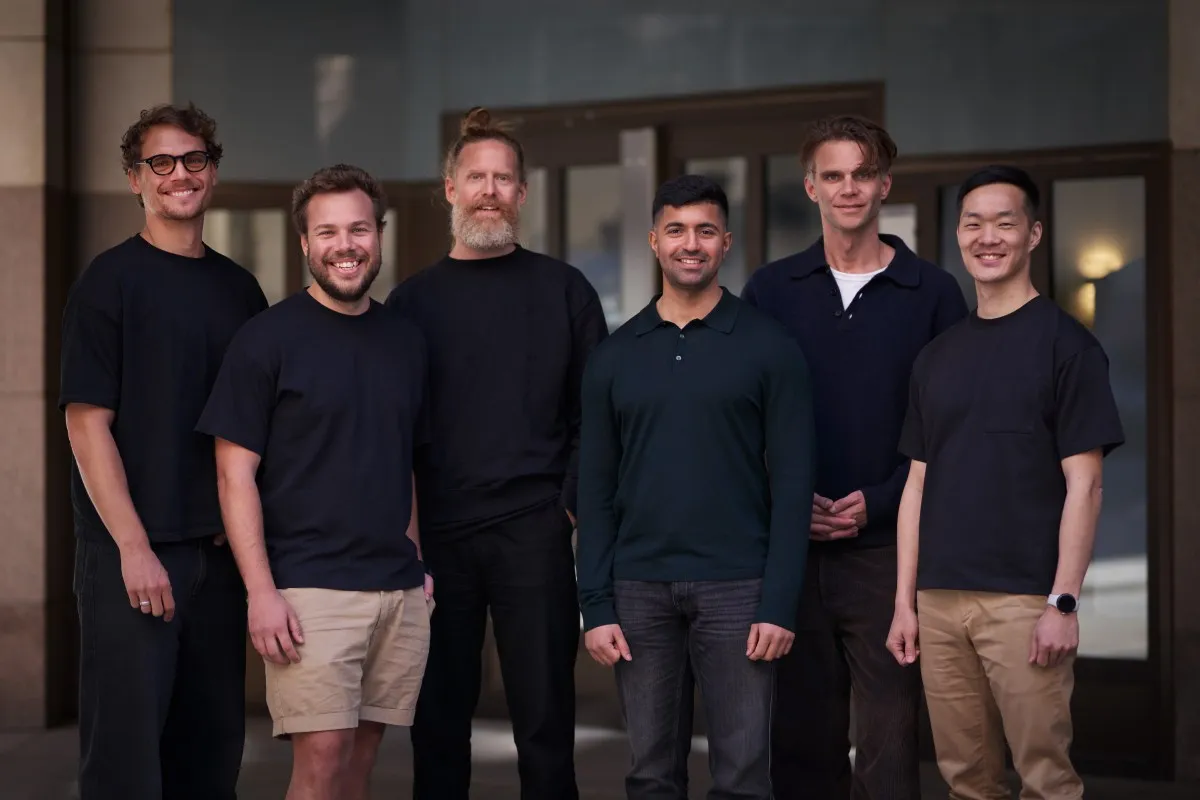
Pit, an AI startup launched by former founders of European scooter giant Voi, is drawing major momentum from Silicon Valley. Backed by a16z, Pit has become the latest Stockholm rising star, with the firm reportedly leading the startup’s $16 million seed round. The funding signals growing investor interest in European AI teams with real-world operational experience.
Greg Brockman says Elon Musk’s departure from OpenAI wasn’t a quiet split but the result of sharp, high-stakes negotiations between founders. Brockman’s account highlights how tense talks can shape the path of world-changing startups—especially when control, direction, and trust are on the line. The revelations are rare for public view.
AI evaluation startup Braintrust says hackers broke into an Amazon cloud environment tied to its systems. In breach notifications to customers, the company is urging immediate action: rotate sensitive API keys to reduce the risk of further misuse. The incident highlights how even tools supporting AI development can become targets for attackers seeking access credentials.
Never miss a story
Set alerts for the topics and sources you care about. Download Beige for free.
DeepSeek is reportedly nearing a roughly $45 billion valuation as China Integrated Circuit Industry Investment Fund, a major state-backed semiconductor investor, discusses leading financing for the AI lab’s first fundraising. The talks, reported by the FT, could make the new round one of the biggest signals yet of how aggressively China is backing frontier AI with industrial policy muscle.
As crypto sentiment cools, a16z crypto has reportedly raised a massive $2.2 billion fund. While other major firms increasingly look to back AI startups, the new fund signals a16z’s decision to stay focused on crypto rather than chase the latest tech wave. The move highlights how VCs are balancing risk and conviction in a shifting market.
Voice AI startup ElevenLabs says its annual recurring revenue has crossed $500 million in early 2026. The company also raised additional funds in its Series D round, valuing it at $11 billion. Management says the new capital will accelerate platform upgrades and global expansion, with a focus on more human-like AI communication.
Sierra has raised $950 million, giving it more than $1 billion in available capital as competition intensifies in enterprise AI. The company says it will use the funds to establish itself as the “global standard” for AI-powered customer experiences, aiming to scale products and partnerships faster than rivals.
Reading on mobile?
Open Beige in the app for a smoother experience — free on iOS and Android.
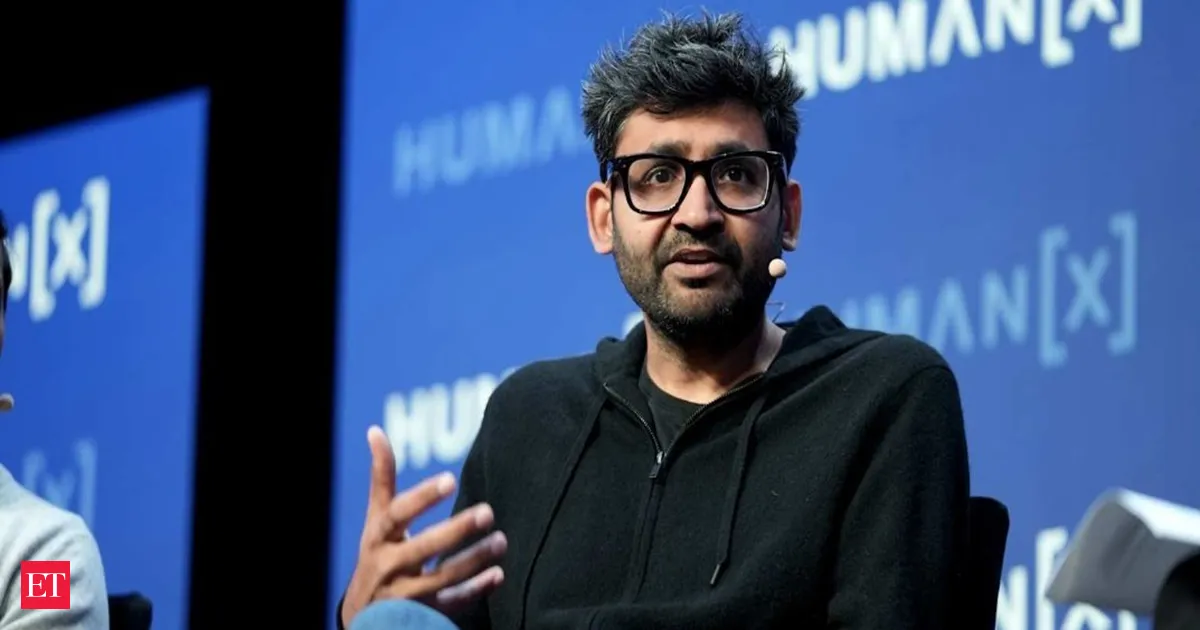
Parag Agrawal, an Indian-American who was ousted as Twitter CEO by Elon Musk in late 2022, is now leading a new AI startup, Parallel Web Systems. The company has reportedly raised $100 million, valuing it at around Rs 19,020 crore. Agrawal previously served as Twitter’s CTO before taking over as CEO in 2021 after Jack Dorsey left.
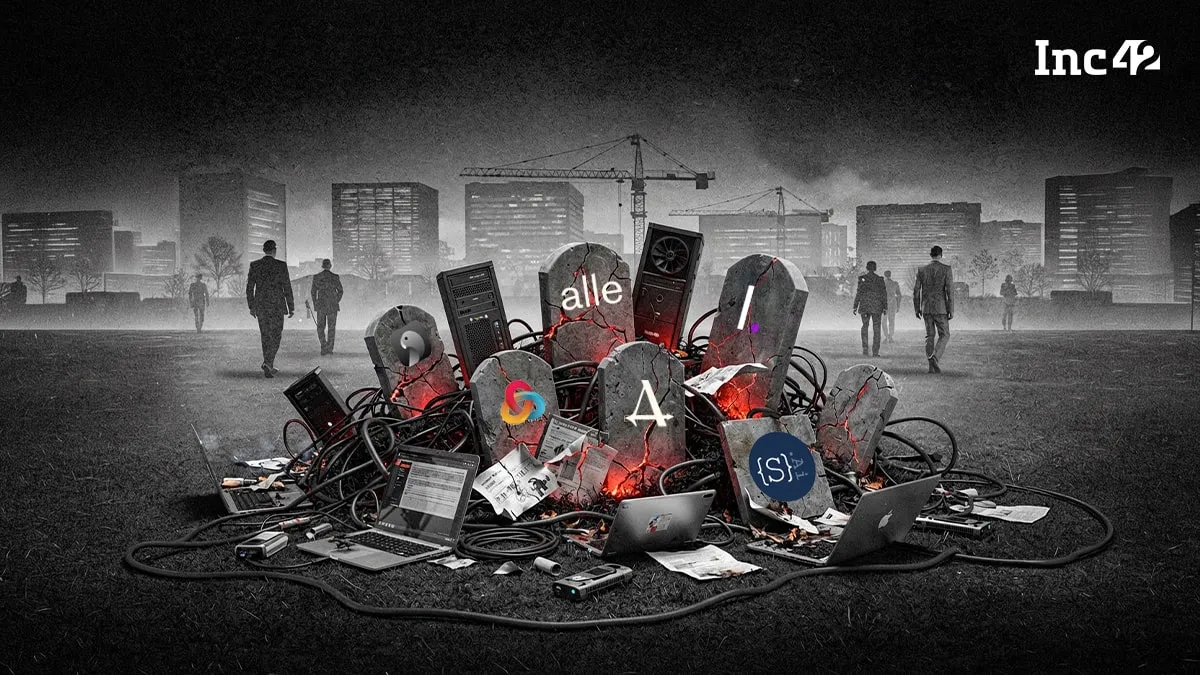
India’s AI startup shutdowns have surged, but the story isn’t simple collapse. The article argues the “AI moment” is shifting: investors still fund heavily, yet expectations are higher and selection sharper. Many failures were wrappers, weak defensibility, or business models disguised as products—while some survivors are pivots toward vertical SaaS with real enterprise integration.
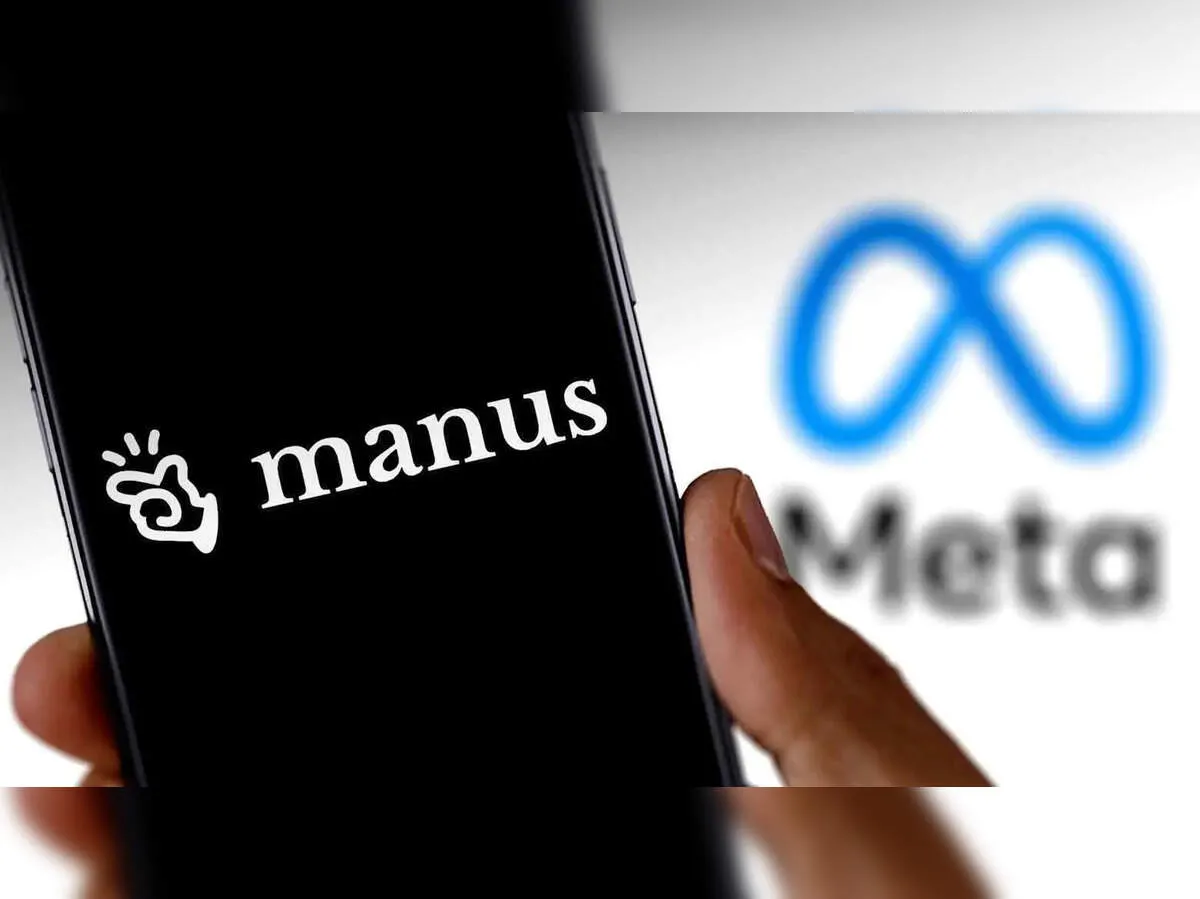
China has blocked Meta’s planned acquisition of the AI startup Manus, underscoring heightened scrutiny of tech-linked deals tied to China. The decision raises risk for global investors and discourages Chinese firms from transferring stakes or assets to foreign buyers without approval. For entrepreneurs and investors, it signals tougher cross-border barriers amid intensifying US China tech competition.
Indian startups pulled in $39 million across 15 deals between April 20 and 24, down 35% from $60 million the previous week. It’s the lowest weekly funding total in 2026 so far. Media and entertainment led with LightFury Games’ $11 million, while AI drew the most deals. Despite the slowdown, seed funding jumped sharply to $17.8 million.
Follow your favourite sources
Track sources, tags and categories — all in the Beige app.
Indian startup VC funding fell again below the $100 million mark, totaling about $81 million across 22 deals in the fourth week of April. The drop is attributed to a shortage of large-ticket transactions amid tougher macro conditions and ongoing US-Iran tensions. With capital largely concentrated in early stages and AI activity still limited, a mid-year revival is the hope.
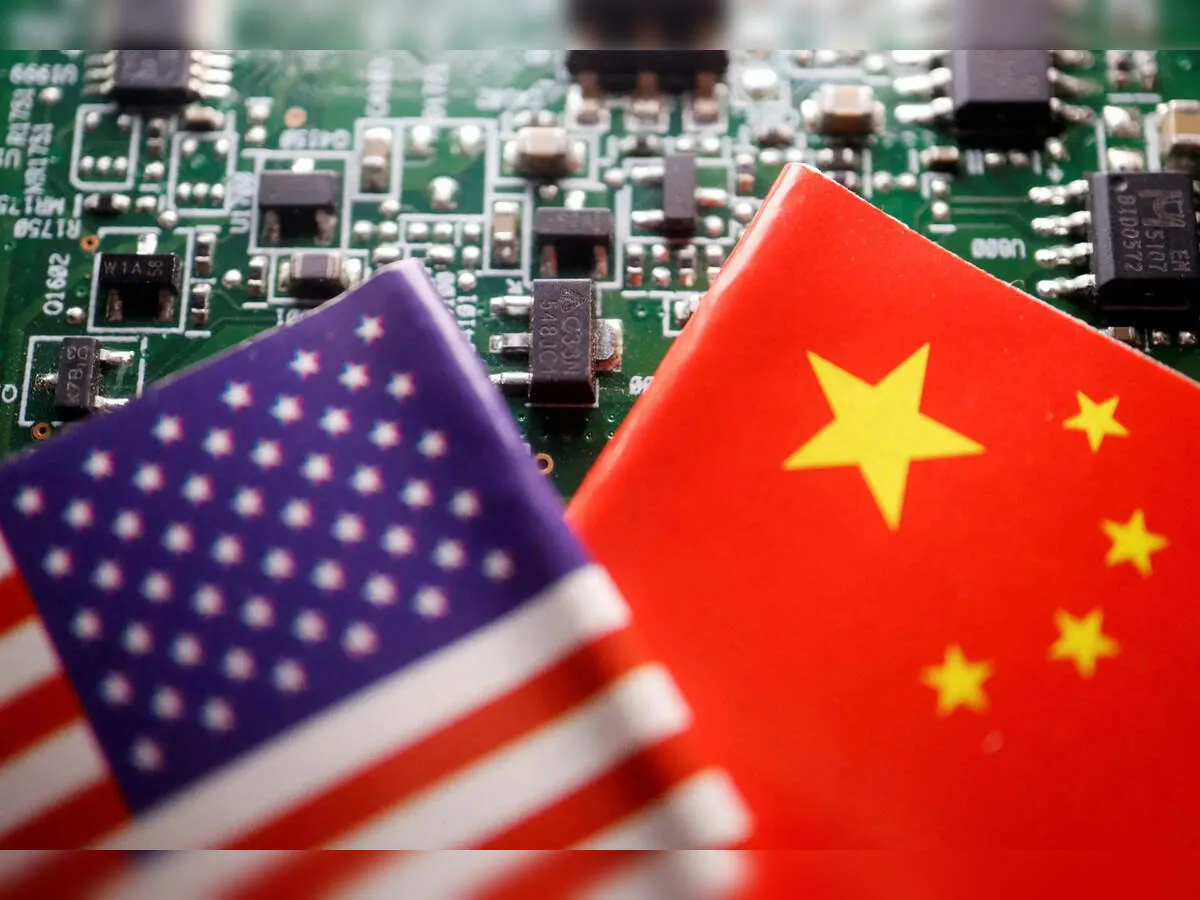
China’s regulators are reportedly requiring major tech firms, including AI startups, to reject US investment unless they get official clearance. Companies such as Moonshot AI and StepFun have been told to turn away US funds, while ByteDance is facing similar limits on secondary share sales. The crackdown is framed as protecting sensitive technologies tied to national security.
Krutrim, touted as a flagship of India’s AI push, is entering a high-stakes phase. After restructuring and delays in product maturation, the company is being forced to rethink its strategy amid rising funding pressure. Once positioned to compete globally, it now faces a make-or-break survival test in a harsh frontier-tech market.
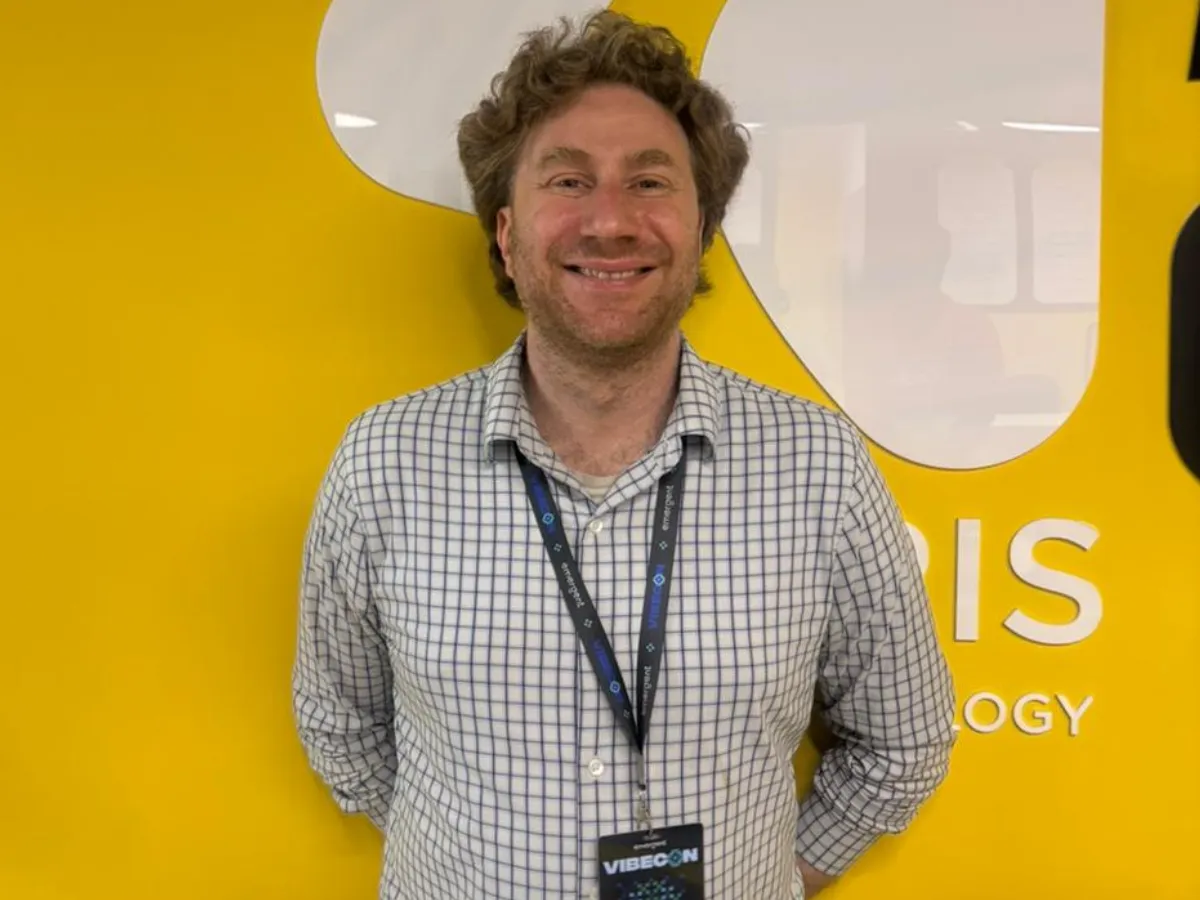
Y Combinator’s managing partner Jared Friedman says AI-era startup success hinges on speed: founders are pivoting more often, adapting quickly to new opportunities. He adds that India’s deep pool of strong engineering talent gives companies an edge, helping them build and iterate faster than competitors as AI changes the rules of the game.
Stay informed on the go
Bite-sized news from 100+ trusted sources, right in your pocket.
AI firms are increasingly buying startups to quickly assemble “full-stack” capabilities as enterprises ramp up large-scale AI deployments. The push is less about headcount and more about securing complementary product features and valuable intellectual property. With the market changing rapidly, consolidation is emerging as the fastest route to cover gaps and win enterprise-ready AI systems.
An AI startup founder is betting big on an Nvidia-shaped roadmap, despite having only about $4 million in cash. The Ken story traces how the company’s strategy, hiring, and product timeline are being shaped by GPU economics and competition, and why the next milestone may determine whether the dream scales—or collapses quickly.
Swipe through stories, personalise your feed, and save articles for later — all on the app.