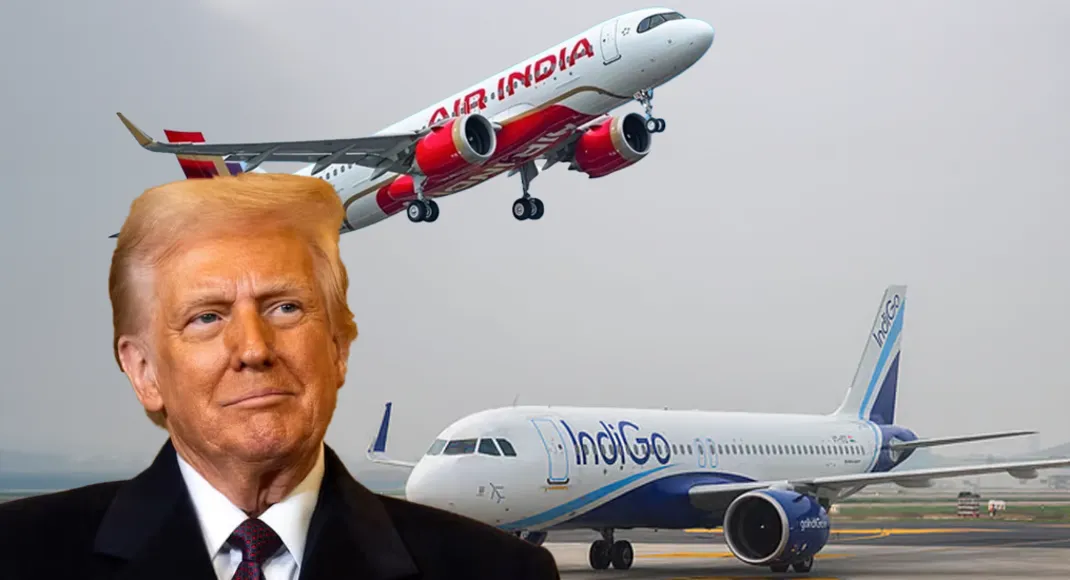
India-US ties are strained, and now the spotlight is landing on aviation oversight. After IndiGo’s near shutdown in December, Air India’s fatal crash in Ahmedabad, and SpiceJet’s engineering and unpaid-salary problems, the US FAA is reportedly again worried about safety and regulatory standards in India. The operational collapse led IndiGo to cancel more than 4,500 flights, affecting about one million passengers, triggering a record DGCA fine and the exit of CEO Pieter Elbers.
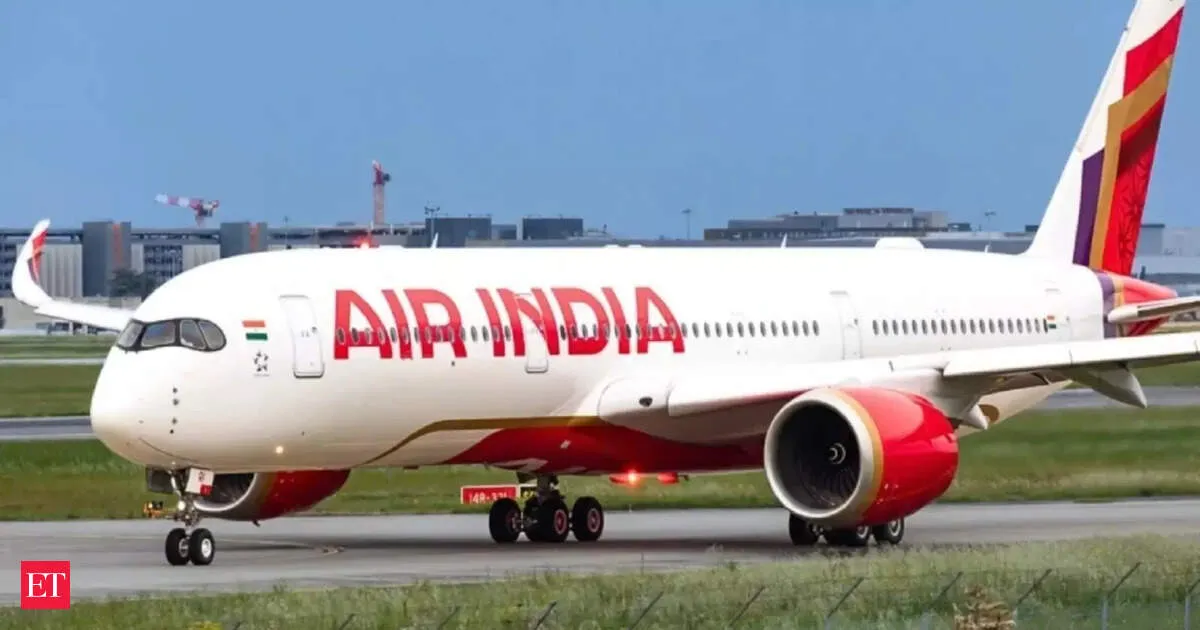
Singapore Airlines CEO Goh Choon Phong said Air India’s surging losses have dragged Singapore Airlines’ annual profit down 57%, citing a chain reaction of geopolitical disruptions, Pakistani airspace restrictions, and currency volatility. He pointed to cost inflation and longer, fuel-intensive routes on North America services, plus elevated West Asia-linked fuel prices, delivery delays, and supply-chain setbacks. Air India losses more than doubled to ₹25,606 crore in FY26, with added FX and labor compliance pressures.
Your news, in seconds
Get the Beige app — every story in 60 words, updated hourly. Free on iOS & Android.
Singapore Airlines CEO Goh Choon Phong said Air India’s turnaround is a “long game” with no quick fixes, blaming “largely external” pressures. In SIA’s briefing on its fiscal 2025-26 results, he pointed to Pakistan airspace closure for over a year, rupee depreciation, supply-chain disruptions, Middle East conflict, and post-AI171 crash capacity constraints. Air India posted losses of more than SGD 3.56 billion (over Rs 26,700 crore) for FY ended March 2026, while SIA highlighted workforce changes as part of Air India’s multi-year transformation.
Singapore Airlines Group’s FY26 profit fell 57.4% to SGD 1.184 billion, driven by the absence of a prior one-off merger gain and by losses linked to Air India. Even with weaker earnings, SIA says it remains firmly committed to its Air India investment, calling it essential to its multi-hub strategy in a fast growing aviation market.
Air India’s annual report shows losses of 3.56 billion Singapore dollars, equivalent to about $2.8 billion at current exchange rates. The figures come alongside Singapore Air’s results, highlighting how differently major carriers are performing as airlines navigate cost pressure, demand shifts, and financial strain.
Air India is facing a potential record $2.12 billion loss as the Iran war and Pakistan’s airspace ban force thousands of flight cuts. In the scramble for seats, Lufthansa Group and Cathay Pacific are expanding capacity, aiming to capitalize on strong Indian travel demand. Their moves could lift foreign carriers’ share to 58.4%, intensifying pressure on Air India’s international network.
Never miss a story
Set alerts for the topics and sources you care about. Download Beige for free.
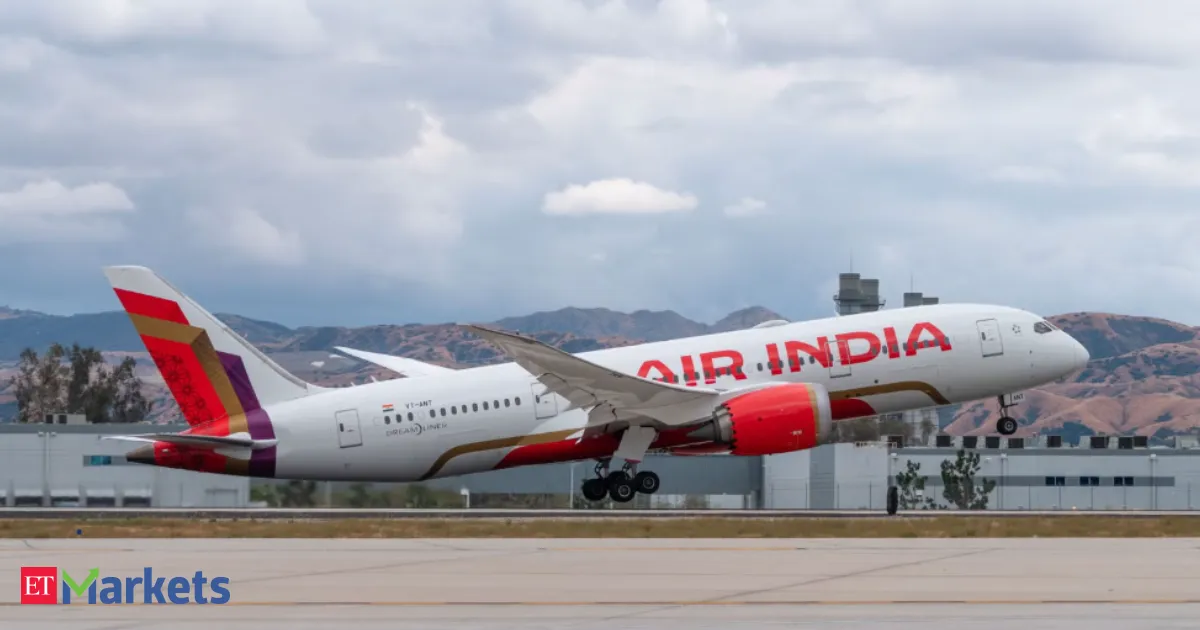
Air India will temporarily suspend and reduce flights on multiple international routes from June to August 2026, citing airspace restrictions and high jet fuel prices. The airline says the changes are meant to strengthen network stability and will provide affected passengers with alternate options. Even with the adjustments, Air India expects to keep operating over 1,200 international flights monthly.
Air India has reportedly terminated flights to multiple destinations, blaming mounting fuel costs and tighter economics. The move affects selected routes, adding uncertainty for passengers who may have booked travel expecting services to run. The airline’s decision reflects how volatile energy prices are reshaping flight schedules and forcing operational cuts across the aviation sector.
Air India pushed back against claims it will cancel all international flights until July, saying the reality is more limited. The carrier is temporarily reducing some overseas operations, citing soaring jet fuel costs and longer flight times caused by airspace constraints—factors that are squeezing profitability on specific international routes.
A viral post claims Air India has cancelled all international flights until July 2026. But the airline has not grounded its global operations. Instead, it has temporarily reduced services on specific routes as costs rise and geopolitical tensions persist. Flights to key destinations are still operating, though some long-haul sectors are seeing lower frequency.
Reading on mobile?
Open Beige in the app for a smoother experience — free on iOS and Android.
Air India’s CEO Campbell Wilson said the airline has terminated more than 1,000 staff over the past three years for ethical breaches. The cases reportedly include misuse of the employee leisure travel system and smuggling. Wilson stressed that integrity must hold even when misconduct goes unobserved as the carrier pursues cost-cutting amid financial stress and projected losses.
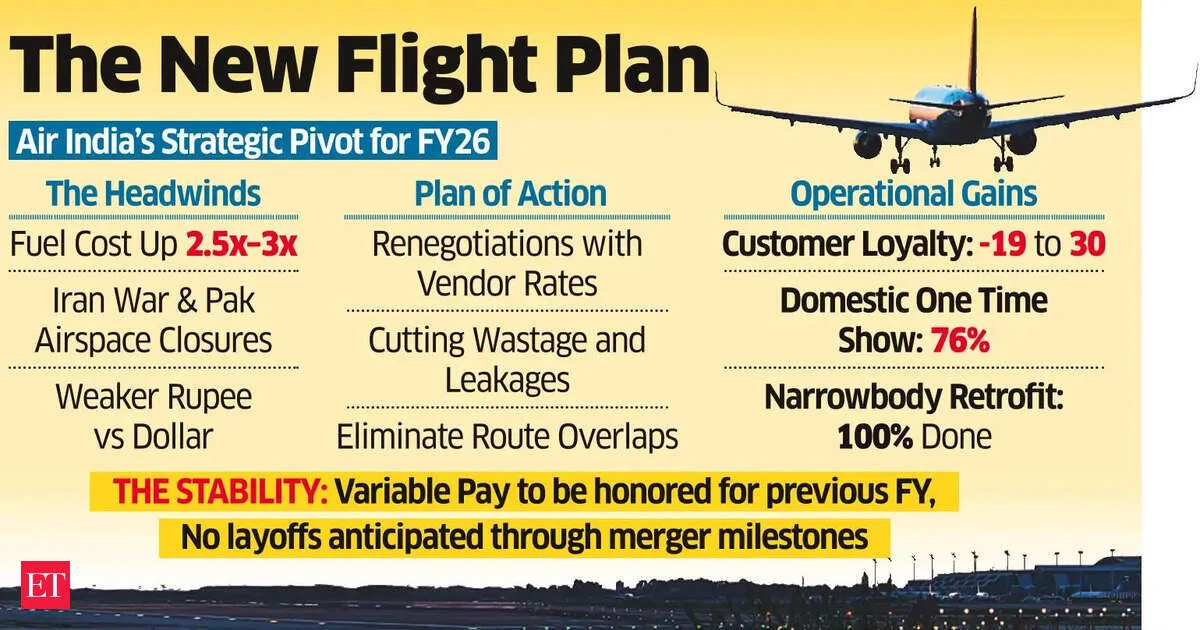
Air India is pressing pause on planned salary hikes as it responds to global headwinds and a more uncertain FY26 outlook. The airline is prioritising cost reduction after its expansion, while also optimising routes and improving on-time performance. Management says the savings are meant to protect service quality and ongoing improvements, even as staffing-related pay moves are delayed.
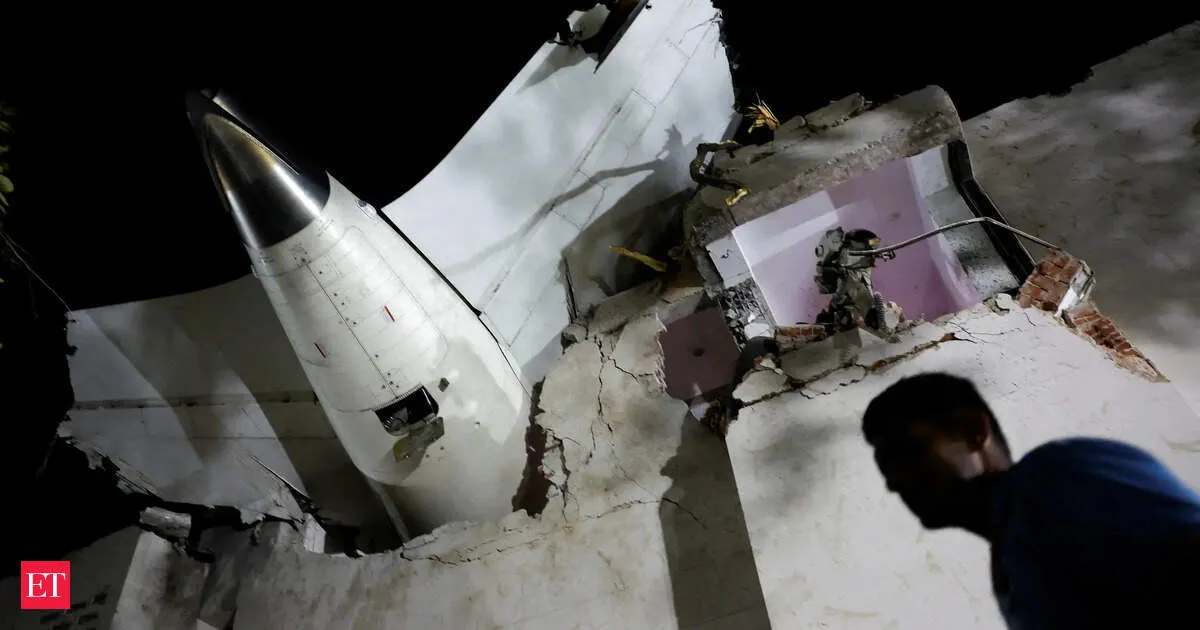
The investigation into last year’s fatal Air India Boeing Dreamliner crash, which killed 260 people, is now in its final stage. Civil Aviation Minister Ram Mohan Naidu said the final report is expected within the next month, sharing a timeline at an event in Gandhinagar. Authorities say the long-awaited findings are nearing completion.
Air India is weighing sweeping cost cuts as the Iran war strains aviation demand and finances. The airline is reportedly considering furloughs for nontechnical staff, reduced pay for senior executives, lower bonuses, and a sharp drop in capacity—cutting flights by more than 20% over the next three months.
Follow your favourite sources
Track sources, tags and categories — all in the Beige app.
Air India’s board met in New Delhi to review the airline’s financial position and accelerate cost-saving measures, with a new Chief Executive Officer selection also on the agenda. The airline’s operations are being disrupted and costs are rising due to the West Asia conflict. The meeting comes as Air India continues its broader transformation plan.
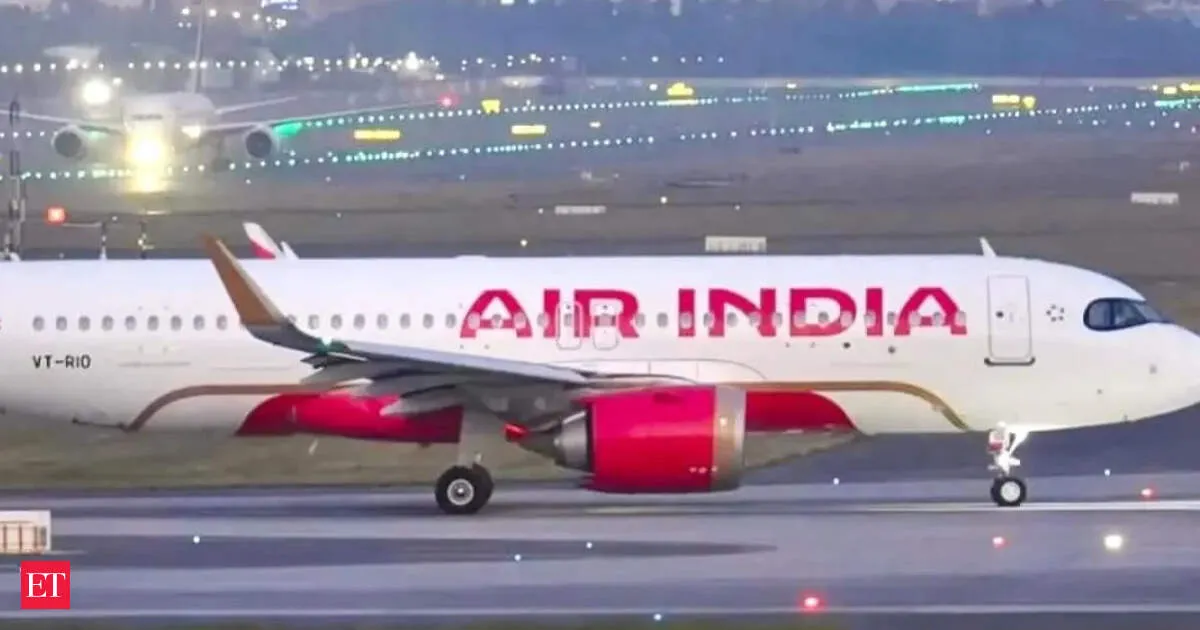
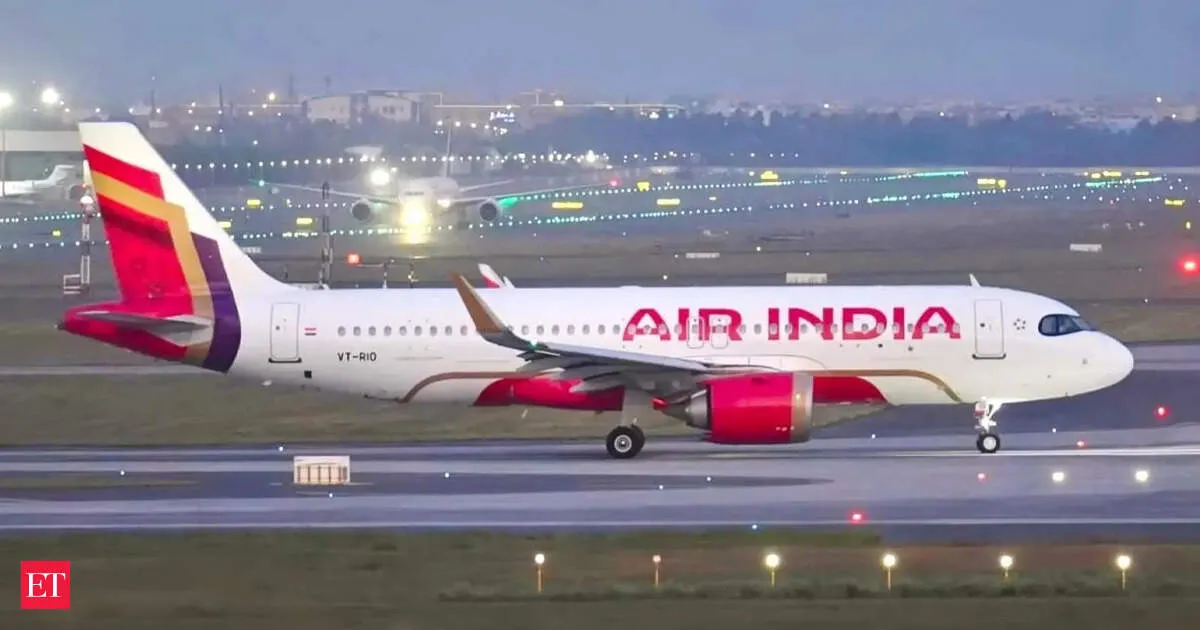
Air India has inaugurated a new five-times-weekly nonstop service between Delhi and Hanoi, landing in Vietnam’s capital for the first time. Operating on the A320neo across a three-class cabin, the route complements daily flights to Ho Chi Minh City and enables open-jaw itineraries, plus smoother connections between Europe, the UK, India, and Vietnam via Delhi.
Air India says it will trim international flight operations through June and July, citing a sharp rise in aviation turbine fuel (ATF) prices and airspace restrictions that make several routes unviable. CEO Campbell Wilson warned employees that lengthier itineraries and closures have already forced cuts in April and May. The airline’s group loss projection for FY ending March 2026 exceeds INR 22,000 crore.
Air India’s board will meet on May 7 to review cost-saving measures and likely move forward on selecting a new CEO. The airline is grappling with heavy losses amid rising jet fuel prices and risks tied to the West Asia conflict. Among proposed steps are unbundling meals and lounge access, while a CEO search is already underway.
Stay informed on the go
Bite-sized news from 100+ trusted sources, right in your pocket.
Air India has cut international flights until July, blaming a sharp jump in jet fuel prices and airspace restrictions. The airline’s CEO said rising costs are driving the changes, with domestic services also impacted though less severely. Air India has responded by raising fares and introducing fuel surcharges to offset expenses, drawing criticism from Congress over “gross mismanagement.”
Air India’s CEO says the airline will cut further flights as jet fuel prices soar and airspace constraints make several routes unviable, with international operations hit hardest. More schedule trimming is planned for June and July, alongside higher fares and fuel surcharges. Domestic services will also feel the pressure, while Air India pursues longer-term transformation.
Swipe through stories, personalise your feed, and save articles for later — all on the app.