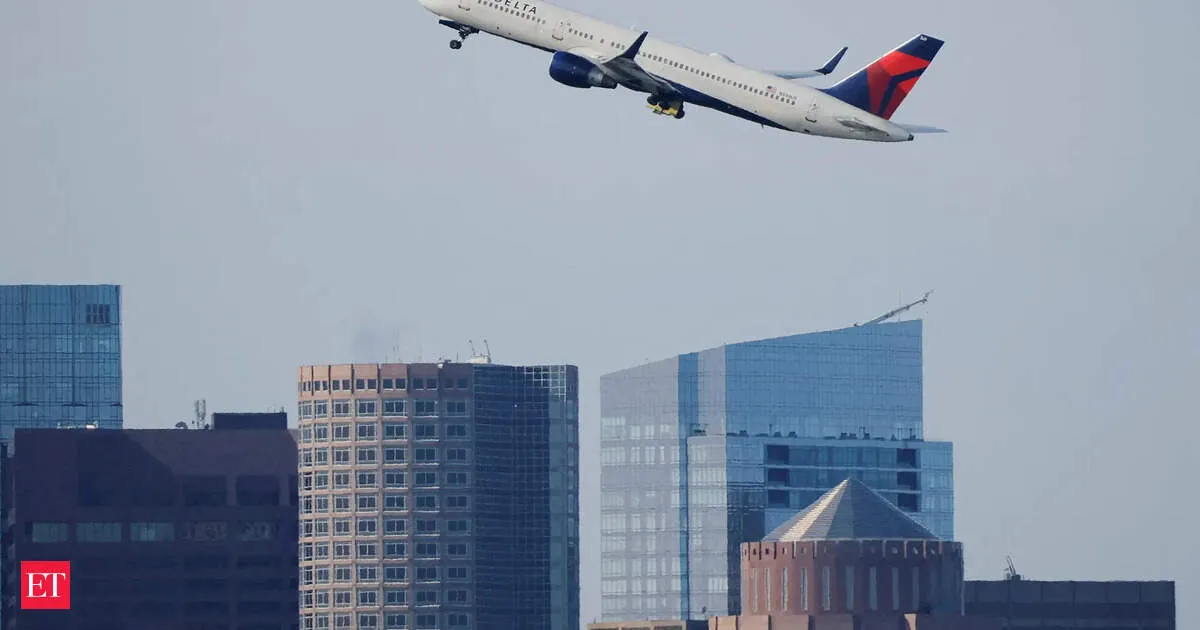
Maharashtra has reduced VAT on aviation turbine fuel to 7% from 18% for a limited period ending November 14, offering short-term relief to Indian airlines battling expensive jet fuel. The move targets a major cost driver, since fuel can make up 35–40% of airline spending. With Mumbai handling about 15% of air traffic, the cut should improve the airport’s competitiveness versus Delhi’s 25% VAT. Airlines now want broader tax reforms, including bringing ATF under GST.
Airlines report weak forward bookings and cautious growth plans as Indians reconsider overseas travel amid high airfares and a weaker rupee. The shift follows calls to postpone foreign holidays, yet large-scale cancellations have not hit operations hard. Instead, carriers and tourism stakeholders are redirecting attention toward boosting domestic travel, banking on its wider economic ripple effects.
Your news, in seconds
Get the Beige app — every story in 60 words, updated hourly. Free on iOS & Android.
Noida International Airport is set to begin Akasa Air operations on June 16, making it the second airline to use the new airport. Akasa will run daily flights connecting Noida with Bengaluru and Navi Mumbai, and it plans to set up a maintenance facility at the airport. IndiGo starts earlier on June 15.
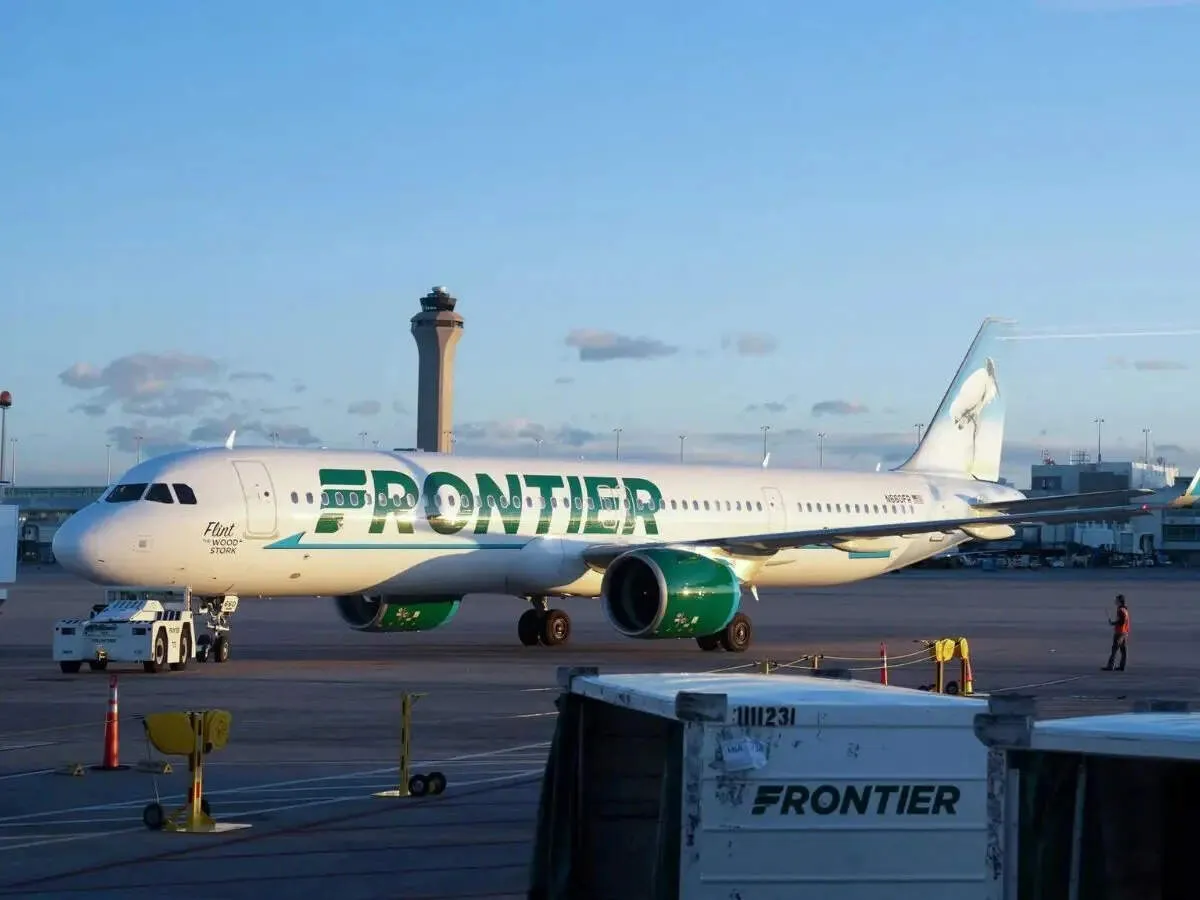
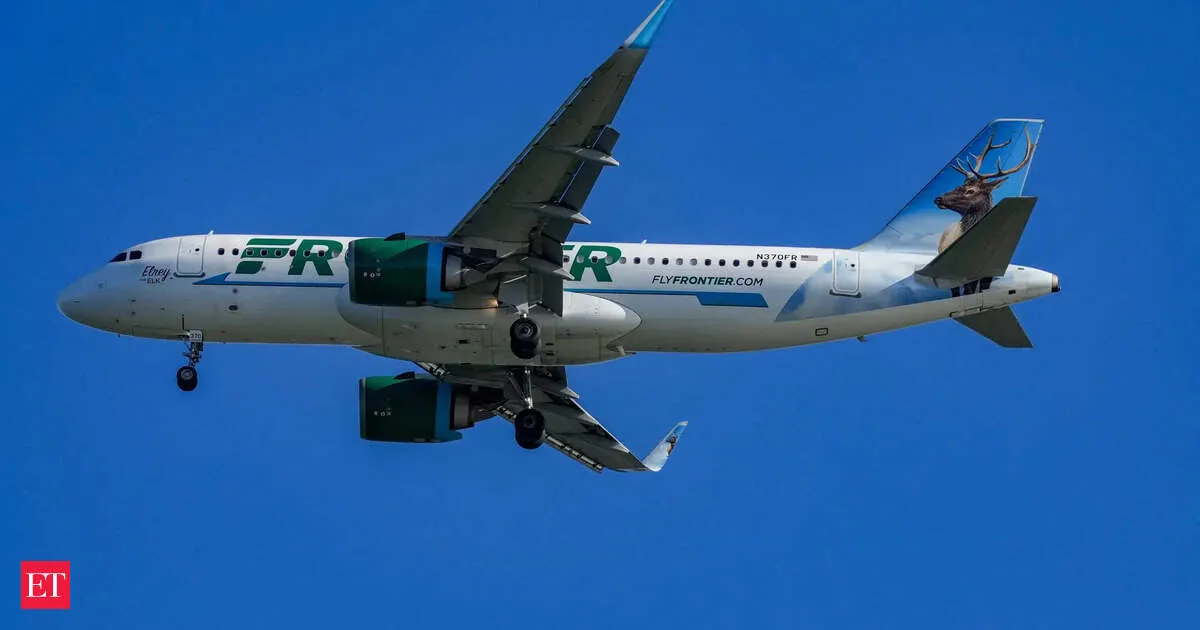
A Frontier Airlines flight aborting takeoff bound for Los Angeles faced an engine fire late Friday at Denver International Airport, alongside a reported runway pedestrian strike. The fire was put out quickly, and all 231 passengers and crew evacuated safely. Aviation authorities are now investigating both the cause of the incident and the circumstances of the reported hit.
France’s transport minister says major flight cancellations are unlikely this summer even as Europe faces jet fuel shortage risks. Philippe Tabarot says airlines are reluctant to disrupt peak travel weeks because revenues are highest then, though some have cut capacity slightly. The government is also preparing aid, while European authorities push for solutions to avoid broader aviation disruption tied to Middle East fuel imports.
The EU says the war’s hit to Europe’s tourism sector has been limited so far, as airlines rely on hedges to buffer costs. But the situation is shifting: jet fuel prices have jumped nearly 84% since the Feb 28 US Iran war began. Airlines caution that aircraft or fuel supply shortages could surface within weeks, threatening travel plans.
Never miss a story
Set alerts for the topics and sources you care about. Download Beige for free.
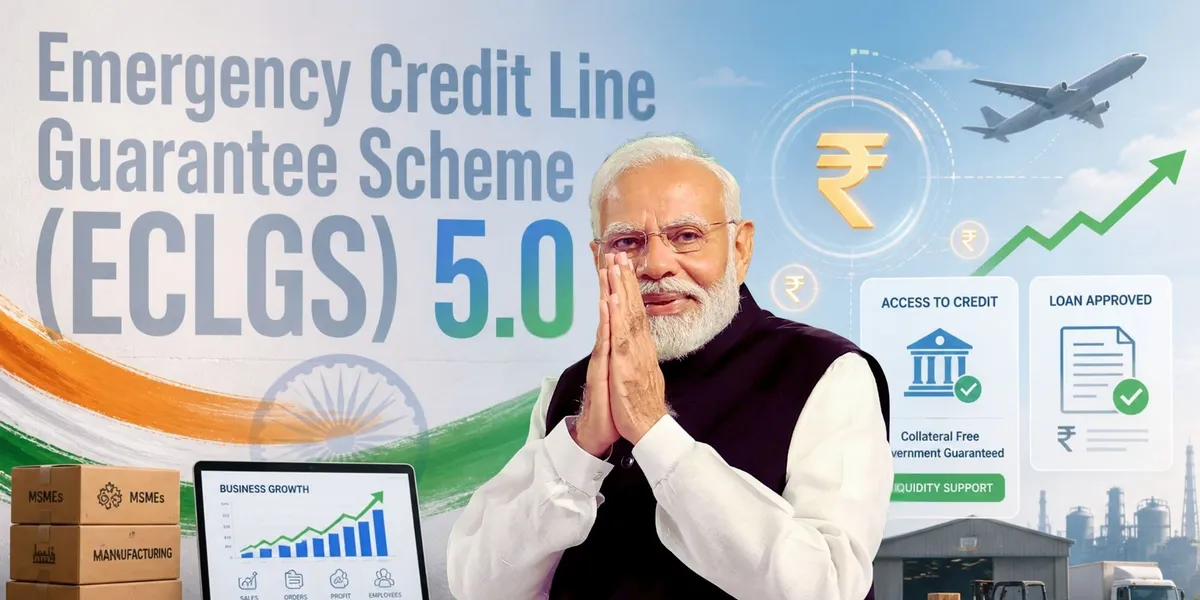
The government has launched ECLGS 5.0 to support MSMEs and the airline sector, providing extra credit of Rs 2.55 lakh crore. State Bank of India is expected to play a major role, with Chairman CS Setty indicating SBI could contribute roughly Rs 70,000 crore to Rs 80,000 crore, aiming to accelerate recovery and sustained lending.
France plans financial support for airlines battered by sharply higher jet fuel prices, Transport Minister Philippe Tabarot said. Talks with airlines included options such as deferring social security payments and extending tax deadlines. The move follows warnings from European carriers that jet fuel shortages could emerge this summer amid escalating tensions related to the Iran war.
The government has announced an additional ₹2.55 lakh crore credit support under ECLGS 5.0, targeting small businesses and airlines. The measure is intended to cushion the economy from the shockwaves of turmoil in West Asia by ensuring credit reaches eligible borrowers quickly, helping firms keep operations running and funding flowing during uncertainty.
The Centre has cleared an emergency credit line of Rs 5,000 crore for airlines as ATF prices surge amid the Middle East crisis. The move targets financial stress caused by higher fuel costs and related operational pressures, providing temporary relief while airlines manage the impact of volatile energy pricing and airspace changes.
Reading on mobile?
Open Beige in the app for a smoother experience — free on iOS and Android.
The Union Cabinet has approved ECLGS 5.0, a new Emergency Credit Line Guarantee Scheme aimed at easing credit access for MSMEs and airlines hit by disruptions tied to the West Asia crisis. The government expects up to Rs 2.55 lakh crore in credit support, including Rs 5,000 crore for airlines, backed by guarantees, capped lending rates, and extended repayment timelines.
The Cabinet has approved ECLGS 5.0, an Emergency Credit Line Guarantee Scheme aimed at shielding airlines and MSMEs from mounting economic strain amid Gulf war-related uncertainty. The package is set to unlock significant additional credit. In parallel, the government has also cleared plans for two semiconductor units, railway infrastructure, and a ship repair facility to spur industrial capacity and jobs.
The Union Cabinet has cleared Emergency Credit Line Guarantee Scheme 5.0 to help businesses hit by liquidity stress during the West Asia crisis. The plan provides credit guarantee coverage for both MSMEs and non-MSMEs, with direct support for the airline sector. The government says the move will help maintain operations, protect jobs, and keep domestic production running despite global disruptions.
Global airlines are responding to a jet fuel cost spike and worsening supply worries tied to the Iran conflict. Carriers are removing large numbers of seats from schedules and adjusting routes disrupted by pricing pressure. For travellers, that means fewer flight options and higher ticket costs as airlines scramble to manage the new cost reality.
Follow your favourite sources
Track sources, tags and categories — all in the Beige app.
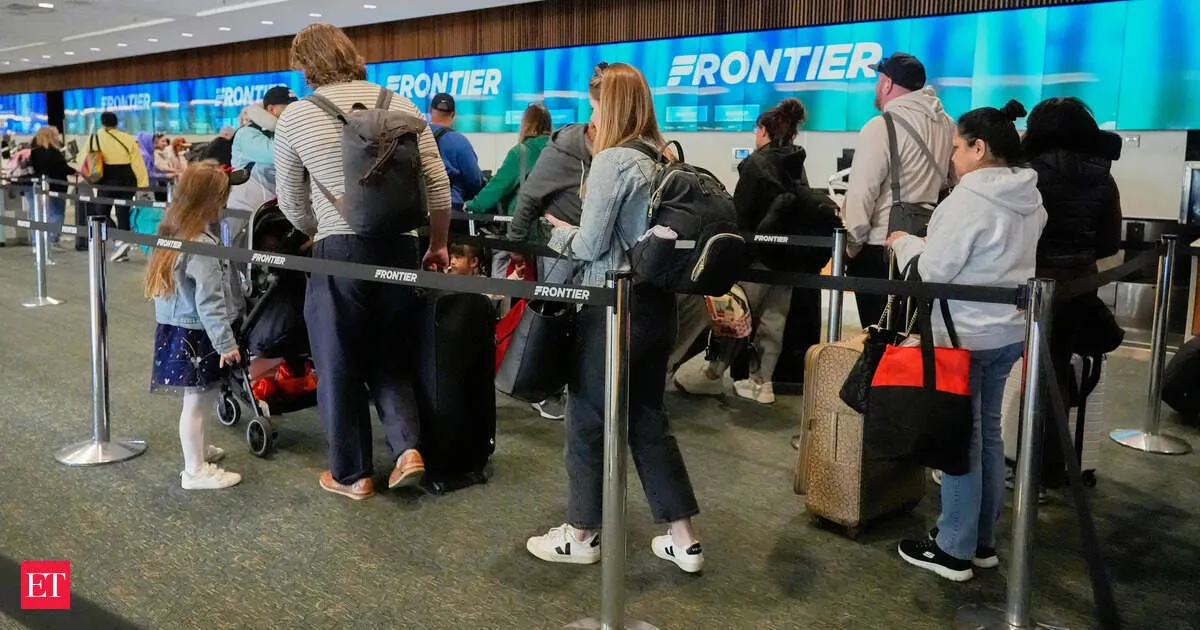
After Spirit Airlines shut down abruptly, Frontier is stepping in with discounted “rescue fares” for affected passengers, cutting base fares by up to 50 percent. The airline is also offering a $199 GoWild Summer Pass and expanding its network to cover many of Spirit’s former routes, aiming to restore affordable options for stranded travelers.
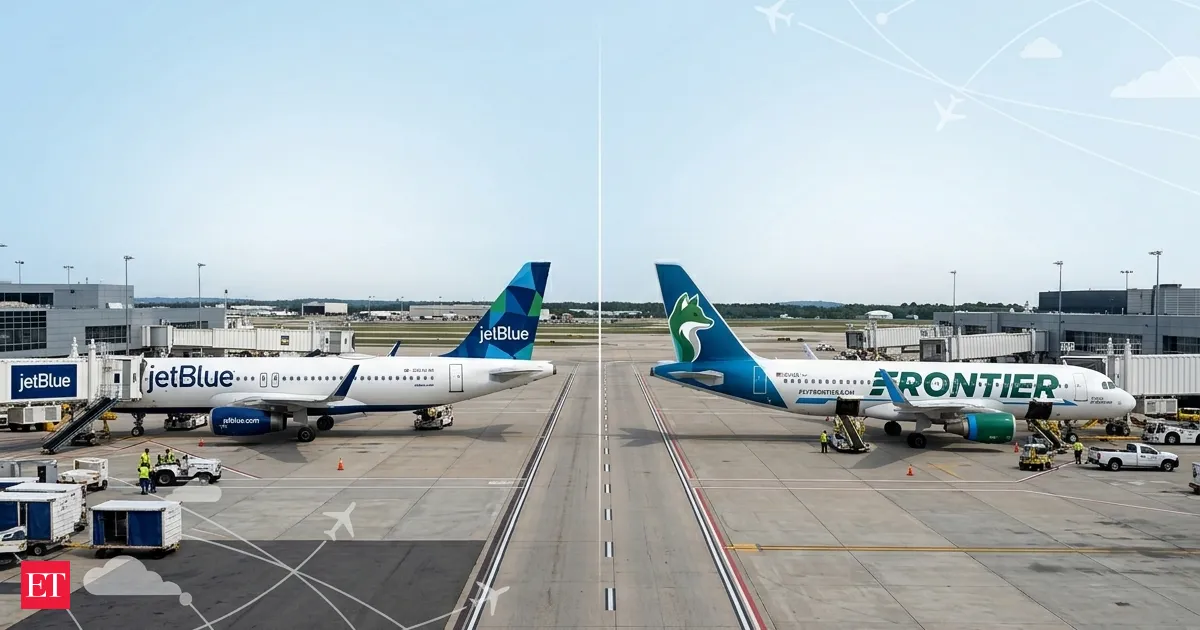
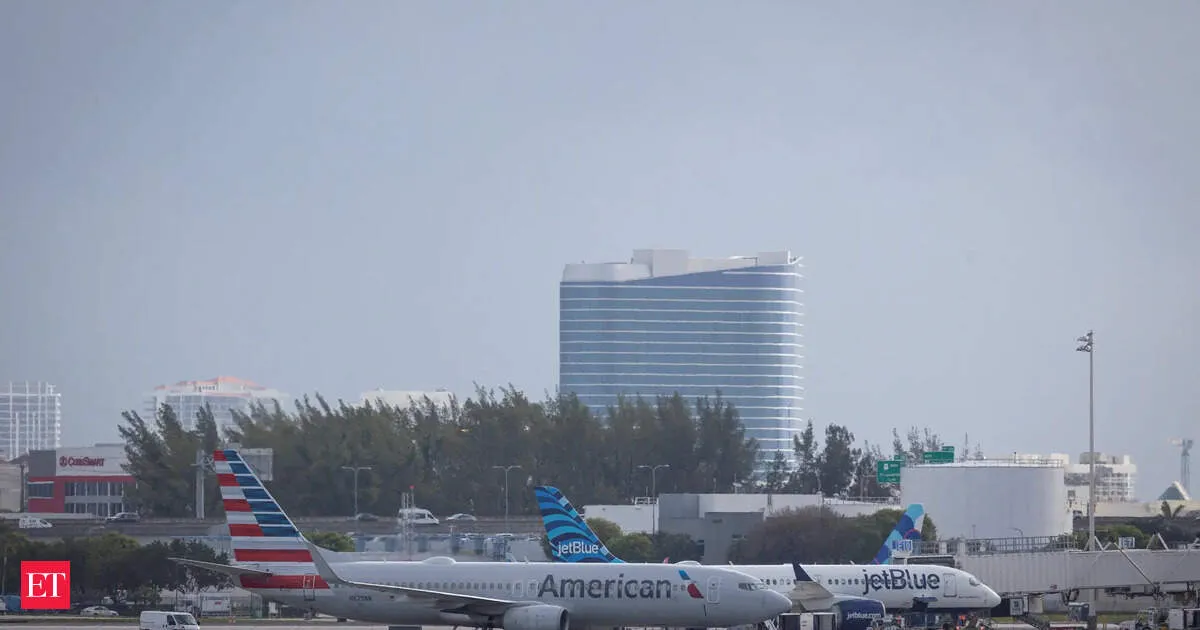
JetBlue and Frontier shares rose in premarket trading after Spirit Airlines stopped operations. Investors believe the change could funnel passengers and routes toward both carriers while boosting pricing power. With Spirit out of the picture, fare competition may soften in leisure markets such as Florida, potentially reshaping demand and pricing across the US airline industry after the 34-year run ends.
An Air Arabia flight from Sharjah was grounded at Chennai International Airport after a passenger opened an emergency exit while the aircraft was taxiing. The pilot stopped the plane and alerted authorities. CISF personnel rushed in and arrested the passenger, who is now being questioned. Officials are also assessing his mental state as investigations continue.
After Spirit Airlines ceased operations, JetBlue is moving to help stranded travelers with $99 rescue fares. The airline says it will cap fares and expand capacity, adding more flights from Fort Lauderdale and San Juan. JetBlue also plans new destinations to preserve regional connectivity and keep travel costs down for affected passengers.
Stay informed on the go
Bite-sized news from 100+ trusted sources, right in your pocket.
American Airlines is stepping in after Spirit Airlines’ sudden shutdown, offering faster options to stranded passengers. The carrier is rolling out cheaper “rescue” fares and adding extra flights on covered routes to reduce disruption. American Airlines is also supporting stranded Spirit staff, including job offers, aiming to stabilize travel and help both passengers and employees get back on track.
Frontier Airlines announced systemwide ticket discounts and plans to add new summer routes, betting on fresh demand as Spirit Airlines moves to shut down. The news helped lift Frontier’s stock performance, highlighting how one carrier’s exit can quickly reshape pricing and route plans across the airline market.
Swipe through stories, personalise your feed, and save articles for later — all on the app.