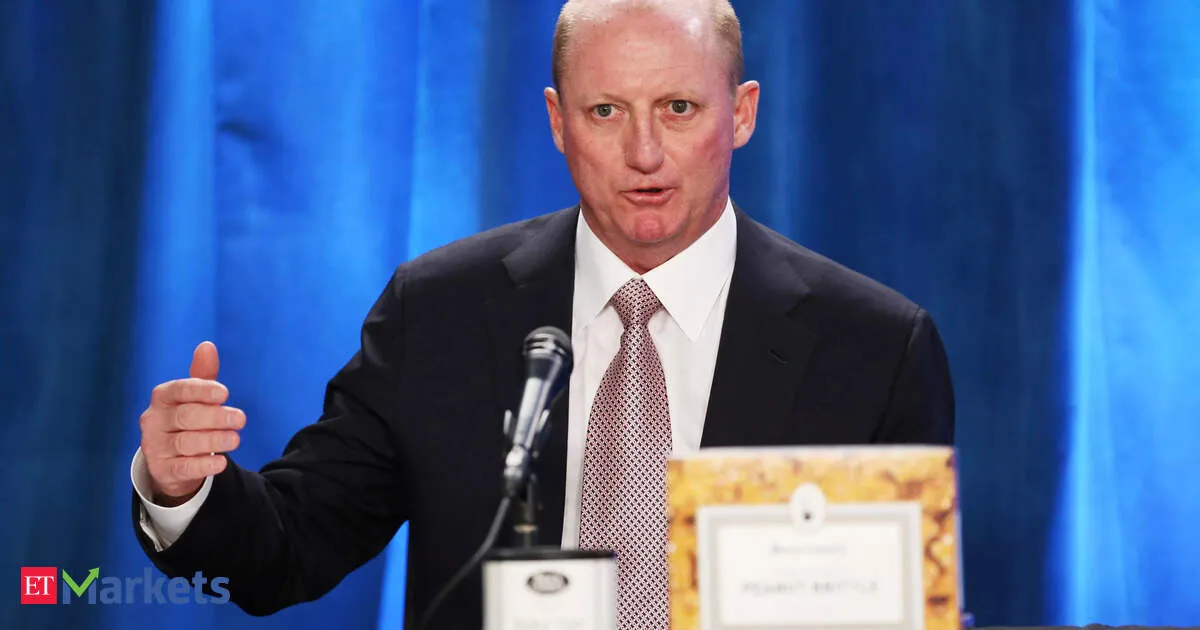
Berkshire Hathaway’s new CEO Greg Abel has rapidly reshaped the conglomerate’s portfolio, boosting tech and airline exposure after years of Warren Buffett’s cautious approach. In the first quarter, Berkshire more than tripled its stake in Alphabet and bought over $2.6 billion in Delta Air Lines shares. The shift followed the departure of Todd Combs and included trimming or exiting positions such as Visa, Mastercard, Domino’s, Amazon, and UnitedHealth. Buffett publicly endorsed Abel at a recent meeting.
Alphabet has launched its first yen-denominated bond sale, issuing 576.5 billion yen (about $3.6 billion), the largest such offering by any foreign company. The debt helps fund the company’s major AI investment push and broader efforts to diversify funding sources beyond prior euro, sterling, Canadian dollar, and Swiss franc issues. Underwriters say demand was strong domestically and internationally, surpassing Berkshire Hathaway’s 2019 yen record. Bonds are set to mature from 3 to 40 years, with coupons ranging 1.965% to 4.599%.
Your news, in seconds
Get the Beige app — every story in 60 words, updated hourly. Free on iOS & Android.
Alphabet’s AI drug discovery venture, Isomorphic Labs, is reportedly close to raising over $2 billion in a round led by Thrive Capital. The fresh capital would strengthen its drug design engine and support rapid global expansion, highlighting how Alphabet is doubling down on high-stakes AI bets beyond search and ads.
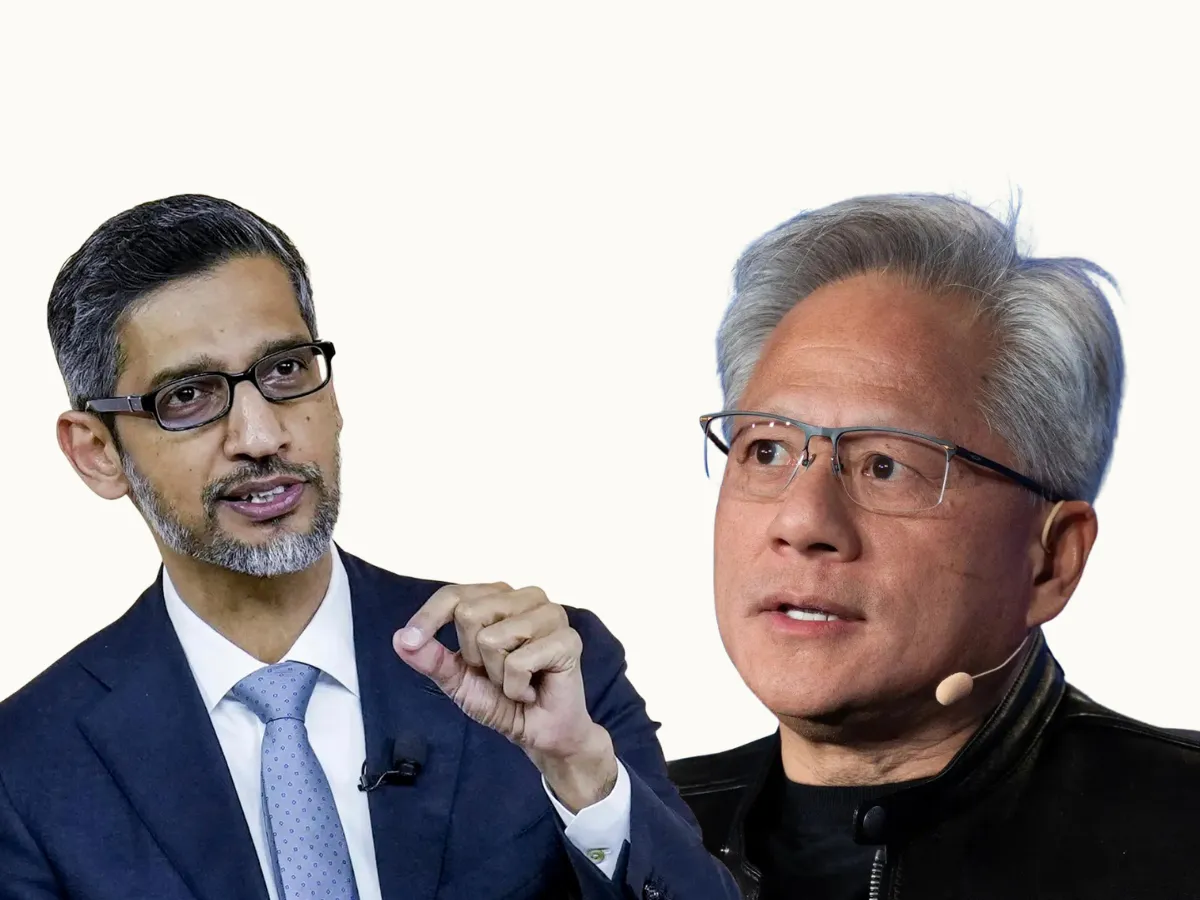
Alphabet is rapidly closing the gap with Nvidia as investors increasingly see the Google parent as the next global tech giant. Its AI strength spans search, cloud services, and internally built models, creating growth momentum even as the market values diversification. That broader footprint is positioning Alphabet to challenge Nvidia’s current dominance in AI-driven valuation.
Alphabet is preparing a debut bond sale in yen, while Amazon is exploring an initial offering in Swiss francs. Both moves underscore how the global scramble for AI leadership is driving companies to pull funding from overseas debt markets, using loans to manage the soaring costs of building and scaling AI infrastructure. Investors will watch how currency choices affect risk and returns.
Alphabet is considering its first-ever yen bond sale, aiming to raise capital for its expanding artificial intelligence ecosystem. The move highlights how Big Tech is increasingly turning to global debt markets to fund data, compute, and AI development—once dominated by equity and internal cash flows. Market attention will center on timing, size, and investor appetite for yen issuance.
Never miss a story
Set alerts for the topics and sources you care about. Download Beige for free.
Alphabet’s AI drug discovery startup Isomorphic Labs is reportedly close to raising more than $2 billion in new funding led by Thrive Capital. The fresh cash is set to expand its AI drug design engine and support global growth, reinforcing Alphabet’s push to commercialize advanced AI technology beyond research labs.
Alphabet is closing in on Nvidia as the world’s most valuable company, driven by rapid growth in its cloud and AI businesses. Now, the threat looks bigger: Alphabet is developing its own AI chips that could challenge Nvidia’s dominance in the data center. With Big Tech racing to build AI infrastructure, investors are closely tracking who wins the next compute cycle.
Alphabet is closing the gap on Nvidia’s valuation after a sharp rally powered by AI momentum and a strong cloud business. The jump puts Google’s parent company in position to reclaim the No 1 spot, signaling growing investor confidence in its ongoing AI investments and the push toward custom chip development.
Alphabet’s latest quarter shows AI reshaping cloud: Google Cloud revenue jumped about 63% on surging enterprise demand, lifting overall revenue and profits. The company signals a bigger push on capital expenditure to expand AI infrastructure. Separately, energy engineering firm Kimbal Pvt Ltd secured a $22 million Series B led by GEF Capital Partners to scale smart grid and metering tech.
Reading on mobile?
Open Beige in the app for a smoother experience — free on iOS and Android.
Alphabet added about $420 billion to its market cap after a strong Q1 2026 earnings report and growing demand for AI services. The company is nearing a $4.4 trillion valuation and is roughly 6% away from overtaking Nvidia. Investors are now focused on whether revenue and profit growth can sustain momentum as AI demand expectations rise.
US markets finished higher as the S&P 500 and Nasdaq logged their strongest monthly gains in years. Investors looked past oil supply disruptions and ongoing geopolitical worries, focusing instead on upbeat corporate earnings and data pointing to continued healthy US growth. Industrials and technology led, with Alphabet’s cloud business posting a record quarter.
Meta’s quarterly earnings reaction appeared weaker as Alphabet, Amazon and Microsoft showed stronger AI momentum, according to reports from Wednesday’s results. While the broader tech group pushed AI across products and cloud, investors seemed to favor firms demonstrating faster execution and clearer AI impact, leaving Meta lagging in market confidence.
Alphabet’s cloud business is accelerating faster than Amazon and Microsoft, with Google’s AI tools increasingly driving demand. Meanwhile, Big Tech’s AI spending is set to exceed $700 billion this year, as companies race to build the infrastructure behind next-gen models. Investors are watching the link between AI investment and cloud growth closely.
Follow your favourite sources
Track sources, tags and categories — all in the Beige app.
Alphabet kicked off 2026 with an 81% jump in Q1 net profit to $62.6 billion as revenue rose 22% to $109.9 billion. Google Cloud grew 63% to $20 billion, driven by enterprise AI solutions and Gemini adoption. With compute “constrained,” Alphabet plans bigger investments and raised 2026 capex guidance to $180–$190 billion.
Alphabet’s results sparked a rally, pushing Google parent shares higher in extended trading. The company reported about $62.6 billion profit and nearly $110 billion revenue, driven by AI-focused spending, rising cloud demand, and partnership momentum. Still, investors are zeroing in on future costs, AI and cloud capacity constraints, and competitive pressure across the market.
Alphabet’s cloud unit delivered a major upside, with revenue jumping 63% to $20 billion and beating estimates as enterprises splurged on AI infrastructure. The company’s overall results also topped forecasts, aided by a near-doubling cloud backlog. Analysts point to Gemini momentum and Apple partnership as Alphabet pushes deeper into the AI race.
Investors managing over $1 trillion have asked Alphabet for a meeting, pressing for clearer safeguards on how its cloud and AI technologies are used by governments for surveillance. The group says intervention controls in high-risk contexts appear insufficient. Alphabet had previously opposed a shareholder resolution, arguing that existing disclosures and frameworks already address the concerns.
Stay informed on the go
Bite-sized news from 100+ trusted sources, right in your pocket.
Swipe through stories, personalise your feed, and save articles for later — all on the app.