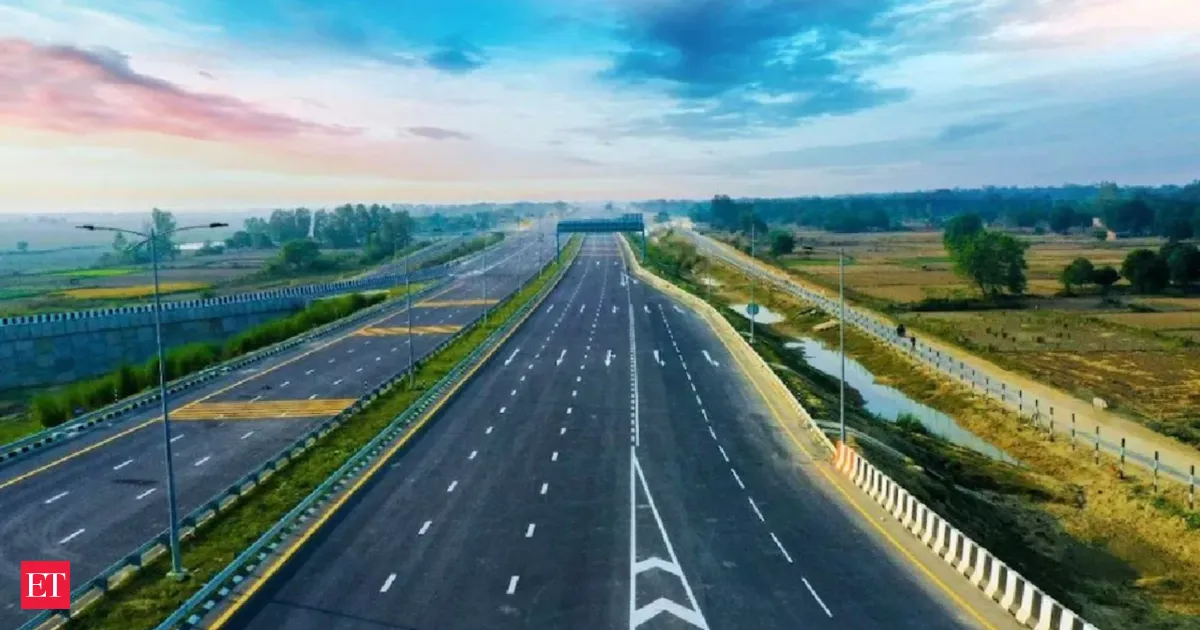
NHAI has settled two major arbitration cases tied to the Panipat Jalandhar stretch of NH 44. An arbitral tribunal awarded NHAI Rs 819.96 crore after disputes where concessionaires reportedly raised claims exceeding Rs 8,375 crore. The settlement marks a significant outcome for the highway project, narrowing a costly legal standoff between the authority and involved firms.
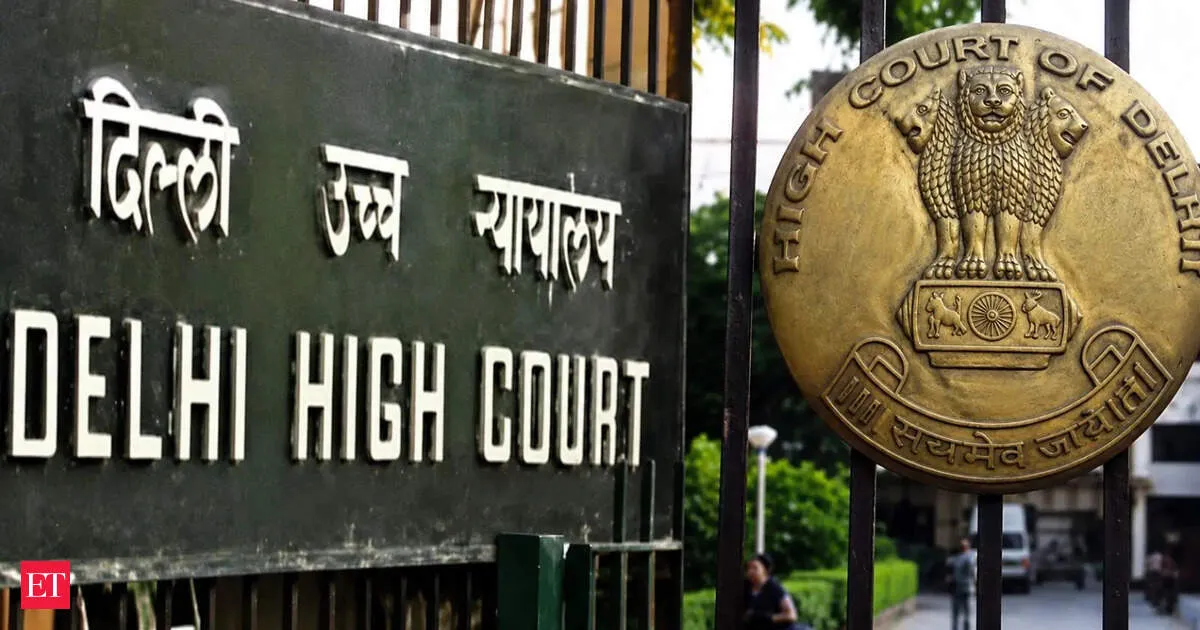
The Delhi High Court has referred a commercial dispute between JioStar India and Absolute Legends Sports to arbitration over media and commercial rights for the Legends League Cricket Masters T20. Pending the arbitrator’s decision, the court has protected key revenue streams tied to franchise fees and ticket sales to prevent immediate financial fallout.
Your news, in seconds
Get the Beige app — every story in 60 words, updated hourly. Free on iOS & Android.
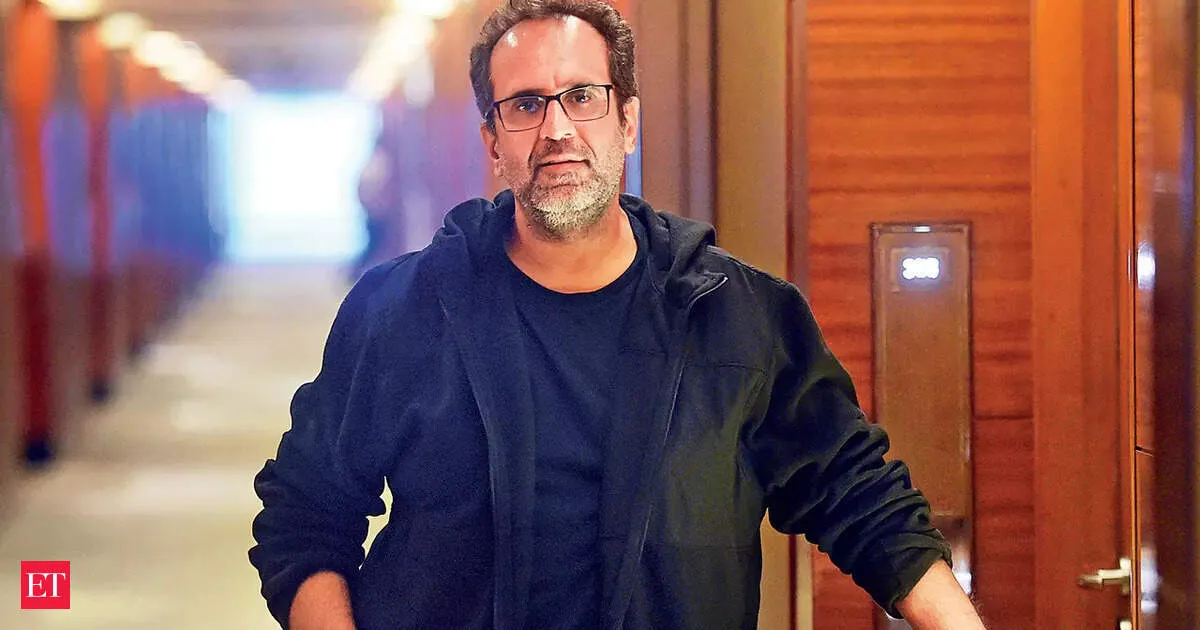
The NCLT has allowed filmmaker Aanand L Rai to proceed with arbitration in his dispute with Eros International Media. The tribunal rejected Eros’s attempt as a “dressed-up petition” meant to sidestep the arbitration clause both parties had agreed to. The matter will now move to arbitration, underscoring how strongly courts enforce contractual arbitration terms.
Amazon and Future Coupons Pvt Ltd have ended a long-running legal battle after a March 13 agreement. FCPL will pay more than ₹11 crore to settle the dispute, a little over 10% of the ₹105 crore arbitration award. Both sides will withdraw legal proceedings across forums and FCPL will also drop its appeal against the Singapore arbitration ruling.
The Bombay High Court has quashed a proposed Rs 1,524 crore GST demand against Tata Sons in the NTT Docomo arbitration payout case. The court ruled that payments made as an arbitral award do not amount to a taxable “supply of service”, rejecting the GST authority’s show cause notice and holding the levy unjustified.
Amazon and Future Coupons Pvt Ltd have ended a long-running dispute after a March 13 agreement. As part of the settlement, FCPL will pay more than ₹11 crore—over 10% of a ₹105 crore arbitration award—and both sides will withdraw legal proceedings across forums. FCPL will also drop its appeal against the Singapore arbitration ruling.
Never miss a story
Set alerts for the topics and sources you care about. Download Beige for free.
The government has issued an ordinance amending the Arbitration and Conciliation Act, 1996. A key change scraps the Act’s 8th Schedule, which previously laid out qualification requirements for accrediting arbitrators. The move shifts how arbitrator accreditation and compliance will be handled going forward, reshaping the legal framework that governs arbitration appointments and standards.
RICS has introduced a Dispute Resolution Service in India, aiming to make arbitration and other ADR pathways more accessible for resolving disagreements. The initiative comes through a collaboration with Indian Link Legal India Law Services. With ADR gaining ground as a quicker alternative to traditional litigation, RICS is positioning the new service to support efficient dispute settlement.
A US federal judge has rejected Binance’s bid to force crypto loss claims into arbitration. The court said customers can sue in regular court over alleged unregistered token sales, citing Binance’s failure to clearly notify users about terms changes that imposed arbitration and waived class-action rights. The ruling revives claims tied to seven tokens.
India’s Arbitration and Conciliation Act, 1996, was built around the UNCITRAL model to modernize arbitration and align with global best practices. The push now is to strengthen the alternative dispute resolution process so cases resolve more smoothly, attract international parties, and help India compete as a world hub for arbitration.
Reading on mobile?
Open Beige in the app for a smoother experience — free on iOS and Android.
Swipe through stories, personalise your feed, and save articles for later — all on the app.