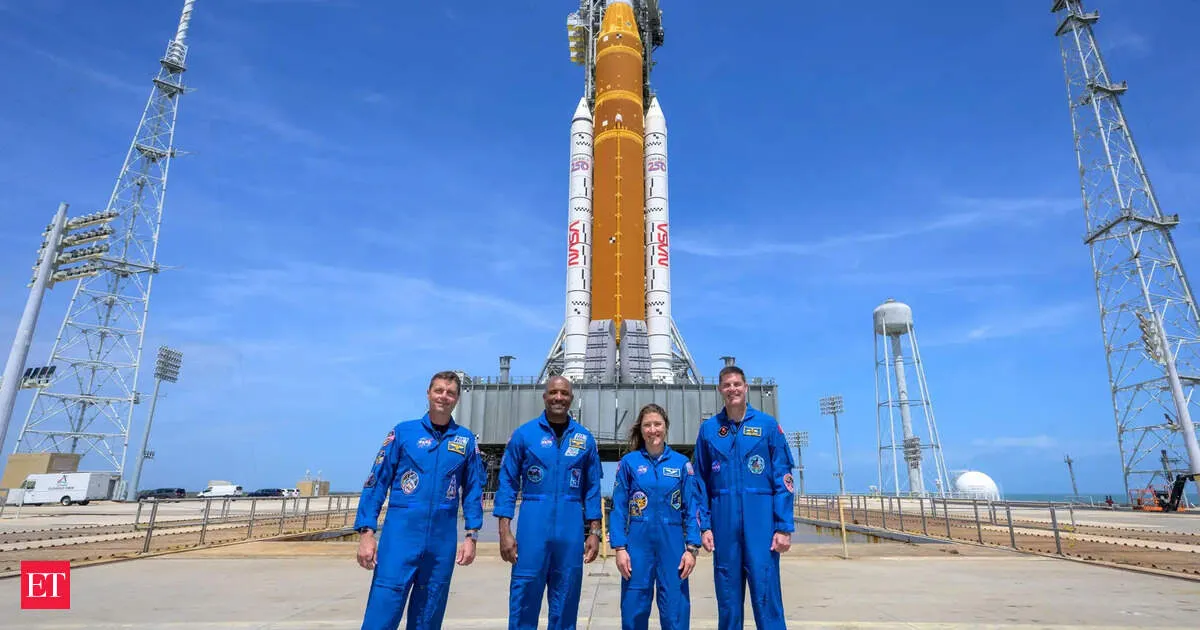
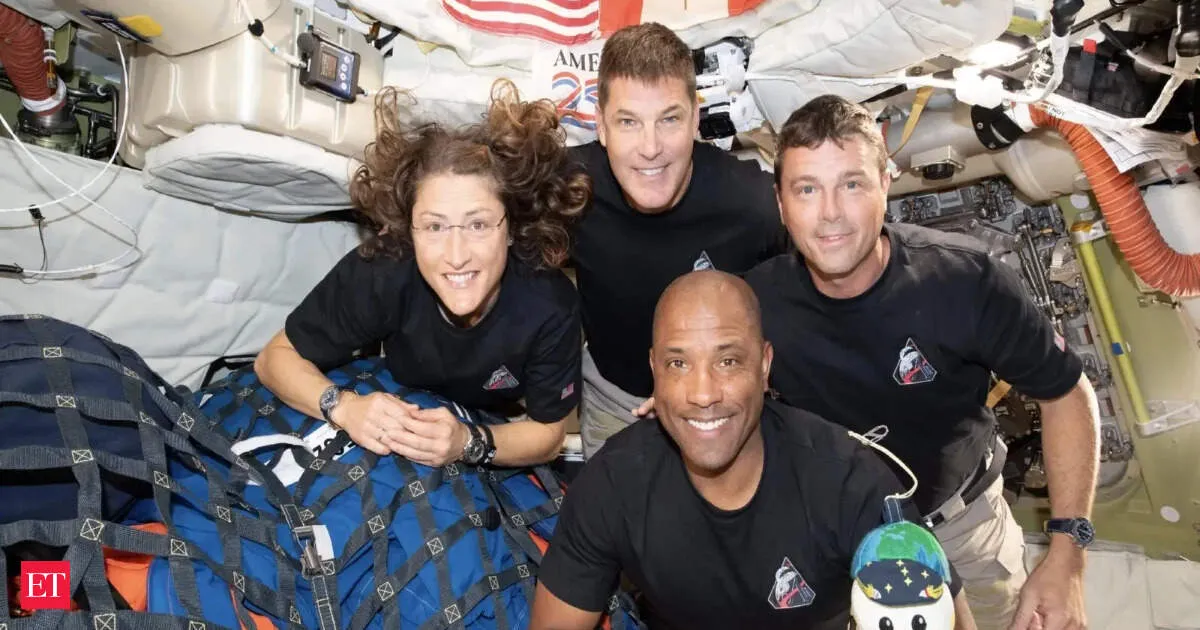
US President Trump signaled that NASA could attempt a Moon landing before his term ends while meeting the Artemis 2 crew. The comments blend political timing with the realities of deep-space engineering, with Trump also asking whether the office itself allows a president to go to space. The remark follows the crew’s historic mission milestones.
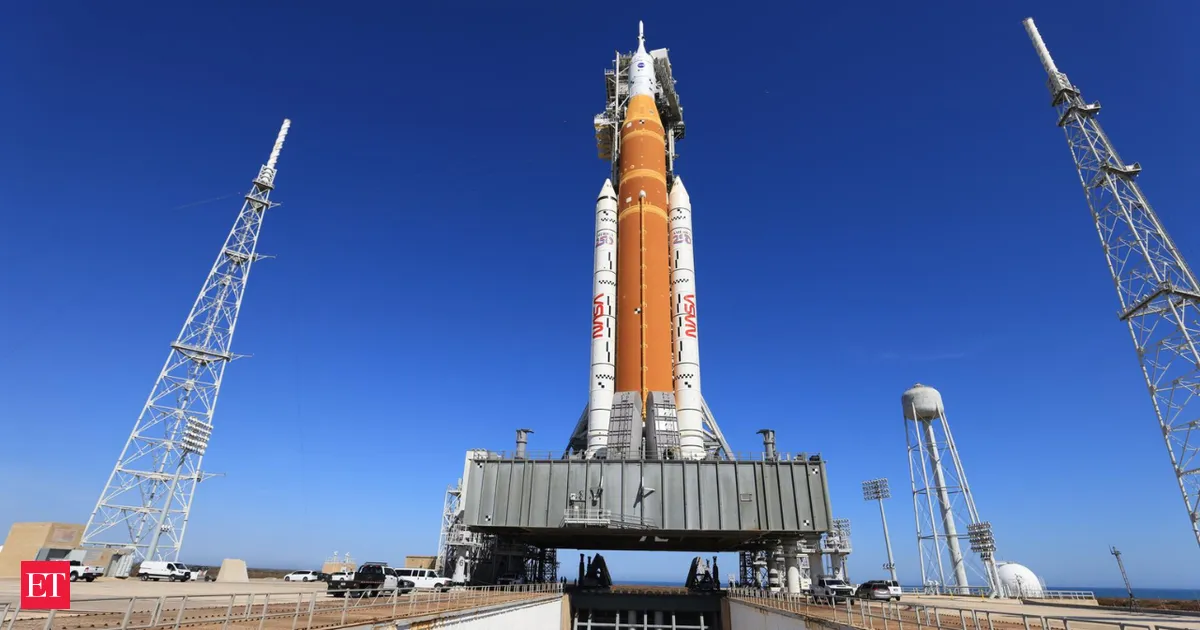
The Artemis II Orion capsule has returned to Florida after completing a historic crewed lunar mission, and NASA says its heat shield is performing even better than it did during Artemis I. At the same time, Artemis III progress continues: the SLS rocket’s core stage and boosters have arrived, with a 2027 launch planned to test key lunar landing technologies.
Your news, in seconds
Get the Beige app — every story in 60 words, updated hourly. Free on iOS & Android.
NASA has cleared its Artemis moon rocket for an April launch, setting up humanity’s first lunar trip in more than 50 years. Artemis II was delayed after fuel leak and helium system issues. Now, incoming administrator Jared Isaacman is overhauling the program and moving the moon landing goal to Artemis IV to target 2028.
NASA’s Artemis II mission faced an unexpected but urgent challenge: problems with the waste management system. Astronauts reported a pump issue and suspected ice blocking a vent, a potential threat to routine use. Mission control guided troubleshooting, and the crew used solar warming to melt the ice. The toilet was later cleared as fully operational for all uses.
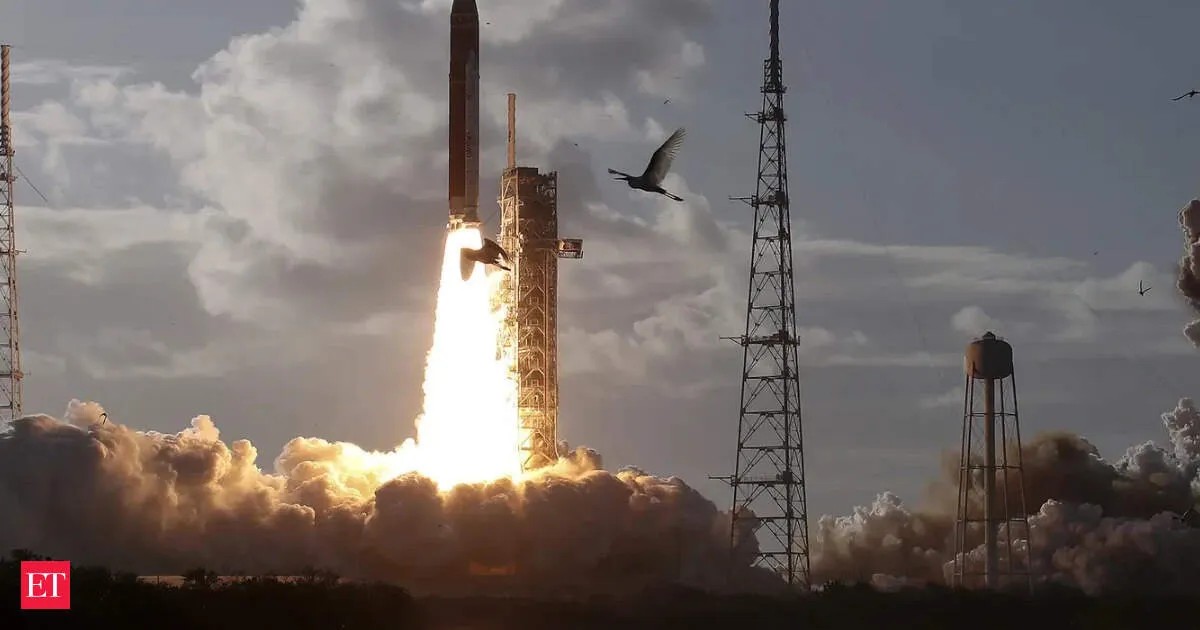
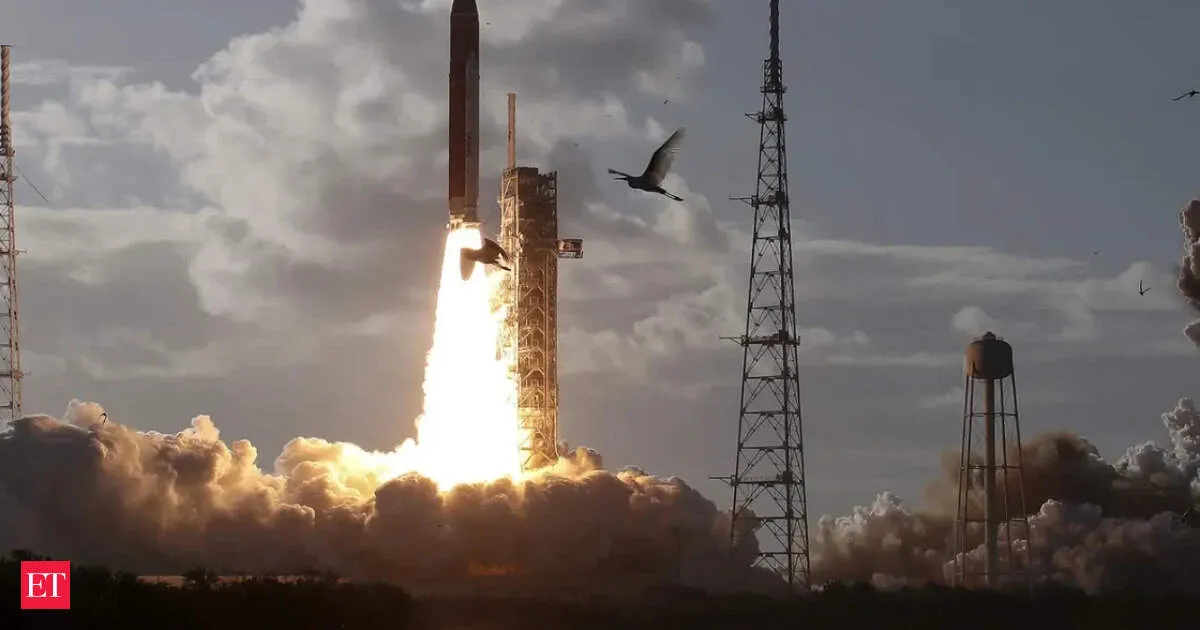
NASA has launched the Artemis II mission with four astronauts on a 10-day journey around the moon. The flight is designed to validate key spacecraft systems needed for future lunar landings and help NASA execute its long-term plan to return humans to the lunar surface. The push also carries geopolitical pressure as the US aims to stay ahead of China’s planned crewed mission.
Artemis astronauts on a Moon flyby will rely on their eyes as a primary scientific instrument, trained like field observers rather than just technology operators. Building on Apollo’s legacy, they’ll examine lunar sites and phenomena, focusing on subtle color variations to infer composition and history. Mission reports are expected to deliver unusually detailed human descriptions of the lunar surface.
Never miss a story
Set alerts for the topics and sources you care about. Download Beige for free.
Artemis II astronauts are back on Earth after a safe, record-setting splashdown in the Pacific following a historic lunar mission. The crew pushed distances far beyond previous missions and delivered fresh, unprecedented views of the Moon’s far side. NASA now moves closer to future lunar landings and a sustainable base, with the diverse crew already becoming a global inspiration.
Artemis II astronauts have returned home to a hero’s welcome at NASA’s Johnson Space Center after a historic deep space mission. The crew traveled farther than earlier moon missions, bringing back fresh views of the lunar far side. Their successful return marks a key milestone toward renewed lunar exploration and future human missions beyond Earth.
Artemis astronauts have reached the final phase before the lunar loop, marking a critical shift in forces. NASA says the Moon’s gravity is now pulling more strongly on the spacecraft than Earth’s, a tipping point in the trajectory. The agency is set to livestream the mission as the run-up progresses toward the lunar slingshot and next major maneuver.
NASA’s Artemis Moon mission is delivering a major milestone—the first lunar step in decades—despite a tough backdrop of budget cuts and workforce reductions. The crew credits extensive ground support for making the mission possible, turning the achievement into a morale boost for a space program pressed by constraints. Artemis now signals a new chapter for lunar exploration.
Reading on mobile?
Open Beige in the app for a smoother experience — free on iOS and Android.
NASA’s Artemis II astronauts have moved into the Moon’s gravitational reach as their mission approaches a record-breaking Earth distance. On the dark-side approach, they’re set for stunning visuals: a lunar eclipse alongside the dramatic sight of Earth rising above the lunar horizon—turning the deep-space journey into a rare celestial event.
NASA says the four Artemis astronauts have reached the halfway point to the Moon. Their Orion spacecraft continues on course toward a planned lunar flyby, now more than 219,000 kilometres from Earth. The agency confirmed the milestone late Friday, marking another step in the Artemis lunar exploration program as the mission maintains its trajectory.
NASA’s Artemis II mission sets off with four astronauts for a lunar flyaround beyond the moon, marking a critical step toward a sustained lunar presence. The journey also spotlights groundbreaking representation, featuring the first woman, the first person of color, and the first non-American to travel to the moon—turning a space milestone into a global moment.
Artemis II has completed its lunar journey, delivering unprecedented views and setting new distance records. NASA’s focus now shifts to Artemis III, where astronauts will practice lunar lander docking—an essential rehearsal before committing to a landing. The agency is targeting a moon landing in 2028, with attention on the moon’s south polar region for potential resources.
Follow your favourite sources
Track sources, tags and categories — all in the Beige app.
Swipe through stories, personalise your feed, and save articles for later — all on the app.