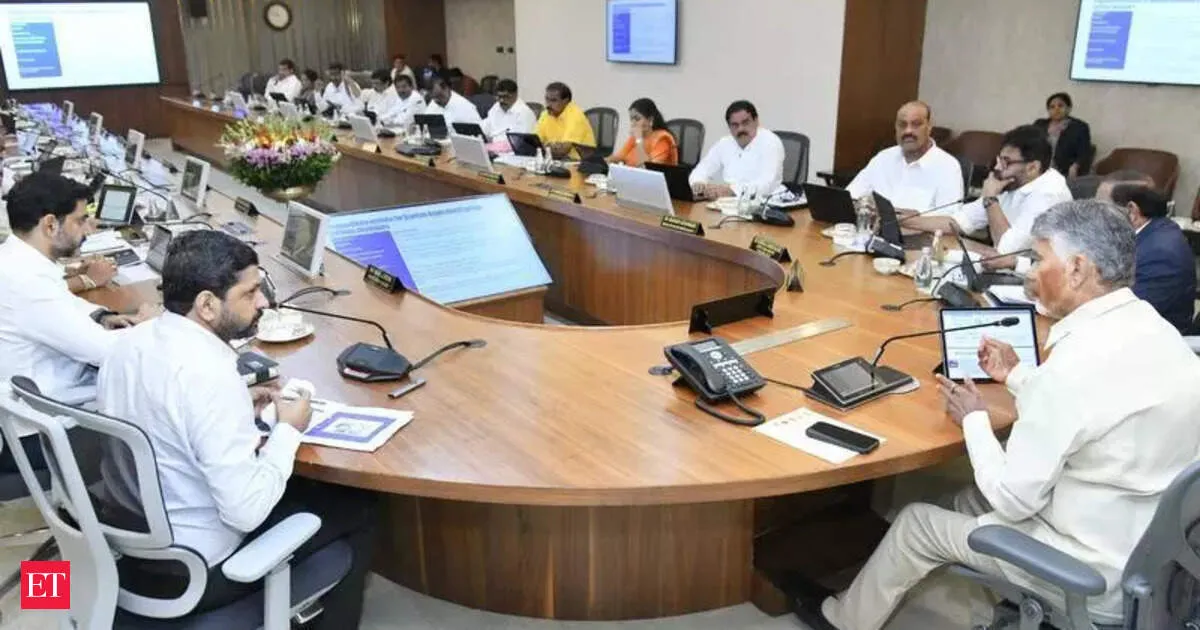
The Andhra Pradesh cabinet has recommended a package of austerity steps meant to reduce the economic fallout of a war. Proposed measures include a No Vehicle Day, shifting classes online, cutting special flights, and deferring gold purchases. Chief Minister N Chandrababu Naidu asked citizens to adopt a “My Country, My Responsibility” approach to ease strain on energy demand and foreign exchange reserves.
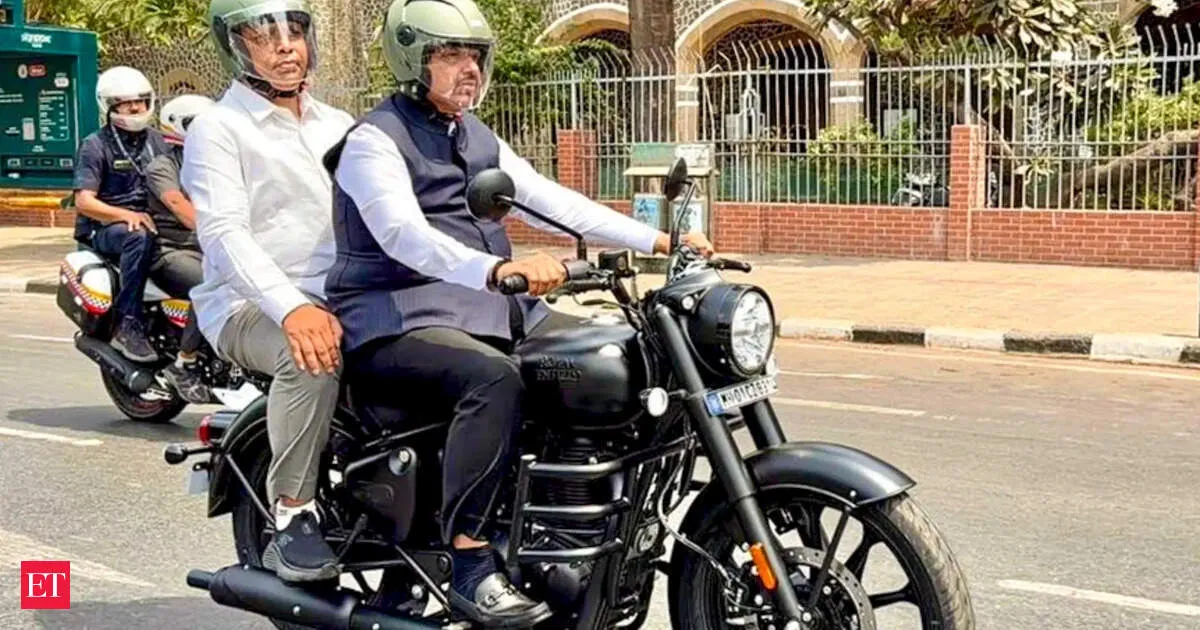
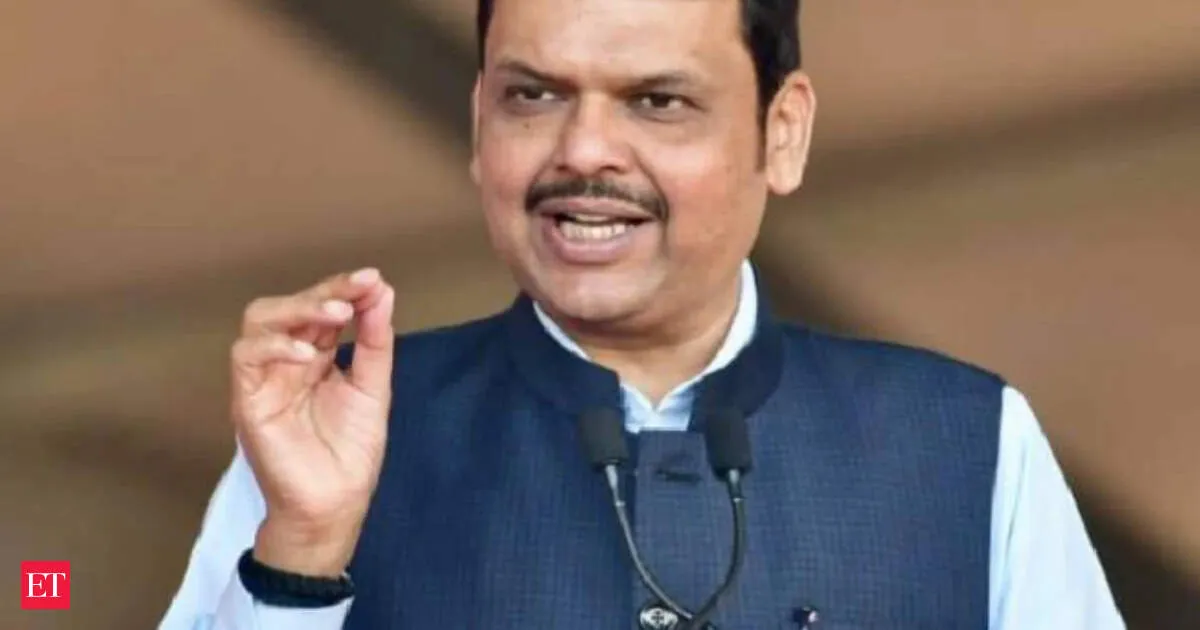
Maharashtra Chief Minister Devendra Fadnavis arrived at Vidhan Bhavan on a motorcycle as part of new austerity steps to cut fuel consumption. The move follows Prime Minister Narendra Modi’s call for fuel conservation. The state government is also reviewing official vehicle usage, with reports of canceled foreign tours, while minister Nitesh Rane walked to Mantralaya.
Your news, in seconds
Get the Beige app — every story in 60 words, updated hourly. Free on iOS & Android.
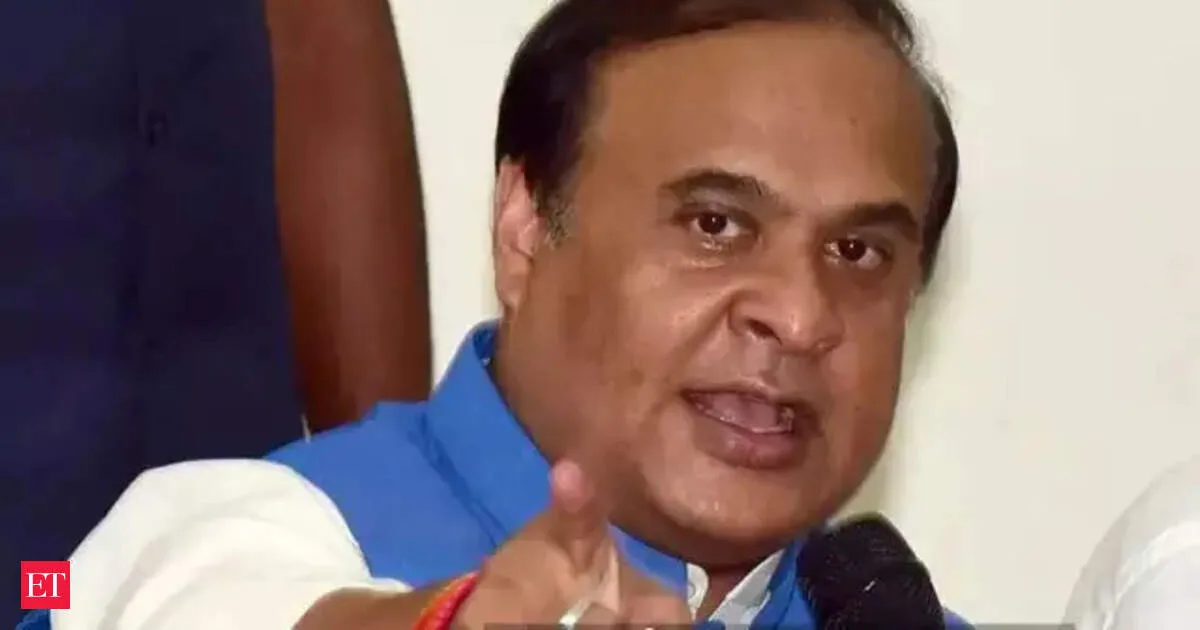
Assam’s new cabinet has approved a Uniform Civil Code bill to be tabled in the Assembly on May 26. Alongside the legislative push, the government is tightening finances: officials face a six-month freeze on new vehicles and foreign travel, while fuel consumption will be cut by 20 percent. The administration also plans to create two lakh government jobs over five years.
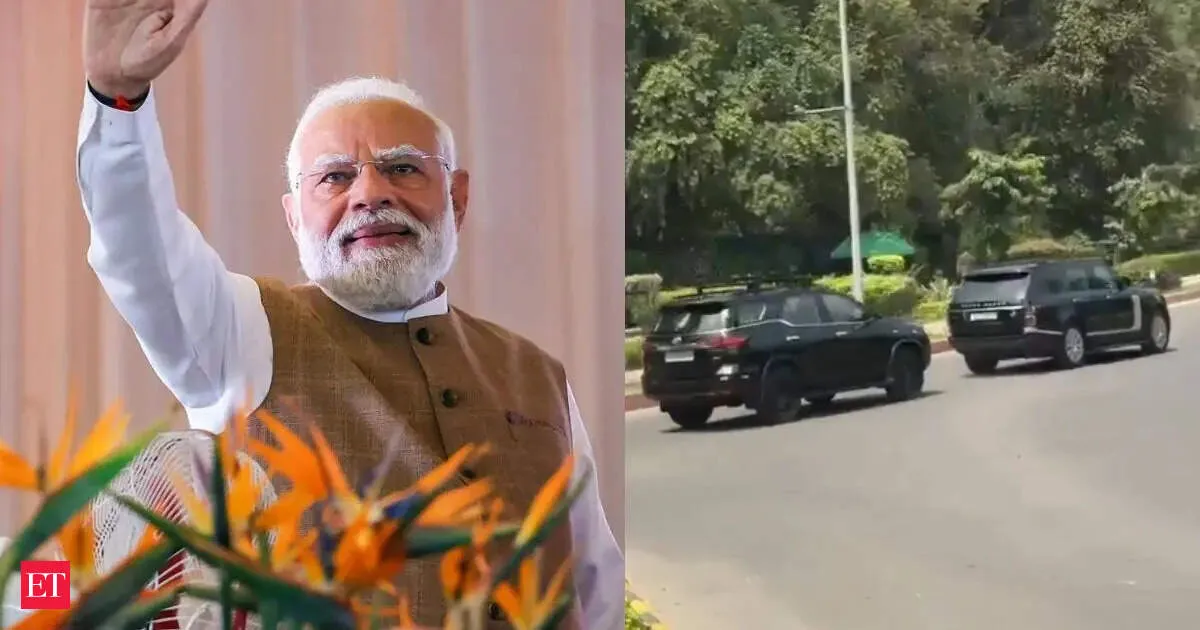
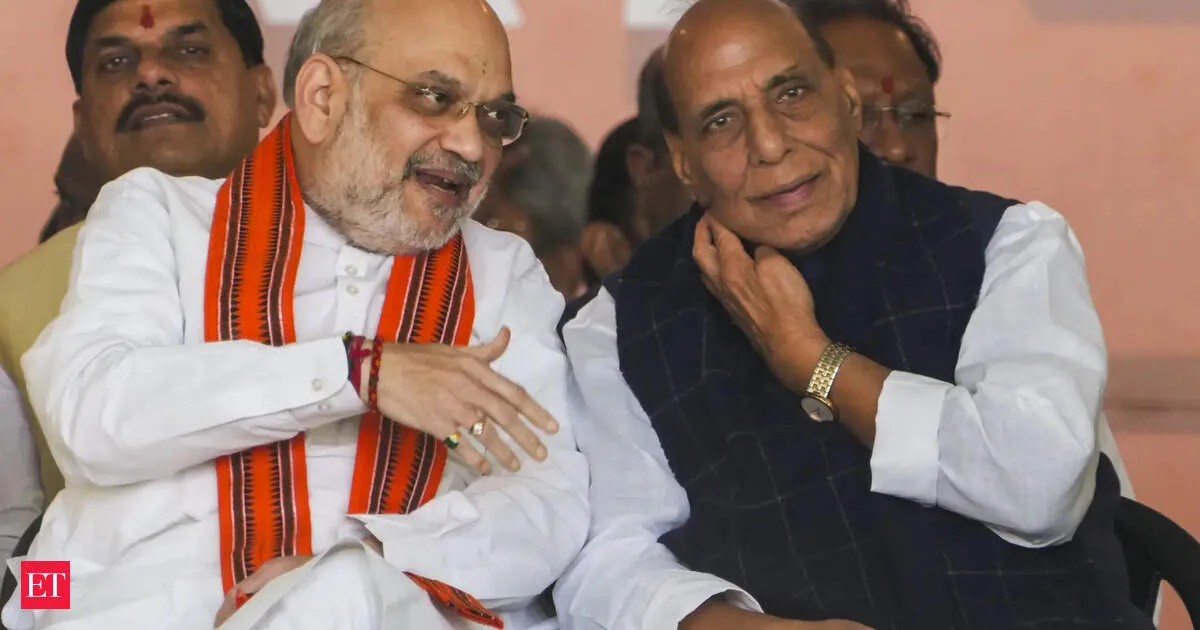
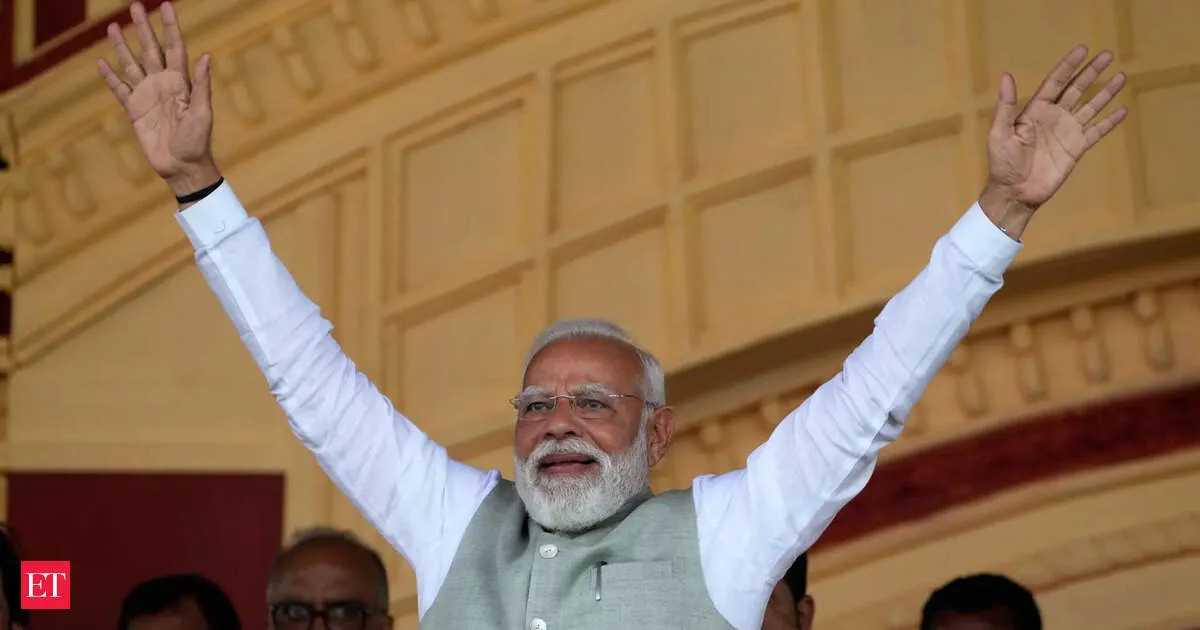
Prime Minister Narendra Modi reportedly cut his domestic travel convoy to just two vehicles, a step also followed by Union Home Minister Amit Shah. The move is being linked to an austerity push focused on fuel conservation and sustainable practices, echoing Modi’s calls to reduce fuel and even gold usage. Ministries are now considering similar fuel saving measures.
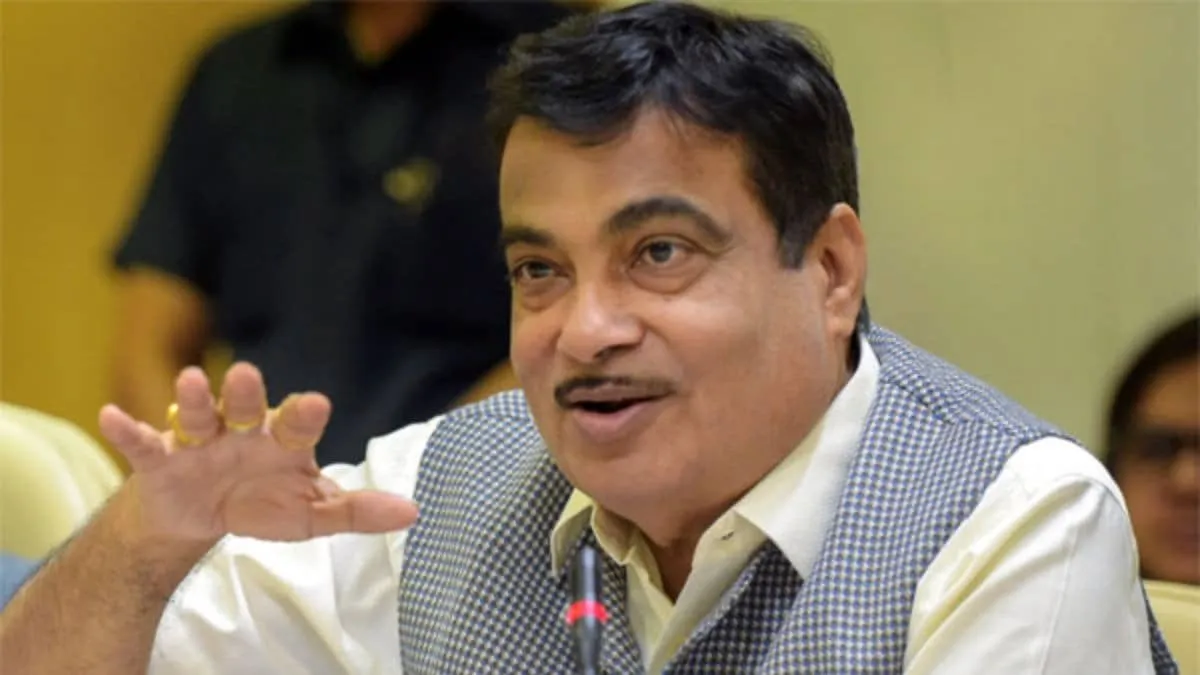
Union Minister Nitin Gadkari will travel by bus instead of a large VIP convoy during his upcoming Maharashtra inspection tour, trimming his convoy size by half. The step is intended to reduce fuel consumption, ease traffic, and limit public inconvenience, aligning with Prime Minister Narendra Modi’s austerity and energy-conservation push. Officials say it’s meant to lead by example as global energy concerns grow.
Prime Minister Narendra Modi’s push for austerity is spreading through BJP-led governments, with union ministers and chief ministers downsizing convoy sizes and trimming non-essential travel. The effort is aimed at conserving fuel and encouraging responsible living amid wider global energy uncertainties, signaling that the austerity message is now shaping day-to-day official movement.
Never miss a story
Set alerts for the topics and sources you care about. Download Beige for free.
After Prime Minister Modi’s fuel conservation call, multiple Indian states have rolled out austerity steps. Governments are reducing official vehicle use, cutting down VIP convoys, and encouraging work-from-home alongside greater use of public transport. The moves are framed as efforts to curb unnecessary spending and conserve fuel amid ongoing global uncertainty and budget pressures.
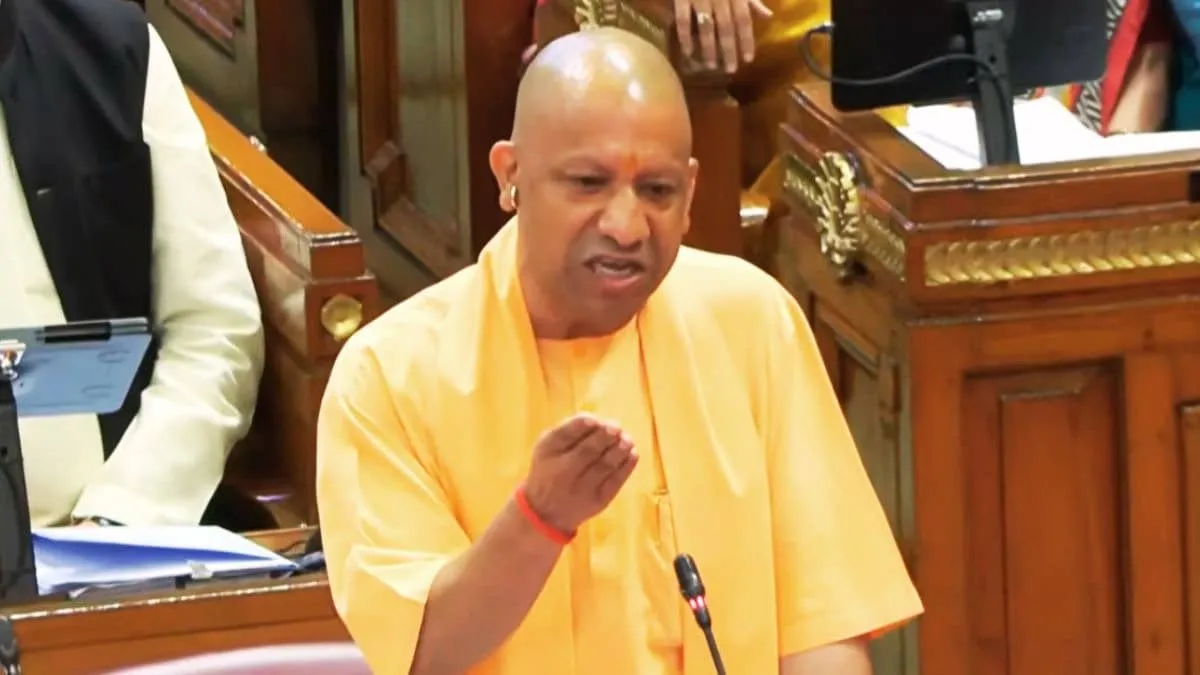
Uttar Pradesh CM Yogi Adityanath has advised citizens to adopt austerity amid the West Asia crisis. His plan includes work-from-home twice a week, cutting vehicle usage in official convoys and reducing ministerial fleets by half. He also pushed public transport, cycling, electric vehicles and announced a weekly no-vehicle day to curb fuel and emissions.
Prime Minister Narendra Modi has directed the Special Protection Group to cut his official convoy vehicles by nearly half, signaling a wider government austerity drive. The order also pushes for greater use of electric vehicles and is prompting officials to explore additional fuel-saving steps such as metro travel and carpooling across ministries.
After four months of improving consumer demand, executives warn that rising crude oil prices, supply disruptions, and Prime Minister Narendra Modi’s push for austerity could derail the recovery. They expect the impact to be most severe in electronics, where higher costs and weaker discretionary budgets may quickly slow buying.
Reading on mobile?
Open Beige in the app for a smoother experience — free on iOS and Android.
Uttar Pradesh Chief Minister Yogi Adityanath has ordered a 50% reduction in vehicle convoys for himself, cabinet ministers, and other senior officials. The move comes as the state aligns with Prime Minister Narendra Modi’s nationwide austerity push, encouraging fuel-saving steps including more virtual meetings to cut operational spending.
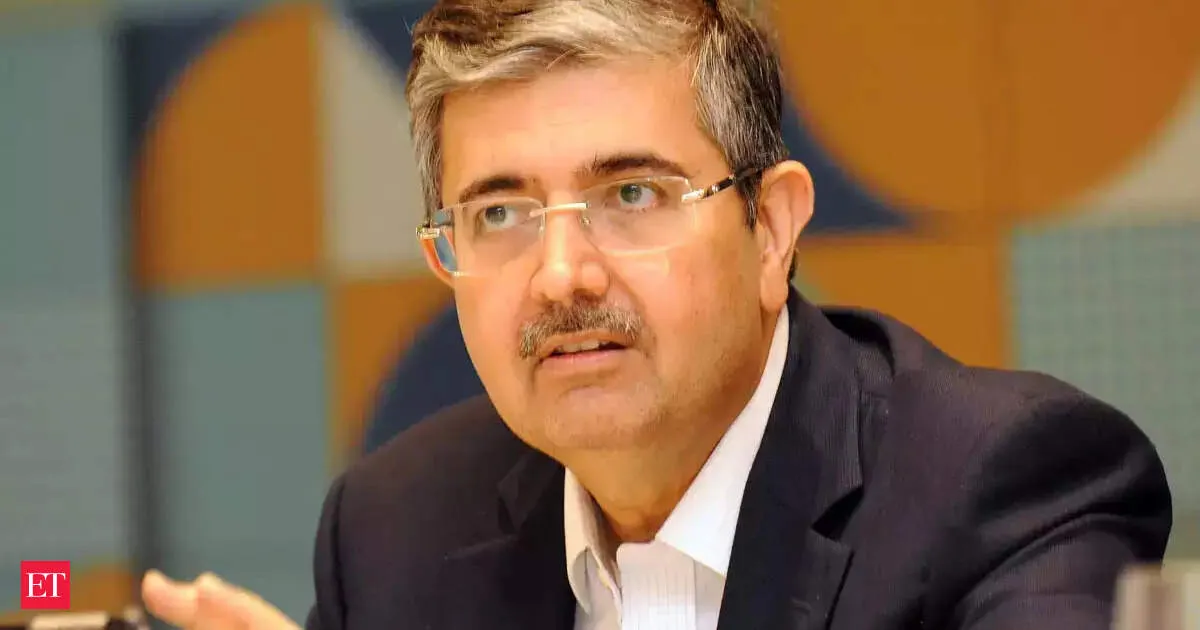
Business tycoon Uday Kotak says the biggest economic pain linked to the Iran war has not reached Indian households yet. He points to soaring energy prices as the trigger for a wider financial shock, warning that the impact could quickly flow into day to day costs for consumers. The note follows PM Modi’s austerity call, underlining heightened pressure ahead.
NCP (SP) chief Sharad Pawar has urged Prime Minister Narendra Modi to convene an all-party meeting to review the economic effects of the government’s austerity appeal. Pawar says the appeal has triggered unease among citizens and businesses, and stresses restoring public confidence and stability. He also called for wider political consultation on decisions made in national interest.
Jewellery and real estate stocks plunged after Prime Minister Narendra Modi urged Indians to practice financial restraint. He advised postponing gold purchases and cutting back on discretionary travel, linking the push to fuel conservation amid geopolitical uncertainty and high energy costs. Investors quickly repriced companies exposed to household spending, driving a sharp sector-wide reaction.
Follow your favourite sources
Track sources, tags and categories — all in the Beige app.
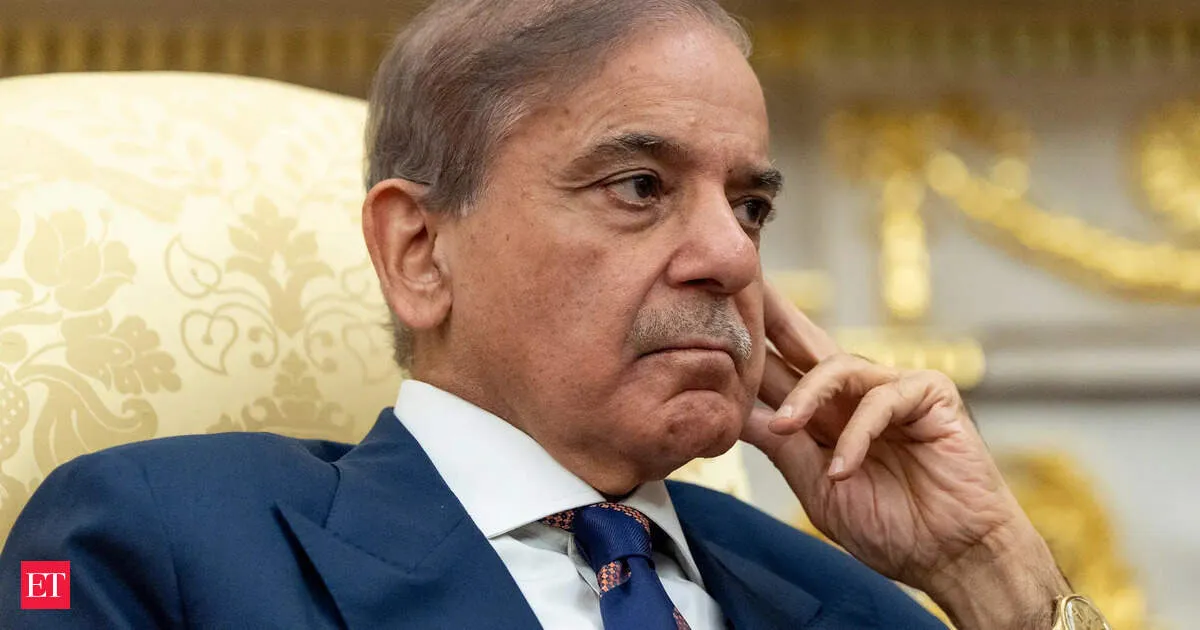
Pakistan’s Prime Minister Shehbaz Sharif has extended nationwide austerity measures until June 13, citing ongoing uncertainty around the Iran conflict and a fragile ceasefire in West Asia. The decision reflects continued regional instability, leaving households and businesses to adjust to tighter controls for longer than previously planned.
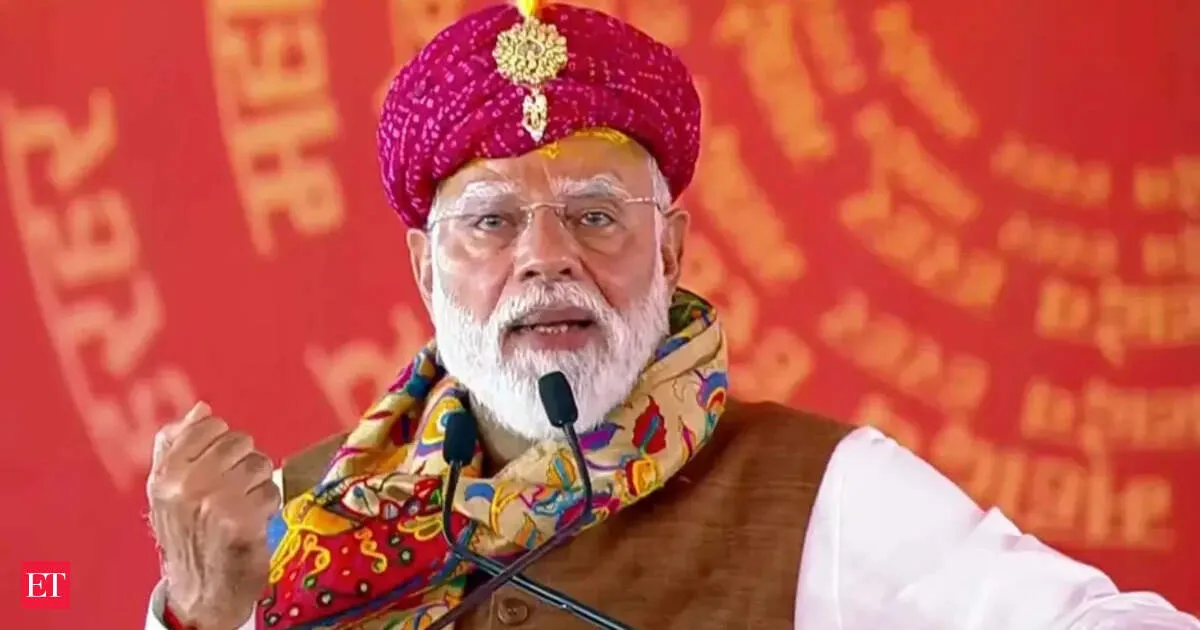
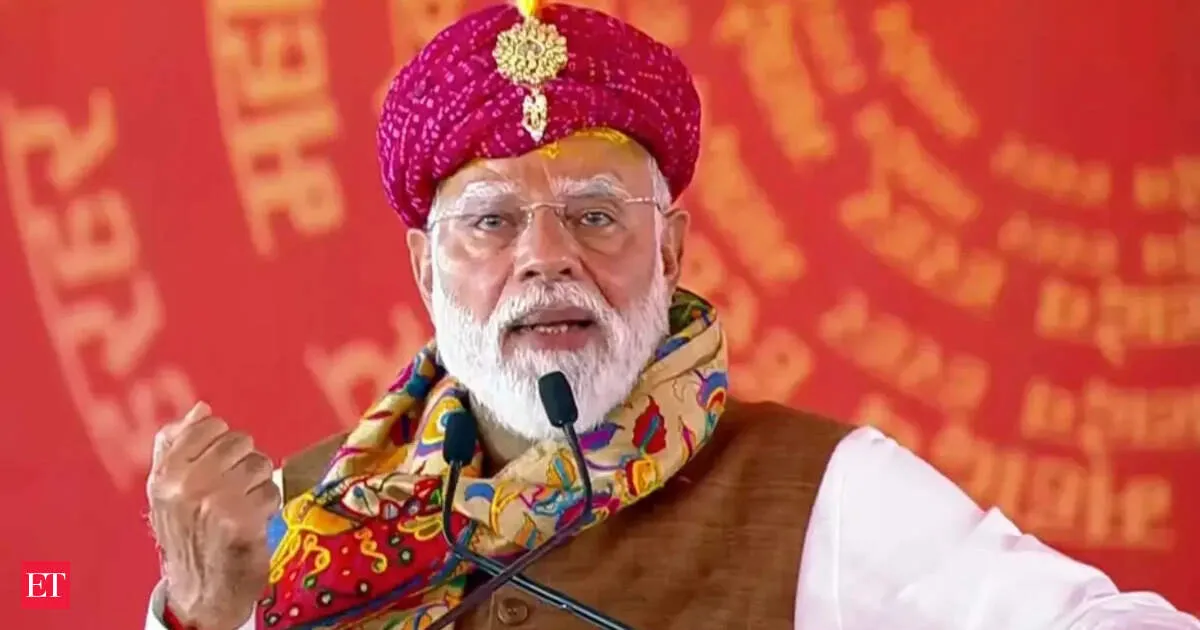
Prime Minister Narendra Modi called for austerity to manage fallout from the West Asian crisis, warning about rising import costs and supply risks. He asked citizens to cut private vehicle use in favor of public transport and carpool. Offices should increase virtual meetings, schools can switch to online classes, and people should temporarily reduce spending on edible oil and gold.
Maharashtra CM Devendra Fadnavis and Union Minister Shivraj Singh Chouhan backed Prime Minister Narendra Modi’s austerity push, arguing it is needed amid global economic strain. They criticised Rahul Gandhi’s reaction to the move, stressing responsible governance as India faces inflation pressures and rising oil prices.
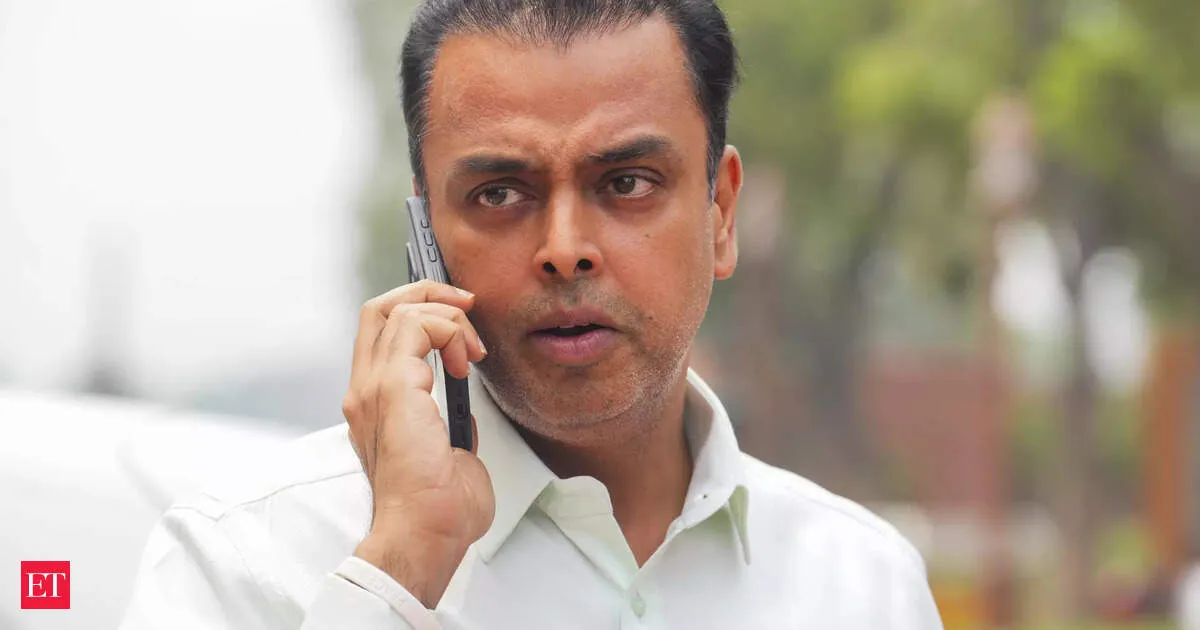
Shiv Sena MP Milind Deora has urged moving parliamentary committee and PSU review meetings to secure virtual platforms, saying it could save the government about ₹100 crore annually. The proposal echoes Prime Minister Narendra Modi’s austerity push, arguing that online sessions would trim expenses while also reducing carbon emissions without disrupting committee work.
Stay informed on the go
Bite-sized news from 100+ trusted sources, right in your pocket.
Prime Minister Narendra Modi urged Indians to rein in “reducible” expenses, naming items like fuel, foreign travel, and gold. India Inc reads the message as a nudge toward self-reliance and moderated consumption rather than alarm. With global pressures, including the West Asia crisis, weighing on economic sentiment, industry leaders say the focus should stay on domestic investment and cutting import dependence.
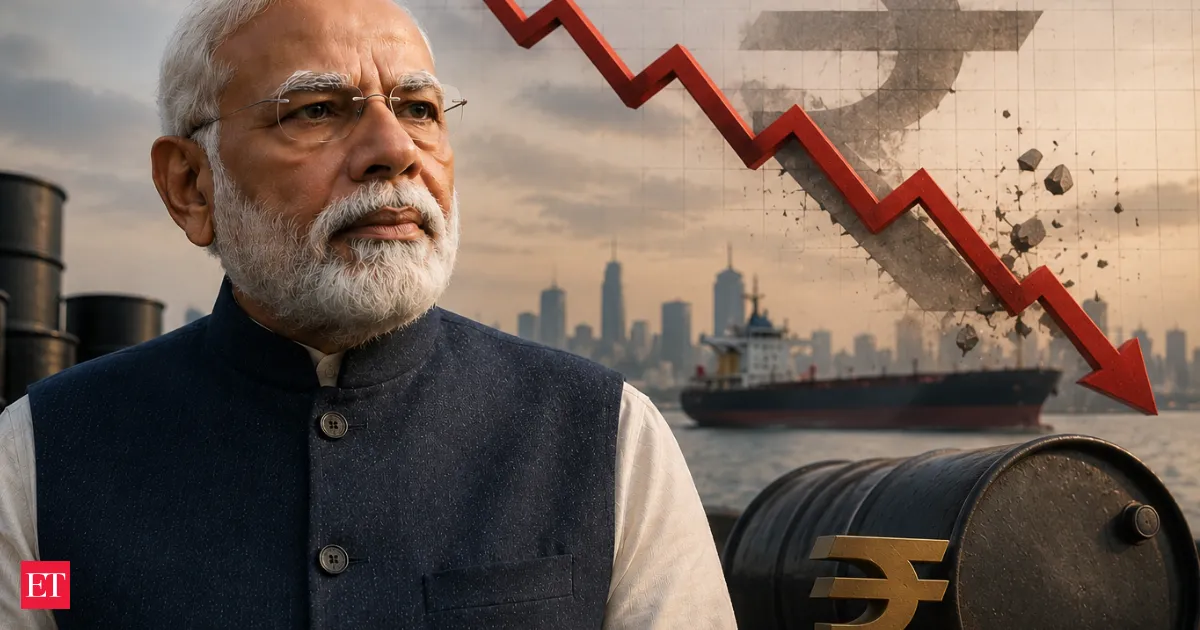
Facing rising crude oil prices and a weakening rupee, Prime Minister Narendra Modi has urged Indians to practice austerity to shield foreign exchange reserves and contain inflation. He called for reducing fuel consumption, postponing gold purchases and cutting edible oil use, framing the message as a collective sacrifice to stabilize the national economy.
Swipe through stories, personalise your feed, and save articles for later — all on the app.