Toyota expects its net profit to fall 22% in the coming fiscal year, blaming the drag from US tariffs. The automaker previously reported a 19.2% profit decline for 2025-26, but says it has stayed resilient thanks to higher sales volumes and price adjustments, supported by strong product competitiveness.
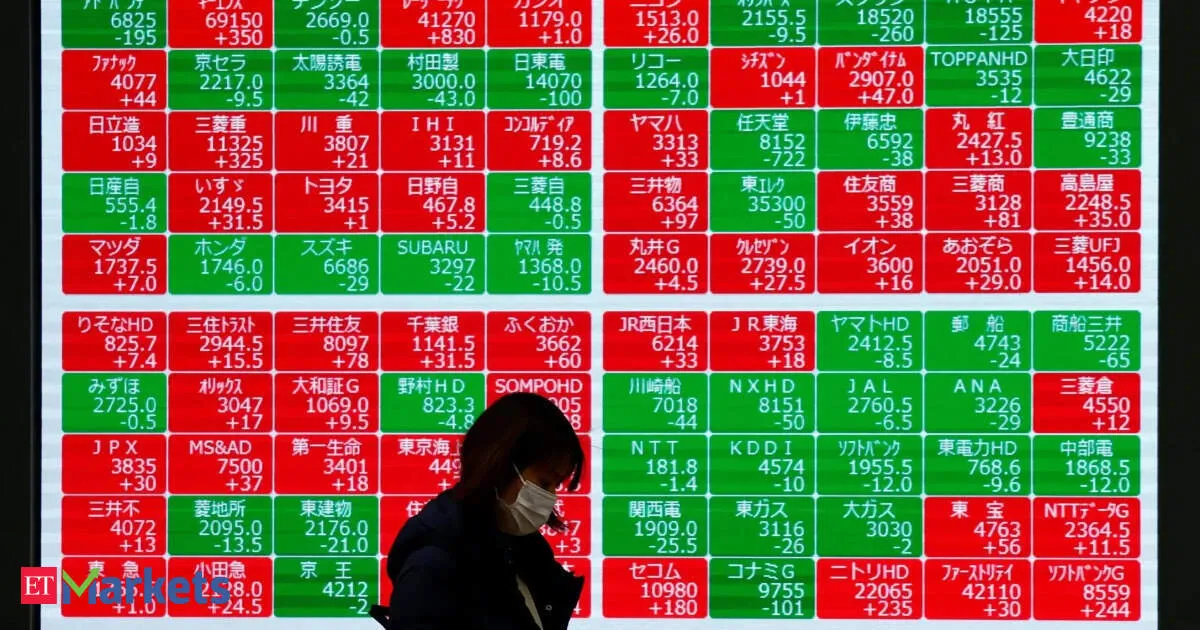
European shares edged lower as U.S. tariff hike threats weighed on automakers, turning cautious for investors. Markets also turned to geopolitics, watching for signs of progress toward reopening the Strait of Hormuz—an outcome that could ease shipping and energy uncertainty. Traders balanced sector-specific tariff pressure against potential relief from improved Middle East developments.
Your news, in seconds
Get the Beige app — every story in 60 words, updated hourly. Free on iOS & Android.
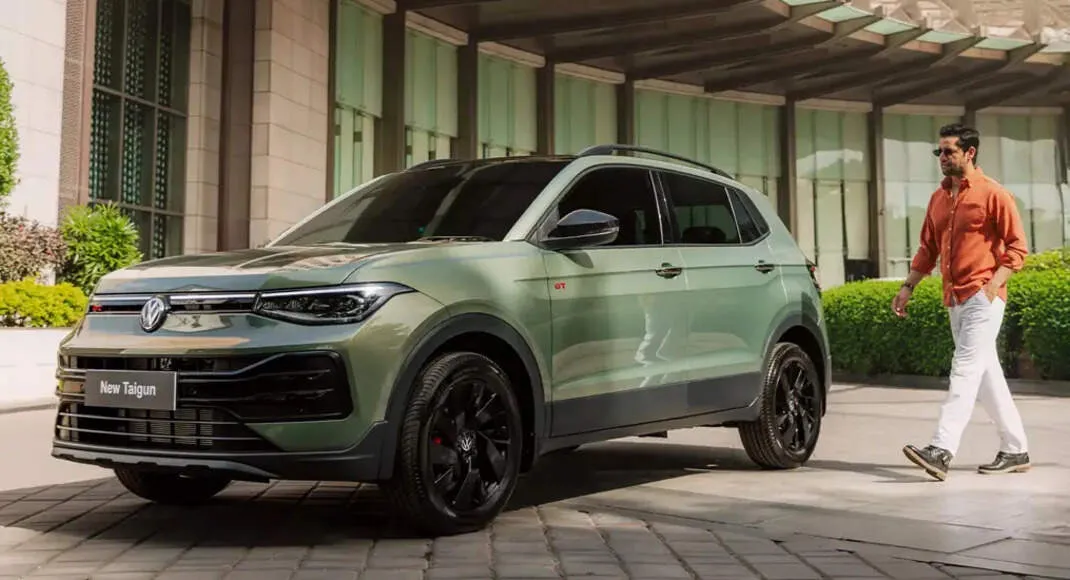
India’s auto market is seeing a strong lift in overall sales, helping automakers sustain decent profits. But the momentum isn’t evenly spread: first time buyers and entry segment cars remain key weak links. Analysts say the gap could limit how far the boom translates into volume growth across the market, even as better demand supports earnings for now.
Auto industry body SIAM says it is reviewing draft CAFE III fuel efficiency norms and will consult members on how manufacturers can meet the proposed implementation timeline. SIAM President Shailesh Chandra declined to comment on potential incentives for small cars, noting manufacturers are split on the idea. SIAM also argues for an enabling environment for EV adoption rather than strict mandates.
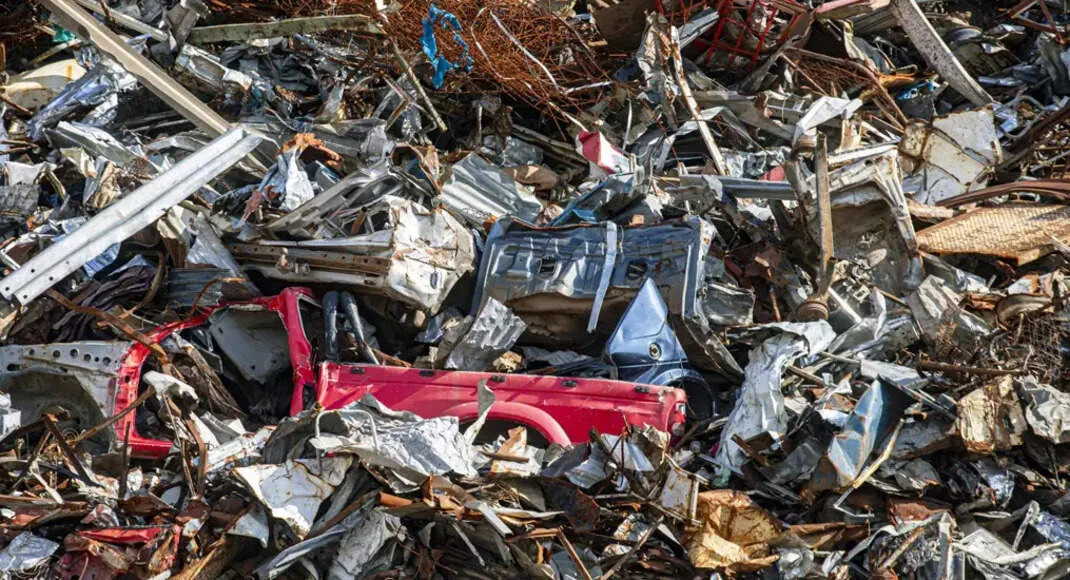
Automakers have rolled out scrappage discounts of up to 3% for new car purchases, betting the incentive will nudge older vehicle owners toward upgrading. But with discounts relatively modest, the real question is whether the savings justify the hassle, eligibility checks, and timing—especially in a market where price sensitivity remains high.
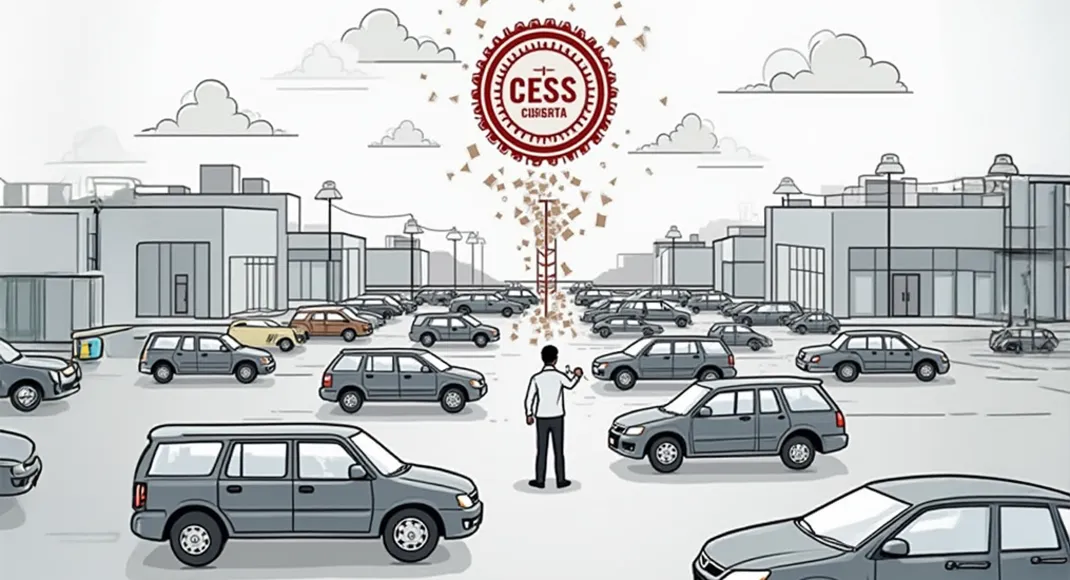
As India’s cess is set to be abolished, automakers and dealers are scrambling because dealers have already paid the cess on their existing vehicle inventories. With recovery of that paid cess looking bleak, supply and delivery plans are being disrupted, forcing automakers to slow deliveries while dealers absorb stalled stock and losses.
Never miss a story
Set alerts for the topics and sources you care about. Download Beige for free.
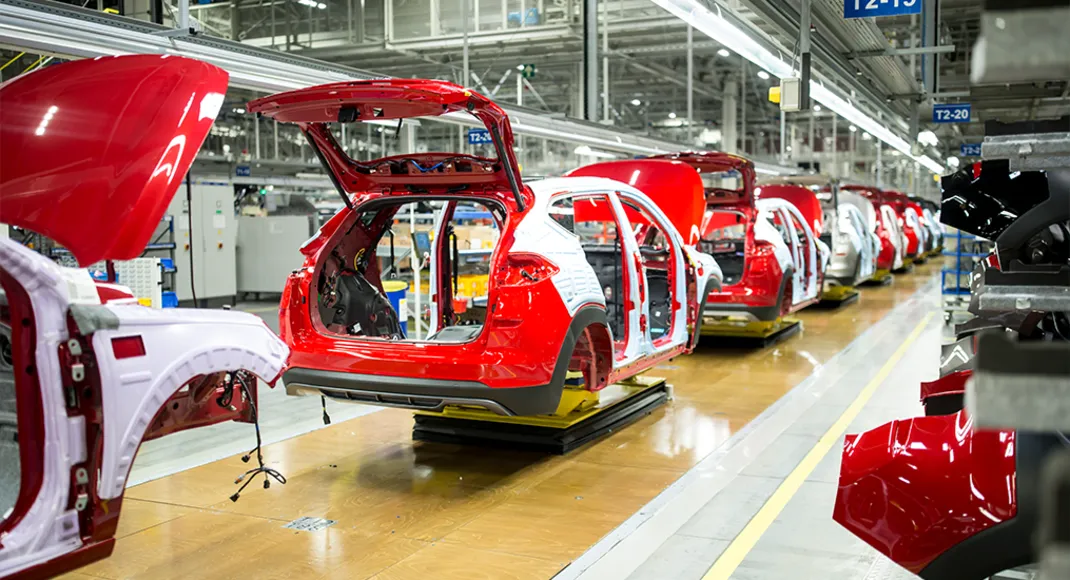
January was unusual for Indian car buyers: major automakers like Maruti, M&M and Tata didn’t raise prices as they typically do. The twist is that metal costs have been rising, and metals make up most of a vehicle’s weight. With companies now focused on pushing volumes while capacity expands, margins may soon force more “intelligent” pricing changes.
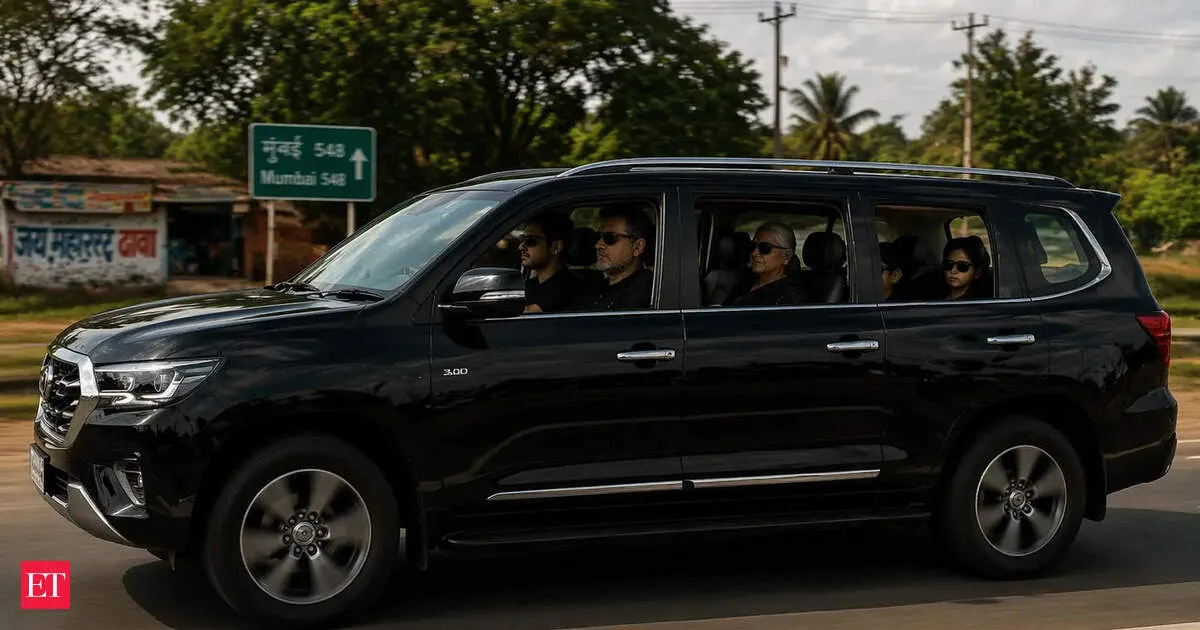
India’s EV race is shifting from commuting to family comfort as more seven-seater electric models enter the market. Brands including VinFast, Mahindra and Mahindra, BYD, JSW MG, and Kia are targeting affluent city buyers who want spacious rides without sacrificing efficiency. The push signals a new battleground: value, comfort, and eco-friendly convenience for everyday journeys.
Ola’s push toward a million EVs is being shadowed by warranty costs that far exceed both rivals and traditional automakers. The imbalance has investors and customers wondering whether the company’s growth is being underwritten by rising repair liabilities, and how long the higher costs can remain sustainable as EV volumes scale up.
Honda says it will stop selling cars in South Korea by the end of 2026, while continuing after-sales services for existing customers. The move follows market shifts and Honda’s global restructuring. Instead, the automaker plans to concentrate more on motorcycles in South Korea and is also reportedly reducing petrol vehicle production in China.
Reading on mobile?
Open Beige in the app for a smoother experience — free on iOS and Android.
Swipe through stories, personalise your feed, and save articles for later — all on the app.