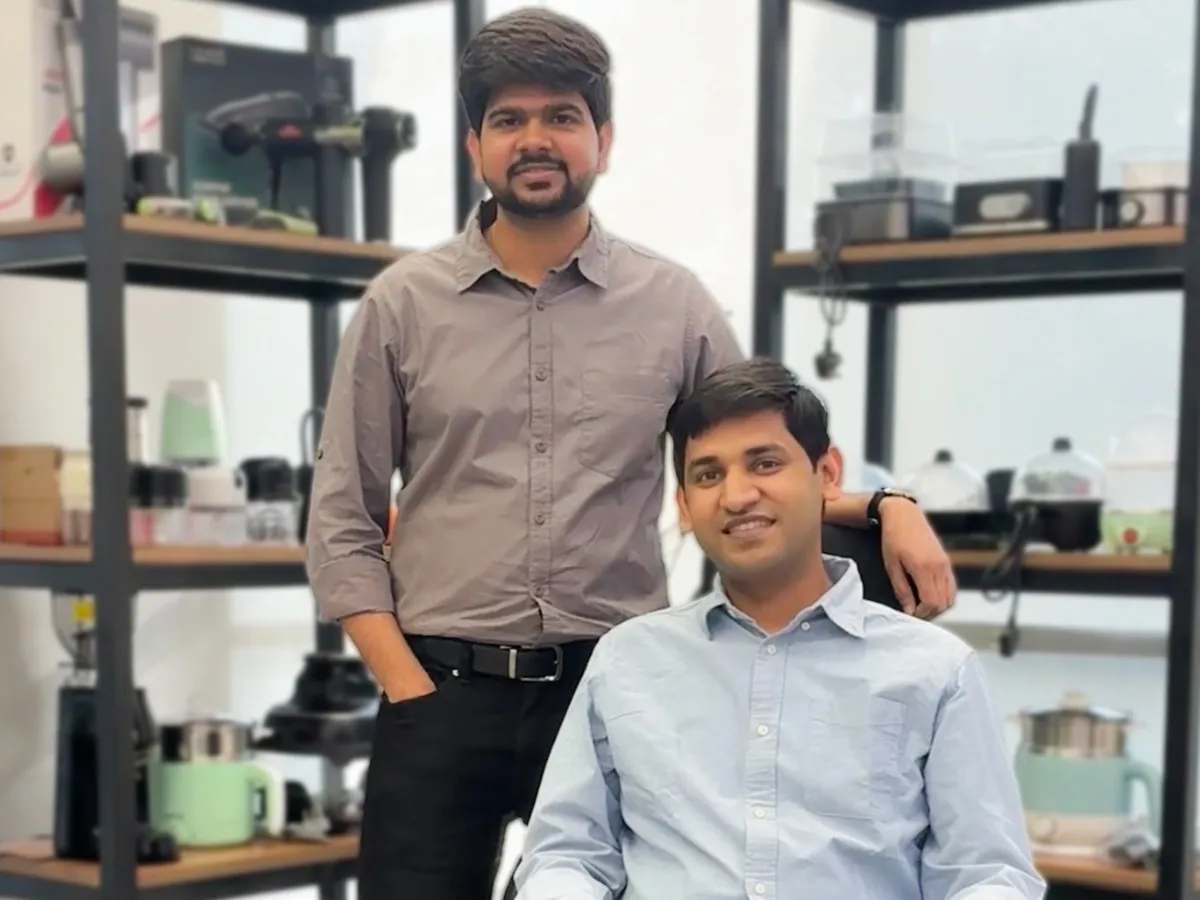
US-based finance agentic company Numero AI has acquired Royu, a Chennai finance automation startup, in a cash-and-stock deal valued undisclosed. Royu’s co-founders will join Numero’s leadership, with one leading product and the other technology. Together, the firms aim to deploy an AI-native agentic system to automate enterprise finance and controller workflows, including accounting close, reconciliation, and reporting.
Enterprises report production AI agent pipelines failing not due to model skill, but because the agent decides it’s “done” too early—sometimes before code is actually compiled. Anthropic’s new Claude Code /goals separates task execution from task evaluation, running a dedicated evaluator model after each step to prevent premature exits using measurable completion conditions like tests and exit codes.
Your news, in seconds
Get the Beige app — every story in 60 words, updated hourly. Free on iOS & Android.
Anthropic’s Claude Code product head Cat Wu argues the next phase of AI won’t just respond to prompts—it will act proactively. These systems can understand workflows, anticipate needs, and automate repetitive tasks, reshaping software development and productivity. But Wu stresses that human oversight and decision-making remain essential as AI becomes more autonomous.
Goldman Sachs’ president John Waldron says the firm is rolling out generative AI “digital agents” to automate work and improve productivity, while insisting recent layoffs aren’t driven by AI. He frames the change as upgrading the “human assembly line,” adding new tech roles even as tasks get automated. The shift is linked to post-COVID adjustments and changing business needs.
EPFO is set to automate two major processes for workers: final provident fund withdrawals and account transfers when members switch employers. The move aims to speed up money credit to applicants and eliminate form-based account migration. With automation handling the workflow, claims and employer changes could become faster, simpler, and more seamless for EPFO members.
Adaption is launching AutoScientist, a tool meant to help AI models adapt to specific capabilities quickly. Instead of manually running conventional fine-tuning workflows, AutoScientist automates much of that process, aiming to reduce time and effort while still getting targeted performance. The push signals a broader shift toward self-directed training pipelines and faster iteration in model development.
Never miss a story
Set alerts for the topics and sources you care about. Download Beige for free.
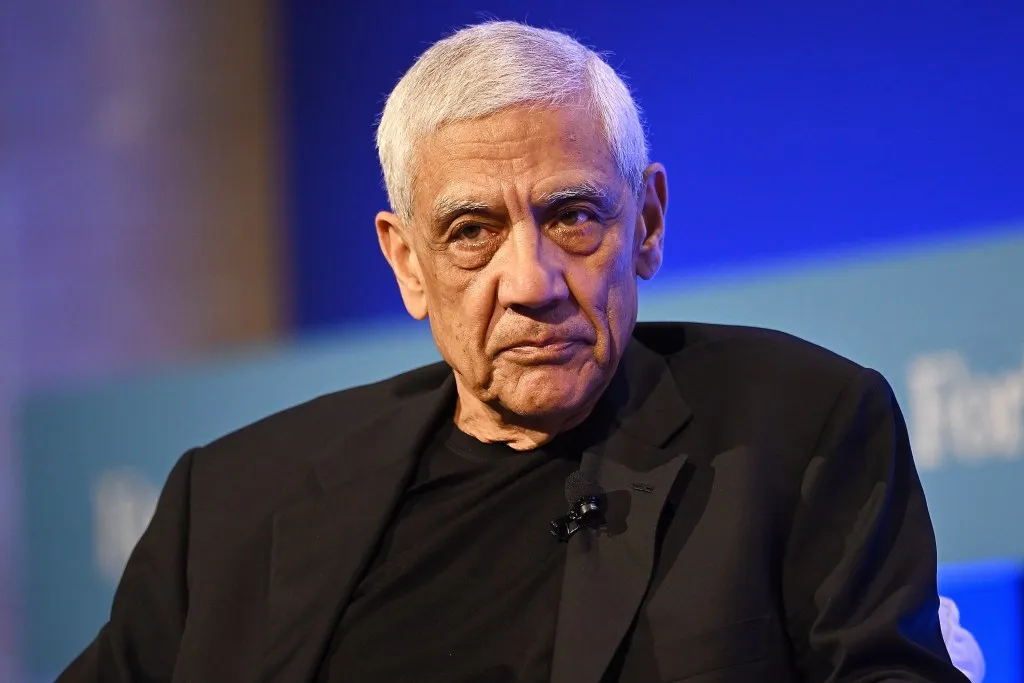
Vinod Khosla, head of Khosla Ventures with over $15 billion in assets, argues AI will take over about 80% of jobs within five years. In backing founders, he focuses less on hype and more on a specific, hard-to-teach trait he believes will determine who can build and adapt as automation accelerates.
South Korean startup RLWRLD is training robots by capturing skilled workers’ real-world actions, from hotel staff folding napkins to logistics workers handling goods. The company is assembling a large human-expertise library that helps robots learn complex physical tasks. Its goal: turn humanoids into practical tools for next-generation factories and everyday homes.
Thinking Machines Lab has unveiled “interaction models,” a new kind of multimodal AI built to communicate in real time. Unlike systems that wait for separate inputs, these models process audio and visuals together, enabling continuous responses and sharply lower latency. The goal: make human AI collaboration feel more natural, especially for time sensitive enterprise and industrial use cases.
Consumer appliance startup Mekr Technologies has raised Rs 67 crore from Avaana Capital and Titan. The fresh funding will expand manufacturing capacity, boost exports, and accelerate indigenization to reduce import dependency. Mekr’s model partners with major brands while handling design, engineering, and assembly, with the money earmarked for R&D, supplier localization, and automation aimed at global markets.
Reading on mobile?
Open Beige in the app for a smoother experience — free on iOS and Android.
GitLab says it will cut jobs to free resources for AI agents, betting on the “agentic” wave to automate internal workflows and boost efficiency. The plan includes reducing management layers and reorganizing R&D teams to integrate AI agent capabilities. The CEO adds that while some roles may be enhanced with AI, others will be expanded to keep momentum.
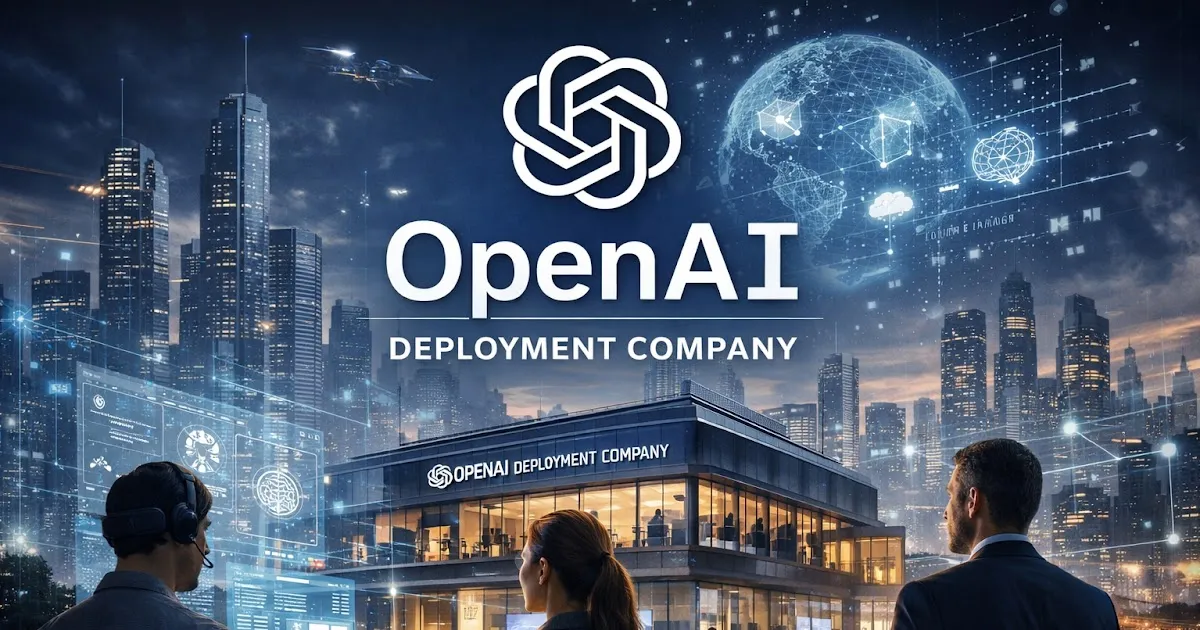
OpenAI has launched the OpenAI Deployment Company (DeployCo) with $4 billion in initial funding and acquired AI consulting firm Tomoro, adding about 150 engineers. The new unit will embed deployment specialists inside client organizations to redesign workflows and scale AI with measurable productivity outcomes. OpenAI frames deployment as the path to safe, effective, enterprise-wide impact.
OpenAI says it has acquired Tomoro, aiming to move beyond building AI models into deploying them in real-world settings. The deal reportedly brings access to about 150 forward-deployed engineers, strengthening OpenAI’s deployment capabilities through on-the-ground support and faster rollout of AI systems.
Commerzbank says it will cut 3,000 jobs to fund and accelerate a €600 million AI strategy under its “Momentum 2030” plan. The move comes as pressure mounts from UniCredit’s €37 billion takeover bid. The bank expects €450 million in reorganisation costs, while using AI across service, KYC, fraud prevention and internal assistants to boost revenue and slash operational expenses.
Follow your favourite sources
Track sources, tags and categories — all in the Beige app.
In Stockholm, an experimental cafe uses an AI agent called Mona to manage daily operations, from hiring to inventory. Customers enjoy the novelty of a human barista paired with automated control, but the system is reportedly losing money and placing questionable inventory orders. The result raises tough questions about whether autonomous AI can handle real-world business ethics and practical decision-making.
India’s fintech leaders like Paytm, PB Fintech and Groww are shifting strategy toward AI-powered products and services. The push includes expanding into wealth management and using AI to personalize customer experiences, streamline operations, and find fresh revenue opportunities. It signals a move from core payments toward broader financial ecosystems driven by efficiency and smarter decisioning.
A new WEF report warns cybersecurity is entering an AI versus AI era, with attackers using AI to launch faster, more sophisticated threats. To keep up, organizations are rolling out AI-driven platforms that autonomously detect and respond to attacks. The result: quicker remediation, better efficiency, and potentially lower breach costs as human-led operations struggle to match speed.
Upwork CEO Hayden Brown announced the company will lay off 25% of its workforce, citing that AI will drive how work is matched and delivered. The move signals accelerating cost-cutting across the tech and freelancing sector, with leadership warning that teams could get smaller as automation reshapes operations, roles, and demand for human-led services.
Stay informed on the go
Bite-sized news from 100+ trusted sources, right in your pocket.
Cloudflare has laid off 1,100 employees, saying the company’s AI usage has surged 600% over the last three months. The move adds to mounting pressure on tech firms as automation expands and workforce costs come under scrutiny. Cloudflare framed AI adoption as part of shifting operations and productivity expectations, despite the human impact.
Cloudflare is cutting more than 1,100 jobs as it restructures to become an AI-first organization. The internet security firm says rapid AI adoption has fundamentally changed how work gets done, prompting a major overhaul of teams and operations. The move highlights how quickly generative AI is reshaping labor needs, even in fast-growing tech security companies.
Swipe through stories, personalise your feed, and save articles for later — all on the app.