In today’s workplaces, managers often label sudden extra workload as “a wonderful learning opportunity.” When expectations are vague and support is missing, Gallup research suggests employees quickly disengage, especially in overloaded or hostile environments. The real issue isn’t the presence of challenging tasks, but whether organizations convert them into sustainable development. Employees tend to trust the surrounding support system—coaching, visibility, feedback, and recognition—more than the upbeat phrase, and they disengage when no tangible path to future success is offered.
A viral post on X has reignited debate over toxic workplace expectations after an employee was reportedly summoned for disciplinary action for leaving at the official closing time. The dispute reportedly began when an HR representative asked for the reason for a disciplinary meeting and challenged how early the employee departed. The worker said they clocked out exactly at 5 PM, prompting online outrage. The incident has also fueled fresh discussion on burnout, work-life boundary erosion, and warning signs like persistent physical pain and chronic exhaustion.
Your news, in seconds
Get the Beige app — every story in 60 words, updated hourly. Free on iOS & Android.
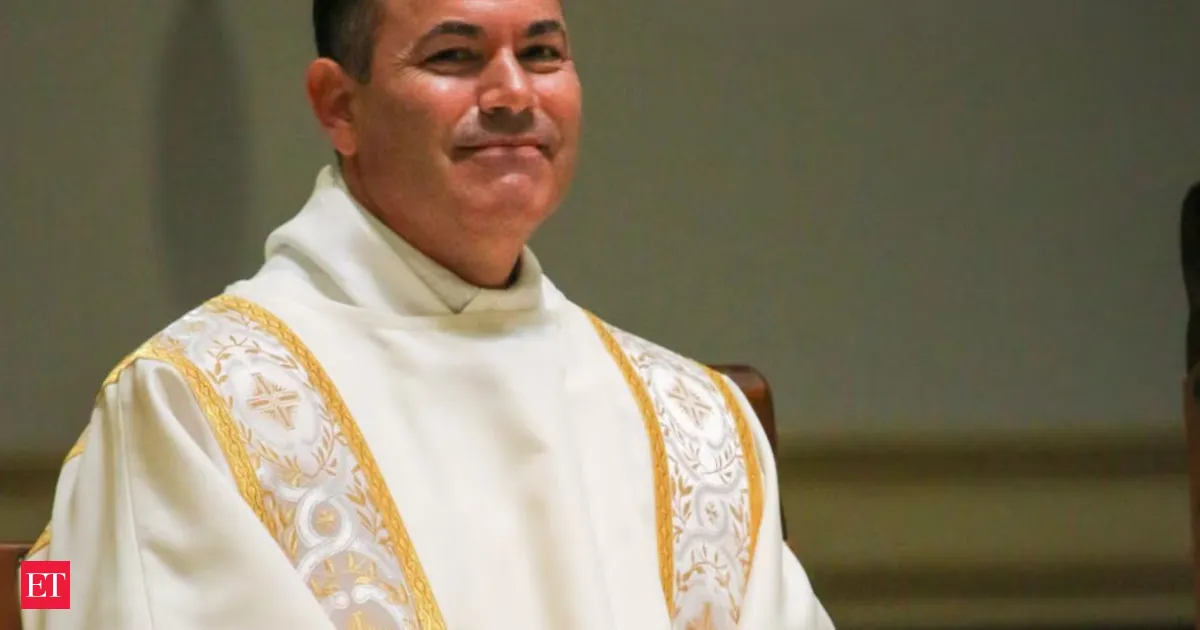
Scott-Vincent Borba, co-founder of e.l.f. Cosmetics, walked away from a fortune from the $3 billion beauty brand after saying wealth and success still left him feeling empty. He’s giving up major assets, including a beach house and an Aston Martin, to pursue a calling as a Catholic priest. His decision spotlights burnout and why many chase meaning beyond money.
A Gurgaon-based founder’s viral LinkedIn post has ignited a heated debate about India’s long-hours work culture. Nistha Tripathi argues that being reachable around the clock doesn’t equal being valuable, after professionals described burnout, late-night calls, and judgment for logging off on time. The post has quickly become a flashpoint for workplace expectations and boundaries.
An employee admitted he was exhausted from relentless overwork, and feared his boss wouldn’t take it seriously. Instead, the manager granted him three months of paid leave to recover from burnout. The boss’s message emphasized that taking time to heal helps workers return with renewed energy and creativity, igniting a broader conversation about mental health at work.
Swipe through stories, personalise your feed, and save articles for later — all on the app.