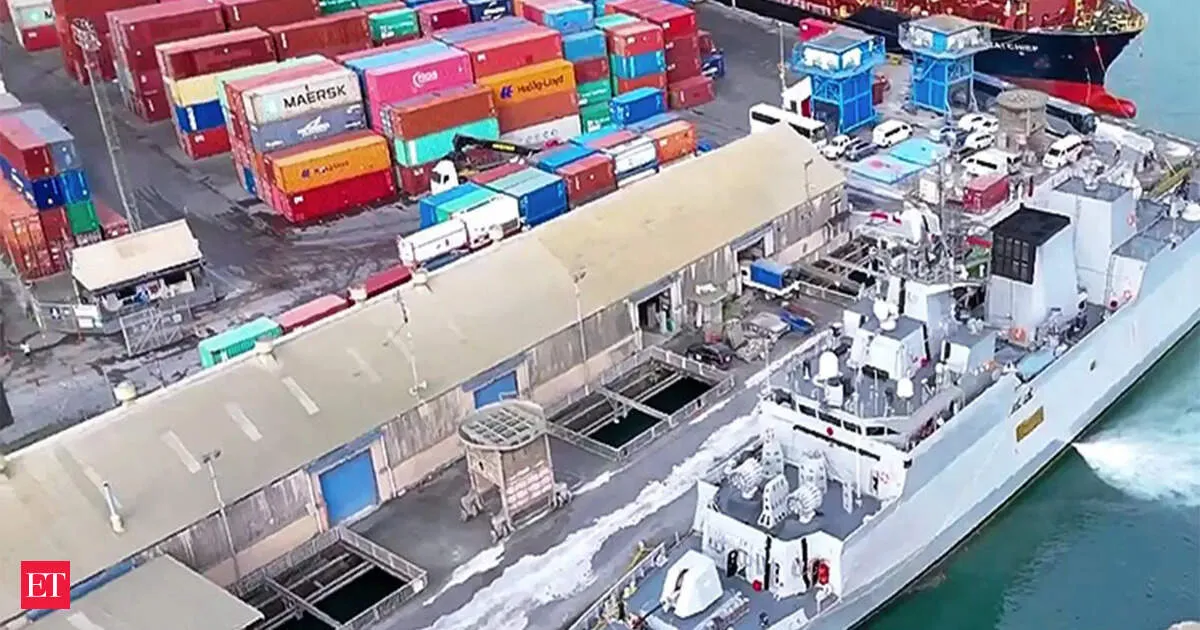
ICICI Bank Global Markets warns India’s external balance may worsen as a West Asia conflict keeps oil prices elevated, with crude averaging near USD 100 per barrel. Even with resilient services exports, it expects the current account deficit to land around 1.5–2% of GDP, assuming non-essential imports are curbed and capital inflows improve as global risk sentiment stabilizes. April data showed goods exports up 14% but imports rose faster, led by an 82% jump in gold.
CIO Manish Sonthalia says global crude oil prices and West Asia geopolitical uncertainty are dictating market moves, drowning out domestic signals. He warns that prolonged supply disruptions could dent FY27 earnings estimates and alter capital flows, keeping equities largely range-bound until the West Asian crisis eases. In the mix, energy, banks, and EMS names stand out as key bets.
Your news, in seconds
Get the Beige app — every story in 60 words, updated hourly. Free on iOS & Android.
India’s rupee is facing sustained selling pressure as capital inflows remain weak while oil prices stay high, worsening the balance of payments. Even with RBI intervention, analysts expect external deficits to widen for a third straight year, shrinking policy room. With global outflows ongoing and vulnerabilities persisting, more depreciation risk looms for the currency.
Facing FII outflows and fresh balance of payments strain, India’s finance ministry is coordinating with the RBI to roll out measures aimed at attracting “patient capital.” The focus is to bring in longer-duration funds that can better absorb market shocks, stabilise external accounts, and reduce reliance on shorter-term, more volatile flows.
India’s thriving IPO market is helping global investors lock in major exits, but it’s also squeezing the rupee. As PE and VC funds repatriate returns, net FDI has fallen sharply, increasing vulnerability to shifting capital flows. Analysts say the current churn looks like stress, yet it could also be the beginning of a more mature, stable capital cycle by FY27.
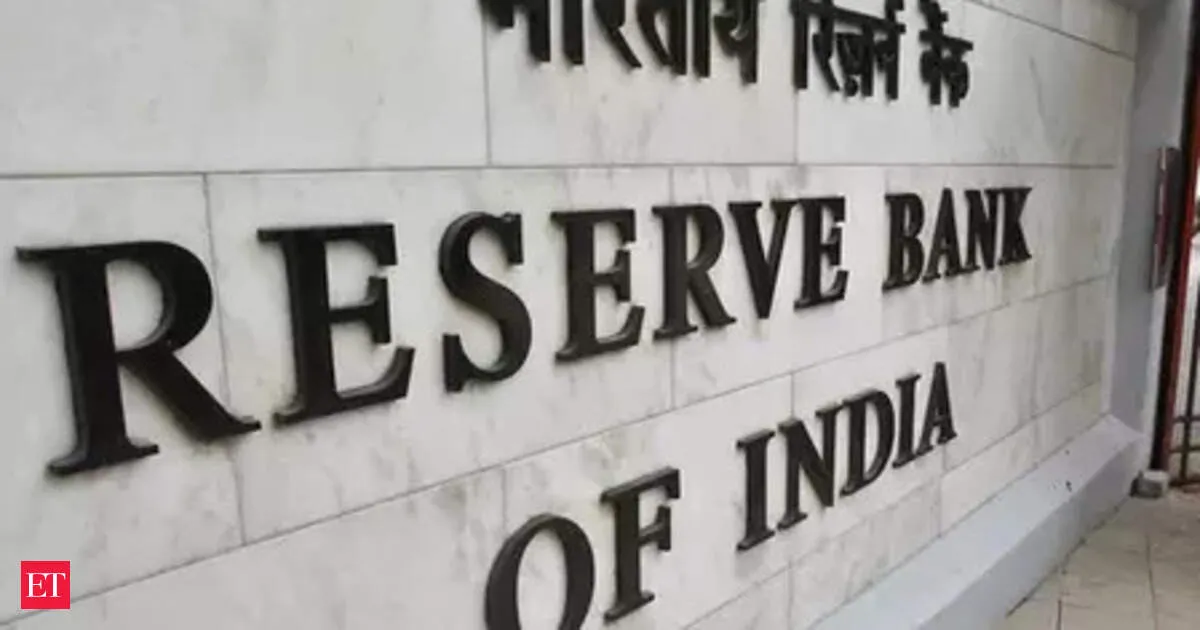
The Reserve Bank of India has issued a directive to curb banks’ foreign exchange reserves, signaling a renewed push to protect the rupee’s value. While framed as a safeguard measure, the move also hints that the central bank could consider further actions to influence capital flows and stabilize market dynamics.
Never miss a story
Set alerts for the topics and sources you care about. Download Beige for free.
The RBI is widely expected to keep interest rates and its policy stance unchanged amid global uncertainty, including the US Israel conflict that could lift energy prices. With fiscal concerns still in play, policymakers will watch the rupee and possible capital outflows, weighing support measures that stabilize the currency without an aggressive immediate move.
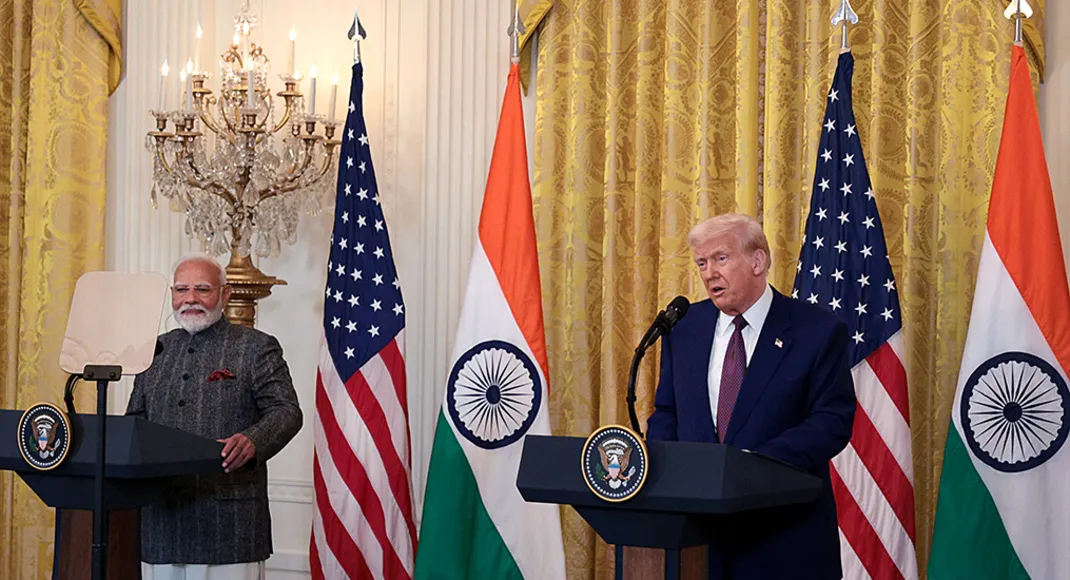
The India US trade deal is set to lower tariffs to 18%, reducing uncertainty and boosting exports, the rupee, and overall sentiment—at a scale that could rival the EU pact. But the tariff level is still far above pre Trump rates, and key hurdles remain, including FDI, capital flow pressure, and higher energy costs.
Iran-linked missile and drone attacks on Dubai have rattled some wealthy Asians and entrepreneurs, prompting them to consider moving assets out of the Gulf. Advisers and lawyers say several are exploring transfers from Dubai to financial hubs like Singapore and Hong Kong as risk worries rise amid the war fears.
Swipe through stories, personalise your feed, and save articles for later — all on the app.