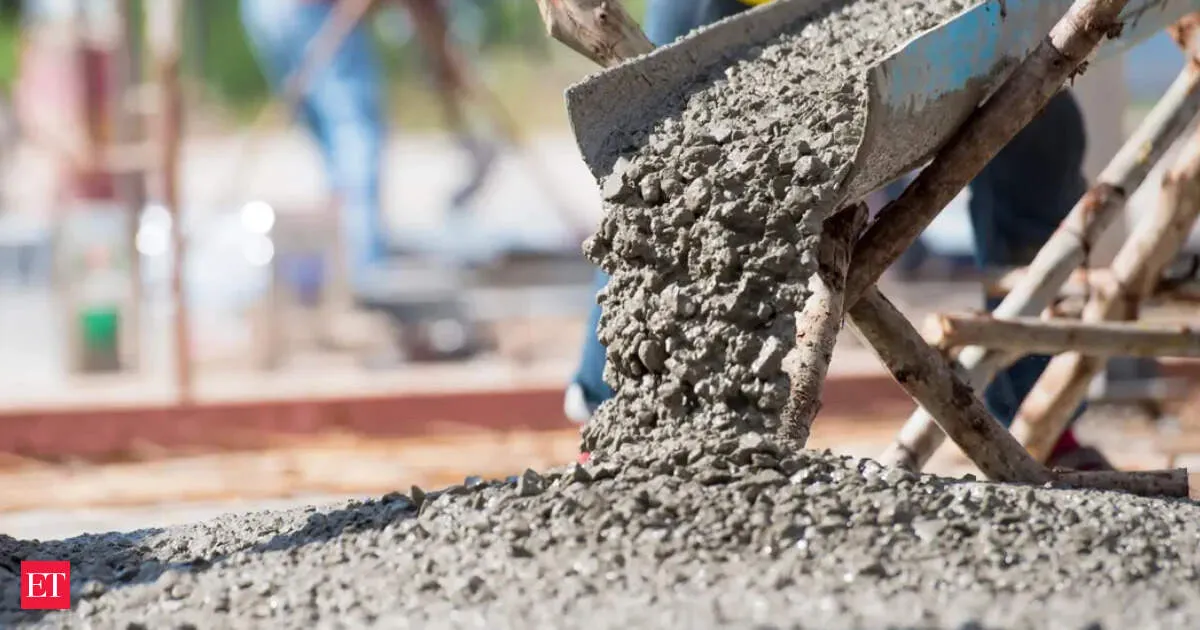
A new study argues the cement industry could dramatically cut emissions by switching raw materials. Instead of limestone, scientists propose using carbon-free, calcium-rich silicate rocks like basalt. Because limestone must be heated above 1,500°C—releasing large amounts of CO2—basalt-based production could cut emissions by more than 80% in theory, and by over 25% even with today’s fossil-fuel-heavy energy. The research also suggests existing technologies could enable the change, producing standard Portland cement.
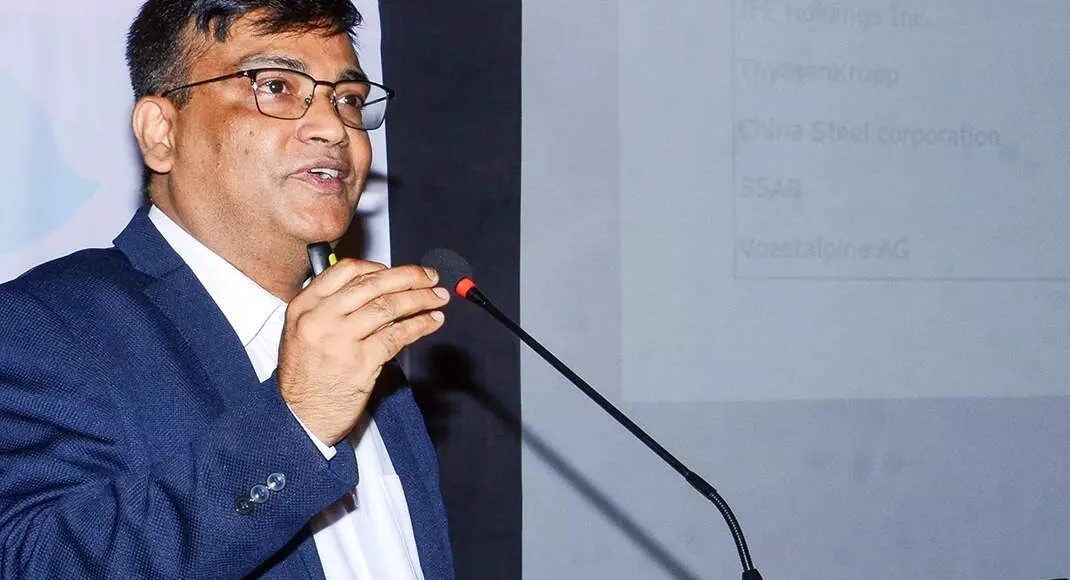
JSW Group sustainability chief Prabodha Acharya says the world lacks a common definition of “green” steel, making claims hard to compare. If “green” is taken to mean carbon free, he argues it isn’t feasible. With different economic growth paths and production methods, he says standards must be set regionally by governments rather than relying on a single global yardstick.
Your news, in seconds
Get the Beige app — every story in 60 words, updated hourly. Free on iOS & Android.
Cherry blossoms blooming earlier than usual are emerging as a visible signal of climate trouble. Scientists point to human-caused carbon dioxide emissions and expanding urban areas as key drivers. The timing shift isn’t just cosmetic: it hints at broader changes to agriculture and local weather patterns that could ripple into crop yields and livelihoods.
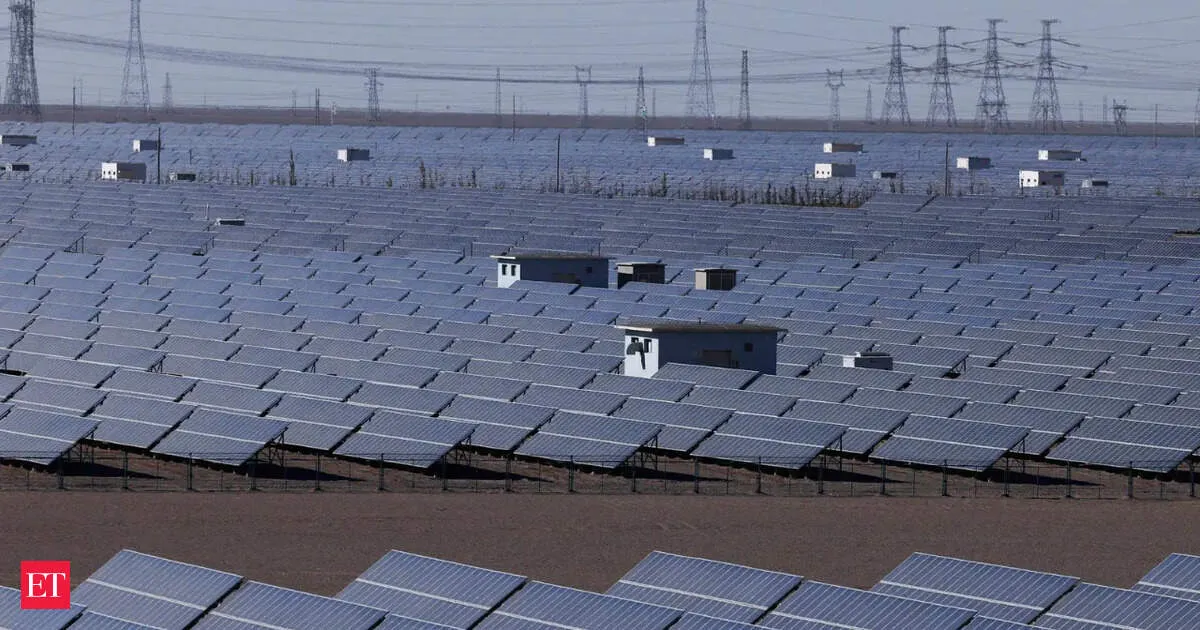
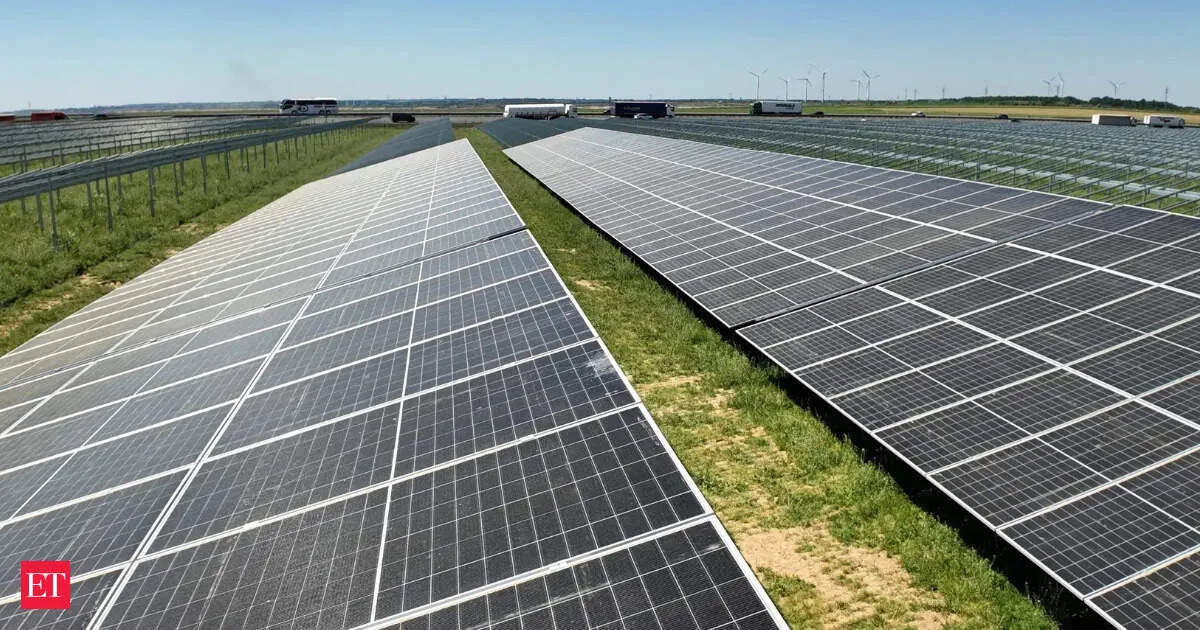
SAEL Industries has begun operations of a 600 MW solar power plant in Kurnool, Andhra Pradesh. The project will feed electricity into India’s national grid for 25 years and is built with more than 12 lakh solar modules. By enabling large-scale clean power generation, it is expected to significantly cut carbon emissions while expanding SAEL’s operational capacity.
UltraTech and Dalmia are moving toward greener cement using blended mixes, renewable power and newer technologies, aiming to cut the sector’s heavy carbon footprint. But progress is slowed by high production costs, soft demand and limited government support. With no clear pull from buyers, India’s push for green cement faces a fundamental adoption question.
Sunkonnect has unveiled a four-year push to cut 15% carbon dioxide emissions in educational institutes across India. The plan targets 34 million tonnes of CO2 reduction by installing solar rooftops on more than 5,000 schools, alongside energy audits, LED upgrades, and improved waste management. The goal is energy-efficient, net-zero campuses.
Never miss a story
Set alerts for the topics and sources you care about. Download Beige for free.
Swipe through stories, personalise your feed, and save articles for later — all on the app.