Bihar has approved amendments to its EV policy with a bold goal: electric vehicles should account for 30% of new vehicle sales by 2030. The state plans incentives for electric commercial vehicles, two-wheelers, and four-wheelers, alongside building charging infrastructure. It’s also launching an Artificial Intelligence Mission aimed at driving innovation and skills.
Andhra Pradesh has launched its Sustainable Electric Mobility Policy 4.0, designating Visakhapatnam, Rajahmundry, Vijayawada, Nellore, and Tirupati as model e-mobility hubs. The state plans to speed up EV adoption through expanded charging infrastructure and dedicated green corridors, targeting better transport efficiency and lower pollution across the region.
Your news, in seconds
Get the Beige app — every story in 60 words, updated hourly. Free on iOS & Android.
Nomura says India’s EV transition will hinge less on announcements and more on how fast it can build a China-style charging ecosystem. The report points to infrastructure readiness as the key trigger for mass adoption, arguing that scale, supportive policy, and rapid charging buildout are the fastest path to moving customers from trials to daily use.
Rising worries about fuel availability and price hikes linked to the West Asia conflict are nudging Indian buyers toward electric vehicles. Electric car sales have increased sharply, lifting their share of new car sales by 5.1% in March. Industry leaders call it a structural shift, with automakers expanding EV lineups and scaling charging networks to match demand.
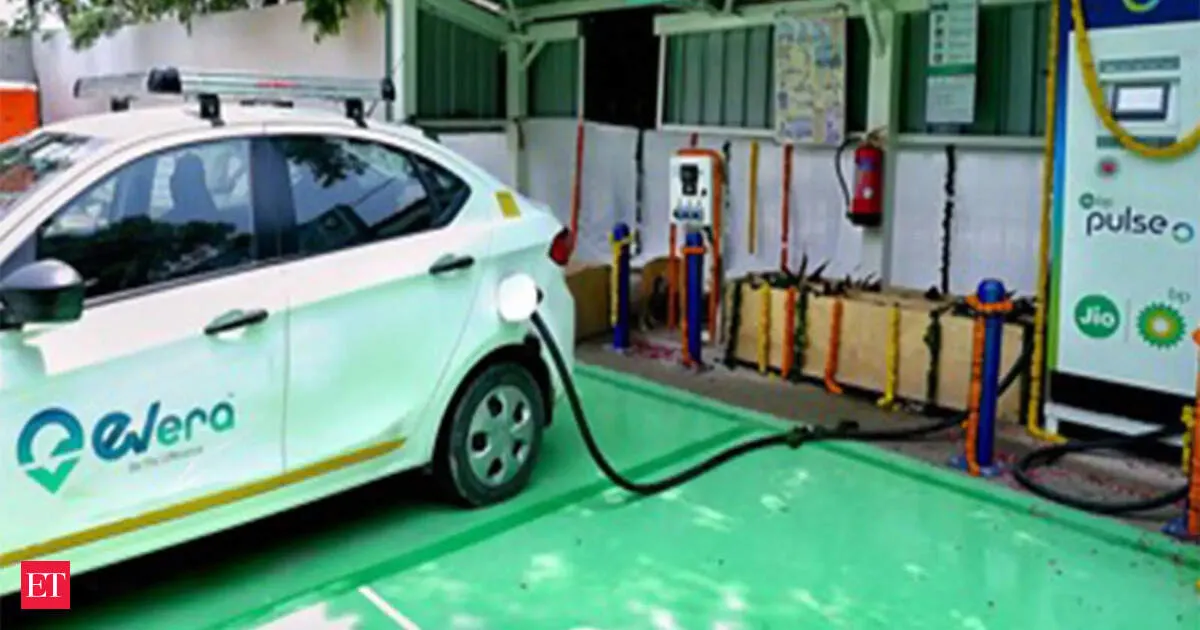
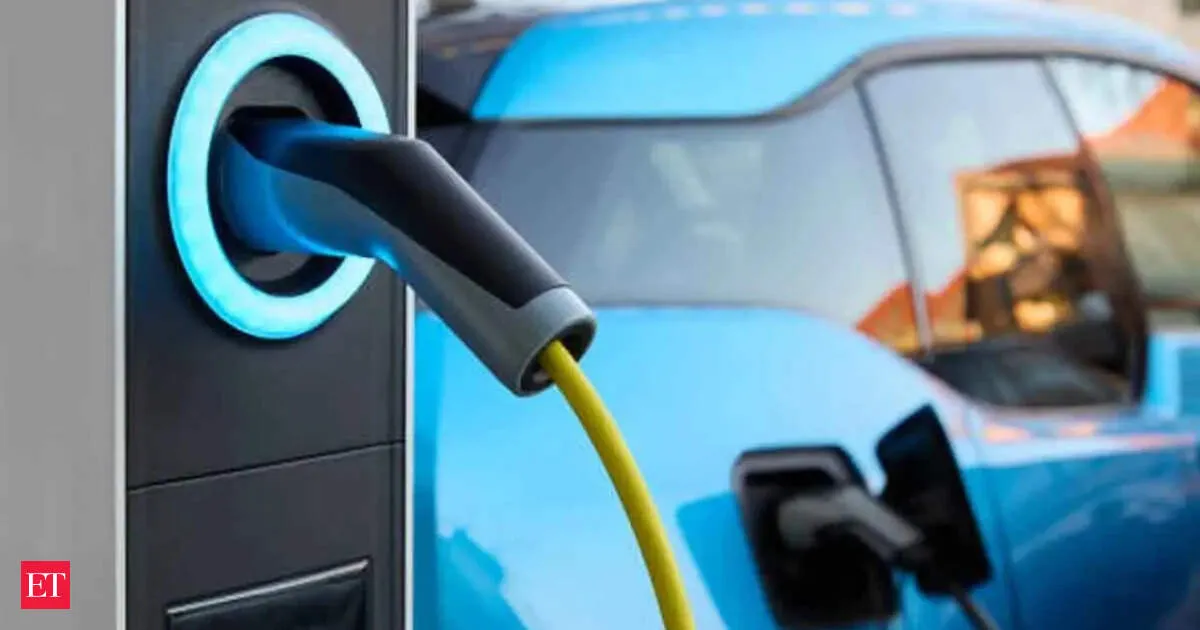
India’s electric vehicle interest is rising fast, but charging infrastructure is not keeping pace. As forecasts point to millions of EVs in daily use, the current network of charging stations appears insufficient for the scale of demand. The result: a growing risk that charging bottlenecks could slow adoption unless capacity expands quickly across cities and highways.
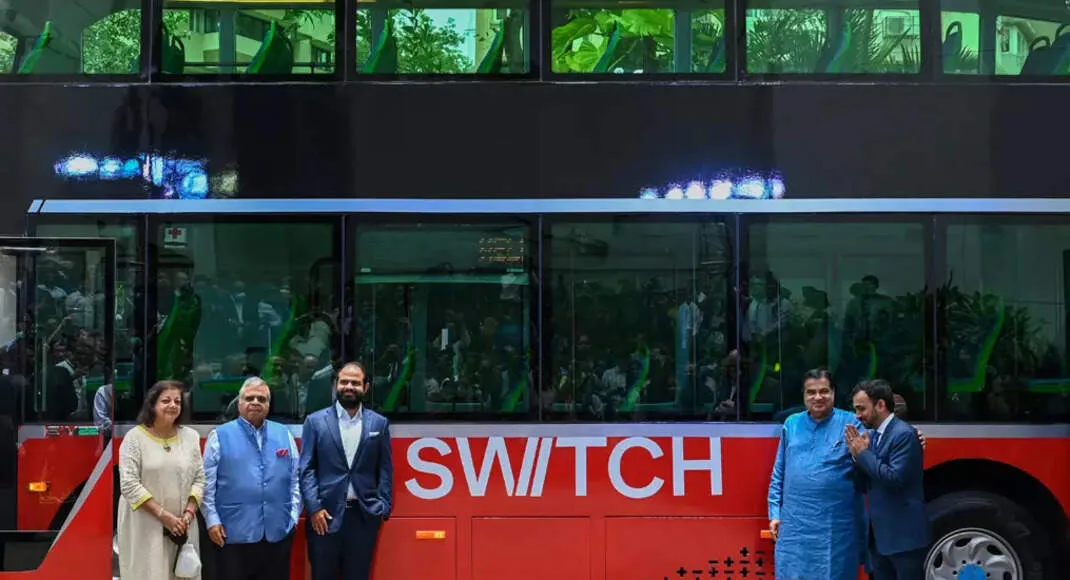
India’s PM-eBus Sewa scheme, backed by INR 57,613 crore, is set to prioritize cities with no organized bus services—aiming to bring electric commutes to tier 2 and tier 3 towns. As manufacturers scale up and states push decarbonized public transport, the big question is how financing and charging infrastructure bottlenecks will be solved fast enough to deliver buses on the ground.
Never miss a story
Set alerts for the topics and sources you care about. Download Beige for free.
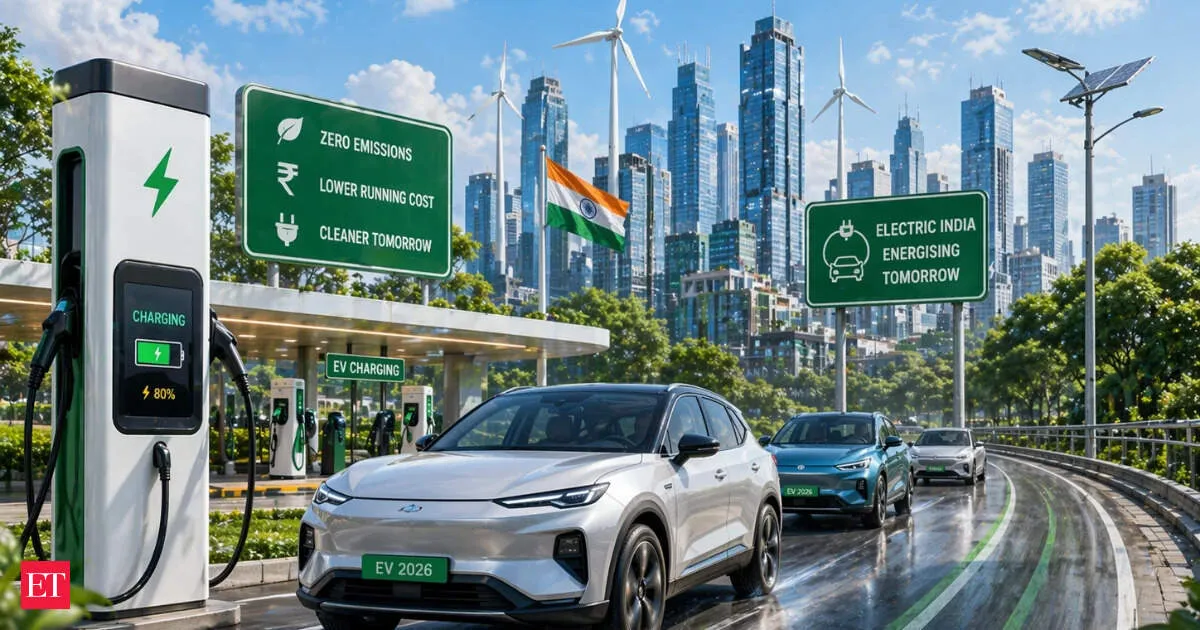
India’s EV market in 2026 is growing fast as new models and acceptance lift sales momentum. But the road ahead looks harder: high upfront costs, uneven charging infrastructure, and a challenging path to 30% EV sales by 2030. Without fixes to affordability and availability, the rollout could slow despite rising interest.
Swipe through stories, personalise your feed, and save articles for later — all on the app.