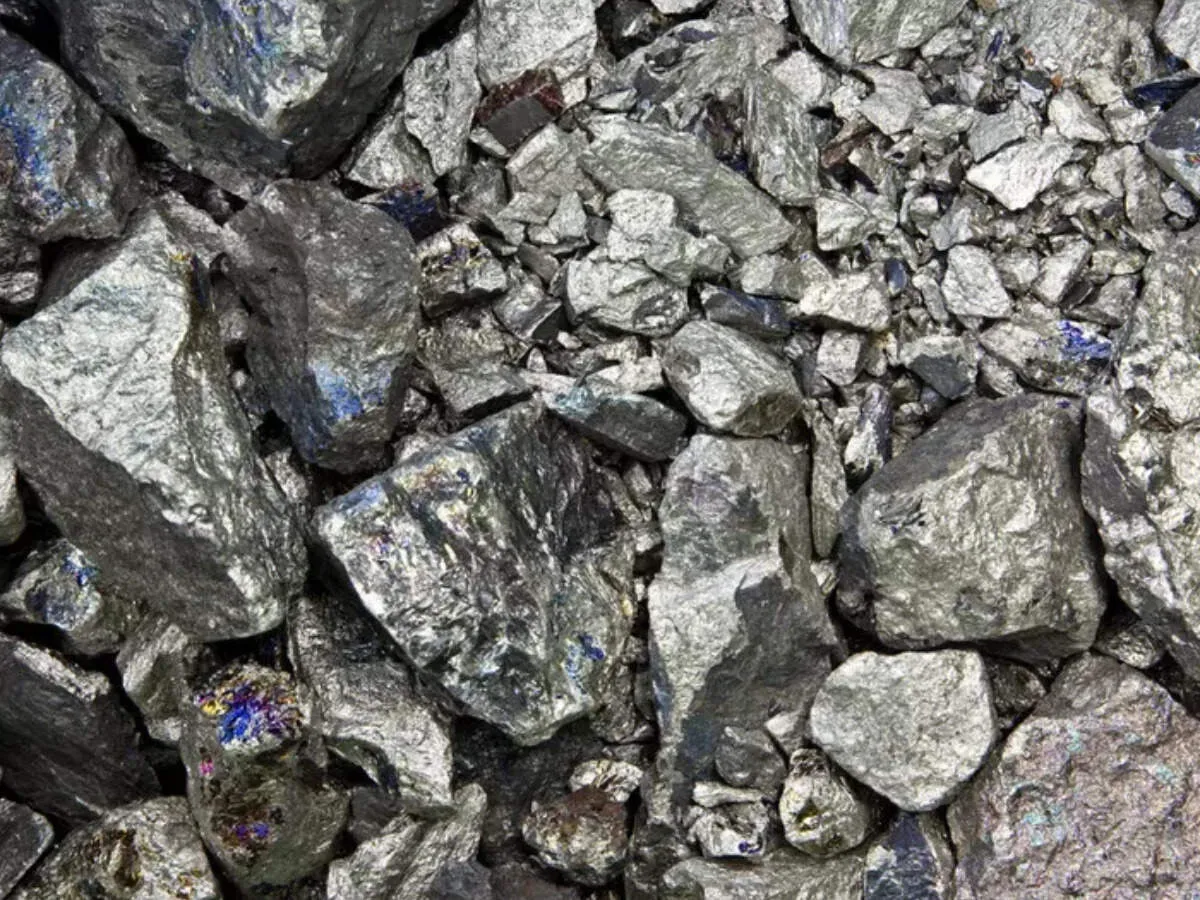
India is recalibrating its economic approach to East Africa as global supply chains realign and energy transition needs intensify. At a conference in New Delhi hosted by Chintan Research Foundation, speakers said bilateral trade has climbed steadily to nearly $16 billion, with strong import growth in 2024–25. The next step, they argued, is deeper industrial integration, regional value chains, and digital connectivity—especially around critical minerals. Bottlenecks in logistics, trade finance, and routing via West Asian hubs must be addressed for scale. Renewable energy cooperation was flagged as a long-term strategic collaboration.
PE firm Lightrock is launching its $500 million, energy-focused fund Accelerate7, aiming to back growth-stage startups across Southeast Asia, South Asia, and Sub-Saharan Africa. Lightrock expects a meaningful allocation to India, targeting companies advancing UN SDG 7 through energy storage, electric mobility, sustainable energy transition, energy financing, and related enabling tech. The fund will invest $10–$50 million per startup, backed by a requirement for commercial viability and regular impact reporting. It has already invested in Euler Motors and SolarSquare.
Your news, in seconds
Get the Beige app — every story in 60 words, updated hourly. Free on iOS & Android.
India’s geothermal resources are estimated at 11,000 GW, with the potential to support electricity, cooling, and industrial heat while creating up to 700,000 jobs. After slow progress in the past, new technologies and policy momentum are making large-scale geothermal projects more realistic. Geothermal could also strengthen energy security with minimal environmental impact and independence from weather swings.
The former coal-mining town of Cumberland is turning an old fossil-fuel legacy into a potential clean-energy breakthrough. Researchers with the University of Victoria’s ACET initiative are studying geothermal heat use from underground mine tunnels, where trapped water could act like a massive underground thermal battery to heat and cool local buildings—using infrastructure that once powered coal extraction.
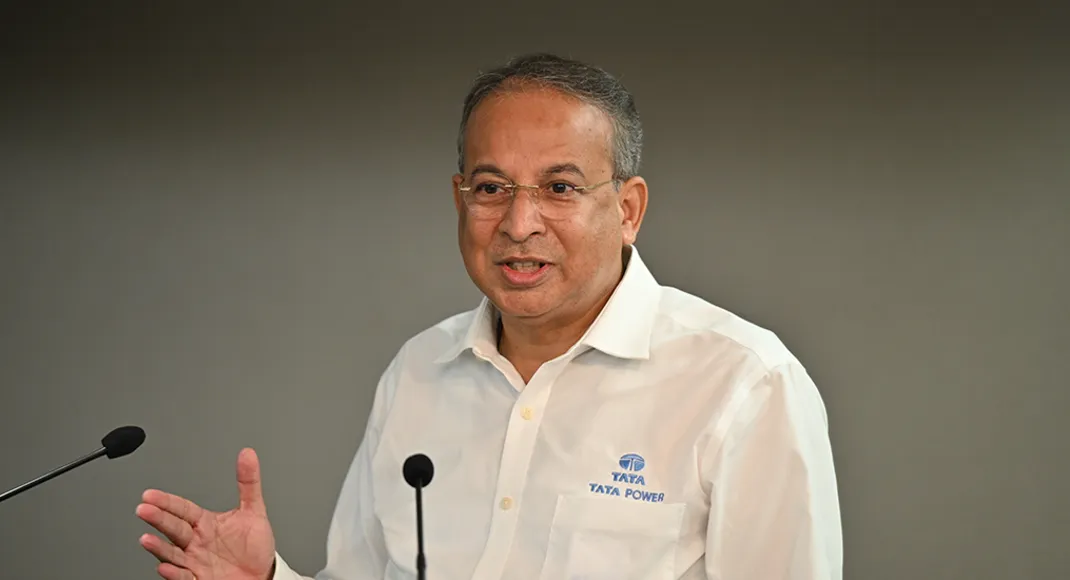
Tata Power and Bhutan’s Druk Green Power Corporation (DGPC) have broadened their hydropower partnership by adding the 404 MW Nyera Amari I & II Integrated Hydropower Project. The move raises the collaboration’s identified hydropower capacity to 5,033 MW, up from 4,500 MW earlier, strengthening long-term clean energy supply plans.
Global Energy Alliance has appointed Tanya Singhal to lead its India operations, with a mandate to scale the alliance’s work across the country’s energy systems. Her focus includes advancing clean power through battery storage, grid digitalization, and distributed energy—key pillars aimed at improving reliability and accelerating the transition to cleaner electricity.
Never miss a story
Set alerts for the topics and sources you care about. Download Beige for free.
Bhutan has signed $515 million in financing deals with the World Bank, partnering with Tata Power, to develop the 1,125 MW Dorjilung Hydroelectric Power Project. Scheduled for completion by 2031, it could generate over 4,500 GWh yearly, lift GDP by 2.4%, and supply nearly 80% of output to India while cutting about 3.3 million tons of CO₂ annually.
Microsoft’s rapid push to expand data centers for AI workloads is raising concerns about whether it can meet its clean power targets. As new sites require large, immediate electricity volumes, the company may face delays or tradeoffs in scaling renewable procurement and grid partnerships—putting a cornerstone sustainability goal under pressure.
India and the European Union have launched a joint initiative to recycle electric vehicle batteries, aiming to secure raw materials and accelerate a circular economy. The effort comes with a 15.2 million euro funding pool for advanced recycling technologies and pilot projects in India, bringing together researchers, industry and startups to develop scalable solutions.
The Asian Development Bank has launched a new facility to strengthen critical minerals supply chains across Asia and the Pacific. The effort is designed to help developing economies shift toward higher-value clean energy and advanced technology industries. Japan and the UK provide initial grants, while Korea’s Eximbank and Trade Insurance add catalytic finance support.
Reading on mobile?
Open Beige in the app for a smoother experience — free on iOS and Android.
The Mines Ministry has approved 58 companies under a ₹1,500 crore incentive scheme to expand recycling of critical minerals. Part of the National Critical Mineral Mission, the plan is designed to build domestic capacity to process materials from lithium-ion batteries, e-waste and industrial scrap, cutting import reliance while supporting clean energy and manufacturing.
Rising global fuel costs are forcing households in Kenya and India to abandon cleaner energy and return to burning charcoal and wood. The shift is increasing daily burdens on women and girls while straining conservation groups already facing funding and operational challenges. As people search for cheaper fuels, wildlife habitats and public health risks grow across forests and communities.
Adani Green Energy Limited plans to invest around ₹42,000 crore in FY27, targeting nearly 5 GW of new clean energy capacity. The company reported the highest annual greenfield renewable additions globally outside China in FY26 and now has an operational portfolio of 19.3 GW. It is also stepping up investments in energy storage solutions to strengthen future output and reliability.
ReNew will break ground in Andhra Pradesh’s Anakapalli district on a ₹5,400 crore, 6 GW solar ingot and wafer manufacturing facility. Tied to the state’s Integrated Clean Energy Policy 2024, the project aims to strengthen India’s domestic solar supply chain, cut import dependence, and support clean energy targets. It is expected to be commissioned within 24 months and create 2,100 jobs.
Follow your favourite sources
Track sources, tags and categories — all in the Beige app.
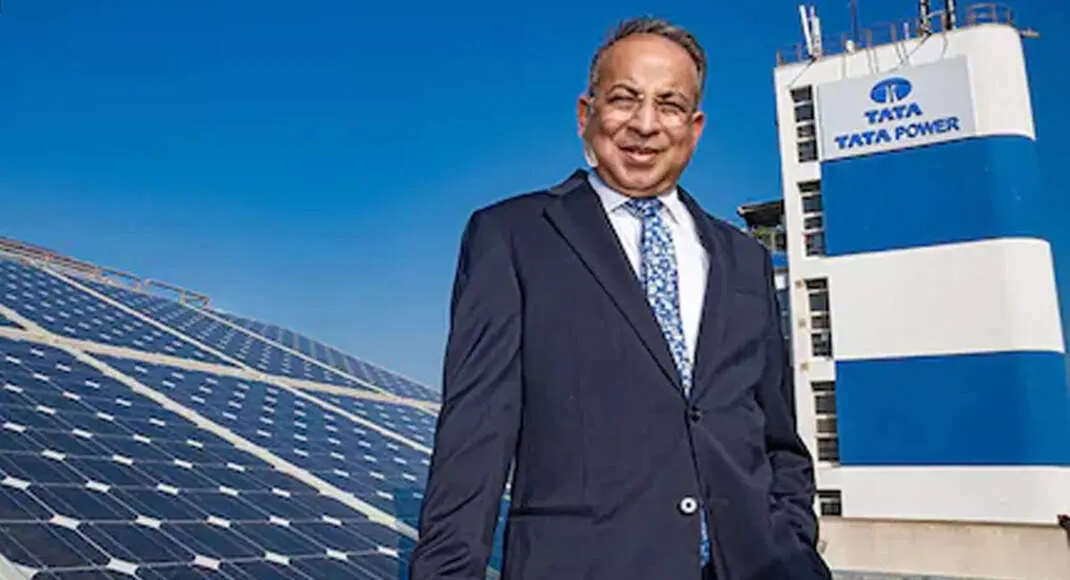
Tata Power says it will stop investing in new coal-fired power plants, while targeting a major solar milestone in the fourth quarter of FY25. The company is also preparing to begin a significant hydro project in January 2025, reinforcing its shift toward cleaner energy backed by financial discipline.
In 2020, Tata Power took over Odisha’s electricity network when it was in disarray. Five years later, the state has become Tata Power’s standout turnaround and a platform for an ambitious INR10,000-crore clean energy plan. The success story underscores how fixing reliability and operations can unlock major investment momentum in the power sector.
India is planning a major wind energy expansion, aiming to reach 100 gigawatts by 2030 and 156 gigawatts by 2036. The move, flagged by Pralhad Joshi, underscores a fast-growing clean energy roadmap, with wind expected to play a central role in powering the country’s greener future.
India’s Viksit Bharat push by 2047 is at risk if the country continues leaning on imported fossil fuels. The argument: clean energy is essential not just for climate goals, but for economic stability and global influence. Progress in non-fossil power and green hydrogen must be accelerated, with stronger storage and “firm” clean power to secure energy sovereignty and developed-country status.
Stay informed on the go
Bite-sized news from 100+ trusted sources, right in your pocket.
Clean energy startup Ecoil raised $2.5 million in a funding round led by Fundalogical Ventures. Founded in 2019 by Sushil Vaishnav and Kirti Vaishnav, Ecoil collects used cooking oil from restaurants and hotels, manages it, and converts it into biofuel. The fresh capital will help expand operations, upgrade its technology platform, and grow its footprint across major Indian markets.
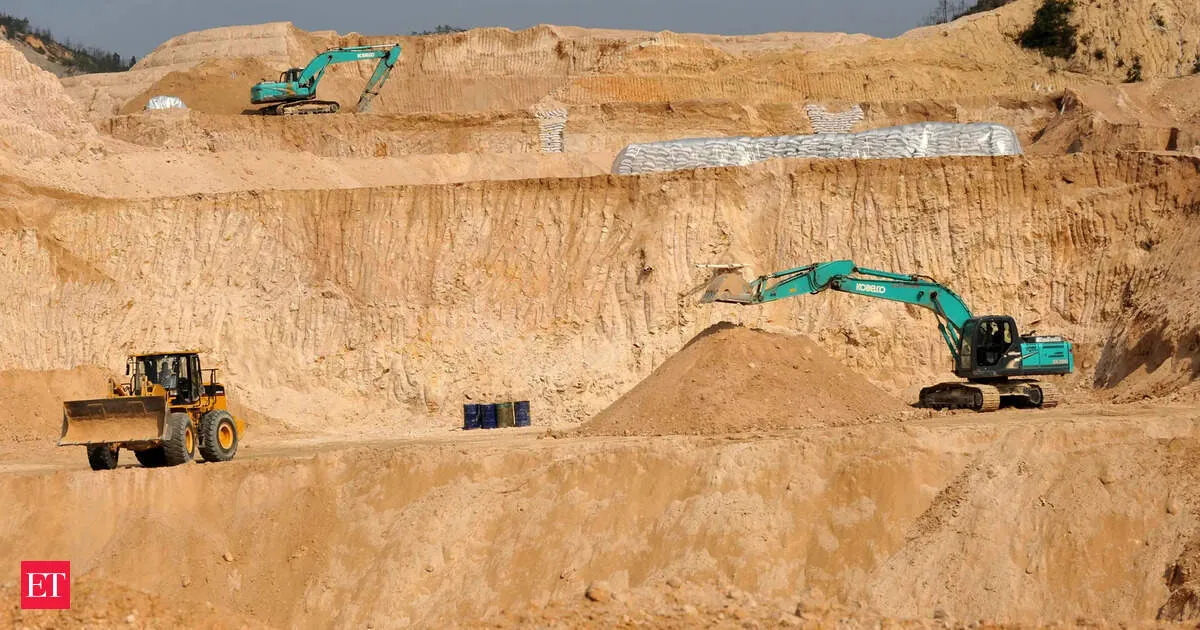
China controls most of the refining of rare earths used in chips, clean energy systems, and advanced manufacturing, even though deposits exist elsewhere. That concentration gives Beijing major leverage, raising supply-chain and geopolitical risks for Europe and other Western economies. Now governments are scrambling to secure access and reduce dependency, with industrial planning tied to mineral strategy.
Swipe through stories, personalise your feed, and save articles for later — all on the app.