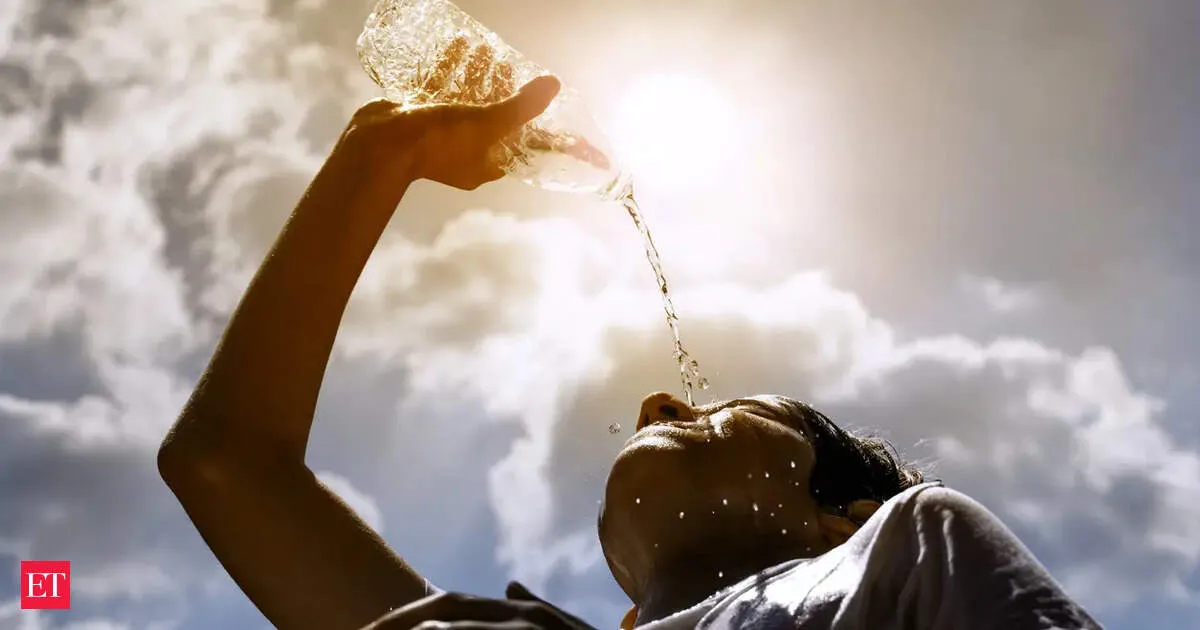
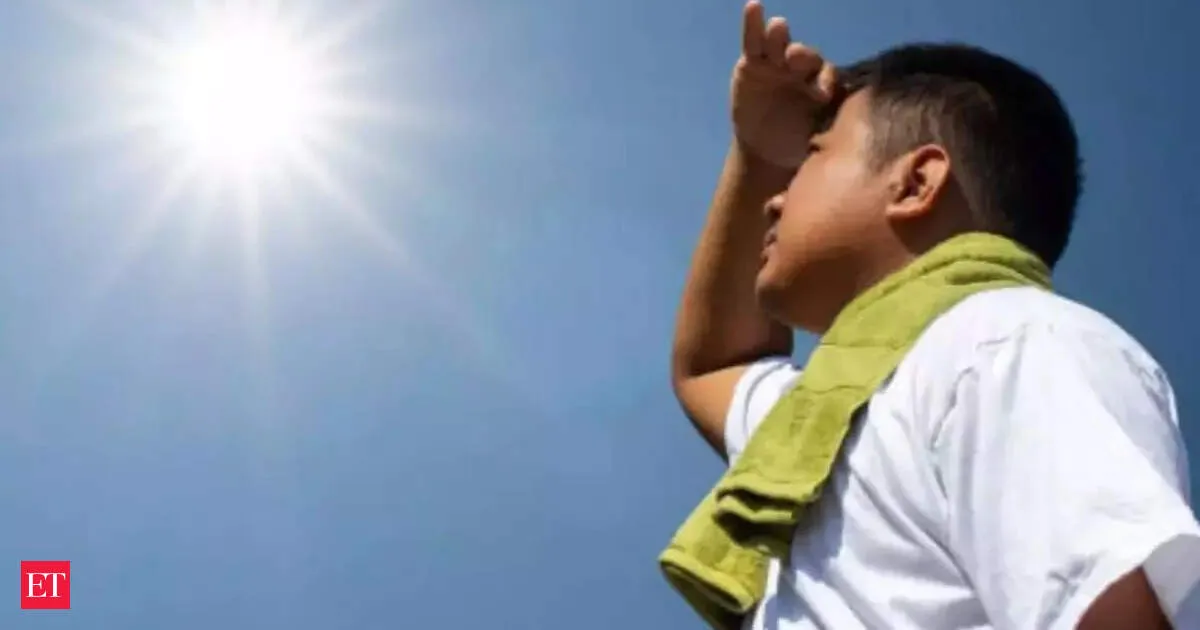
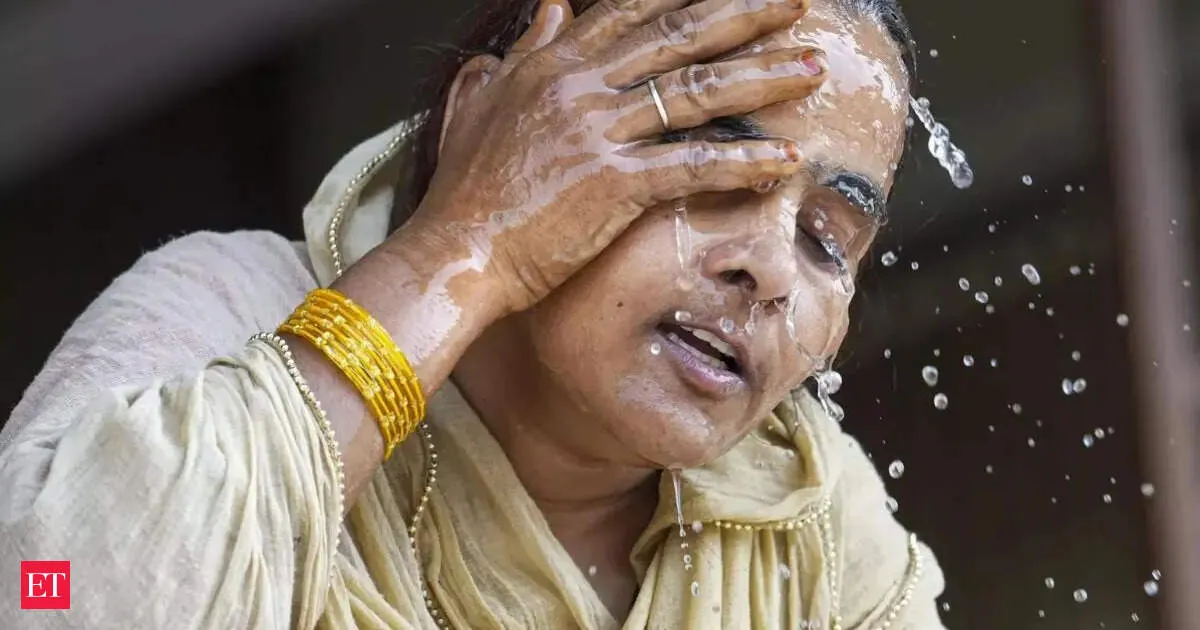
The India Meteorological Department (IMD) says it will revise its criteria for declaring heatwave conditions because the current parameters do not match India’s diverse geography. Kerala has struggled with warnings during a summer marked by severe heat and unusual humidity, including an anti-cyclone system forming unusually far south that kept nights unusually hot. IMD says night temperatures were 3 to 4 degrees Celsius above normal, and heatwave alerts were limited by station and threshold rules. Changes will be finalized after consulting disaster management authorities.
Forecasters are warning that a powerful Super El Niño could form in 2026, following the decline of current La Niña conditions. Reports cite around a 70% chance of El Niño developing by June, with major climate agencies linking El Niño to higher global temperatures and major weather disruption. If a super event emerges, experts fear India’s monsoon could weaken, with rainfall potentially falling to about 92% of the long-period average, straining agriculture worldwide and fueling food inflation.
Your news, in seconds
Get the Beige app — every story in 60 words, updated hourly. Free on iOS & Android.
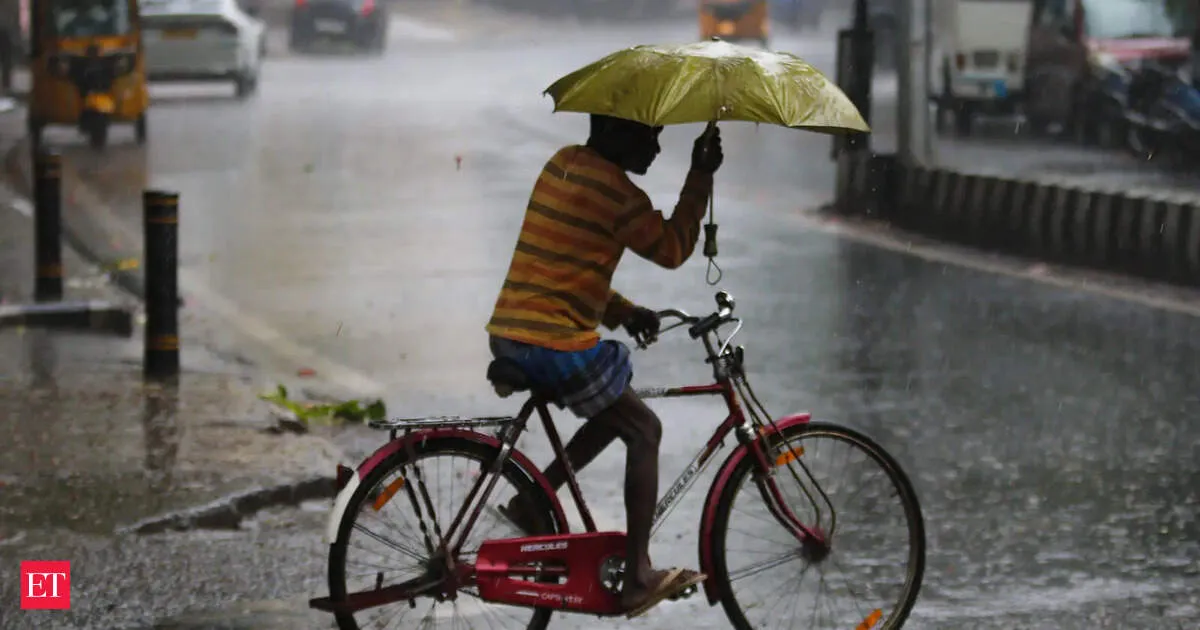
Powerful pre-monsoon storms across Uttar Pradesh have killed at least 111 people, officials said, after an updated tally from an earlier figure of 89 deaths. Gales, lightning and torrential rain tore off tin roofs, uprooted trees and left roads blocked, with at least 72 injured and over 200 homes damaged initially. A widely shared video from Bareilly reportedly shows a labourer lifted about 50 feet while securing a roof, and he survived. Officials are distributing financial aid to families.
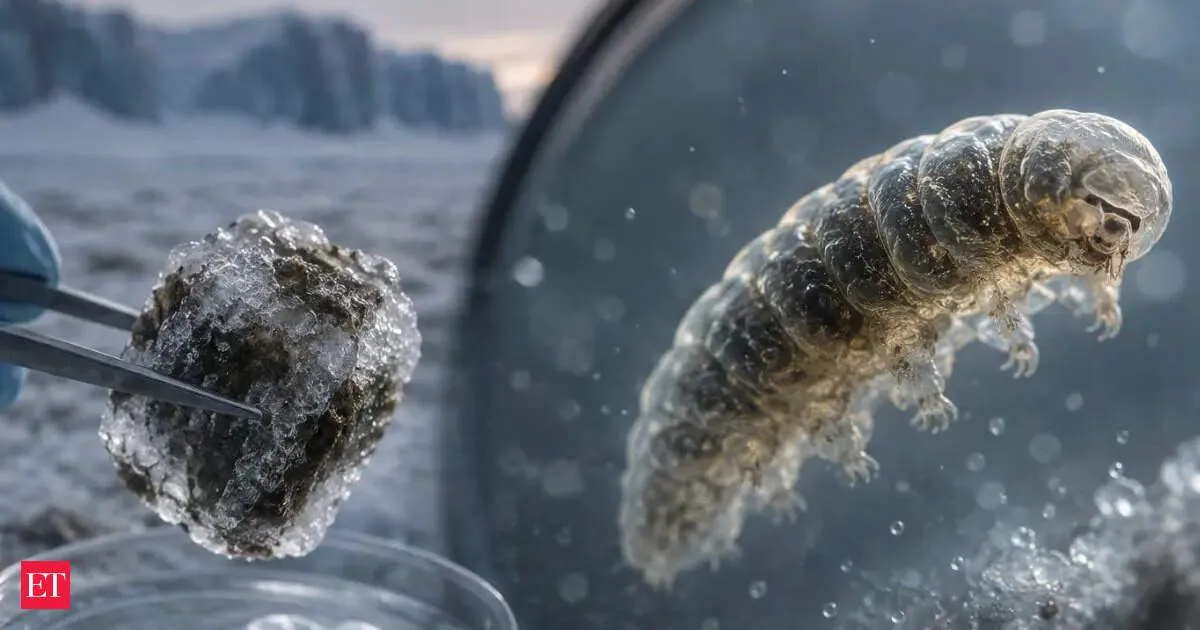
Scientists have revived a 24000 year old bdelloid rotifer from Siberian permafrost, a microscopic “zombie worm” that can withstand freezing, starvation, and even reproduce without a partner. The breakthrough underscores how resilient life can be in extreme conditions, while also raising new worries that thawing Arctic permafrost could awaken ancient microbes and mobilize stored carbon.
Record wildfires are spreading across Africa and Asia, with scientists warning that conditions could worsen as summer peaks and El Nino strengthens. The combination of climate change and El Nino may trigger unprecedented weather extremes. In Africa alone, land burned is already up 23% compared with the previous record, raising alarms over heat, drought, and fire risk.
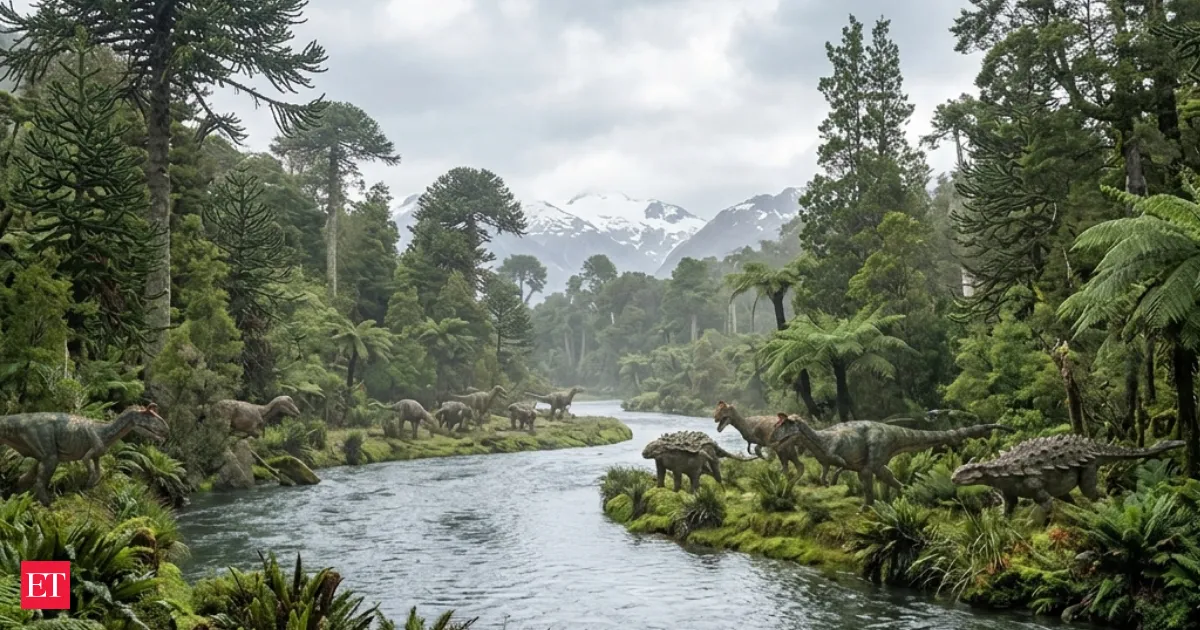
New fossils buried under Antarctica’s ice have revealed the continent was once a swampy temperate rainforest around 90 million years ago. Researchers estimate a warm, moist climate with average temperatures near 12°C—far from today’s icy conditions. The discovery reshapes Earth’s ancient climate timeline and underscores how greenhouse gases can dramatically transform polar regions.
Never miss a story
Set alerts for the topics and sources you care about. Download Beige for free.
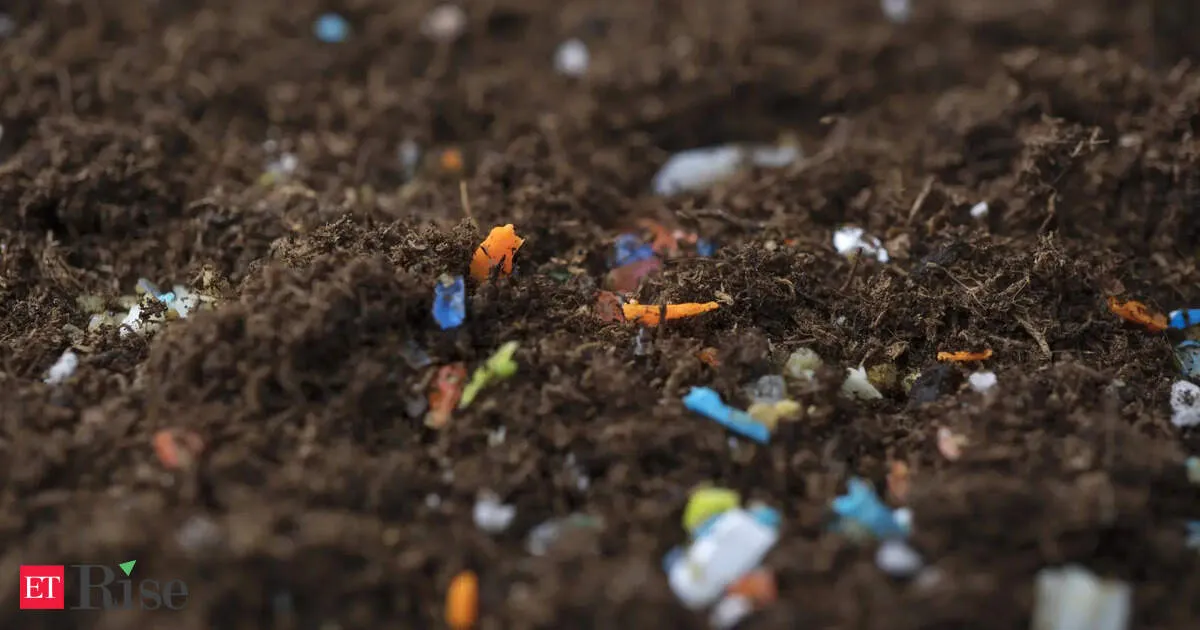
Scientists report that colored microplastics floating in the atmosphere can trap heat much more effectively than previously assumed, especially over regions with heavy plastic pollution. The findings suggest current climate models are missing a key warming driver. Researchers say model updates are needed to better forecast temperature trends and understand the full climate impact of plastic waste.
Argentina is investigating whether it is the origin of a deadly hantavirus outbreak after cases emerged on a cruise ship, alongside a sharp rise in infections in the country. Experts say climate change may be expanding rodent habitats, boosting transmission. The Andes virus strain, linked to recent deaths and potentially capable of human-to-human spread, is now under scrutiny.
The giant A-23A iceberg, floating since 1986, is now nearing its end as bright aquamarine meltwater pools spread across its surface. Scientists say the blue spots show the ice is weakening and breaking apart after its long drift in the Southern Ocean. Researchers are monitoring the collapse closely as a stark, visible reminder of climate change at work.
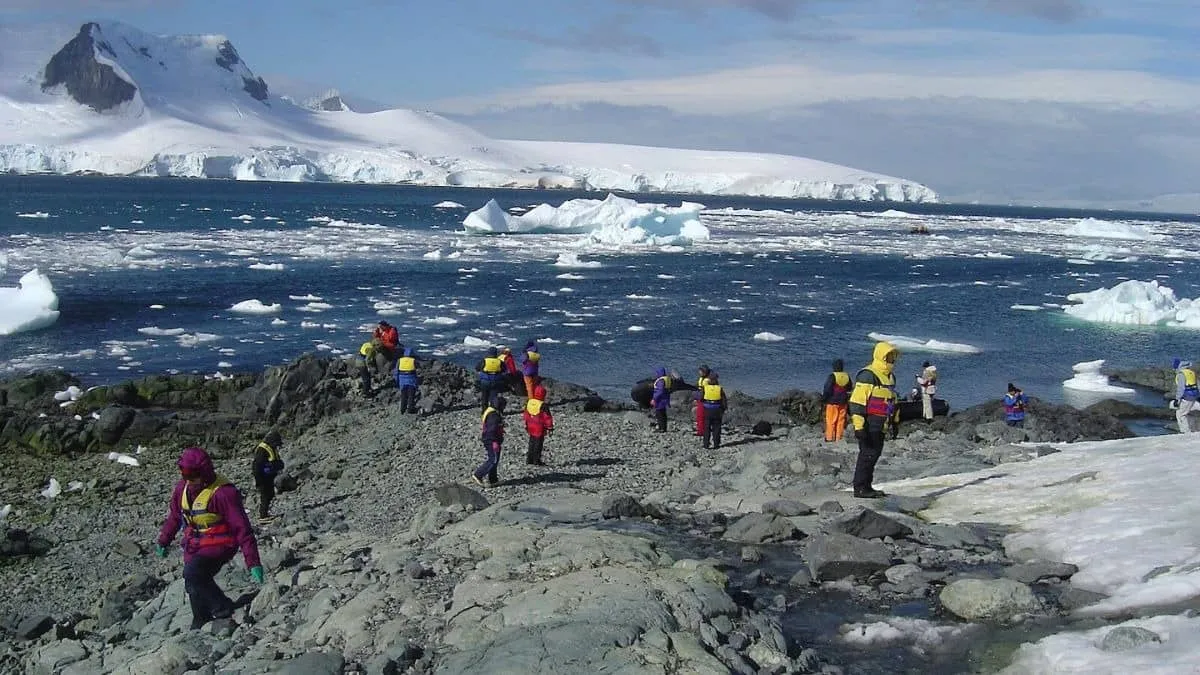
Antarctica’s tourism surge, fueled by both curiosity and fears that climate change may permanently alter the continent, is driving fresh concerns. Experts warn that more visitors can increase contamination, illness, and environmental strain. In response, tour operators and regulators are tightening conduct and hygiene rules to reduce the chances of spreading contaminants among tourists and the fragile ecosystem.
Reading on mobile?
Open Beige in the app for a smoother experience — free on iOS and Android.
Scientists are sounding the alarm over heat resistant free living amoebae, including Naegleria fowleri, as warming climates and aging water infrastructure improve their survival. While most strains are harmless, some can cause rare but deadly infections. Researchers say that because these microbes can withstand heat and disinfectants, countries need faster surveillance and water treatment upgrades to prevent outbreaks.
UN climate chief Simon Stiell says the war in West Asia is triggering an oil price shock that is squeezing the global economy and accelerating the transition to renewable energy. Speaking at an IEA energy transition meeting in Paris, Stiell described a “fossil fuel cost crisis” that has effectively tightened its grip, giving renewables an unexpected boost.
New projections by CEEW warn that India is likely to experience 15 to 40 additional unusually hot days each year over the next two decades. The change won’t be limited to daytime heat, with unusually warm nights also expected to rise—straining health and productivity. Central and southern regions may face sharper increases, alongside more frequent heavy rainfall events.
France, during its G7 presidency, plans to advocate for a major overhaul of the Development Assistance Committee metrics used to decide who receives global development aid. Minister Eleonore Caroit says today’s income-based criteria fail to reflect climate-driven vulnerabilities, especially for small island states. The push seeks better targeting and more sustainable aid delivery.
Follow your favourite sources
Track sources, tags and categories — all in the Beige app.
India is grappling with worsening heatwaves, with temperatures hitting around 46°C in many areas. El Nino may intensify conditions and disturb monsoon patterns, but experts say it is not the only explanation. Persistent high pressure over the region and a decline in western disturbances are cited as key reasons heat stays longer and spikes harder across the country.
India has submitted revised targets for 2031 to the UN climate change body, following a March Cabinet approval of its nationally determined contributions. The NDCs are non-binding, voluntary plans countries commit to under the 2015 Paris Agreement, outlining the climate actions India intends to implement in the years ahead.
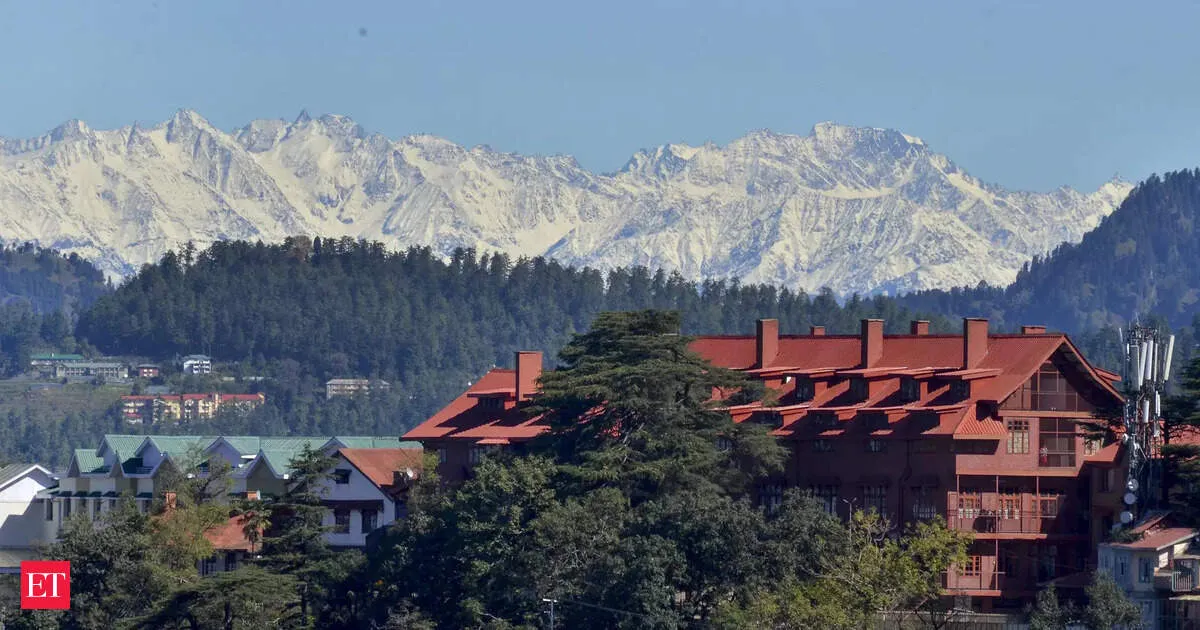
Snow cover across the Hindu Kush Himalaya has fallen to its lowest level in more than two decades, with weak snow levels persisting for the fourth year in a row. The result: reduced snow storage, meaning rivers may carry less water. With major basins like the Indus and Mekong seeing sharp declines, nearly two billion people could feel the impact.
The World Meteorological Organisation says the Equatorial Pacific is shifting as sea surface temperatures rise, making a return of El Niño likely by May to July 2026. Its Global Seasonal Climate Update also predicts nearly global dominance of above normal land surface temperatures, alongside uneven rainfall patterns across regions—raising concerns for heat stress and water planning worldwide.
Stay informed on the go
Bite-sized news from 100+ trusted sources, right in your pocket.
A major scientific study warns that climate change will intensify extreme weather, with heatwaves, floods, droughts and wildfires increasing in frequency and impact. By 2085, more than one-third of land animal habitats could be threatened. Researchers say multiple climate stressors overlapping could speed biodiversity loss and raise extinction risks across ecosystems worldwide.
Alcohol giants including Diageo, Pernod Ricard, Radico Khaitan, and Sula Vineyards are rethinking climate risk. With global warming pressuring water supplies, some are sourcing water from the air rather than the ground. The shift highlights how major spirits and wineries are moving fast on sustainable measures to protect production and future growth.
Swipe through stories, personalise your feed, and save articles for later — all on the app.