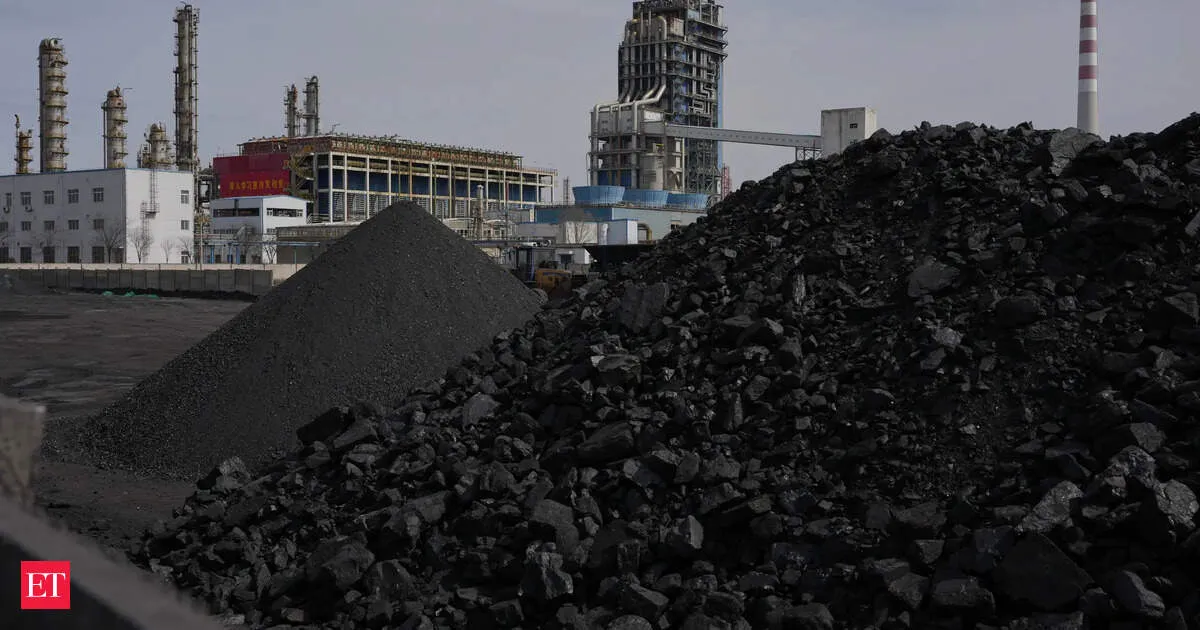
NLC India shares climbed 18% to a fresh record after the PSU reported a 189% year-on-year jump in Q4 net profit to Rs 1,394 crore. Revenue grew 32%, and the board recommended a final dividend. The company also clocked record annual coal production, alongside its highest-ever full-year profit, fueling investor optimism.
Sri Lanka’s Public Utilities Commission has approved another rise in electricity tariffs, marking the third increase this year. Households using more than 180 units per month will face an 18% jump. The regulator says 95% of consumers will be unaffected, and it ordered the National Systems Operator to exclude coal costs from future tariff revisions.
Your news, in seconds
Get the Beige app — every story in 60 words, updated hourly. Free on iOS & Android.
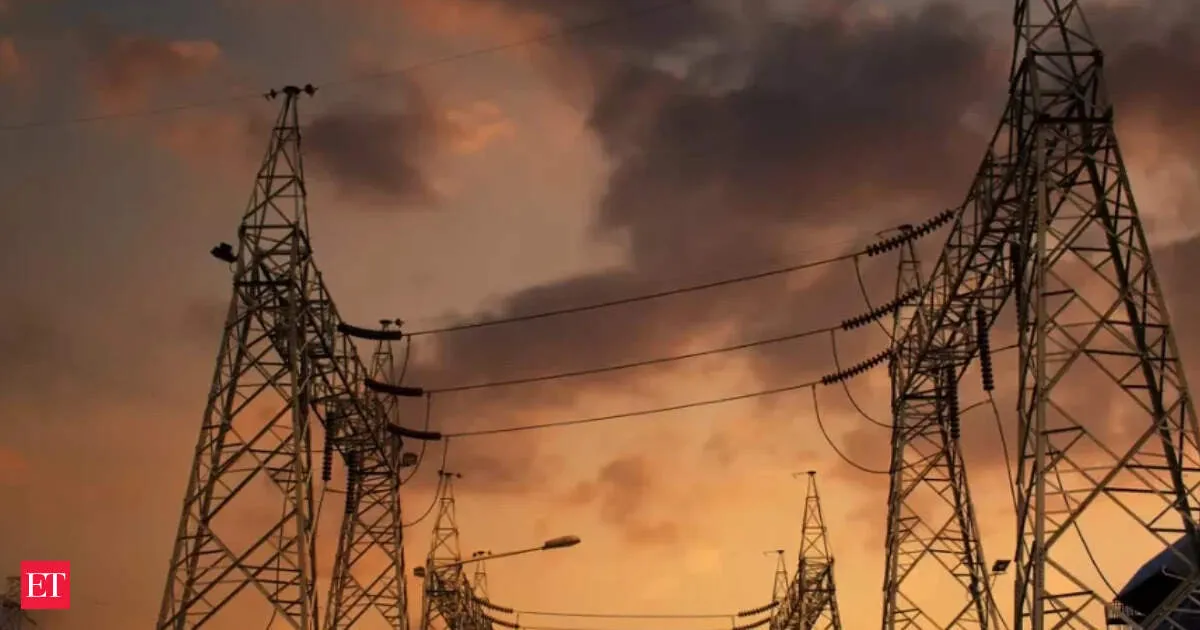
India’s power debate is shifting from “enough electricity” to “reliable electricity” during non-solar hours. Citi warns that fast renewable growth strains evening and night demand, exposing gaps in transmission and storage. Battery storage and flexible thermal generation could become essential, while delays in adding capacity may trigger new shortages. Coal remains key for stability.
A high court-appointed panel has flagged two cement companies in Meghalaya for allegedly transporting over 2.93 lakh metric tonnes of coal without mandatory approvals. The committee says the coal movement lacked essential documents and weekly returns, suggesting a serious breach of state norms. It recommends tougher enforcement and improved tracking to prevent illegal coal movement across Meghalaya.
Torrent Power is preparing what could be its biggest corporate debt issuance yet, with its first acquisition funded bond sale of the current financial year. Merchant bankers told Reuters the company aims to raise capital specifically to bankroll a coal-related acquisition, signaling a more aggressive funding push via the bond market to support deal execution.
At COP28, India is expected to build on G20 climate outcomes by backing faster renewable growth and calling for about $4 trillion annually in climate finance for developing countries. But it is unlikely to sign onto stronger coal phasedown pledges, setting up a tough negotiation as global targets tighten while India seeks flexibility for its energy transition.
Never miss a story
Set alerts for the topics and sources you care about. Download Beige for free.
COP28 offered India a stronger platform to argue for coal as a long-term necessity, contrasting developed nations that rely more on oil and gas. India maintained that coal will help meet rising energy demand while renewable capacity expands. The takeaway: the transition to cleaner power is underway, but not at the cost of immediate energy security.
NTPC argues it is building a “bridge” between dependable coal generation and future renewables, insisting the transition won’t happen overnight. The stance raises a pointed question: can a company expanding major coal capacity truly position itself as a clean energy leader, or is it simply prolonging fossil dependence while renewables remain a long-term promise?
India’s renewable power generation hit a record high in 2025, driven by solar and wind reaching new individual highs. The rapid rollout and output growth pushed coal generation down, signaling a clear shift in the energy mix. Still, coal remains the dominant source of electricity, underscoring how far the transition has to go.
India’s coal stocks have crossed 200 million tonnes, enough to cover 90 days of demand, marking a notable rise from earlier levels. The government also says coal production hit one billion tonnes for the second straight year. With reforms and auctions underway, officials claim the push is to cut import dependence and strengthen self-reliance in minerals.
Reading on mobile?
Open Beige in the app for a smoother experience — free on iOS and Android.
Trials are underway on 10 coal power units totaling about 18,000 MW to test whether plants originally built for imported coal can operate on local coal blends. The exercise focuses on operational feasibility, measuring effects on efficiency, combustion characteristics and equipment performance—key to shifting supply without compromising output.
Swipe through stories, personalise your feed, and save articles for later — all on the app.