Rising living costs are pushing Americans out of retirement and back into the workforce. A striking share of retirees say they’re working again because they simply can’t make ends meet, with financial need ranking as the top reason. The trend highlights how inflation and expenses are eroding savings faster than many planned.
A Bengaluru couple has gone viral after sharing that they spend nearly ₹1.3 lakh each month on everything from rent and groceries to subscriptions, commuting, and eating out. While some viewers call it “normal Bangalore life,” others argue the figures point to luxury preferences rather than merely rising costs—especially since rent alone is ₹56,000.
Your news, in seconds
Get the Beige app — every story in 60 words, updated hourly. Free on iOS & Android.
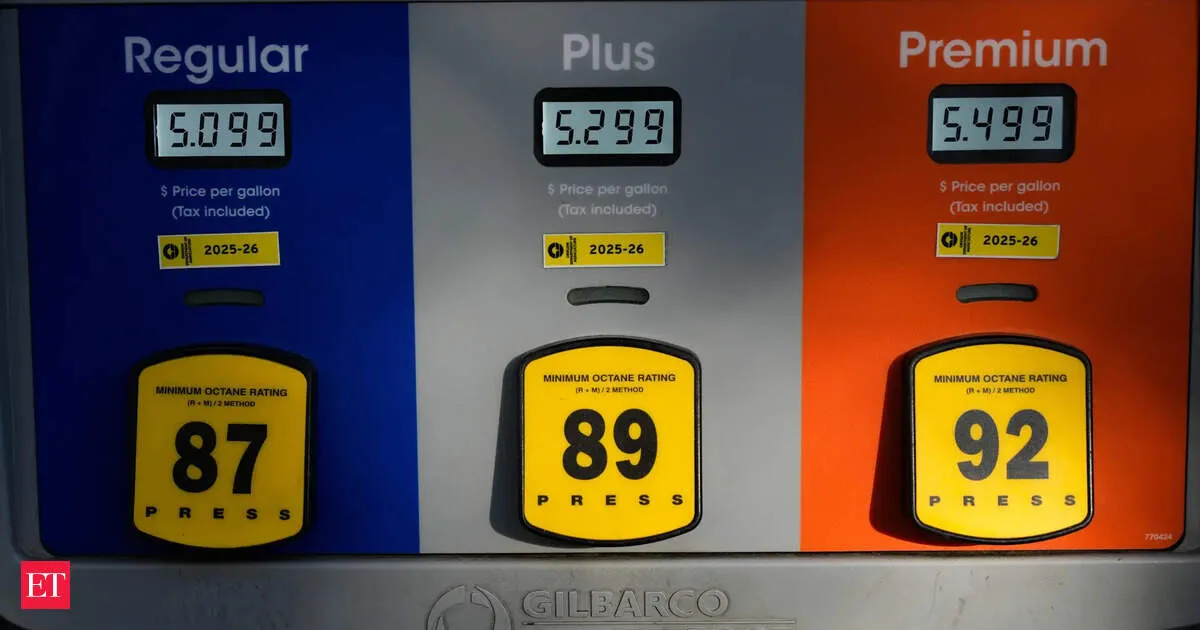
US gasoline prices edged down to an average $4.522 per gallon on May 10, 2026, halting a recent climb. But the spread is stark: California remains the priciest at $6.154, while Oklahoma is among the cheapest at $3.958. Taxes and logistics are major drivers behind the wide state-by-state differences.
Australia’s right-wing populist One Nation has won its first lower house seat, promising to end mass migration and reduce the cost of living. While the result doesn’t change the Prime Minister’s parliamentary majority, it signals momentum for the party, which is polling strongly and whose leader remains highly popular with voters.
Georgia is rolling out 2026 rebate checks of up to $500 to eligible taxpayers following a state budget surplus. Payments began in May 2026 and run through the month. To qualify, residents generally need to have filed recent tax returns. Supporters say it returns extra money to people, while critics warn the amount may not keep pace with rising costs.
France has introduced a one euro three-course meal program for all university students, cutting costs dramatically from the usual price. The move targets student hunger, after nearly half reported skipping meals due to cost. With government funding, officials say quality will be protected and staffing pressures kept manageable while the program scales.
Never miss a story
Set alerts for the topics and sources you care about. Download Beige for free.
President Donald Trump’s approval rating has fallen to a new low as Americans increasingly link his Iran war approach with worsening cost-of-living pressures. Soaring gasoline prices are hitting household budgets, fueling frustration among voters. The political fallout is growing, with Republicans worried about upcoming midterms as independents tilt toward Democrats.
A Chennai woman living in Sweden has compared everyday life and monthly finances for a family of three across India and Sweden. Her account highlights how India can feel comfortable with household help, while Sweden stands out for work life balance and social security. The post has ignited debate on what “quality of life” should really mean.
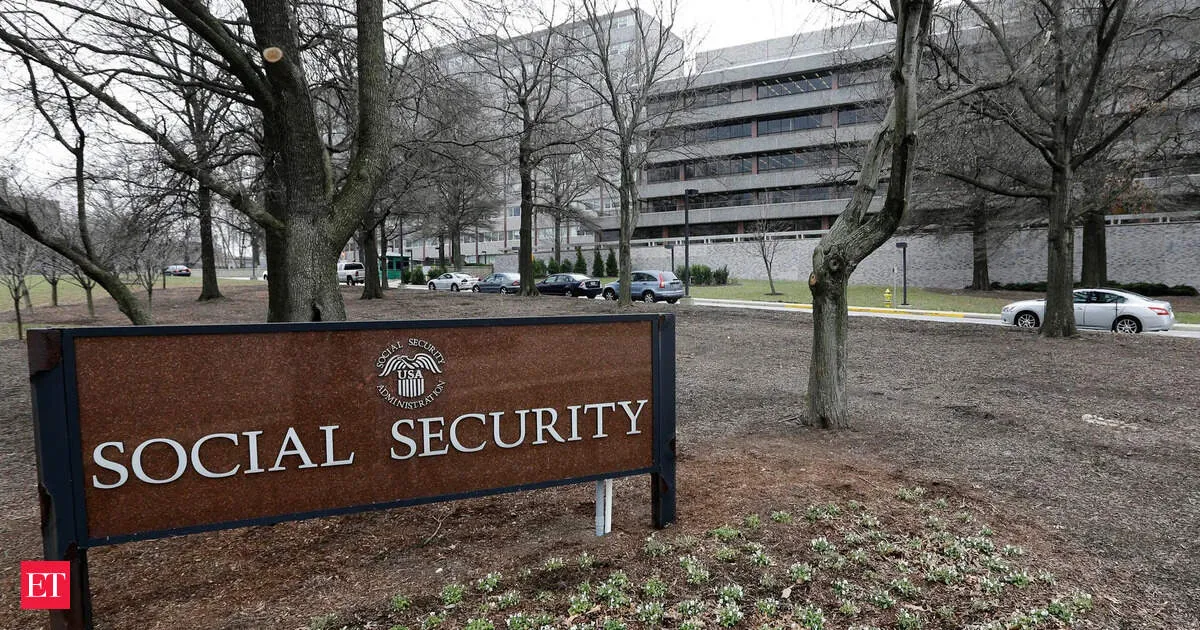
Social Security benefits are increasing by 2.8% for 2026, and May payments will reflect the COLA boost. SSI recipients typically receive payments on the 1st, while retirement benefits vary by birth date. Although average monthly payouts are higher, many retirees still don’t replace their full income, underscoring the importance of building extra savings.
Gasoline prices across the US average $4.099 per gallon today. California and Hawaii are the priciest states, while Texas and Oklahoma offer the lowest fuel costs. Florida remains below the national average, but New York and Washington are higher than average. The snapshot reflects current market conditions for drivers nationwide.
Reading on mobile?
Open Beige in the app for a smoother experience — free on iOS and Android.
Indian students are increasingly moving away from the usual US, UK, Canada and Australia route for study abroad. Stricter visa scrutiny, higher overall costs and worries about post-study job prospects are driving the shift. Ireland, New Zealand and select European countries are emerging as fresh options as applicants take a more strategic, less default approach to international education.
Police in Nairobi fired tear gas to disperse protesters as Kenya’s new Cabinet was sworn in. Demonstrators, starting after calls to reject a controversial finance bill that raised taxes amid a high cost of living, escalated their anger further by demanding President William Ruto’s resignation, clashing with security forces despite ministerial dismissals.
Indian students are increasingly returning home after studying abroad as visa policies—especially in the US and UK—become harder to predict. Rising living costs and weaker job prospects are adding pressure, prompting many to rethink overseas degrees. Instead, students are leaning toward shorter programs or shifting to alternative destinations to reduce risk and improve career outcomes.
Indian students are increasingly moving away from traditional study destinations like the US and UK as visa hurdles tighten and overall costs rise. With higher expenses squeezing budgets, many are turning to Europe—especially Germany and the Netherlands—and also to parts of Southeast Asia. The trend signals a rapid change in how Indian families plan international education.
Follow your favourite sources
Track sources, tags and categories — all in the Beige app.
Swipe through stories, personalise your feed, and save articles for later — all on the app.