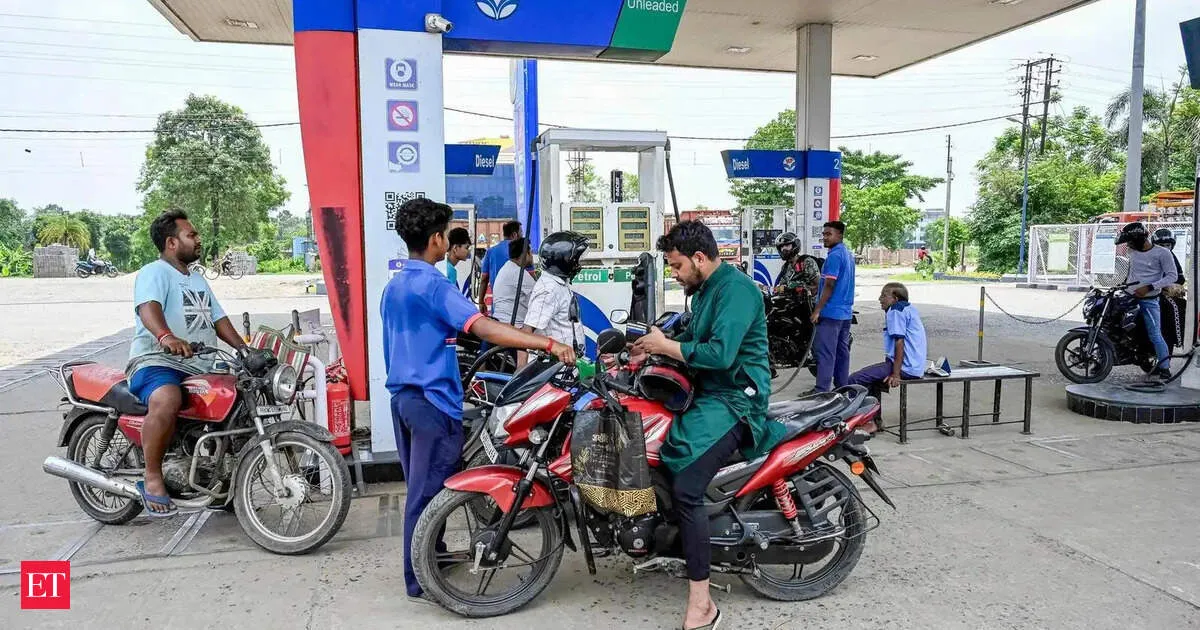
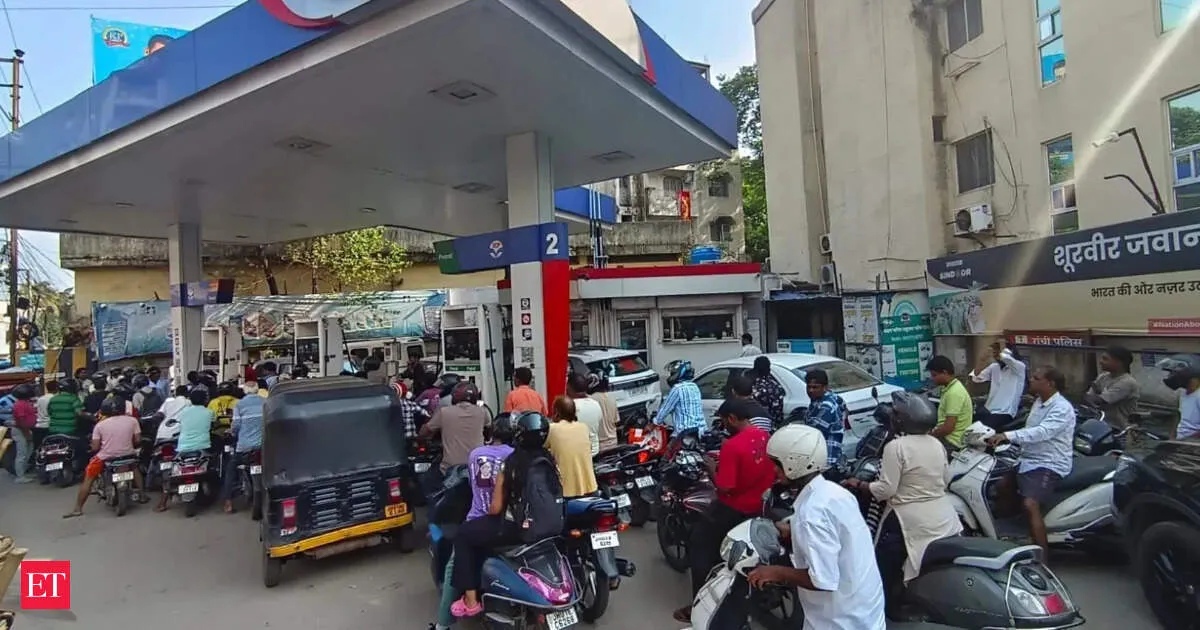
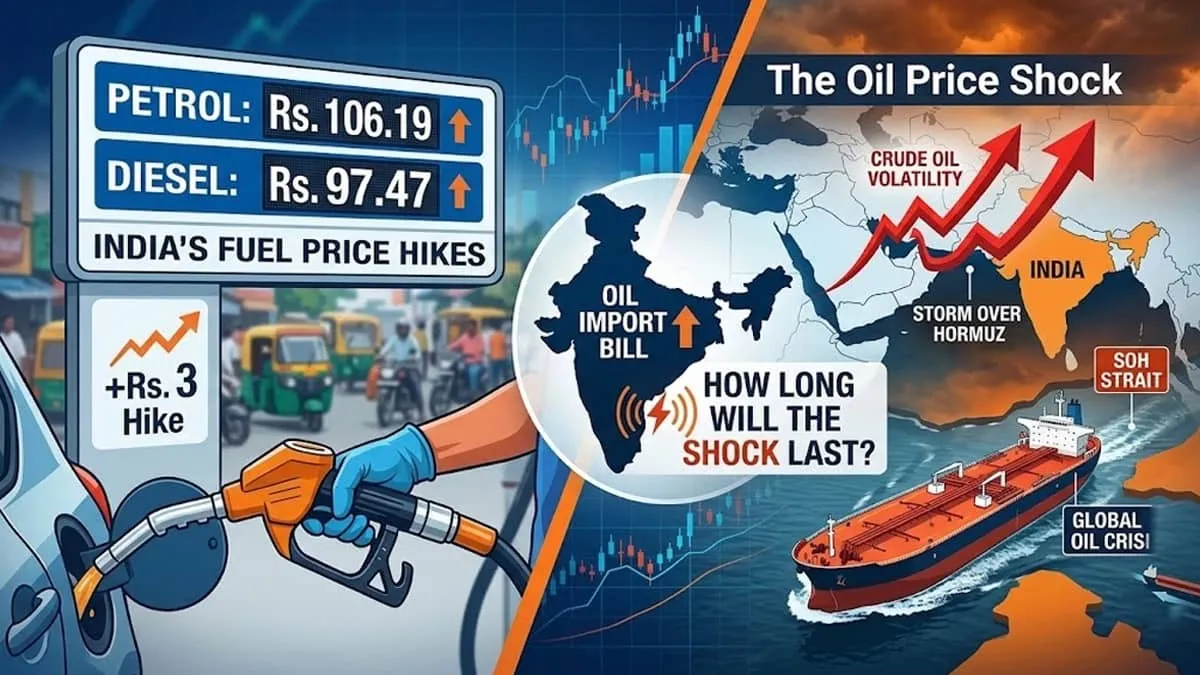
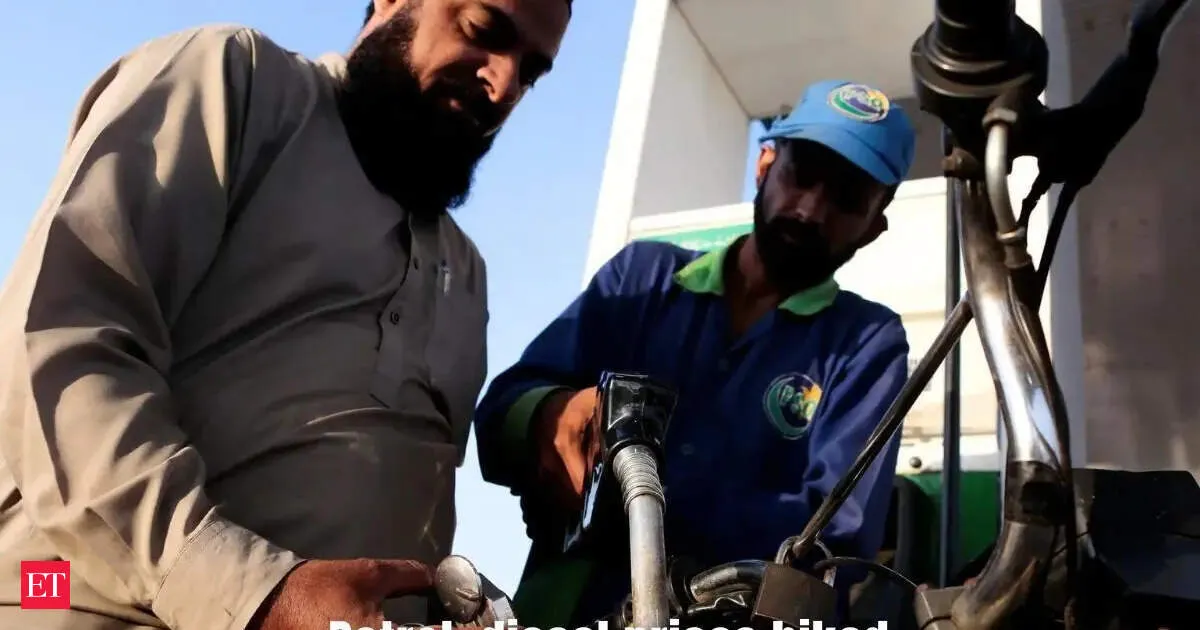
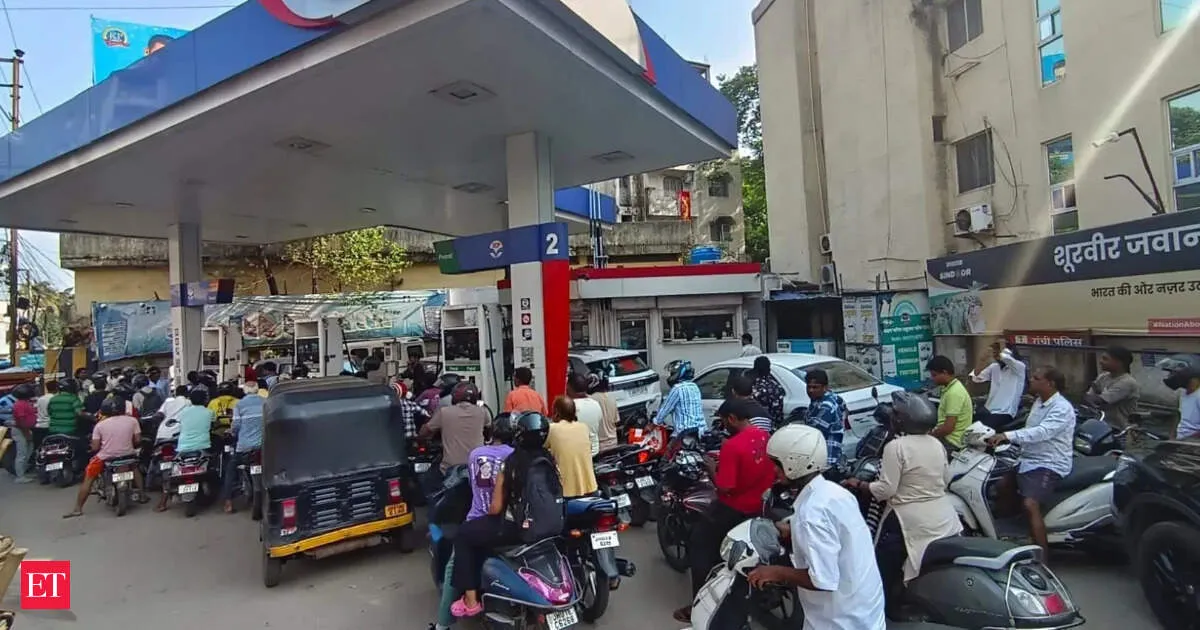
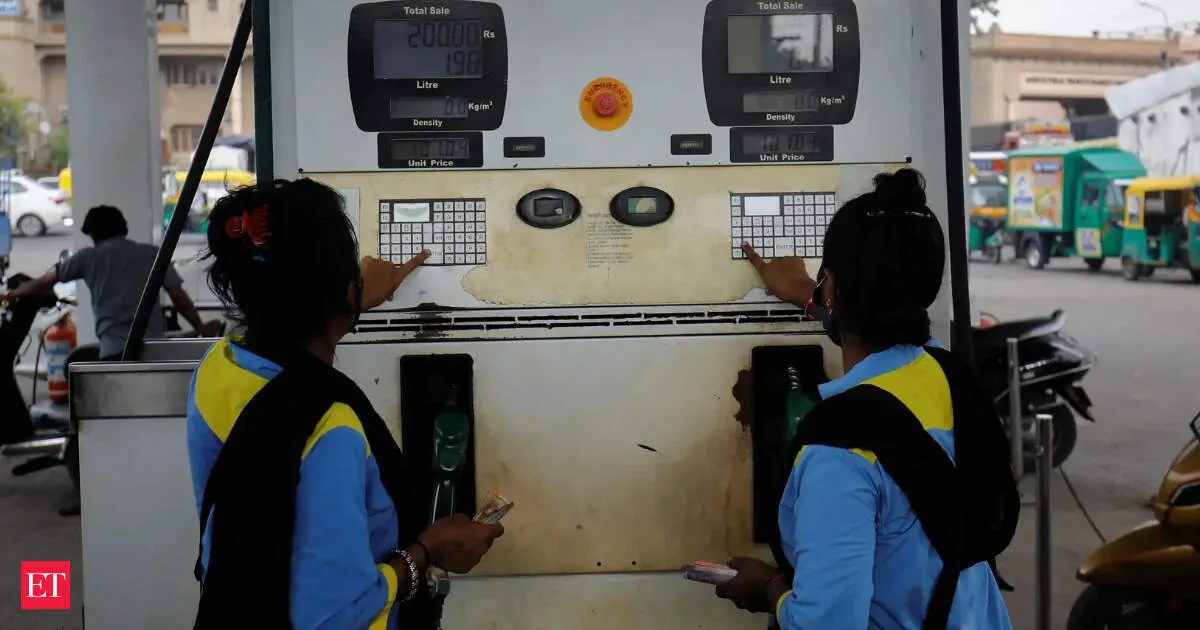
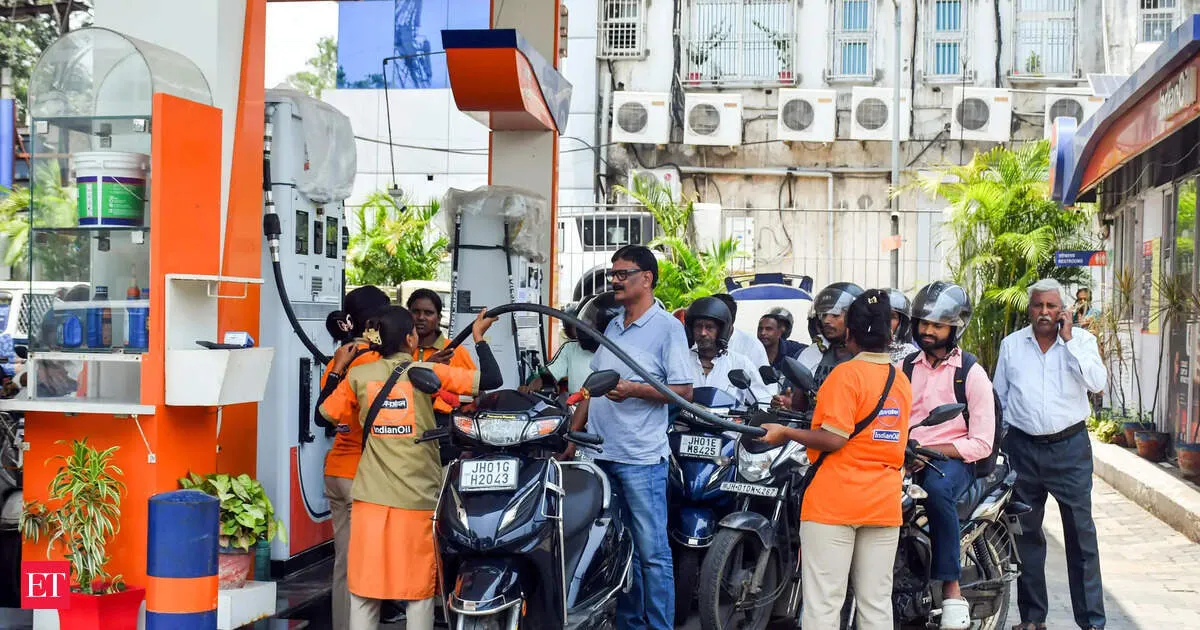
India raised petrol and diesel prices by Rs 3 per litre as state-run oil marketing companies absorb losses from global crude surging amid the West Asia conflict. Petrol and diesel had been unchanged for four years, but economists say the move could be the start of staggered increases. Further modest hikes may follow if crude stays above $100 per barrel and the Middle East situation persists, with analysts citing the duration of the US-Iran conflict and Strait of Hormuz for direction.
Former UN advisor and economist Santosh Mehrotra says India’s tax approach is worsening inflation and jobs. He argues the government should target super-rich and high-net-worth individuals with surcharges instead of raising regressive indirect taxes on fuel and gold duties. With tensions in West Asia escalating, Mehrotra warns the rupee could slide to ₹100 per US dollar within a quarter. He also cautions crude oil could exceed $150, stressing MSMEs and triggering worker reverse migration.
Your news, in seconds
Get the Beige app — every story in 60 words, updated hourly. Free on iOS & Android.
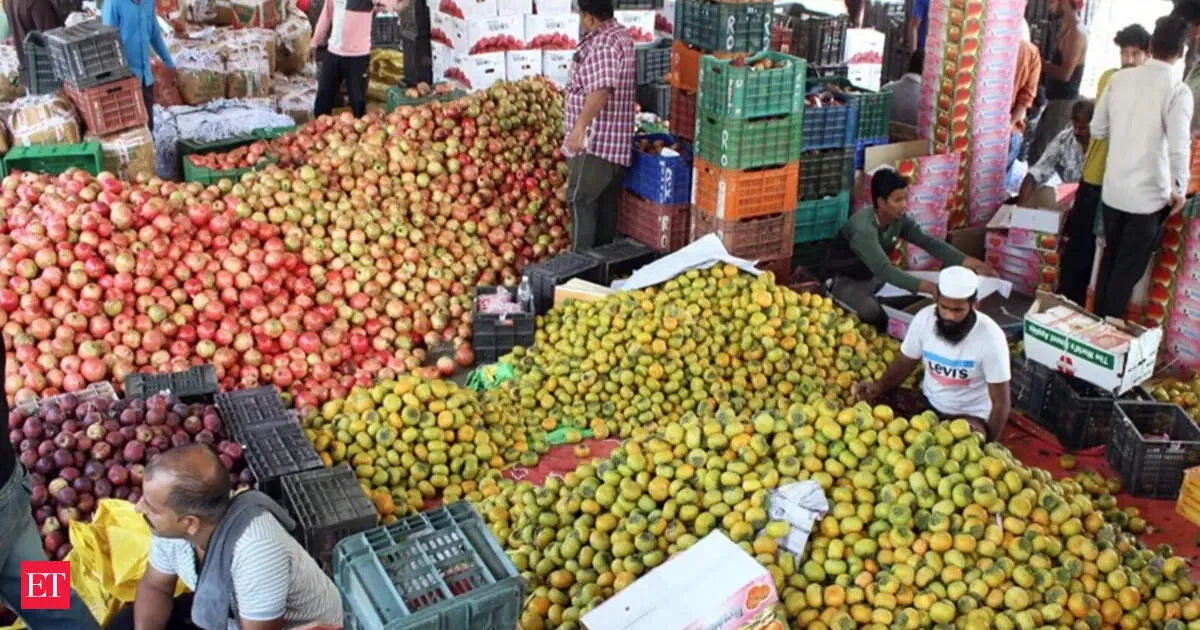
India’s Wholesale Price Index accelerated to 8.3% in April 2026, the highest since October 2022, driven mainly by fuel and manufactured goods. Fuel and power inflation surged to 24.7%, led by a steep rise in mineral oils as global crude prices climb amid the US-Iran conflict and Gulf shipping disruptions. Core WPI hit 5%. While food inflation eased to 2.3% due to weak foodgrain and pulses, international food prices are moving up, raising risk of a later rebound.
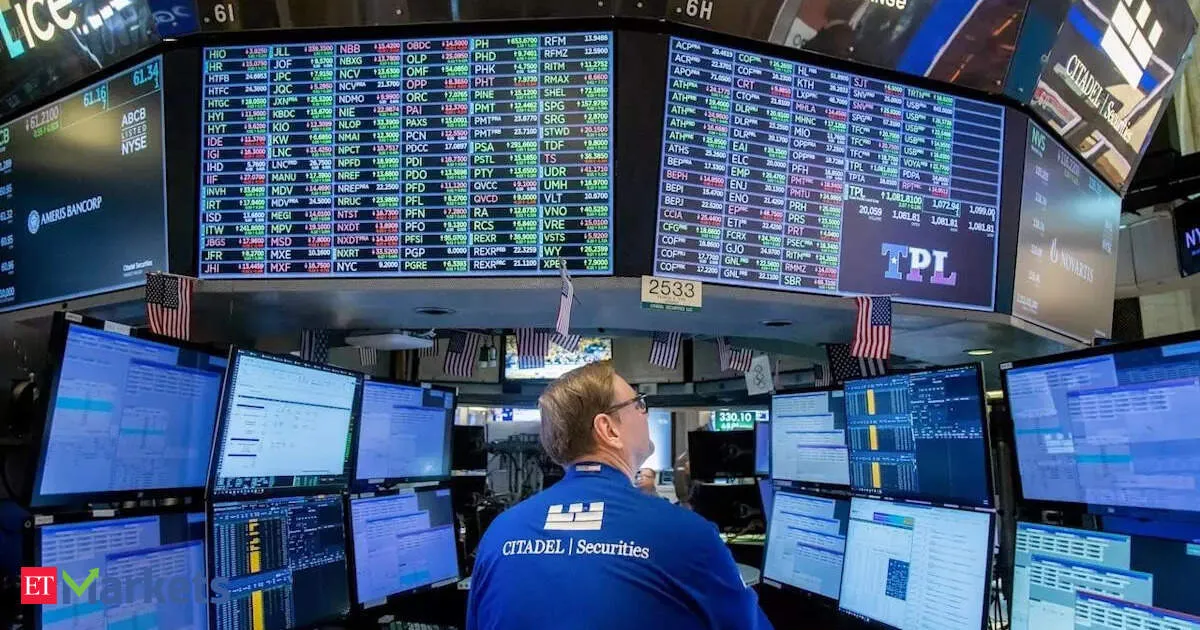
US stocks fell sharply on Friday, reversing AI-driven record momentum as crude prices surged and stoked global inflation worries. Benchmark Treasury yields jumped, making bonds more appealing than equities and weighing on risk appetite. The Trump-Xi summit produced little, while US-Iran tensions—after sharp comments—raised doubts about the Strait of Hormuz reopening. Despite the pullback, the S&P 500 notched its seventh straight weekly gain. Incoming Fed chair Kevin Warsh faces mounting pressure amid sticky inflation concerns.
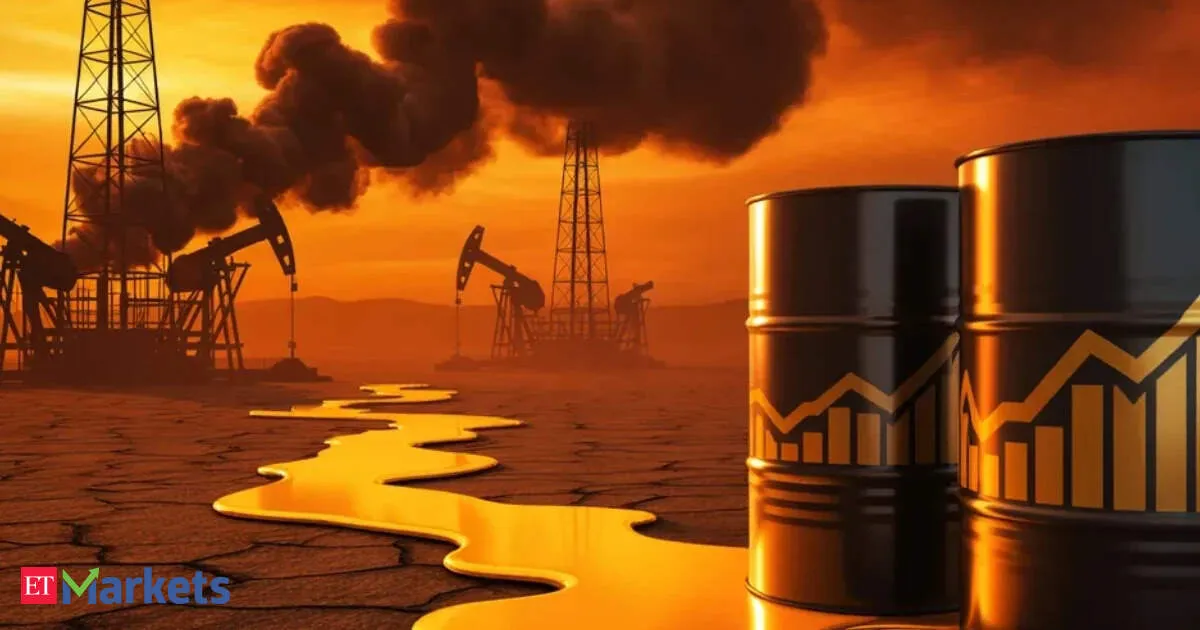
Crude oil surged nearly 8% over the week, pushing Brent to $109.26 and WTI to $105.42, as renewed U.S. and Iran rhetoric dimmed hopes for a quick deal on ship attacks near the Strait of Hormuz. While a ceasefire remains, expectations for rapid reopening have weakened, raising fears of longer disruptions to oil and LNG flows through a route carrying nearly one-fifth of global supplies. Analysts warn pricing could stay volatile if Hormuz closure drags into June or beyond.
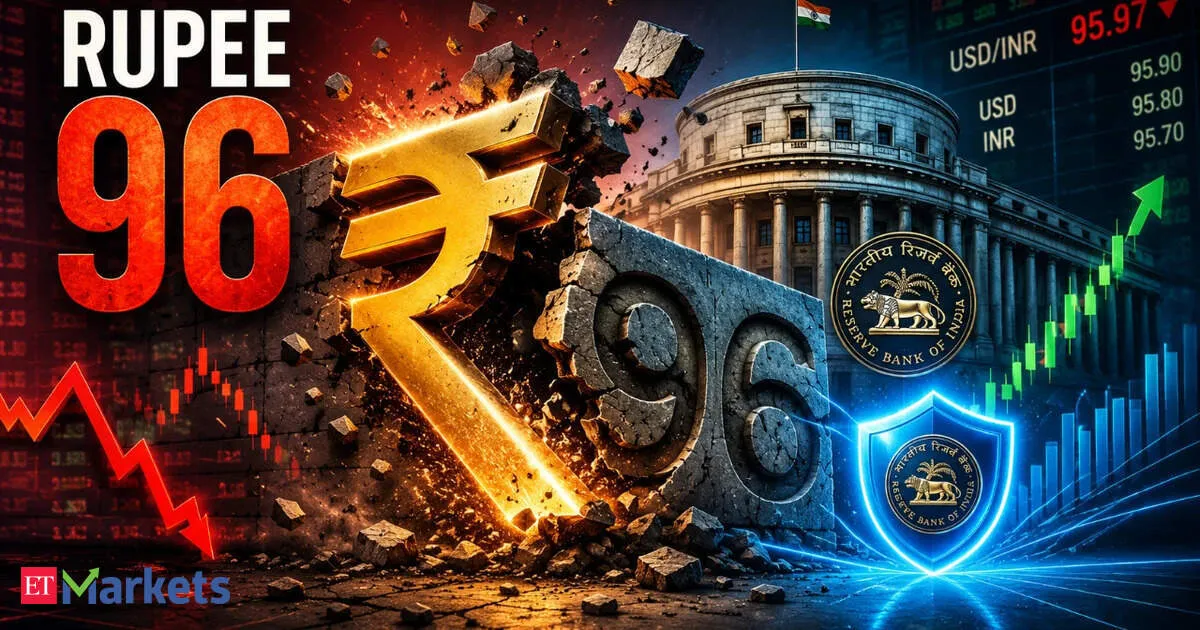
The Indian rupee breached 96 per US dollar for the first time as crude prices neared $110 a barrel, then recovered to close at 95.96 after RBI intervention late in the session. Analysts link the fall to persistent external pressure from the Russia Ukraine and West Asia conflict-driven energy costs and a widening need for long-term dollar inflows. Policymakers are discussing measures to attract direct FX, including step-by-step actions over the next 2-3 months, plus recent import duty hikes on bullion.
Never miss a story
Set alerts for the topics and sources you care about. Download Beige for free.
State-run oil companies in India raised petrol and diesel prices by Rs 3 per litre, the first pump hike in four years, following crude surges after the Iran war. The government aimed to trim losses for fuel retailers but expects higher freight costs and added inflation pressure. While industry executives wanted a bigger increase, they say the revision fails to close the under-recovery gap. Procurement costs have risen sharply as the Indian crude basket and the rupee both worsened, with more hikes likely.
Retail inflation in India may rise by 15–20 basis points in the coming months after a Friday fuel price hike of ₹3 per litre for petrol and diesel, analysts say. With petrol and diesel carrying 4.8% weight in the CPI, a 3–5% fuel increase could add 15–25 bps directly, plus 10–15 bps from transport, logistics and agricultural input costs. Effects will spread across May and June inflation, with broader impacts visible over 3–4 months.
US stocks pulled back from record highs as crude oil surged and Treasury yields climbed, reviving inflation worries. All three major indexes fell, with AI-driven tech stocks hit hardest as investors rotated toward bond yields and reassessed how aggressively the Federal Reserve might act. The move followed Middle East tensions after US-Iran-related uncertainty and raised concerns about global borrowing costs, with the 10-year yield reaching its highest level since May 2025.
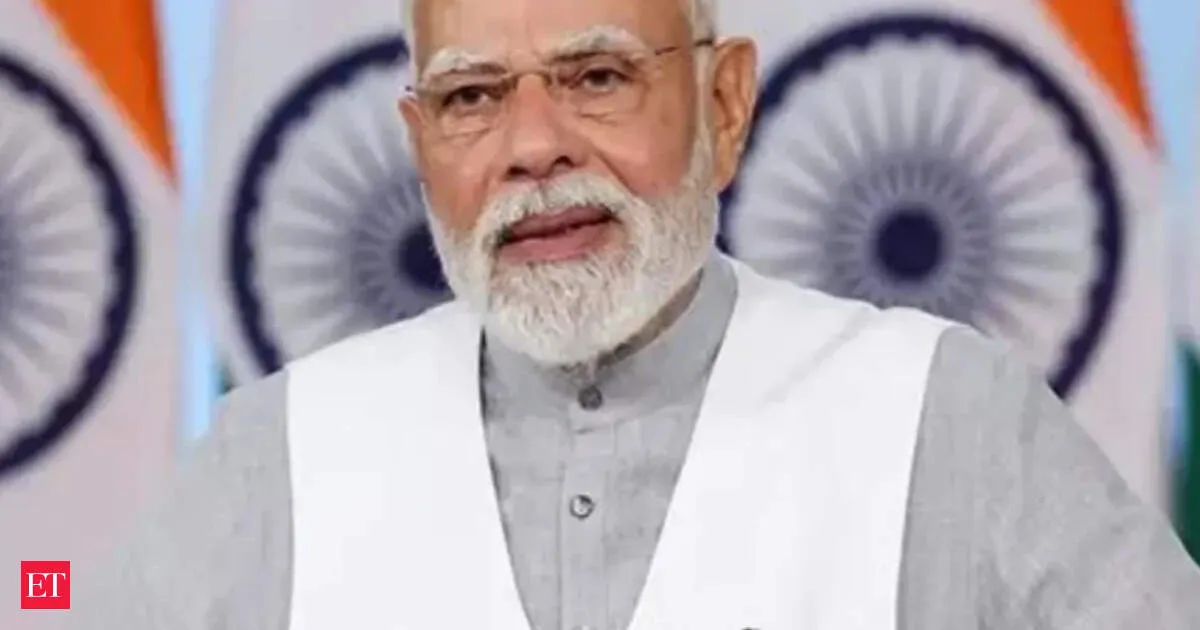
Prime Minister Narendra Modi on Friday rubbished media and social media claims that India may impose a new tax, cess or surcharge on foreign travel to manage war related fiscal strain and higher crude import costs. Responding to a viral graphic citing “highest levels” discussions, Modi said there was “not an iota of truth” and that there was “no question” of restricting foreign travel. The finance ministry had not commented before his clarification, while he reiterated focus on “Ease of Doing Business” and “Ease of Living.”
Reading on mobile?
Open Beige in the app for a smoother experience — free on iOS and Android.
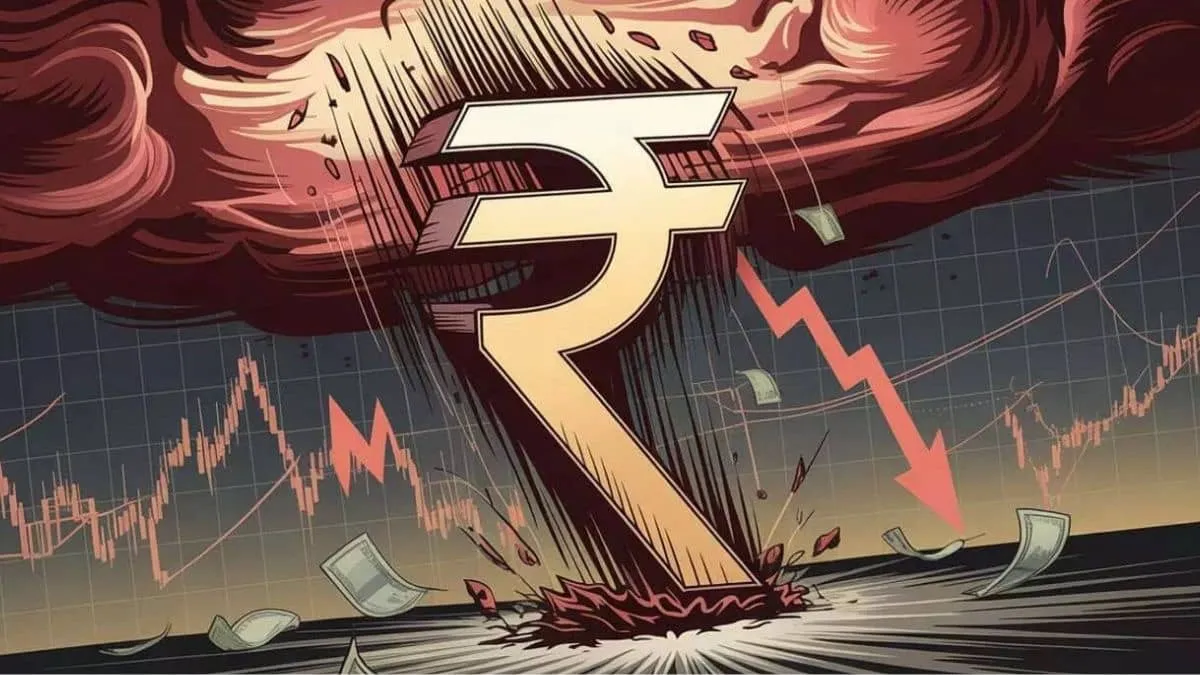
The Indian rupee slid to a lifetime low of 96.05 per US dollar on Friday, driven by crude prices hovering near $110 a barrel. Union Bank of India links the fall to a mix of elevated energy costs, aggressive capital outflows and a resurgent dollar. Stronger-than-expected US Non-Farm Payrolls lifted Treasury yields and the DXY, weakening emerging market currencies. Meanwhile, India’s trade deficit remains wide, with foreign exchange reserves lower than February levels.
Bank of Baroda economist Dipanwita Mazumdar says India’s current petrol and diesel pain is likely tied to how crude shocks historically play out. She notes crude prices have risen 39.7% during the current global crunch, and when crude surges sharply, the “high” typically lasts only 6–7 months. Looking back over 54 years, she found major crude jumps—over 20% in a year—occurred in 18 instances. The latest hikes, ending a four-year revision freeze, add urgency amid rising imports.
The Indian rupee slid to record lows, dipping below the crucial 96 level in intraday trade and weakening to 96.05 per US dollar, after briefly touching a fresh trough near 96.14. Analysts pointed to a mix of forces: higher Brent crude prices, a firmer US dollar, and hawkish signals from American policy makers. Persistent foreign capital outflows and soft net FDI inflows weighed on the balance of payments even as exports rose in April.
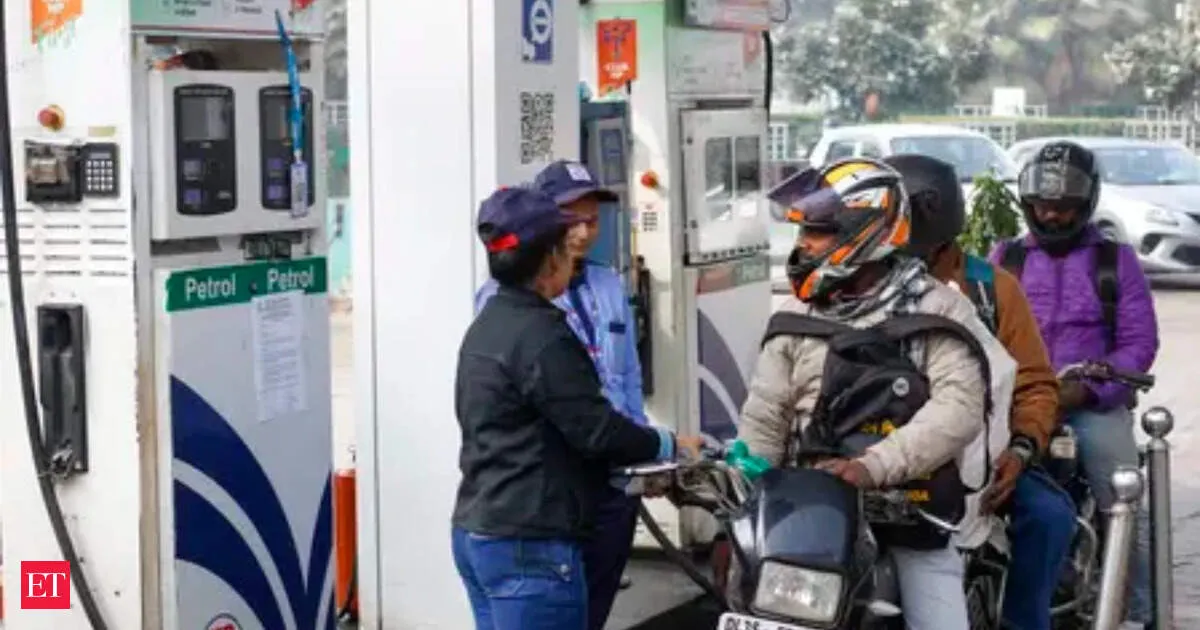
India’s state-run oil marketing companies raised petrol and diesel prices by roughly ₹3 per litre on Friday, the first increase in over four years. In Delhi, petrol climbed to ₹97.77 and diesel to ₹90.67 per litre. Economists say the move was expected as global crude prices surged amid the West Asia conflict and supply disruptions around the Strait of Hormuz. They caution that while the immediate inflation hit may be limited, higher transport and logistics costs could gradually raise prices of everyday goods.
Follow your favourite sources
Track sources, tags and categories — all in the Beige app.
India’s government bond market slipped in early trade after a fresh petrol and diesel price increase rekindled inflation concerns. The yield on the benchmark 6.48% 2035 bond climbed to 7.0591% by late morning as US Treasury yields rose to a one-year high. With India importing nearly 90% of crude, higher oil prices threaten the rupee and the current account, while a reported jump in wholesale inflation to 8.3% raised fears of consumer-price spillover ahead of a new 320 billion rupee bond sale.
India’s petrol and diesel prices rose by Rs 3 per litre, reigniting commuter anxiety over costs. But comparisons with nearby markets show a sharp divide. Pakistan’s petrol and diesel translate to roughly Rs 141 per litre in Indian currency, making it far costlier than India. Nepal is also pricier, while Bhutan is closest to Indian levels. Bangladesh skews slightly cheaper on diesel but costlier on petrol. Sri Lanka remains elevated after its crisis.
Fuel prices in India jumped on Friday by up to Rs 3 per litre, with petrol hitting Rs 97.77 in Delhi and diesel Rs 90.67. The move follows sustained global crude surges and tighter energy supplies tied to prolonged West Asia conflict. Analysts point to disruptions around the Strait of Hormuz, which reduces Gulf oil flows and raises import costs for India, which buys over 80% of its crude. State retailers had absorbed losses earlier, but buffers are now exhausted.
CNG prices have risen by ₹2 per kg in multiple regions, including Mumbai and Delhi, shortly after Oil Marketing Companies increased petrol and diesel rates. In Mumbai Metropolitan Region, the retail price has moved to ₹84 per kg, while Delhi’s rate has climbed to ₹79.09 per kg. The move is linked to higher global crude oil costs and disruptions around the Strait of Hormuz, forcing shipping reroutes and raising concerns about future fuel supplies despite enhanced naval surveillance.
Stay informed on the go
Bite-sized news from 100+ trusted sources, right in your pocket.
Fuel prices were raised across India from Friday, with petrol and diesel increasing by as much as Rs 3 per litre amid volatile global crude markets. Delhi petrol is now Rs 97.77 and diesel Rs 90.67. Among metros, Kolkata saw the steepest petrol rise, while diesel also climbed in all four cities. The revision follows a sharp jump in wholesale fuel inflation in April. Rising Brent prices tied to Middle East tensions are squeezing oil marketing companies.
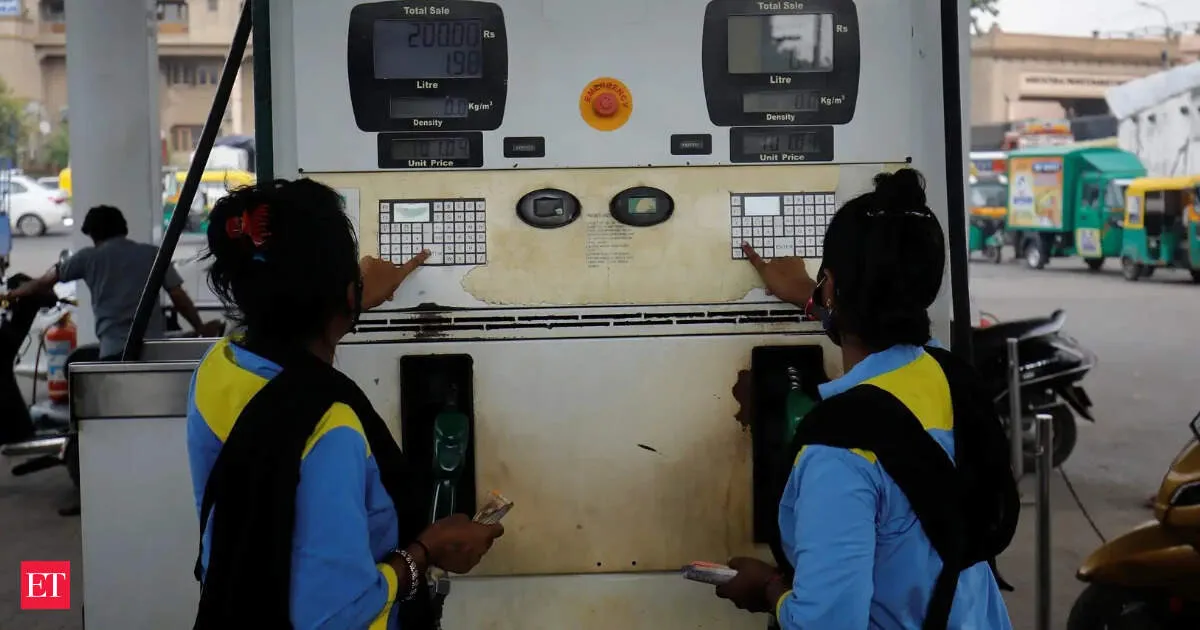
Fuel prices surged nationwide on Friday as oil marketing companies raised petrol and diesel rates by up to Rs 3 per litre with immediate effect. Petrol in Delhi climbed to Rs 97.77 per litre, while Kolkata jumped to Rs 108.74, Mumbai to Rs 106.68, and Chennai to Rs 103.67. Analysts link the hike to volatile global crude prices and supply disruptions tied to tensions in West Asia. Retail rates vary by state due to VAT and dealer commissions, influencing transport and household budgets.
Swipe through stories, personalise your feed, and save articles for later — all on the app.