Japan is moving to halt the yen’s slide with a coordinated effort led by a more hawkish Bank of Japan, support from the Finance Ministry, and backing from the United States. Policymakers are increasingly intervening in currency markets, amid fears a weaker yen could stoke inflation. Estimates suggest authorities have spent close to 10 trillion yen buying yen to stabilize the currency.
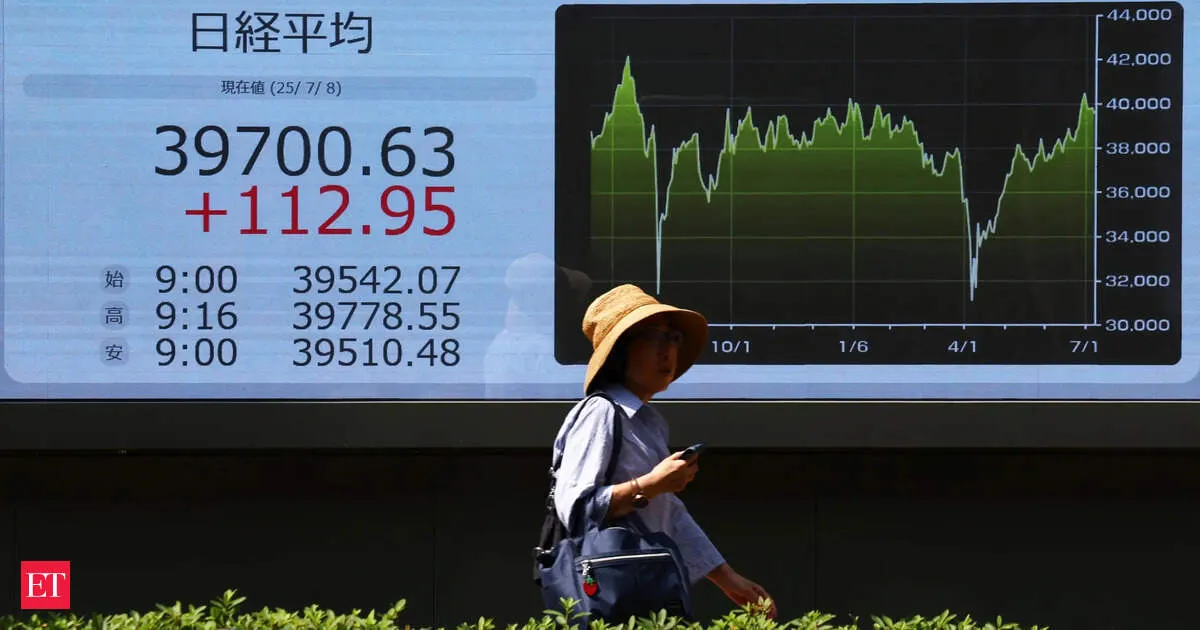
Japan’s Nikkei is climbing to a new all-time high as the yen strengthens after the last session, with traders pointing to possible Tokyo intervention. The move is reshaping expectations for currency-sensitive equities and creating fresh risk and opportunity for US investors watching how a stronger yen could affect Japanese earnings, exporters, and global flows.
Your news, in seconds
Get the Beige app — every story in 60 words, updated hourly. Free on iOS & Android.
The Japanese yen held steady after authorities intervened to strengthen it, easing near-term volatility. Traders are now looking for additional actions and whether the United States will get involved. Meanwhile, trade tensions continue to simmer after President Trump flagged a development related to ships in the Strait of Hormuz. The Australian dollar and euro edged up, while bitcoin dipped slightly.
Japan reportedly spent more than $30 billion to support the yen after it hit its weakest level versus the dollar in years. Officials had previously hinted at possible action, and the intervention appears to be Japan’s first since 2024. The goal is to stabilize the currency amid global economic pressures and volatile market conditions.
The RBI’s net short forward position rose to a record $104 billion in March, up from $77 billion in February, underscoring persistent efforts to shield the rupee from volatility. Officials say the intervention has strained overall coverage, pushing India’s import cover to under nine months—raising new concerns for currency stability.
Swipe through stories, personalise your feed, and save articles for later — all on the app.