Globbel has officially launched a unified cross-border ecommerce platform aimed at helping brands expand internationally across 16 markets in weeks rather than years. The system combines logistics orchestration, localized payments, tax and regulatory compliance, and marketplace or D2C storefront integrations into a single operating layer—built on Stelcore infrastructure that supports thousands of brands.
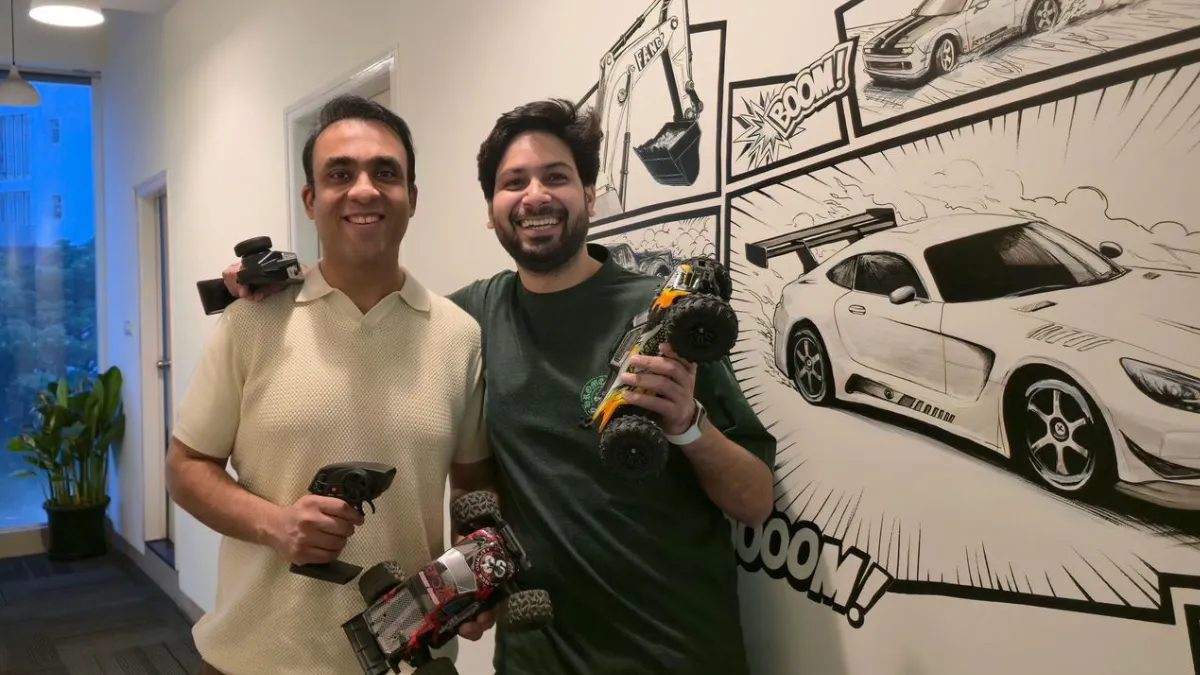
D2C toy startup Legend of Toys has raised ₹21 crore in a pre-Series A round led by Singularity Early Opportunities Fund, with participation from Veltis Capital, Enzia Ventures, DeVC, Atrium Angels, and Stride. Founded in 2024 by Afshaan Siddiqui and Vinay Jaisingh, it will use the funds to deepen its RC and narrative play lines, scale manufacturing, and expand international distribution. The brand also plans growth in DIY and more consumer marketing, alongside digital expansion.
Your news, in seconds
Get the Beige app — every story in 60 words, updated hourly. Free on iOS & Android.
IAN Angel Fund, the evergreen fund of IAN Group, has led a ₹70 lakh early-stage funding round in The Sweet Change, a clean natural sweetener brand, with participation from Udaan Angel Partners. Founded in 2024 by Manvi Agnihotri and Sheen Hitashi, the company aims to use the capital to boost product development, expand via e-commerce and quick commerce, and grow brand awareness and headcount. It claims early traction, crossing ₹1.5 crore in revenue and fulfilling 12,000+ website orders.
D2C brands are bracing for a tough quarter as rising input costs and a weakening rupee squeeze margins while demand softens. Analysts expect consumer spending to fall 5–6% over the next three months, driven by inflation that pushes shoppers toward essentials and cuts discretionary buys. Costs have already jumped across categories, including a 25–30% spike in beverage and perfume packaging materials. Conglomerates can hike prices, but smaller cash-burning brands face working capital stress and lower average order values.
Delhi NCR has emerged as India’s leading D2C startup hub, topping both funding and deal counts between 2015 and Q1 2026. D2C startups in the region raised over $3.5 billion across 434 deals, beating Bengaluru’s $3.4 billion and Mumbai’s $2 billion. The NCR also spawned standout exits like Lenskart and Honasa Consumer. Analysts link the shift to faster-growing startup ecosystems, early-stage investor interest, and rising demand for omnichannel brand building.
Honasa Consumer, the Mamaearth parent, said chief business officer Yatish Bhargava will step down effective May 15, less than a year after he joined. He cited “personal circumstances” in a regulatory filing. Honasa has not named a replacement. The move follows the earlier CBO exit of Zairus Master, with Honasa continuing to pursue growth and offline expansion efforts.
Never miss a story
Set alerts for the topics and sources you care about. Download Beige for free.
India’s D2C boom is hitting a wall as West Asia conflict-driven labour shortages, grey-market fuel pressures and soaring input costs disrupt manufacturing. With LPG prices jumping to about ₹1,303 and commodities becoming wildly volatile, contract terms are shifting from credit to cash-and-carry. Brands are absorbing some costs via smaller orders and reduced discounts, but expect price hikes soon.
Deepika Padukone-backed D2C brand Epigamia has named former Mars executive Ritesh Gauba as CEO, tapping over 24 years of FMCG experience. COO Ankur Goel has been elevated to cofounder. The leadership changes follow the death of cofounder Rohan Mirchandani in December 2024. Epigamia sells across ecommerce, quick commerce, and 25,000 retail touchpoints, having raised about $60 million.
D2C skin and haircare brand CHOSEN has raised $5 million in a Series A led by Fireside Ventures, with support from L’Oréal’s corporate venture fund and dermatologists. Founded in 2020, the Chennai startup says it will use the funding to strengthen R&D, scale its centre of excellence, and expand clinically validated product lines across skincare, haircare, and wellness.
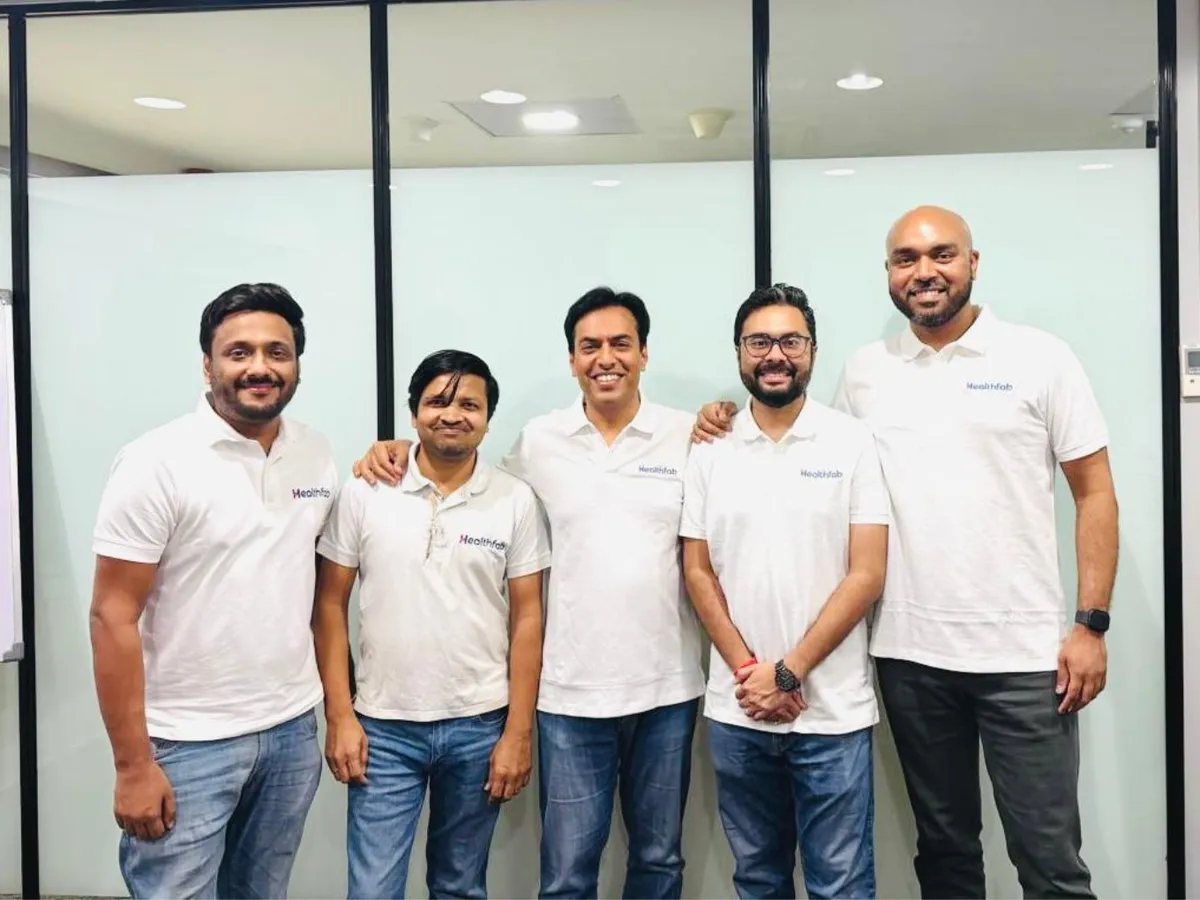
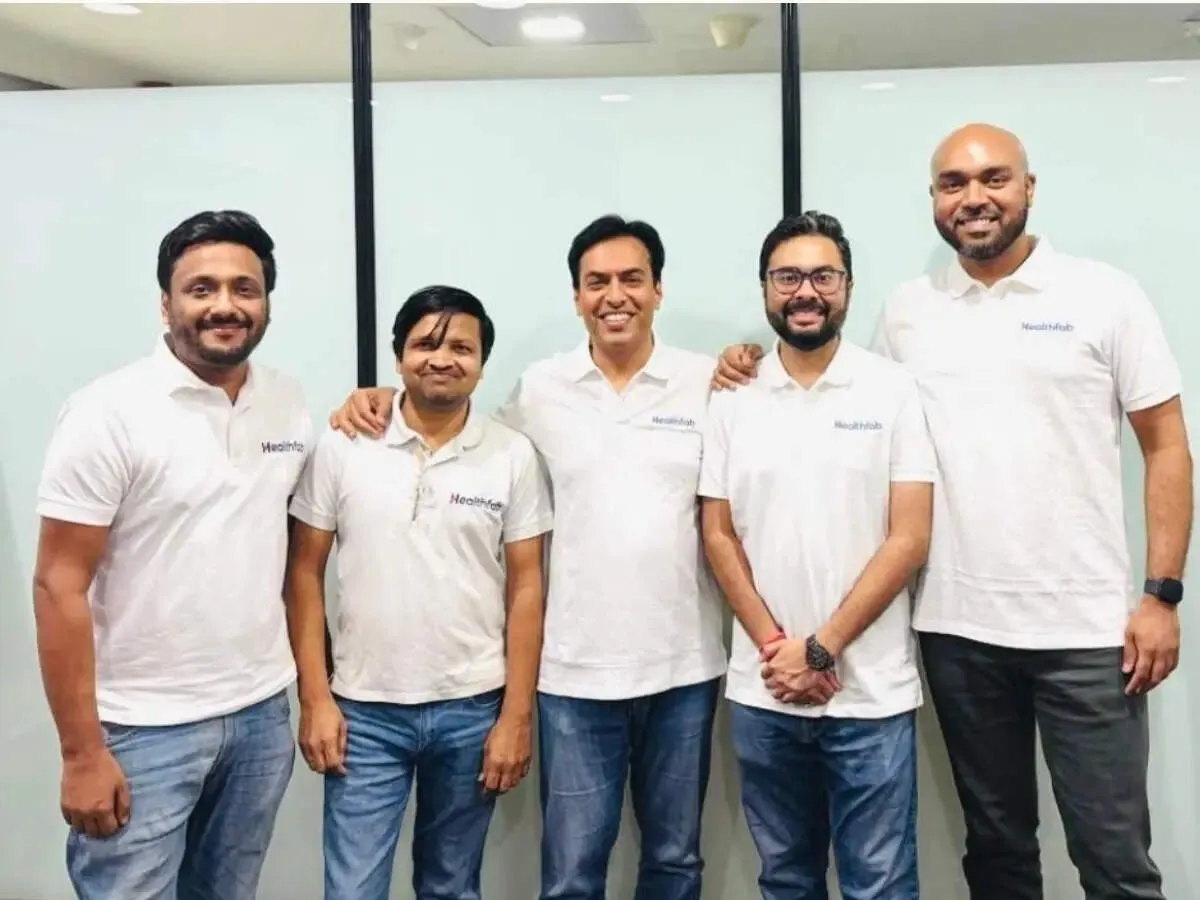
Menstrual hygiene D2C startup HealthFab has raised ₹20 crore in a Series A led by Atomic Capital, with Mistry Ventures participating. The company plans to widen its menstrual wellness portfolio—from pain relief to fatigue and energy—while scaling quick commerce and general trade. It targets reaching 5 million users in three years and is shifting from a product-first model toward broader femtech.
Reading on mobile?
Open Beige in the app for a smoother experience — free on iOS and Android.
Bengaluru D2C menstrual hygiene startup HealthFab has raised Rs 20 crore from Atomic Capital. The fresh funding will help it move beyond period underwear into a broader period care platform covering pain, sleep and energy solutions, while strengthening offline presence. With a current user base of 5 lakh, the company also plans fresh R&D to deepen its offerings.
D2C brands are adjusting packaging and product variants as West Asia conflict fuels input cost hikes. To protect margins, companies are shifting to new packaging formats, rolling out larger or pricier versions, and speeding up supply chain localization. The result is a quiet but real shift in pricing and product offerings across multiple consumer categories.
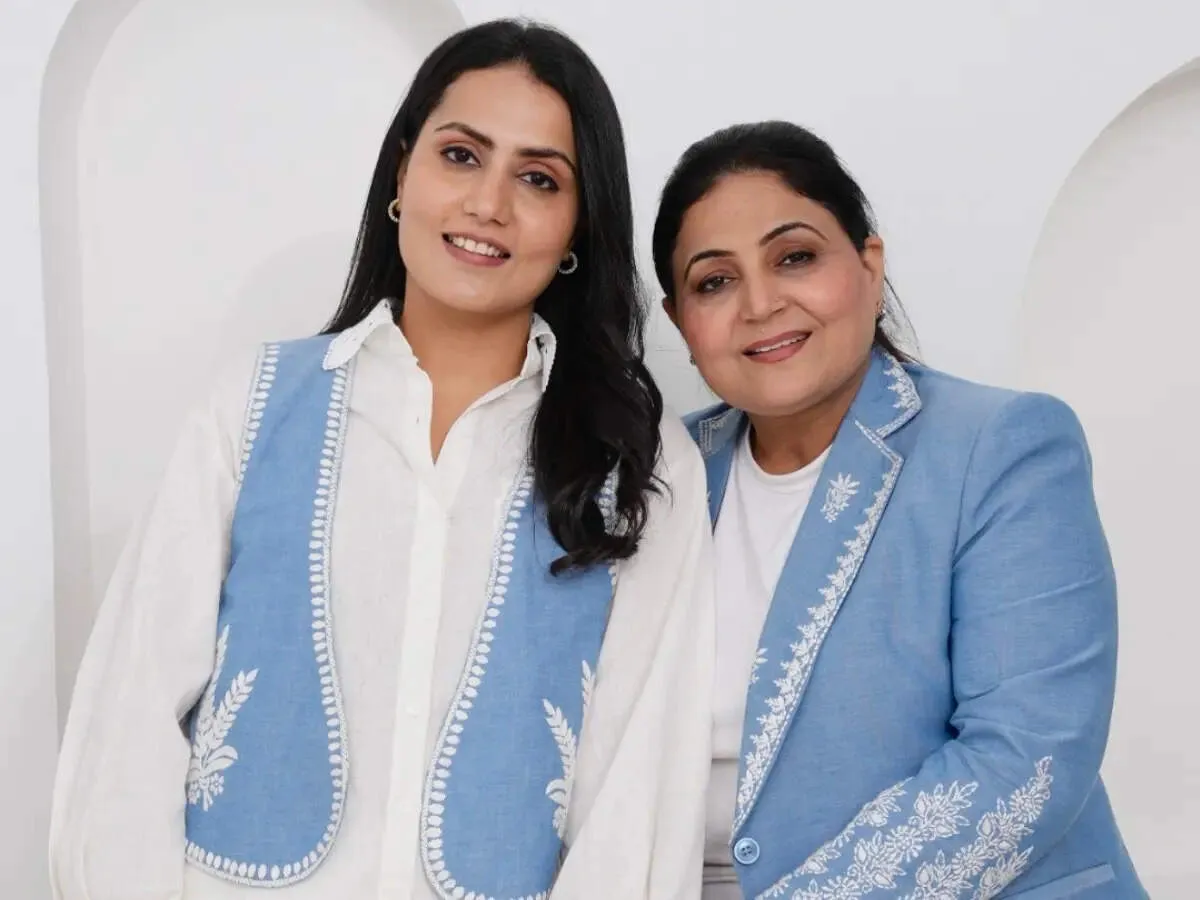
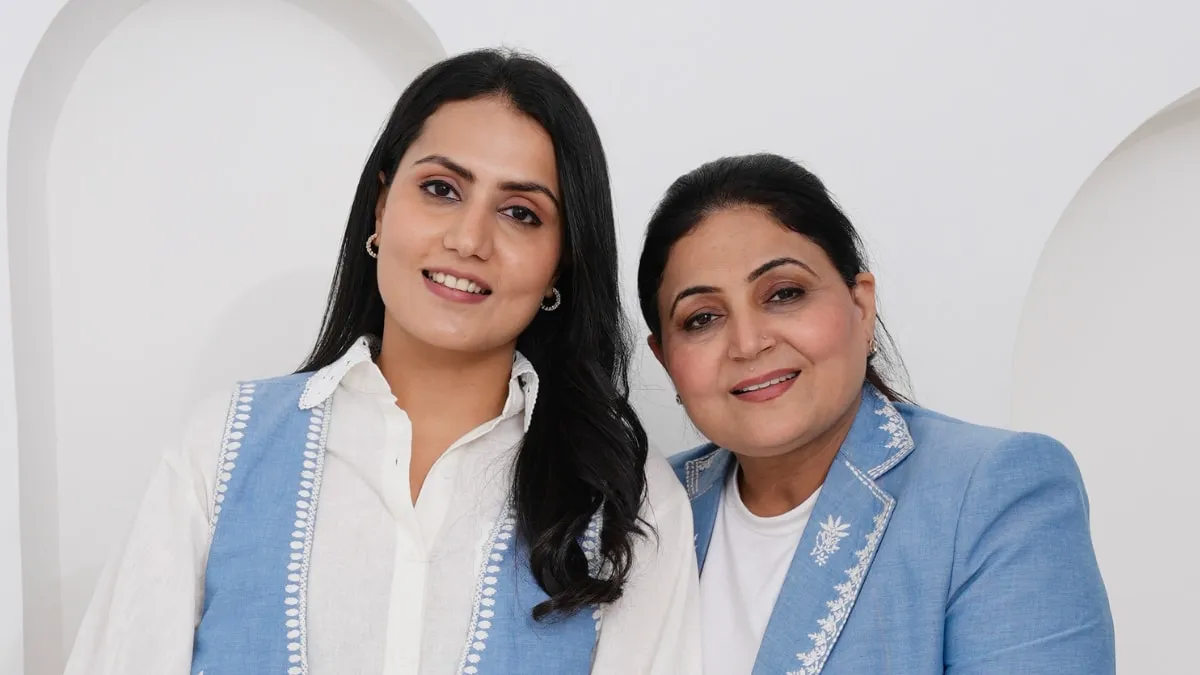
Delhi based D2C fashion brand House of Chikankari has raised Rs 25 crore in Series A funding from Cap Alpha Ventures. The startup behind Lucknowi embroidery plans to use the money to expand its offline presence and broaden its product range. Notably, it delayed fundraising to strengthen operations, betting on more structured growth after a major revenue jump.
D2C ethnic fashion brand House of Chikankari has raised ₹25 crore in a Series A led by Cap Alpha Ventures. The funding will expand its product portfolio, strengthen omnichannel sales with an offline retail push, and grow internationally. Founded in 2020, the brand claims 9 lakh+ monthly sessions, ships to 20+ countries, and supports 10,000+ women artisans.
Follow your favourite sources
Track sources, tags and categories — all in the Beige app.
D2C farm produce platform Pluckk has raised Rs 100 crore from its existing investor Euro Gulf Investment in an all-equity round, taking total funding to about $26 million. The company says it will deploy the money to build R&D for a new product range, upgrade its technology, and expand its market presence, according to founder and CEO Pratik Gupta.
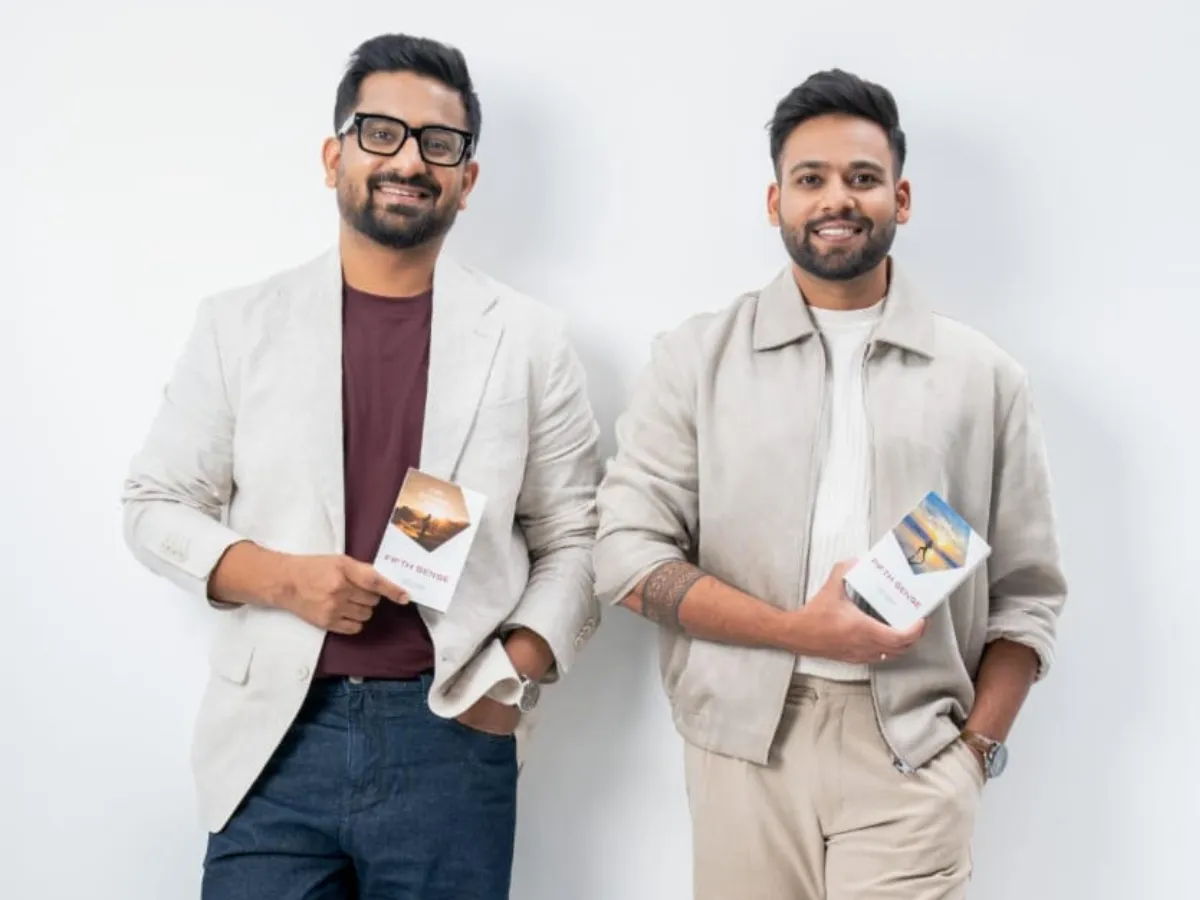
D2C fragrance brand Fifth Sense has raised Rs 6.3 crore in pre-seed funding led by OTP Ventures, with participation from Sadev Ventures, ISV Capital, and angel investors. Founded by IIM Kozhikode alumni, the brand sells premium fragrances designed to suit India’s changing climates, underscoring rising investor appetite for the evolving perfume market.
India’s direct-to-consumer brands are expanding faster than ever, powered largely by Tier 2 and Tier 3 cities. For FY26, these smaller markets are projected to contribute nearly 66% of new orders, lifting order volumes by 33% and increasing GMV by 32%. With the D2C sector expected to reach $60 billion by 2030, growth is shifting beyond metros.
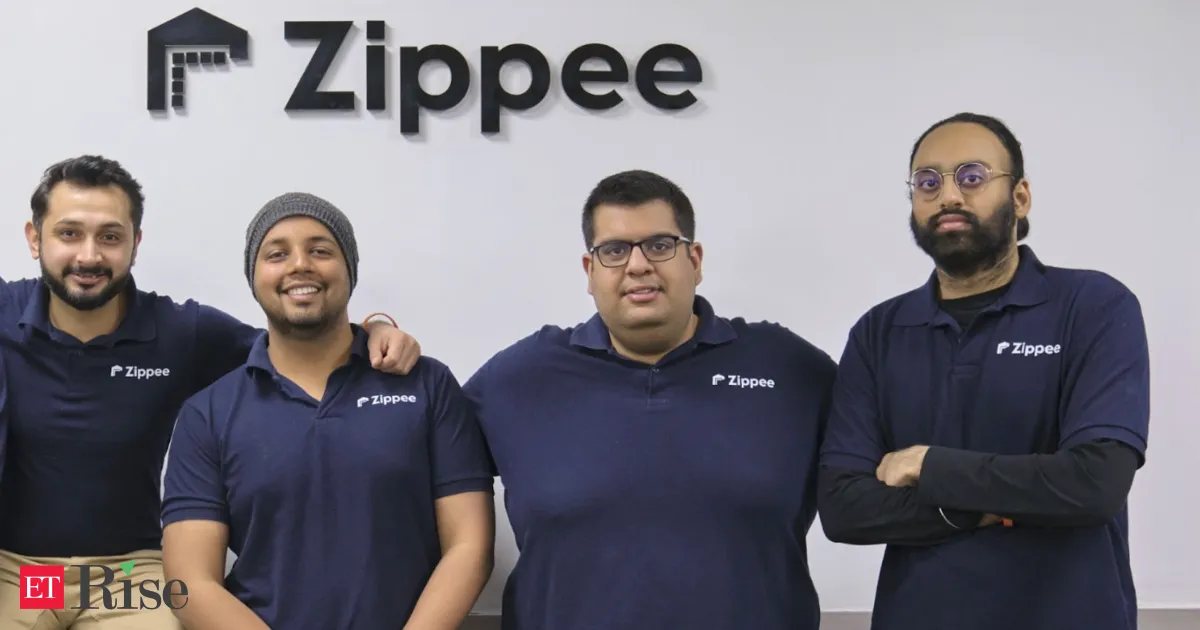
Zippee, a quick commerce logistics startup, crossed 9 lakh orders in February, riding the Q commerce boom. The company helps D2C brands offer sub two hour delivery while keeping customer data and the brand experience intact. With demand for faster fulfilment rising, Zippee is positioning its logistics network as the backbone for rapid, customer friendly shopping.
Stay informed on the go
Bite-sized news from 100+ trusted sources, right in your pocket.
Helium, a 2025-founded D2C air conditioner startup by IIT Kanpur alumni, has raised $2 million from India Quotient. The fresh funding will first go toward scaling manufacturing, building inventory, and strengthening go-to-market efforts. Helium’s initial compact AC is designed to cool up to 100 sq ft using a 2,700-watt system that can run on a 1 kW solar panel.
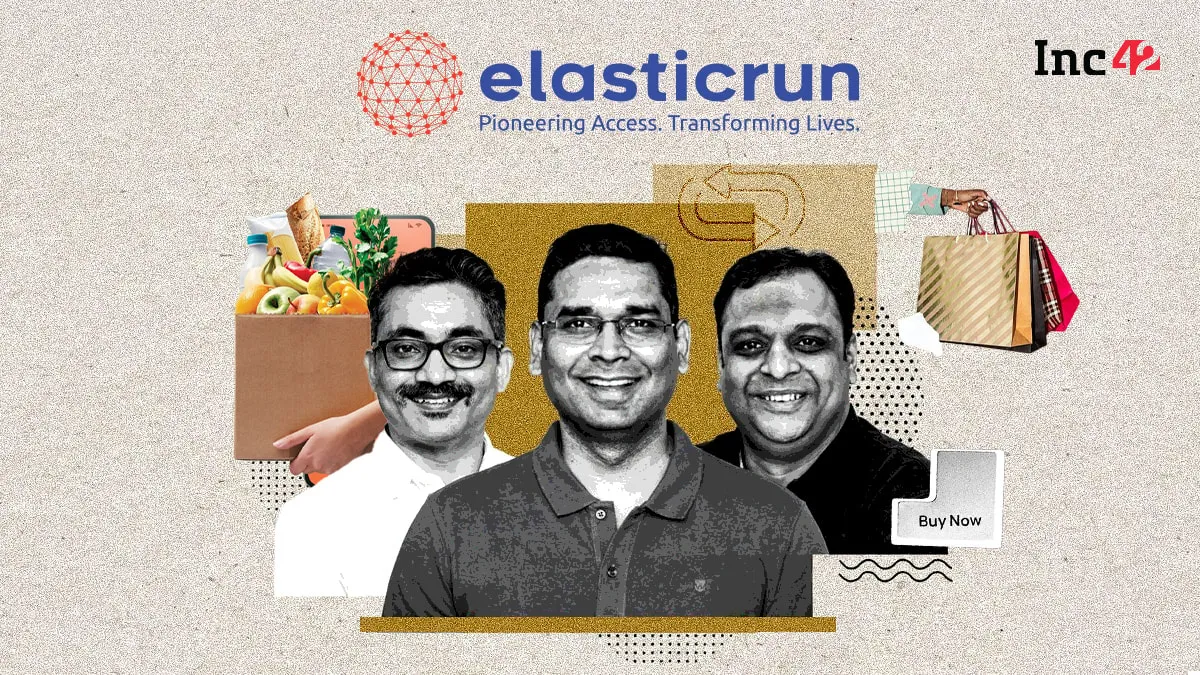
ElasticRun is reshaping India’s quick commerce playbook by shifting from traditional B2B distribution to a D2C-led fulfilment model. As brands demand same-day and even two-hour delivery, the company decentralises inventory across cities and repurposes delivery stations into fulfilment centres—promising asset-light economics, better network utilisation, and lower working capital strain.
Swipe through stories, personalise your feed, and save articles for later — all on the app.