Lake Tahoe, long a tech haven and vacation getaway for Silicon Valley, has less than a year to secure a new electricity provider. By May 2027, Liberty Utilities’ deal with NV Energy will end, and NV Energy plans to redirect its power to Nevada where data centers are rapidly expanding. While officials dispute blame, NV Energy has requests for over 22 gigawatts of load—about 40 times Tahoe’s peak—meaning traditional customers may pay higher prices amid tighter regional supply.
Prices on the PJM Interconnection’s massive U.S. grid nearly doubled over the past year, rising to $136.53 per megawatt-hour from $77.78, according to Monitoring Analytics, the market’s independent watchdog. It points to data centers as the driver of surging load and says PJM failed to plan and execute in time. The monitor warns the damage to customers is “not reversible” and argues PJM’s supply and transparency gaps left capacity too tight for the near future.
Your news, in seconds
Get the Beige app — every story in 60 words, updated hourly. Free on iOS & Android.
Blackstone has raised $1.75 billion through the IPO of Blackstone Digital Infrastructure Trust, a new REIT built to capitalize on the AI-driven demand for data centers. The trust sold 87.5 million shares at $20 each and plans to buy existing, leased facilities worth $250 million to $1.5 billion rented to investment-grade hyperscalers. The deal also broadens Blackstone’s investor reach beyond institutions, while the REIT’s blind-pool structure means it lists before buying any assets.
Blackstone Digital Infrastructure Trust began trading flat on its New York Stock Exchange debut after raising $1.75 billion in a U.S. IPO. Shares opened at $20 and the firm sold 87.5 million shares at the same price. The listing arrives amid a U.S. IPO rush led by artificial intelligence-linked companies, including Cerebras and Fervo Energy. Blackstone says the vehicle will focus on newly built data centers leased to investment-grade hyperscale tenants and has flagged $25 billion in near-term opportunities across key markets.
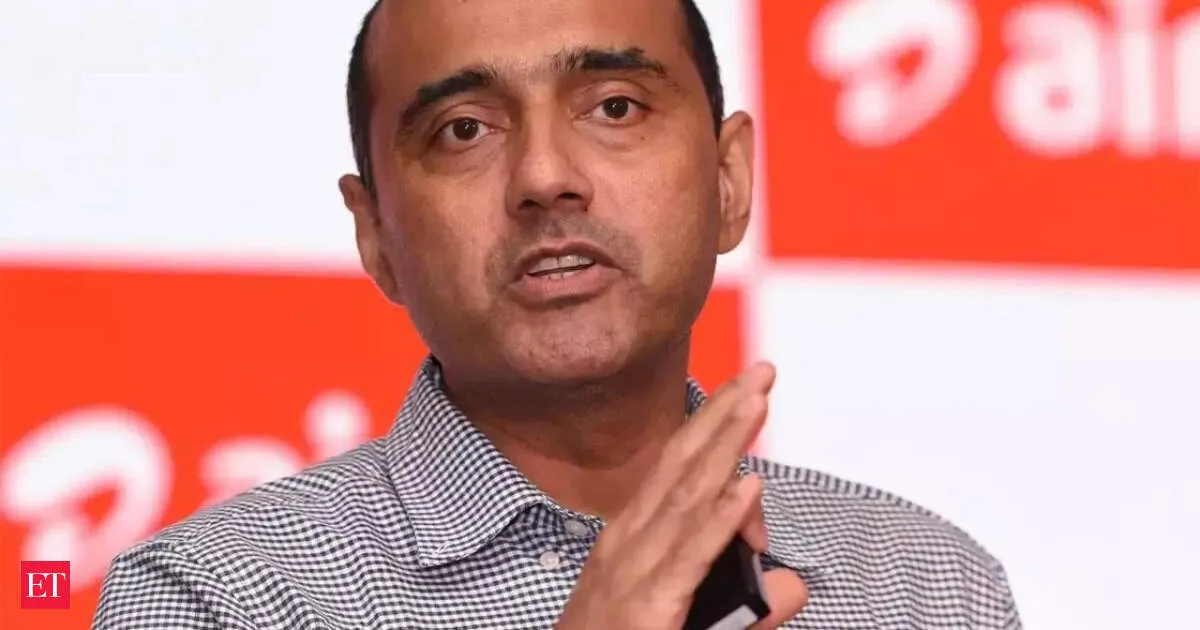
Bharti Airtel plans to build 56 edge data centres in the next 18 to 24 months, with executive vice chairman Gopal Vittal calling for major infrastructure investment to differentiate over the next 2 to 3 decades. He also said India’s tariff architecture is “broken,” where higher-income users pay too little and lower-income users pay too much. Airtel’s strategy is backed by rising capex, fibre expansion, and scaling its non-banking financial services, including a planned Rs 20,000 crore investment.
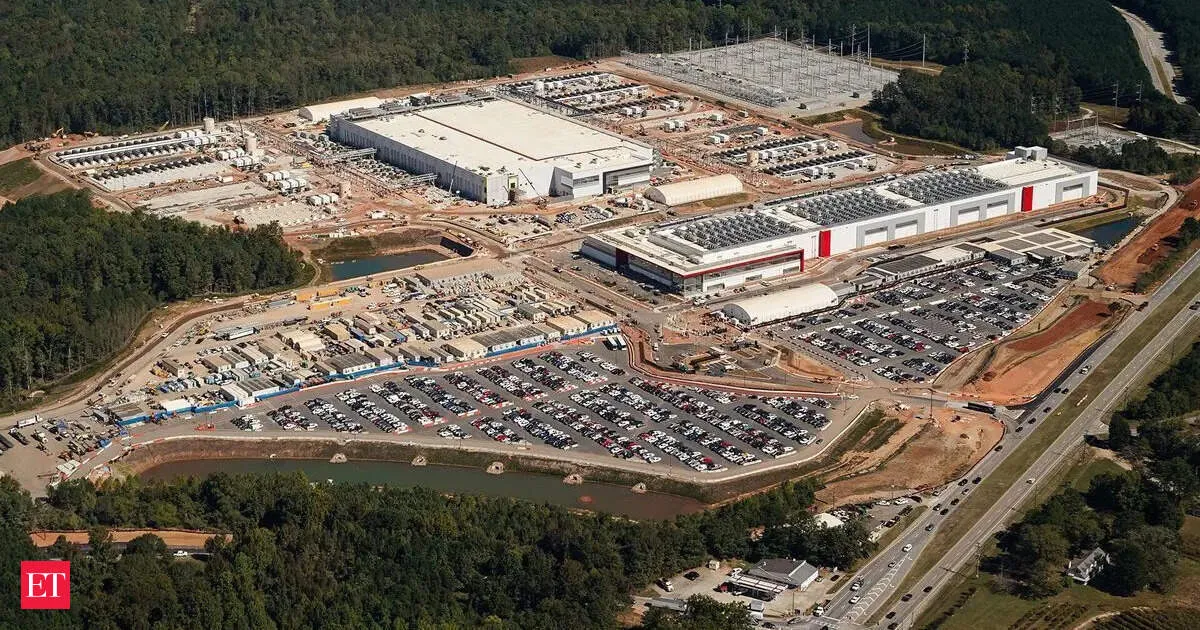
Investigators in drought-hit Georgia say a hyperscale AI data center drew nearly 30 million gallons of water without proper billing or reporting, sparking alarm as residents report falling water pressure. The case is now fueling broader questions across the US: whether the accelerating AI infrastructure boom is quietly reshaping local water resources beyond what the public can see.
Never miss a story
Set alerts for the topics and sources you care about. Download Beige for free.
Tower Semiconductor expects to beat its second-quarter revenue target and says it has won $1.3 billion in AI chip deals for 2027. The contracts target specialized processors for AI data centers, reflecting rising demand. Looking ahead to 2028, the company remains confident about hitting ambitious revenue and net profit goals as its technology ramps.
Anant Raj Ltd is exploring a demerger of its data center business, with a dedicated committee set up to assess the proposal. The company has also appointed Anish Sarin as a Director. With reported strong financial growth and a strengthened balance sheet, the move could signal a sharper focus for investors on its data centre strategy.
Copper prices are surging in 2026, pushing COMEX above $6.50 per pound and copper futures past $14,000 per ton. The move is increasingly tied to AI data center construction, not just standard manufacturing demand. China’s factory recovery, sulfuric acid shortages in the Middle East, and tighter mine supply are intensifying a global copper crunch.
Nebius Group says revenue jumped to $399 million, nearly eight times higher, as demand for AI infrastructure and cloud services accelerates. The company is pouring money into GPUs and data center technology, betting on rapid capacity expansion. Analysts expect stronger data center growth, but warn that heavy capital spending could pressure profit margins even as shares rally.
Reading on mobile?
Open Beige in the app for a smoother experience — free on iOS and Android.
Uber CEO Dara Khosrowshahi has announced a partnership with Adani Group to set up Uber’s first data center in India. Expected to be operational later this year, the facility will support testing and deploying Uber technologies, strengthening the company’s push to grow as a global innovation hub.
Black Box Limited has completed its acquisition of Brazil based 2S Inovações Tecnológicas effective May 1, 2026. The deal expands its digital infrastructure, data center networking, cloud, and cybersecurity capabilities across Latin America, reinforcing Brazil as a regional hub. Black Box expects the transaction to add around Rs 500 crore in annualised revenues and pushes toward US$2 billion yearly by 2030.
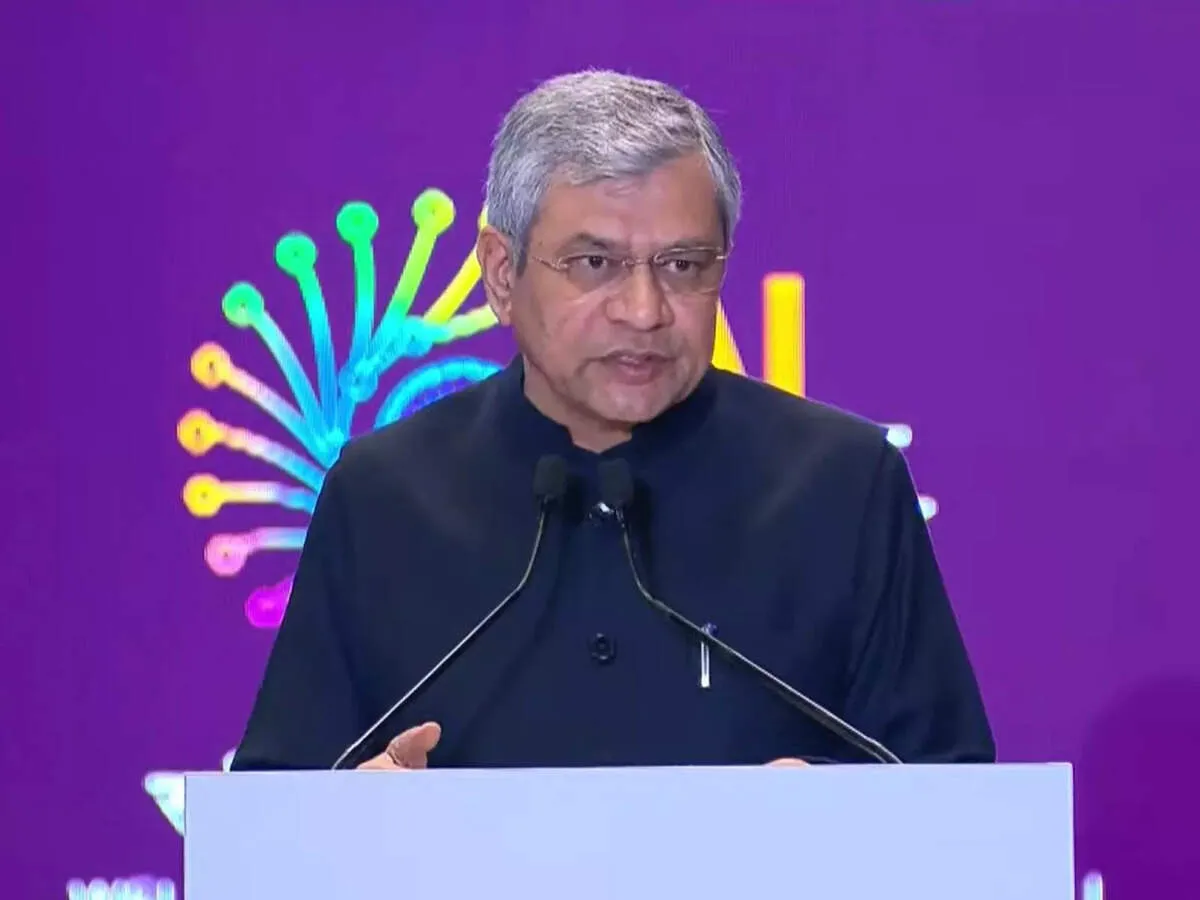
Electronics and IT Minister Ashwini Vaishnaw said AI-related job demand in India is rising 15–20 percent as industries transform to meet the new tech wave. Speaking at CII, he urged companies to partner with Nasscom for talent readiness. He also cited tax waivers for data centres until 2047, with about $200 billion investment underway, alongside new subsea cables and local AI server manufacturing.
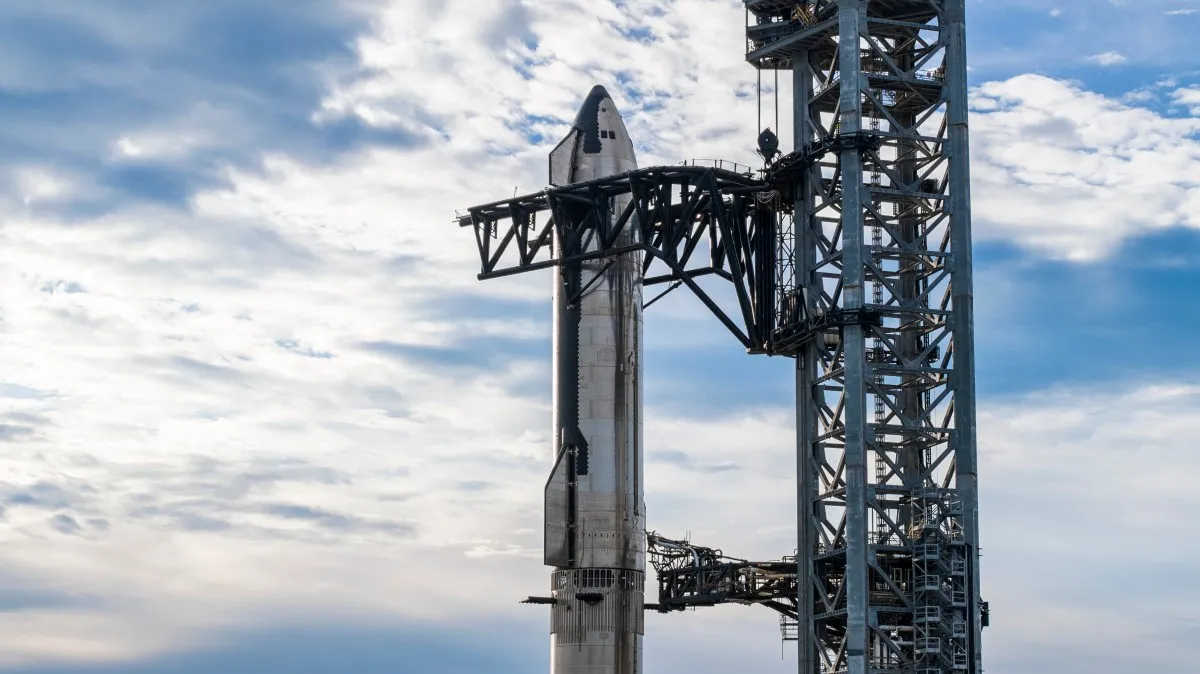
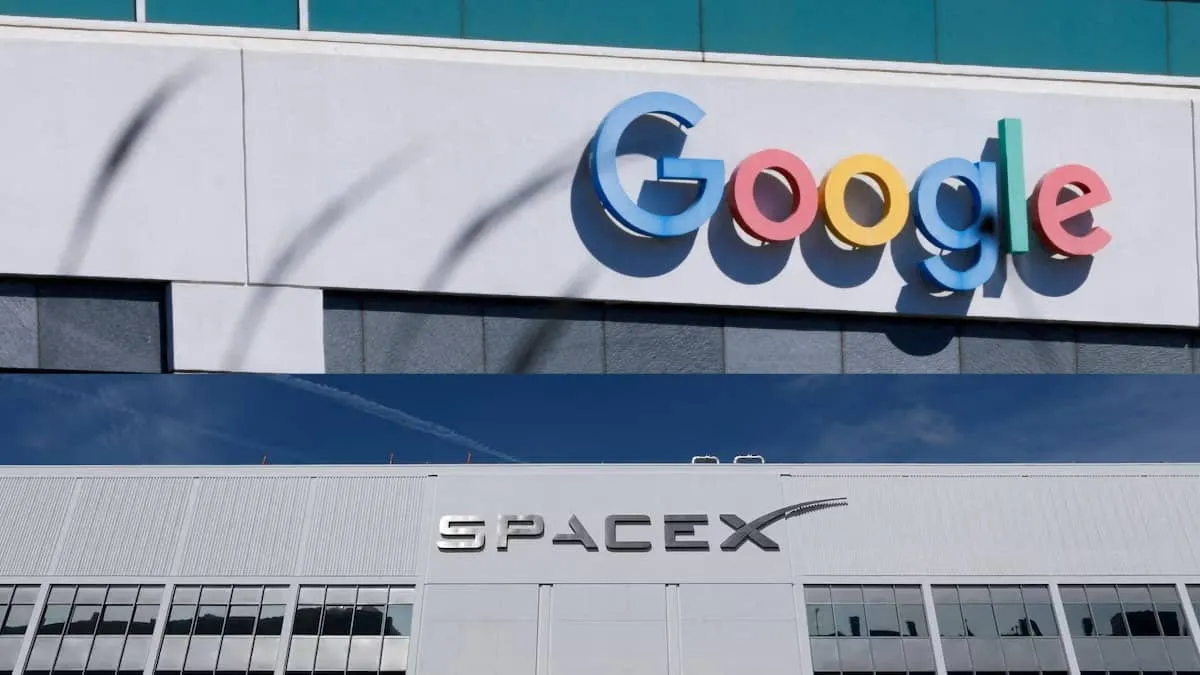
Google and SpaceX are reportedly exploring partnerships to build data centers in orbit, positioning space as the next frontier for AI compute. The pitch targets latency and power availability advantages, but the proposal faces a major hurdle: launching and operating in space remains far more expensive than running equivalent infrastructure on Earth.
Follow your favourite sources
Track sources, tags and categories — all in the Beige app.
Google is reportedly in early discussions with Elon Musk’s SpaceX about launching a rocket deal to support data centres in Earth orbit, according to The Wall Street Journal. The proposal would shift some cloud infrastructure from ground-based sites to space, aligning with Google’s growing space ambitions and potentially reshaping latency, scale, and security assumptions.
Nvidia CEO Jensen Huang says the AI revolution will trigger a major U.S. infrastructure surge that needs more than software talent. He predicts electricians, plumbers, and builders could see wages rise as AI data centers are built at unprecedented scale. The shift suggests AI’s impact will extend into skilled manual work, potentially reshaping career paths for traditional trades.
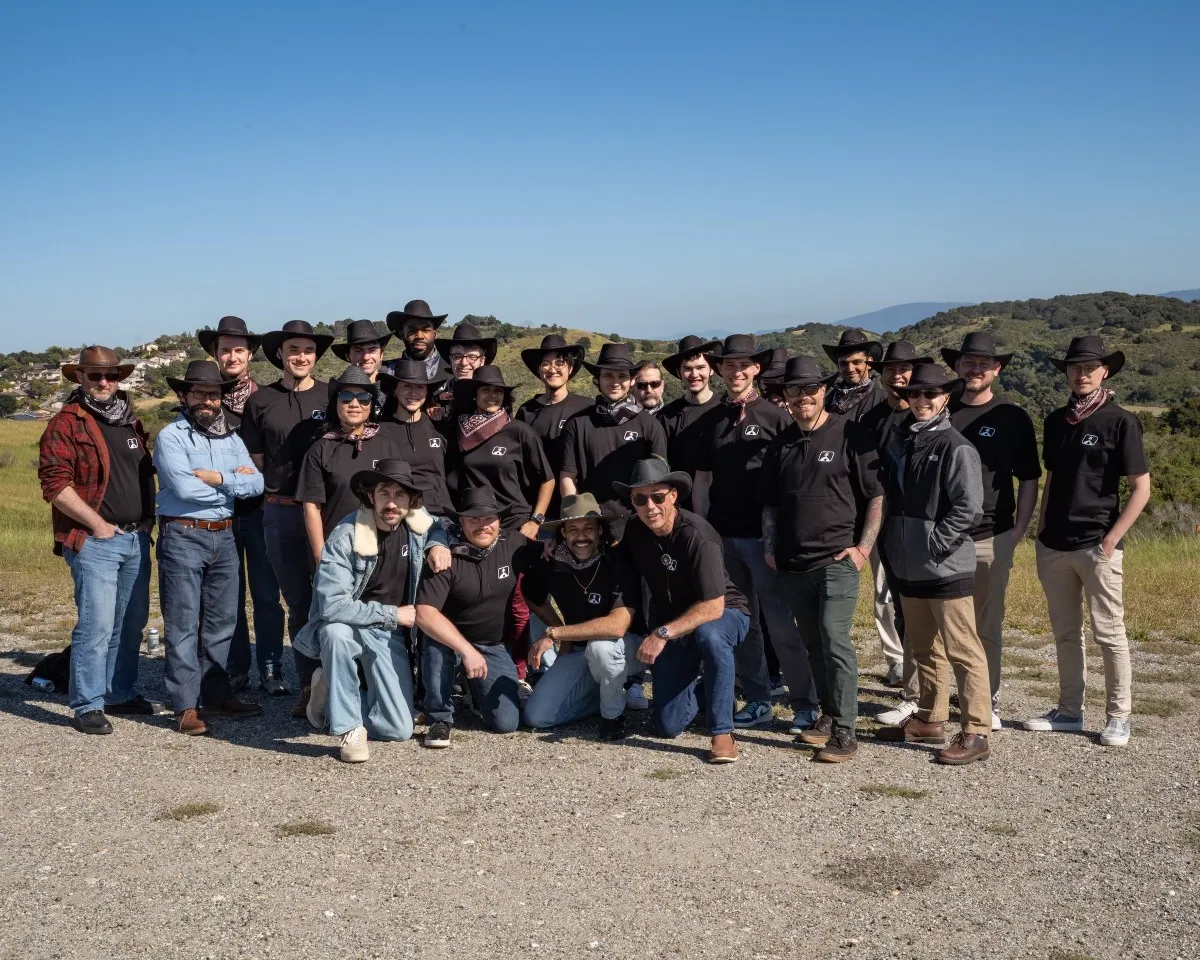
AI compute demand is pushing data center builders toward orbit, but Cowboy Space’s plan faces a brutal constraint: too few rockets are available, and the launches are still prohibitively costly. The company just raised $275M to build space-based data centers, aiming to meet demand despite the spaceflight supply crunch.
India’s IT hiring is set for a sharp boost as AI job openings are projected to grow by about 15 to 20 percent, according to Ashwini Vaishnaw. The momentum is being supported by major data center investments, aided by attractive tax benefits, while new subsea cable projects expand digital connectivity—strengthening the infrastructure behind the AI boom.
Stay informed on the go
Bite-sized news from 100+ trusted sources, right in your pocket.
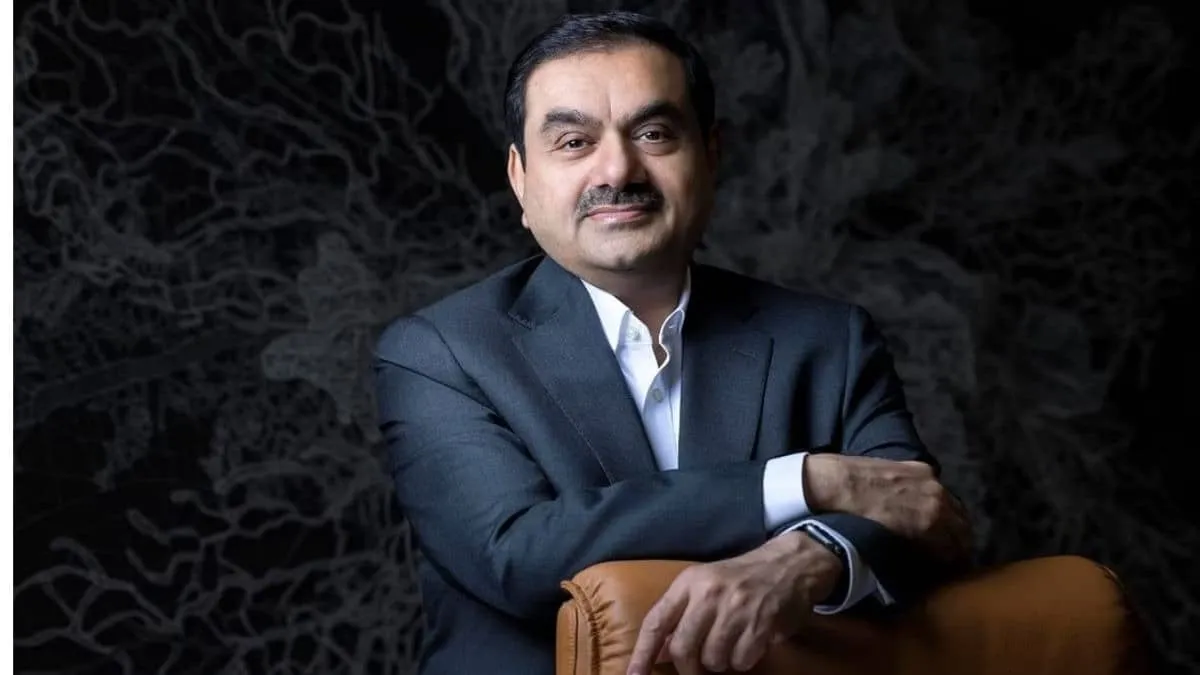
Gautam Adani unveiled a $200 billion roadmap aimed at securing India’s energy and digital sovereignty, arguing that national power now rests on controlling both “energy and compute.” Speaking at the CII Annual Business Summit 2026, Adani said the plan includes $100 billion for the energy transition and $100 billion for data center infrastructure, to reduce dependence and strengthen AI readiness.
India’s semiconductor mission is accelerating. Two plants are already operational, while the third is set to start production in July and a fourth facility is expected to be up by November-December. Alongside chip manufacturing, India is also expanding data centers and AI-related production—aiming to strengthen resilience against global economic headwinds.
Swipe through stories, personalise your feed, and save articles for later — all on the app.