India’s power ministry plans to push a ₹20,000 crore carbon capture scheme to the Cabinet, with approval expected by July. The program targets emission cuts from major sectors including power, steel, and cement, aiming to accelerate decarbonisation while keeping pace with growing energy demand. If cleared, it could reshape how high-emitting industries reduce their footprint.
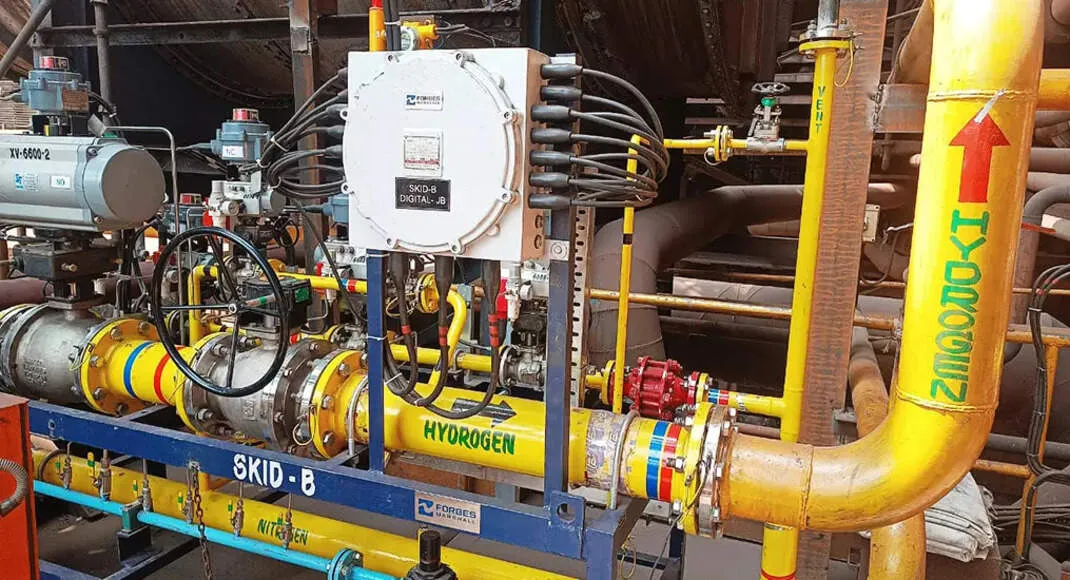
With India’s steel sector responsible for around 35% of industrial CO2 emissions, Tata Steel and JSW Energy are pursuing green hydrogen to produce low-carbon steel. The move could reshape one of the hardest industries to abate, but it comes with massive infrastructure and financing requirements. The question: can their roadmap scale across the sector?
Your news, in seconds
Get the Beige app — every story in 60 words, updated hourly. Free on iOS & Android.
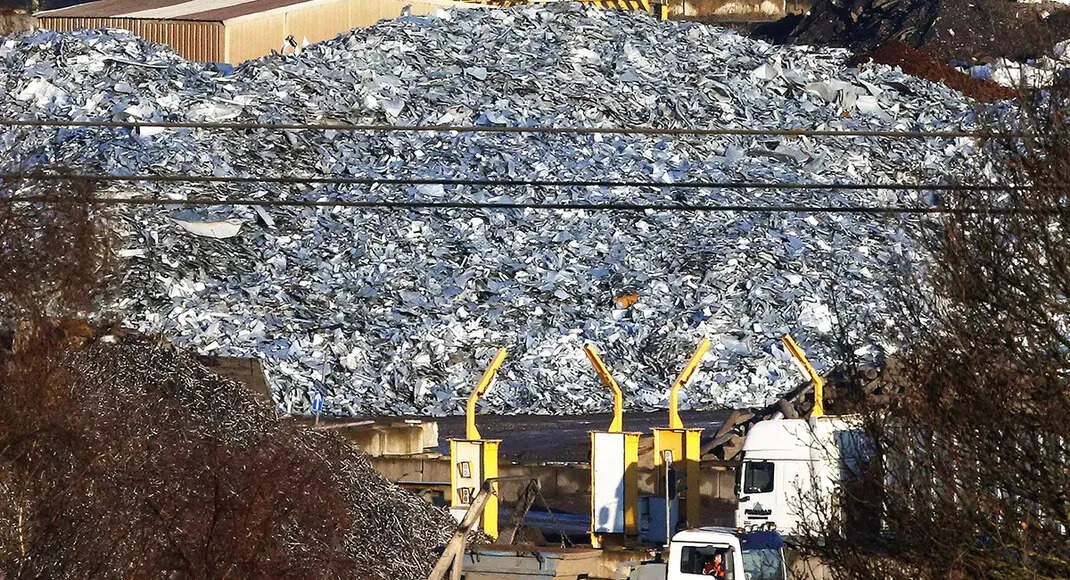
Tata Steel is aligning its India decarbonisation plan with a “tap the scrap” strategy, leaning on steel recycling to move toward a circular economy. With India facing a deficit in ferrous scrap, the company’s high-stakes recycling business could reshape how steel is sourced and produced—while supporting its goal of greener operations by 2030.
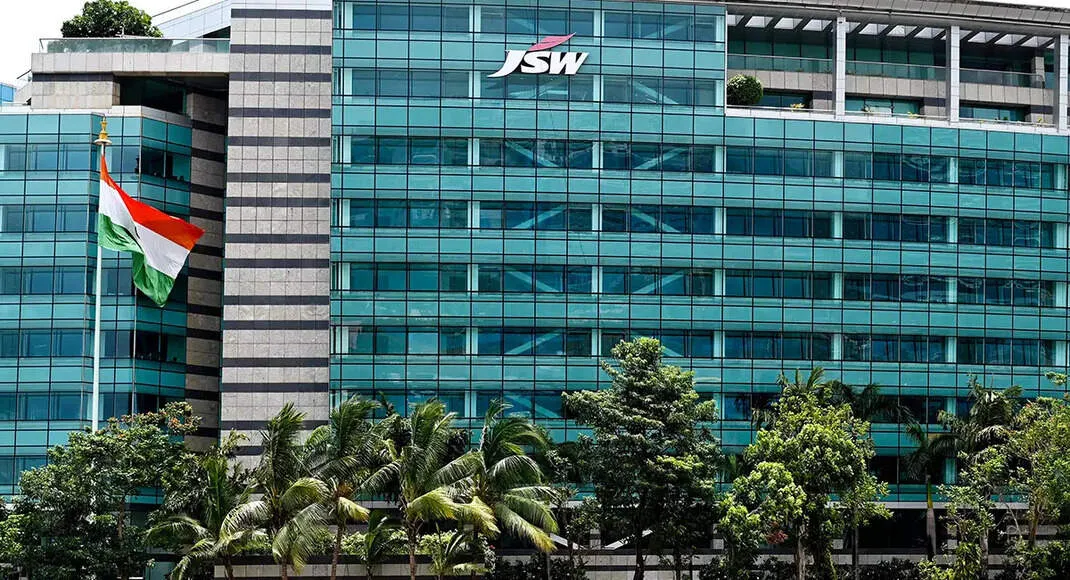
JSW Steel, led by Sajjan Jindal, is taking a different route to decarbonisation. While competitors chase a specific net-zero target date, JSW is not setting a net-zero year. Instead, it has a 2030 decarbonisation roadmap anchored in renewables, circularity, and process efficiency, paired with sustainability-linked remuneration from board to managers.
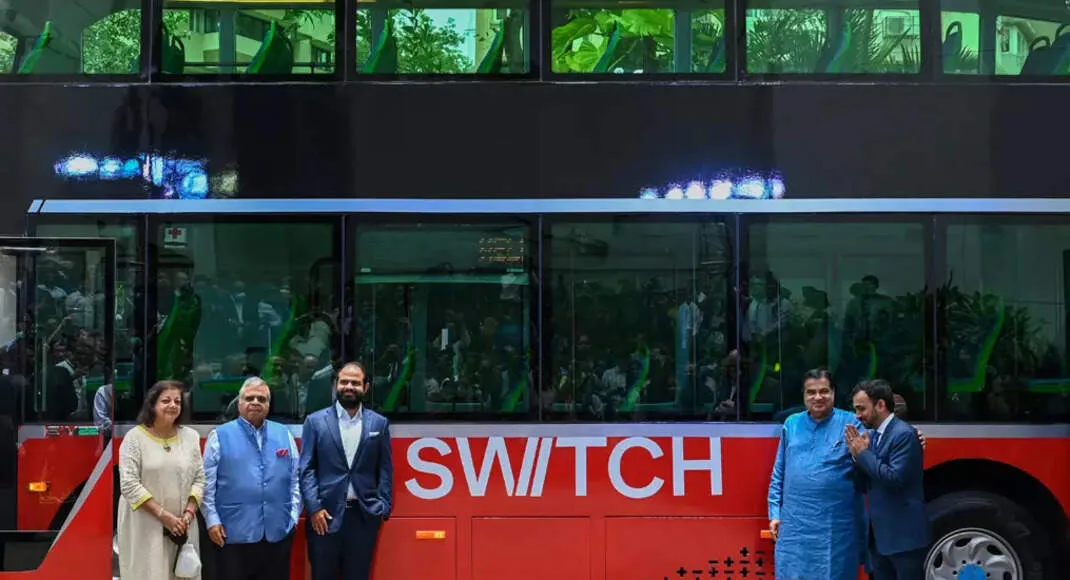
India’s PM-eBus Sewa scheme, backed by INR 57,613 crore, is set to prioritize cities with no organized bus services—aiming to bring electric commutes to tier 2 and tier 3 towns. As manufacturers scale up and states push decarbonized public transport, the big question is how financing and charging infrastructure bottlenecks will be solved fast enough to deliver buses on the ground.
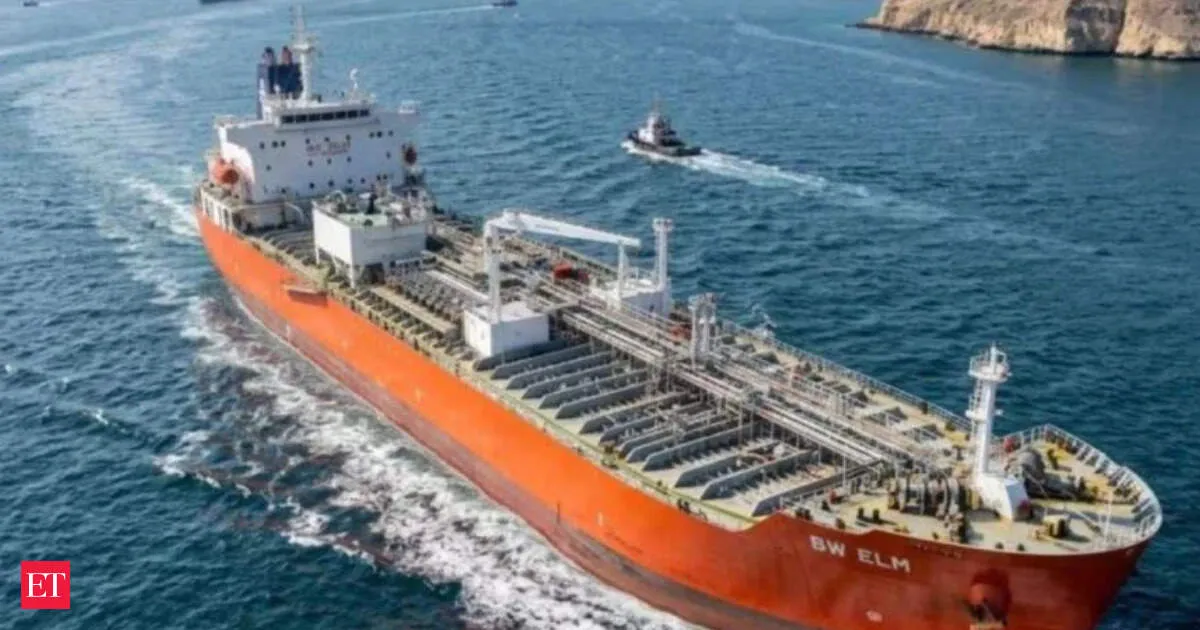
India and Singapore are working on a roadmap to build digital corridors and green shipping infrastructure, targeting decarbonisation in maritime trade. Officials say details on investment, future fuel demand, and required facilities are in the final stages. The plan pairs India’s green energy strengths with Singapore’s role as a major shipping hub, aiming to create new opportunities for both.
Never miss a story
Set alerts for the topics and sources you care about. Download Beige for free.
Swipe through stories, personalise your feed, and save articles for later — all on the app.