Elon Musk’s Grok chatbot is losing ground as rivals like ChatGPT, Claude, and Google’s Gemini accelerate. New figures show Grok downloads down nearly 60% since January and paid adoption hovering at just 0.174%. The “anti-woke” bot has also faced criticism after deepfake controversies and struggles to win enterprise customers.
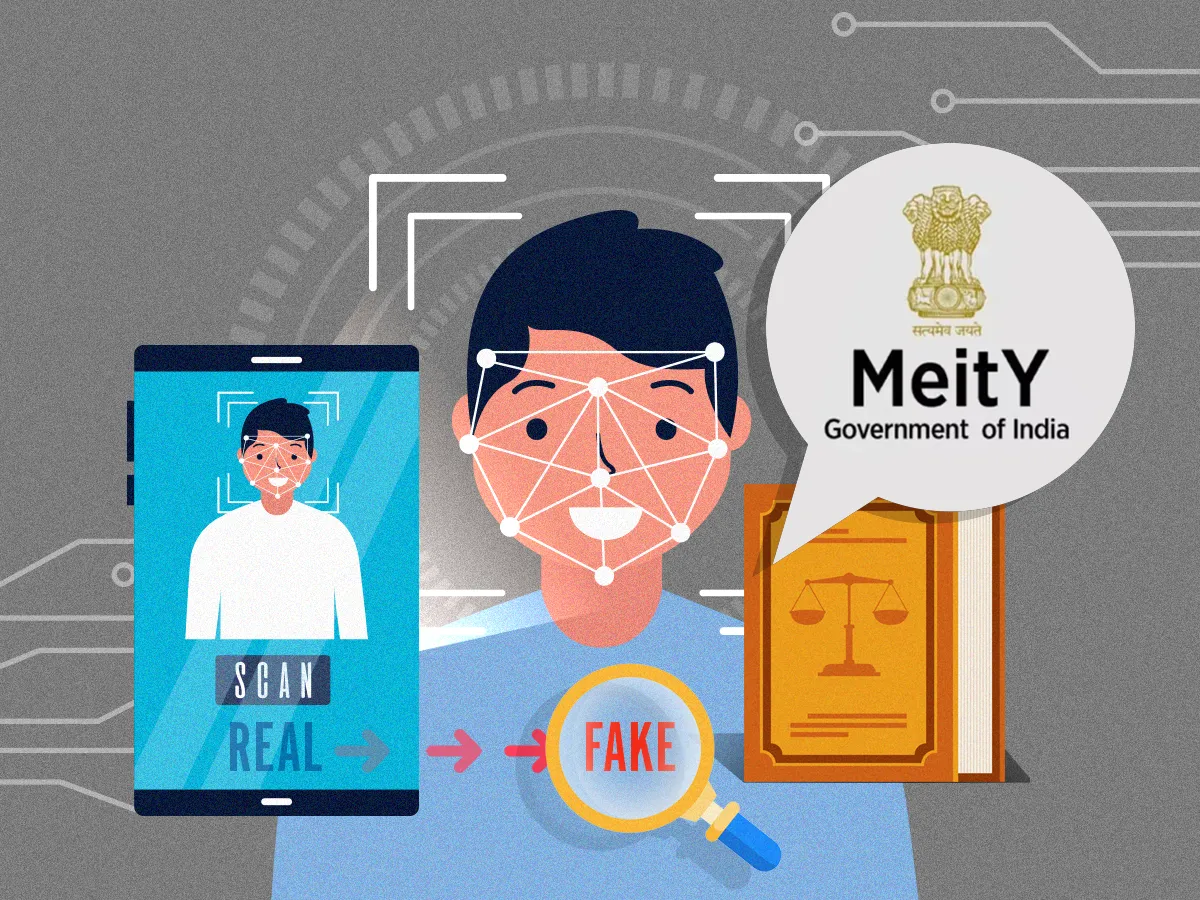
Social media platforms are now required to remove non-consensual intimate imagery within two hours of a complaint, down from a previous 24-hour deadline. The change is driven by updated IT rules and covers content such as deepfakes and material targeting women and children. Officials say most cases comply, but false positives and cross-jurisdiction reviews can slow timelines.
Your news, in seconds
Get the Beige app — every story in 60 words, updated hourly. Free on iOS & Android.
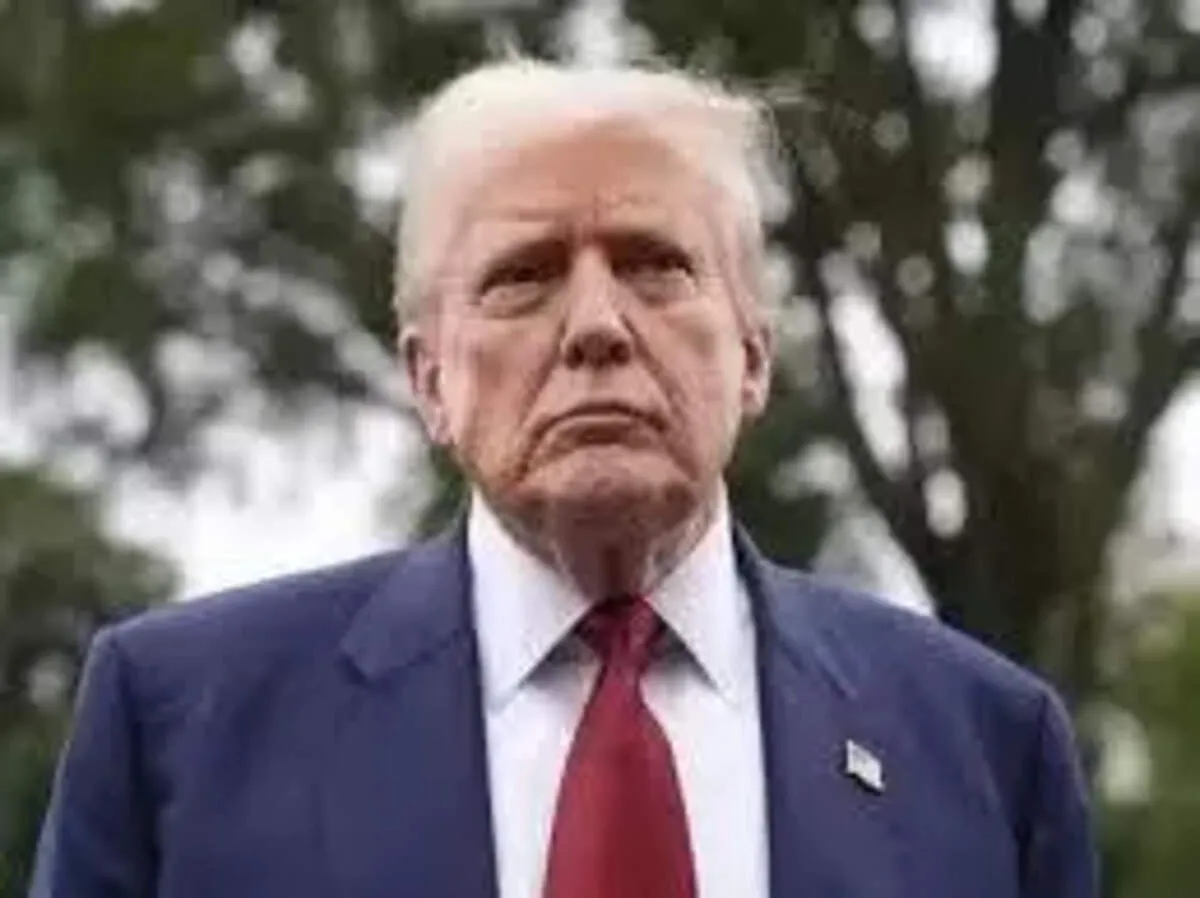
High-glam AI avatars are surging across social platforms, pushing fervent pro Trump messages just before US midterm elections. The influencer-style posts appear to feature praise in swimsuits or military fatigues and attacks on rivals, but the characters are AI-generated. The campaign raises fresh questions about manipulation and how platforms handle synthetic political content.
EU lawmakers and member states have agreed to ban AI systems that generate sexualized deepfakes, targeting humiliation and exploitation. The rollout of high-risk AI rules has been pushed to late 2027 and 2028, aiming to give businesses time and encourage innovation. The bloc is also tackling cybersecurity risks tied to increasingly advanced AI models.
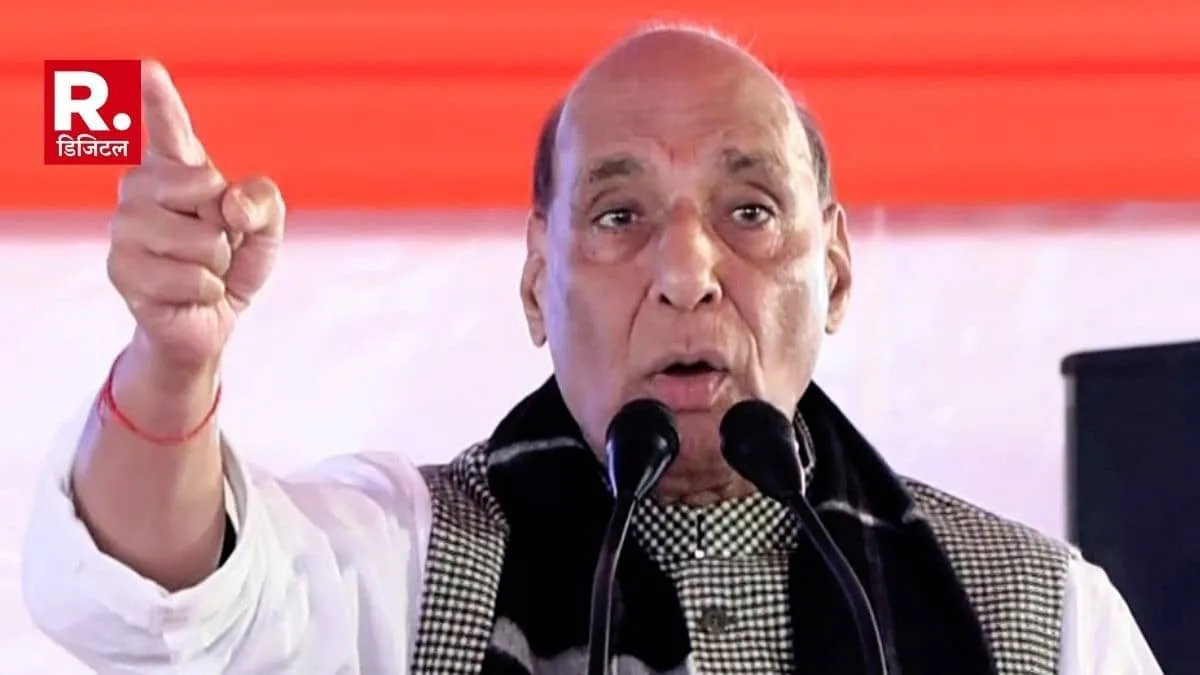
Defence Minister Rajnath Singh urged India to treat AI as a dual-use technology—useful for defence projects yet dangerous when misused. He warned that deepfakes, cyber warfare, and autonomous weapon systems can escalate threats, comparing unchecked AI misuse to the mythological Bhasmasur. At the same time, he pointed to successful AI integration like Operation Sindoor.
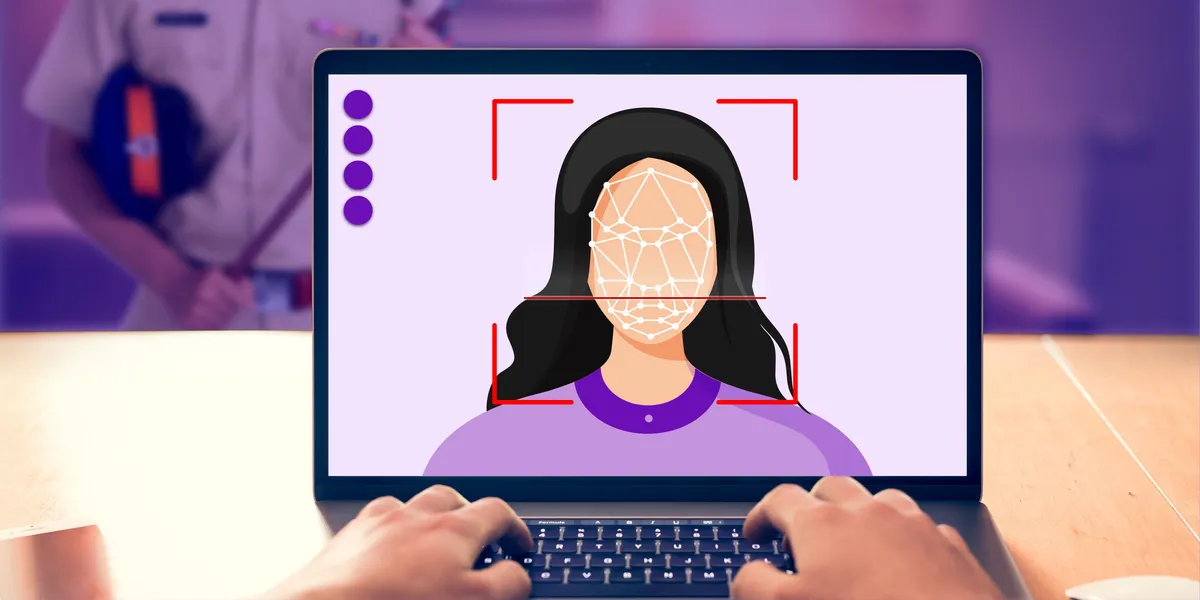
Ahmedabad Police arrested four men accused of using AI tools, including Google Gemini, to generate deepfake videos and allegedly bypass Aadhaar OTP verification to run a loan scam. The case underscores how AI-powered identity fraud is becoming simpler and more accessible, posing fresh risks to India’s digital verification systems and prompting calls for stronger safeguards.
Never miss a story
Set alerts for the topics and sources you care about. Download Beige for free.
AI has turned trust into a cyber weakness, enabling deepfake-driven fraud where voice, video, and identity look real enough to approve millions. A real case saw a $25M+ loss after an AI-made meeting duped a finance executive. As deepfake tools become “as-a-service,” security shifts from identity checks to intent-based verification, layered approvals, and behavioral detection.
Taylor Swift has filed trademark applications covering two audio clips and an image, aiming to protect her voice and likeness from AI-generated deepfakes. The move comes amid widespread misuse of her image and audio in scams, fake endorsements, and explicit content, raising fresh questions about how artists can legally defend their digital identity.
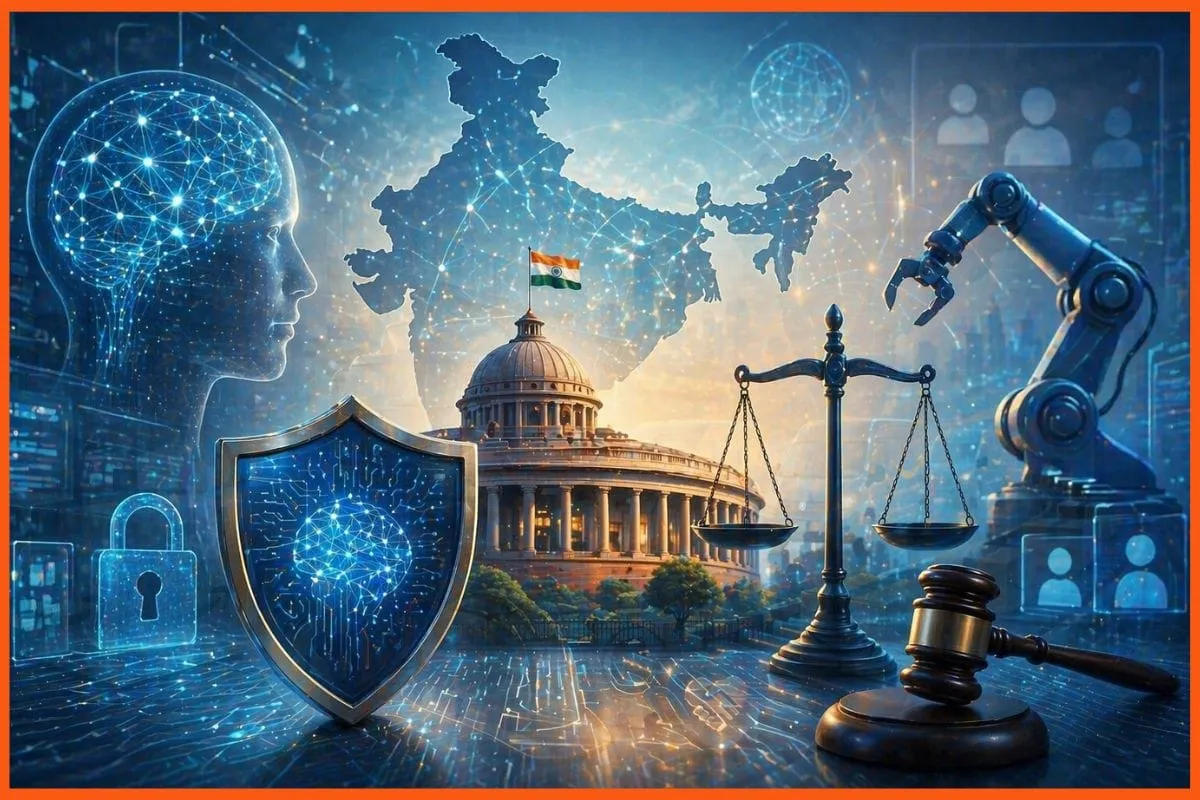
India is reportedly shifting from a “light-touch” approach to AI regulation by forming a Technology and Policy Expert Committee and an interministerial AI Governance and Economic Group. The new framework targets deepfakes, cybersecurity threats, and platform accountability across vital sectors. India is also revising intermediary rules to require clearer labeling of AI-generated content by 2026.
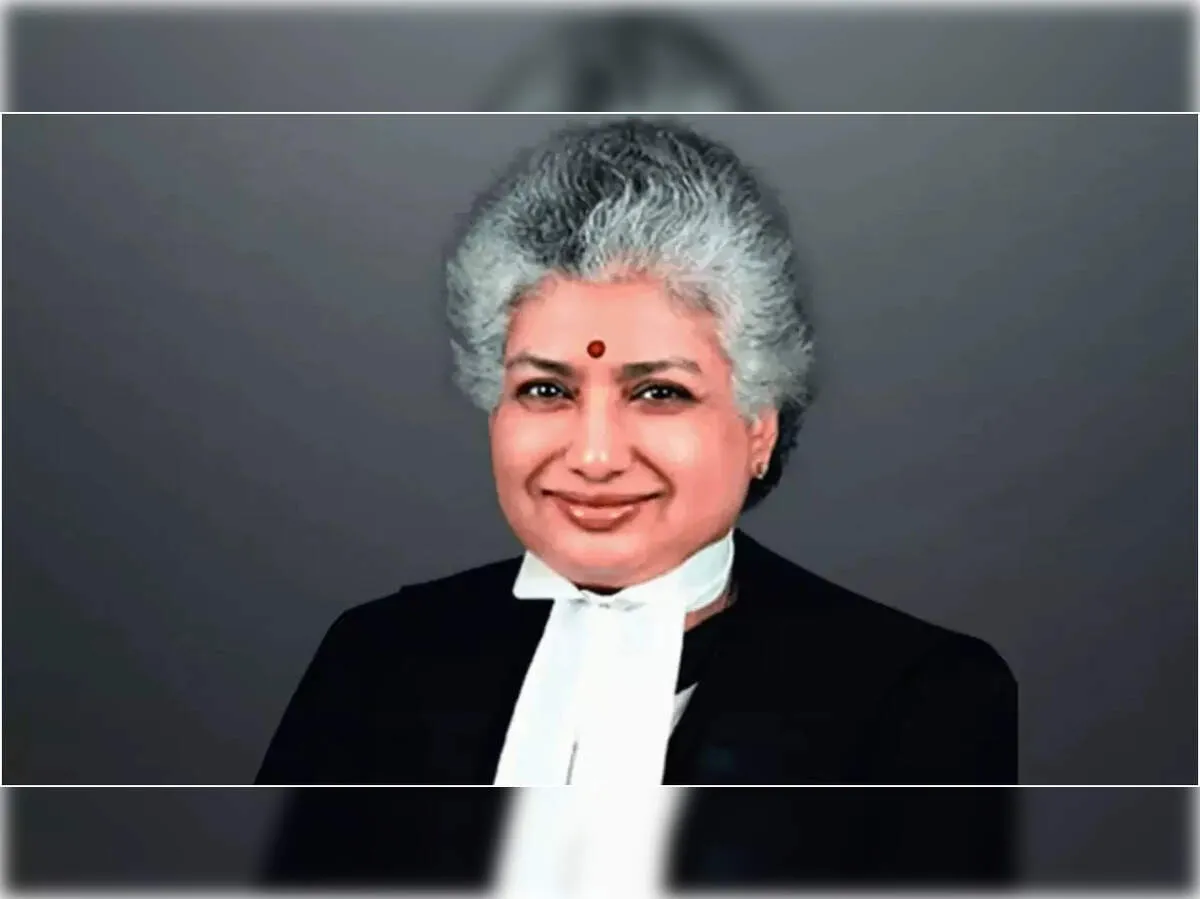
Justice Nagarathna urged authorities to consider legislating specifically against deepfakes and AI-enabled forms of child abuse, pointing to rising threats to girls’ safety. Speaking at the Supreme Court’s Juvenile Justice Committee stakeholders consultation with UNICEF India, she highlighted the need for stronger safeguards and a safer environment for the girl child.
Reading on mobile?
Open Beige in the app for a smoother experience — free on iOS and Android.
India is considering a major shift in AI governance, moving away from its earlier “light-touch” approach as risks mount around cybersecurity, deepfakes, and threats to critical sectors. A Mint report says a six-member TPEC and a 10-member inter-ministerial AIGEG are preparing fresh guidelines, potentially reshaping policy direction. The push comes amid Grok controversies, tighter intermediary rules, and court action over deepfakes.
YouTube has expanded its likeness protection program by offering Hollywood celebrities and entertainers a free deepfake detection tool. Designed to help artists identify AI-manipulated impersonations, the feature supports faster reviews and removal requests for misleading content. The move targets a growing wave of AI-generated deception as creators seek better protection of their careers and public image.
Swipe through stories, personalise your feed, and save articles for later — all on the app.