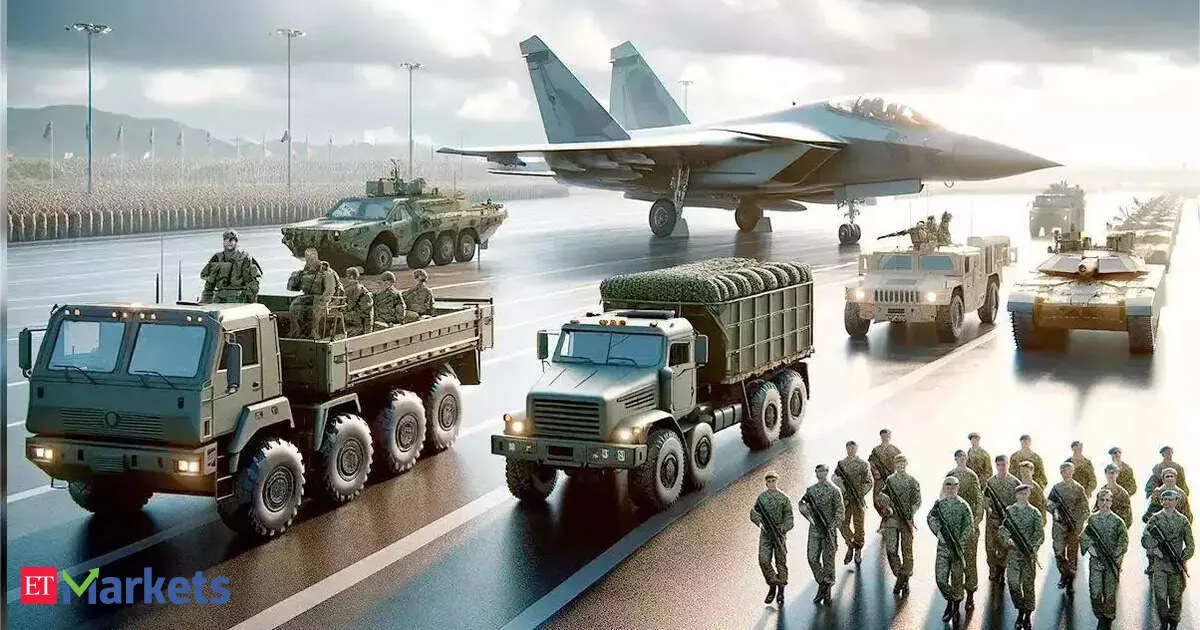
India’s defence industry is hitting a milestone, with exports rising beyond 38,000 crore rupees. The jump is credited to the success of Operation Sindoor, a tightly timed 96-hour engagement that showcased the performance of homegrown systems. With global buyers taking notice, flagship technologies such as the BrahMos missile and Akash-NG air defence are emerging as key drivers of the export boom.
India’s defence sector is undergoing a major transformation, with exports jumping about 25 times over the past decade. Reports point to deeper indigenisation, more procurement from domestic firms, and expanding overseas reach. Yet the momentum comes with hurdles, including gaps in critical technologies and ongoing reliance on parts and supply chains from abroad.
Your news, in seconds
Get the Beige app — every story in 60 words, updated hourly. Free on iOS & Android.
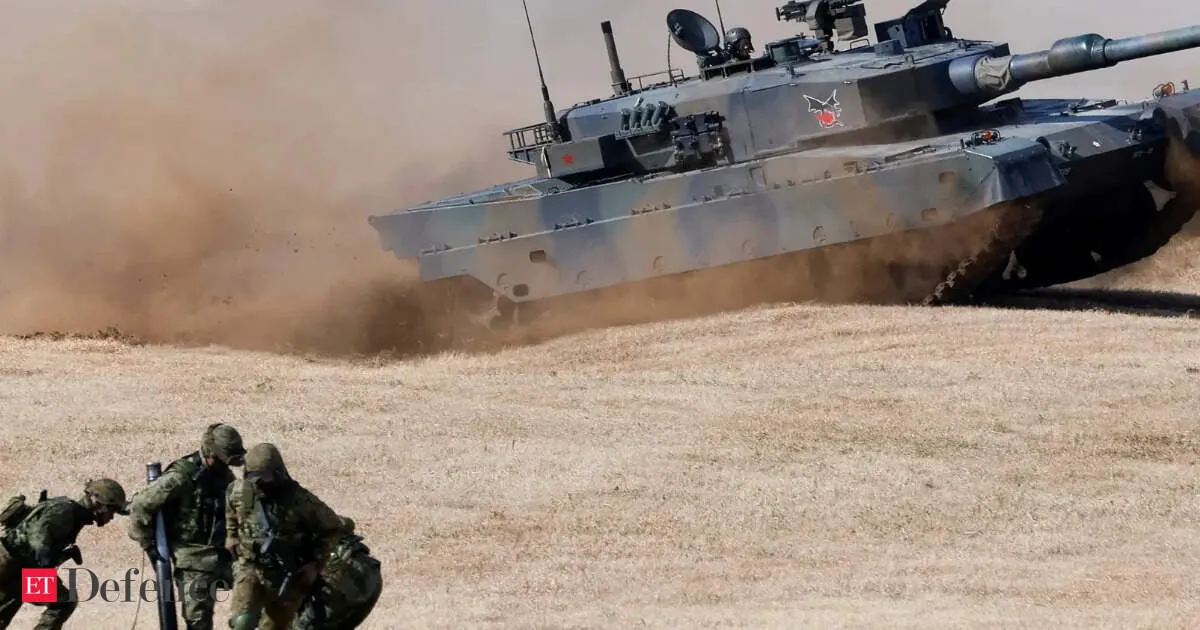
Japan has ended its long-standing ban on exporting lethal weapons, signaling a push to become a bigger player in the global defense market. The plan faces hurdles like limited production capacity and workforce shortages, but Japan’s emphasis on high-tech defense industries could help it compete as demand rises internationally. Analysts say the shift is already reshaping expectations for future deals.
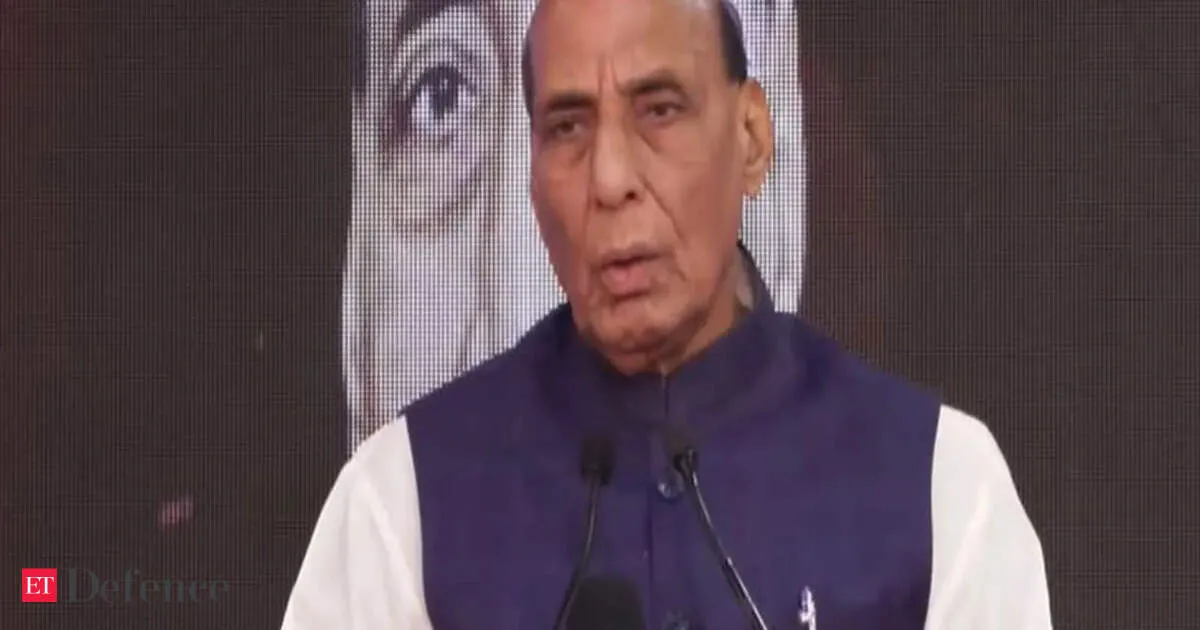
Defence Minister Rajnath Singh says India’s struggle against terrorism is anchored in protecting humanity’s core values, not slogans. He points to a shift toward decisive action, citing Operation Sindoor as a showcase of India’s integrated military capability. Singh adds that India has taken a tougher stance against terrorism and its sponsors, while defence exports continue to rise.
Swipe through stories, personalise your feed, and save articles for later — all on the app.