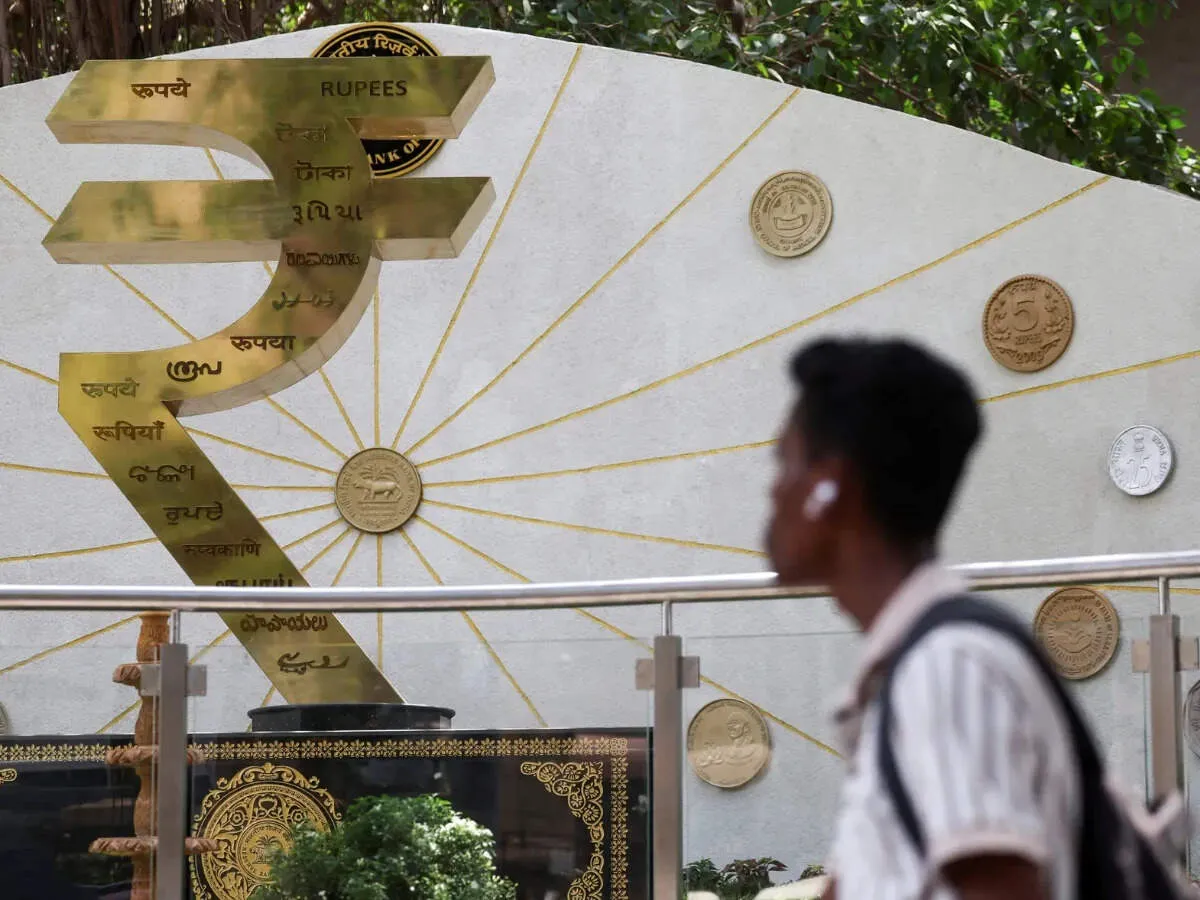
India has brought millions into the formal financial system through bank accounts and digital payments, but a new study highlights a deeper problem: household financial maturity. Many families struggle with basics like compounding and inflation, limiting their ability to choose products and plan effectively. Closing this knowledge gap could unlock more inclusive growth and stronger long-term outcomes.
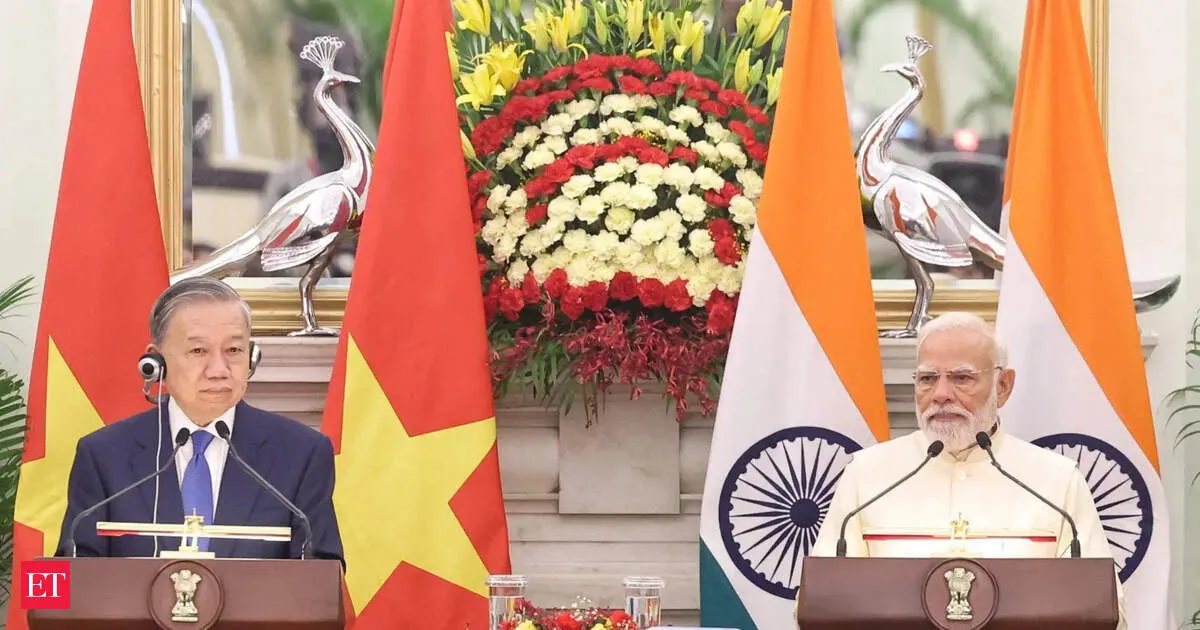
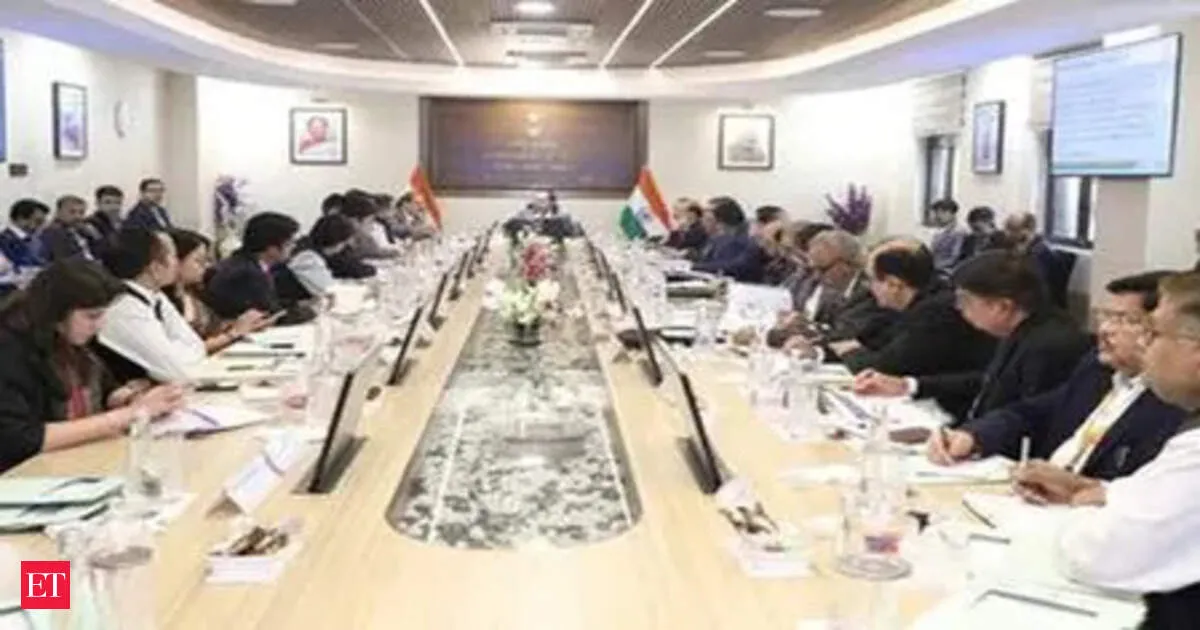
India and Vietnam upgraded ties to an Enhanced Comprehensive Strategic Partnership as President To Lam visited New Delhi. Modi and To Lam set a USD 25 billion bilateral trade target by 2030 and signed 13 MoUs spanning defence, rare earths, digital payments, pharmaceuticals, and emerging tech. The package also moves agricultural access, including durian and grape openings.
Your news, in seconds
Get the Beige app — every story in 60 words, updated hourly. Free on iOS & Android.
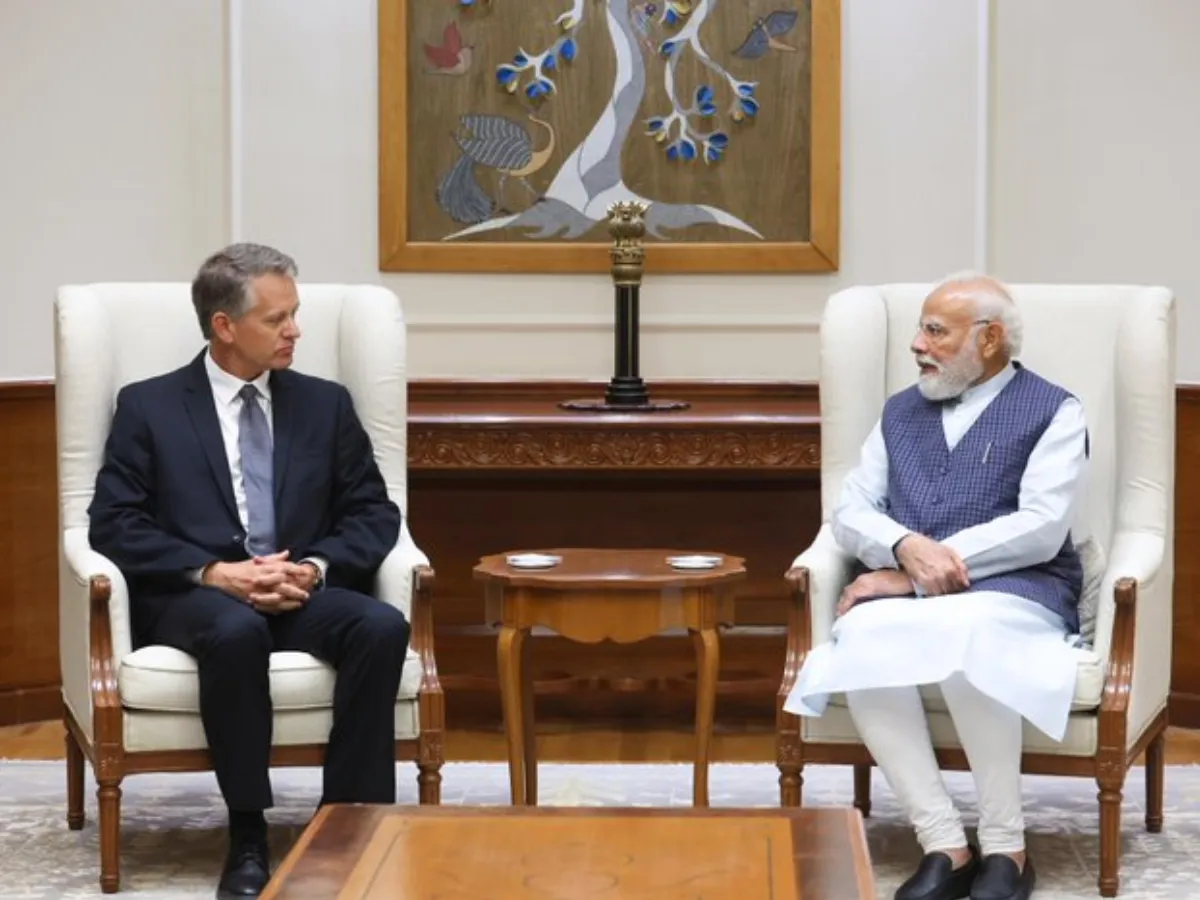
Walmart CEO John Furner met Prime Minister Narendra Modi to discuss India’s growth and investment opportunities. The retailer said it has sourced $40 billion worth of goods from India and is expanding digital commerce and payments. The broader push includes plans tied to Flipkart and PhonePe’s potential public listings, signaling Walmart’s intent to deepen its footprint in the market.
During peak tax season, NPCI has expanded the UPI payment limit for verified categories, including income tax, allowing transactions up to ₹5 lakh per day. While most users still face the standard ₹1 lakh daily UPI cap, the higher threshold aims to simplify digital tax compliance and reduce dependence on net banking for larger payments.
India’s spiritual economy is shifting online as FaithTech platforms offer rituals, offerings, guidance, and devotional commerce on demand. Demand surged during and after COVID-19 when worship access was limited and overseas Indians sought remote connections. With payments infrastructure and rising interest in AI-driven spirituality, faith is becoming individual, flexible, and increasingly subscription-led.
India’s digital payments ecosystem is feeling a pinch as a shortage of new point-of-sale terminals worsens. Disruptions to imports from China and the ongoing West Asia crisis have pushed PoS device prices up by roughly 15 to 20 percent. Payment firms are responding by extending terminal lifecycles and making tighter use of existing assets.
Never miss a story
Set alerts for the topics and sources you care about. Download Beige for free.
India and Vietnam have upgraded their relationship to an Enhanced Comprehensive Strategic Partnership, signing 13 MoUs spanning defense and economic cooperation. The deal includes moves on banking and digital payments, with both sides seeking to lift bilateral trade to $25 billion by 2030. Central bank coordination and payment-system linking are central to strengthening financial connectivity.
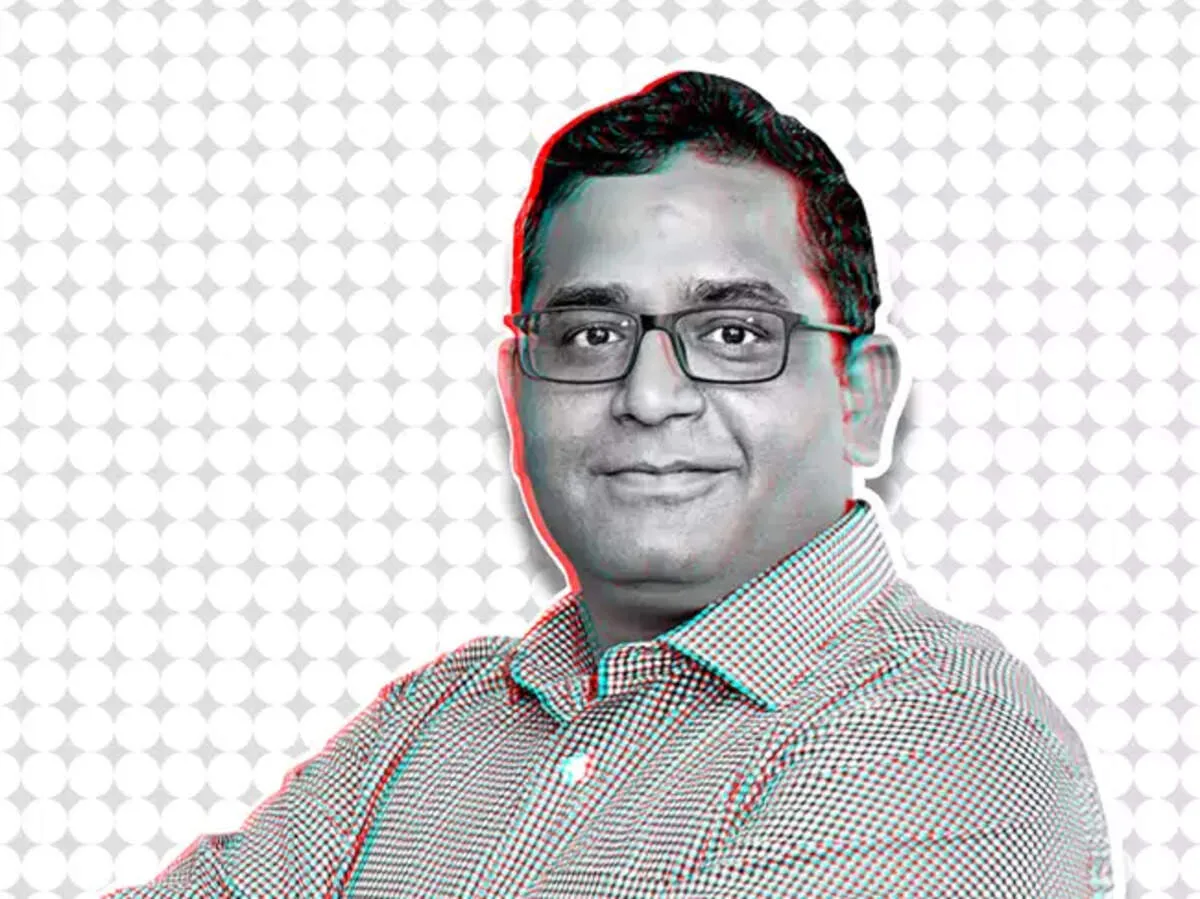
Paytm has reported its first full year of profit in FY26, ending with a net profit of Rs 552 crore, a sharp swing from prior losses. The turnaround was powered by tighter cost control and strong financial services momentum, lifting operating revenue by 22% to Rs 8,437 crore as the payments firm improved performance.
CashKaro has grown 72% to reach Rs 600 crore, crediting efficiency and AI for its expanding impact on partner brands. The platform says it has enabled over Rs 10,000 crore in sales to these brands, underlining how cashback is reshaping Indian shopping behavior and how data-driven offers can drive faster, sales-led growth.
Cross-border digital payment firms are eyeing India’s Gift City as a growth hub, applying for Payment Service Provider (PSP) licenses to reach international travelers and businesses. Razorpay, Cashfree, and Skydo are exploring multi-currency wallet offerings and easier import export payments, aiming to build on existing RBI authorizations while expanding their offshore style services.
Reading on mobile?
Open Beige in the app for a smoother experience — free on iOS and Android.
Global mobile money transactions crossed $2 trillion in 2025, doubling over four years as activity climbed and usage shifted toward everyday merchant payments, which rose 42%. Providers are also rolling out savings and insurance products to improve profitability, even as regulators tighten rules and fraud risks remain a persistent challenge.
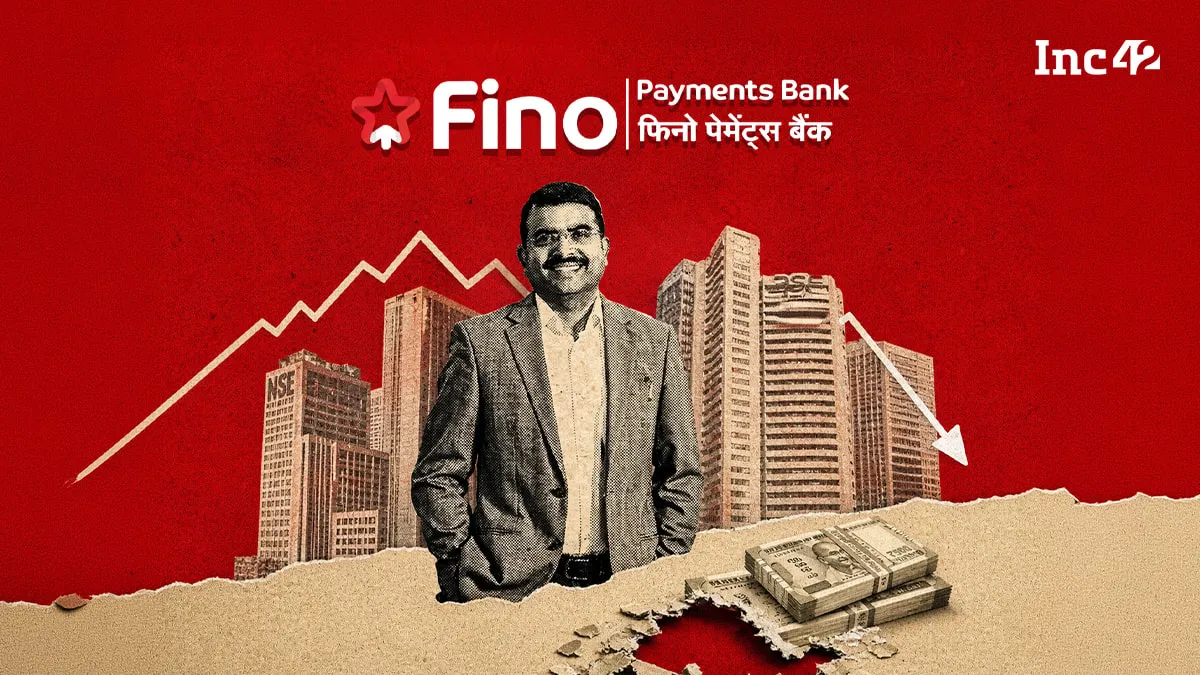
Fino Payments Bank’s performance has sharply deteriorated since CEO Rishi Gupta’s arrest, with net profit collapsing and revenue sliding across quarters. The damage stems from an RBI circular that crippled bank-led remittances, stress in NBFC and microfinance clients that fund its cash management, and a pullback from digital payments after gaming-linked investigations. Yet management points to a booming deposit base and a potential edge for its upcoming small finance bank plans.
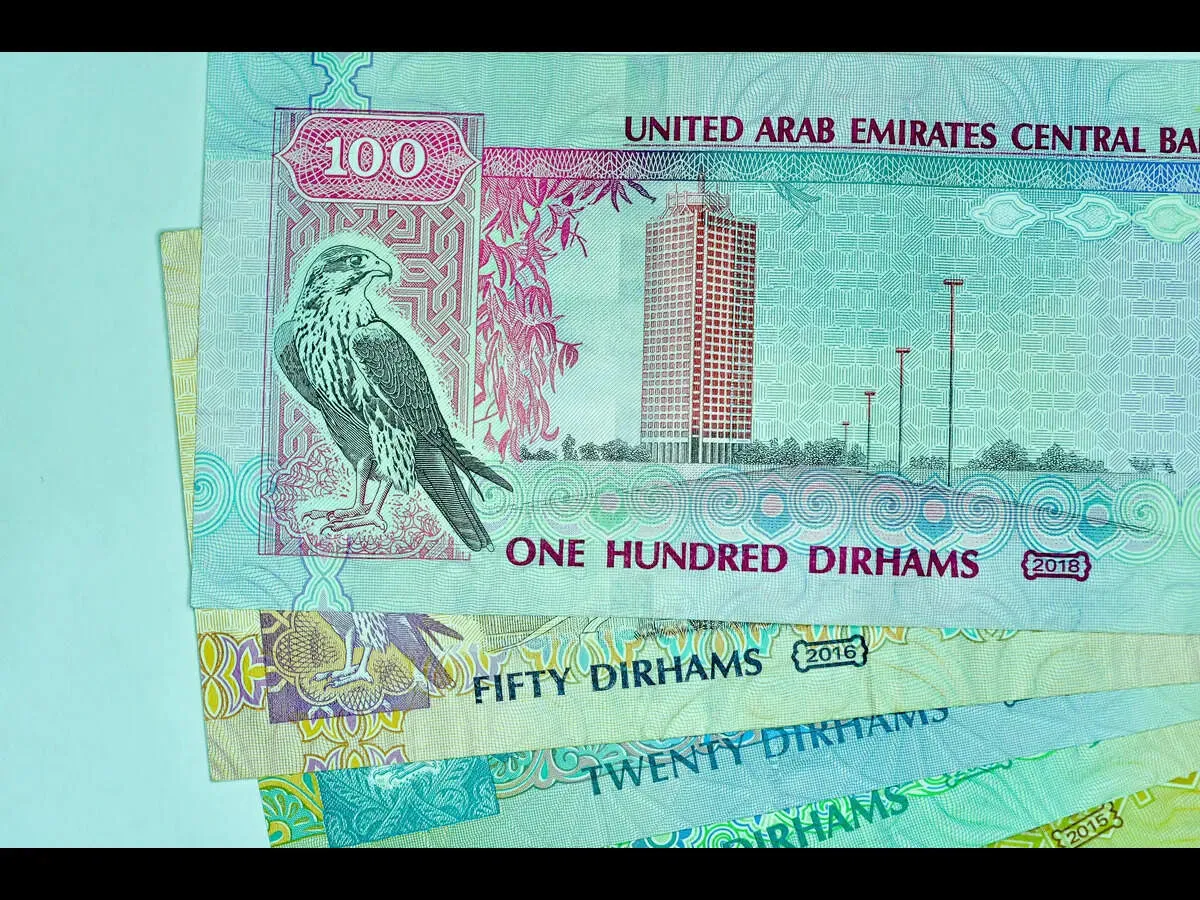
Visa has teamed up with Emirates NBD to process UAE dirham transactions locally, speeding up domestic Visa card payments for everyday spending like shopping, dining, and travel. The shift to local processing aims to reduce delays while keeping card usage exactly the same for consumers, offering quicker turnarounds without new steps.
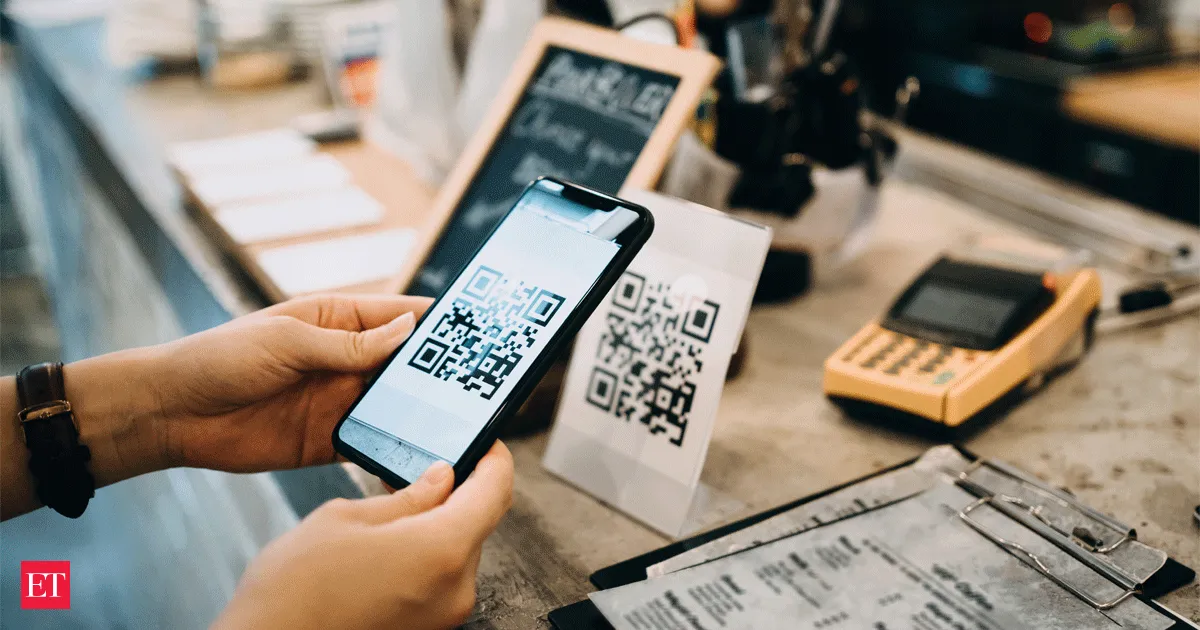
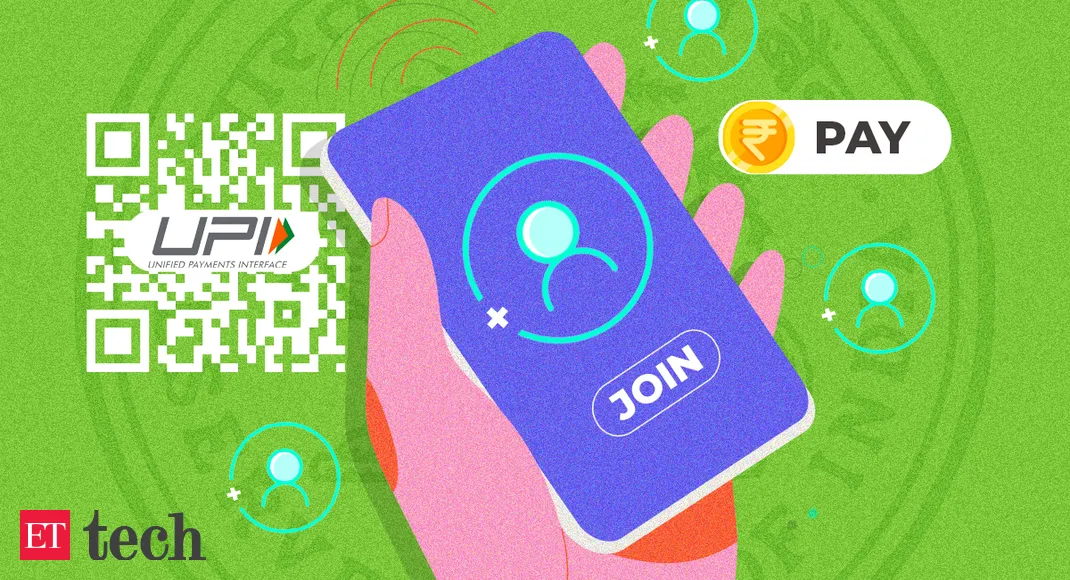
UPI logged a landmark performance in FY26, clocking over 24,162 crore transactions worth Rs 314 lakh crore. The steep rise underlines how digital payments have moved beyond big cities into everyday use across regions. With UPI becoming a default choice for millions, India’s cashless ecosystem is expanding steadily and reshaping daily spending habits.
Follow your favourite sources
Track sources, tags and categories — all in the Beige app.
UPI transactions dipped 1.3% month-on-month to 22.35 billion in April, down from 22.64 billion in March, according to NPCI data. The transaction value also eased to ₹29.03 lakh crore from ₹29.53 lakh crore. Yet on a year-on-year basis, transactions climbed 25% and value rose 21%. Average daily count and value both increased MoM as NPCI held talks with smaller ecosystem players.
UPI marks its 10th year since launch in April 2016, growing from 2 crore to 24,162 crore transactions and handling a massive share of real-time payments worldwide. Finance Ministry data says 703 banks are now live and UPI processes around 66 crore transactions daily. The IMF has also described UPI as the world’s largest real-time payment system.
NARCL said it recovered ₹4,364 crore in FY26, nearing its acquisition target after a strong 2025-26 run. At the same time, officials flagged a rise in digital financial frauds and zeroed in on cyber criminals operating through mule accounts. Plans include tighter bank-agency coordination, real-time intelligence sharing, and quicker response to disrupt fraud pipelines.
Uber has launched an in-app “Hotels” tab in partnership with Expedia Group, letting riders browse and book stays directly from the Uber home screen. Users can filter by price, ratings, and amenities, then complete bookings using their existing Uber wallet. The move aims to deepen engagement and create fresh revenue as Uber expands beyond rides into broader travel services.
Stay informed on the go
Bite-sized news from 100+ trusted sources, right in your pocket.
Smaller UPI players are set to meet NPCI, arguing that the rapid rise of leaders like PhonePe, Google Pay and Paytm needs a fairer framework. In the same tech update, WhatsApp reportedly tightens defenses against scams—raising pressure on platforms and payments ecosystems to improve safeguards while competition heats up.
Labour and employment minister Mansukh Mandaviya said EPFO settled 6.103 million claims in April 2026, with 74% of PF advance requests handled in auto mode and 98.70% of claims settled within 20 days. The push is powered by EPFO 3.0, a digital overhaul for instant, paperless withdrawals. He also indicated the minimum pension under EPS-95 could be raised.
Swipe through stories, personalise your feed, and save articles for later — all on the app.