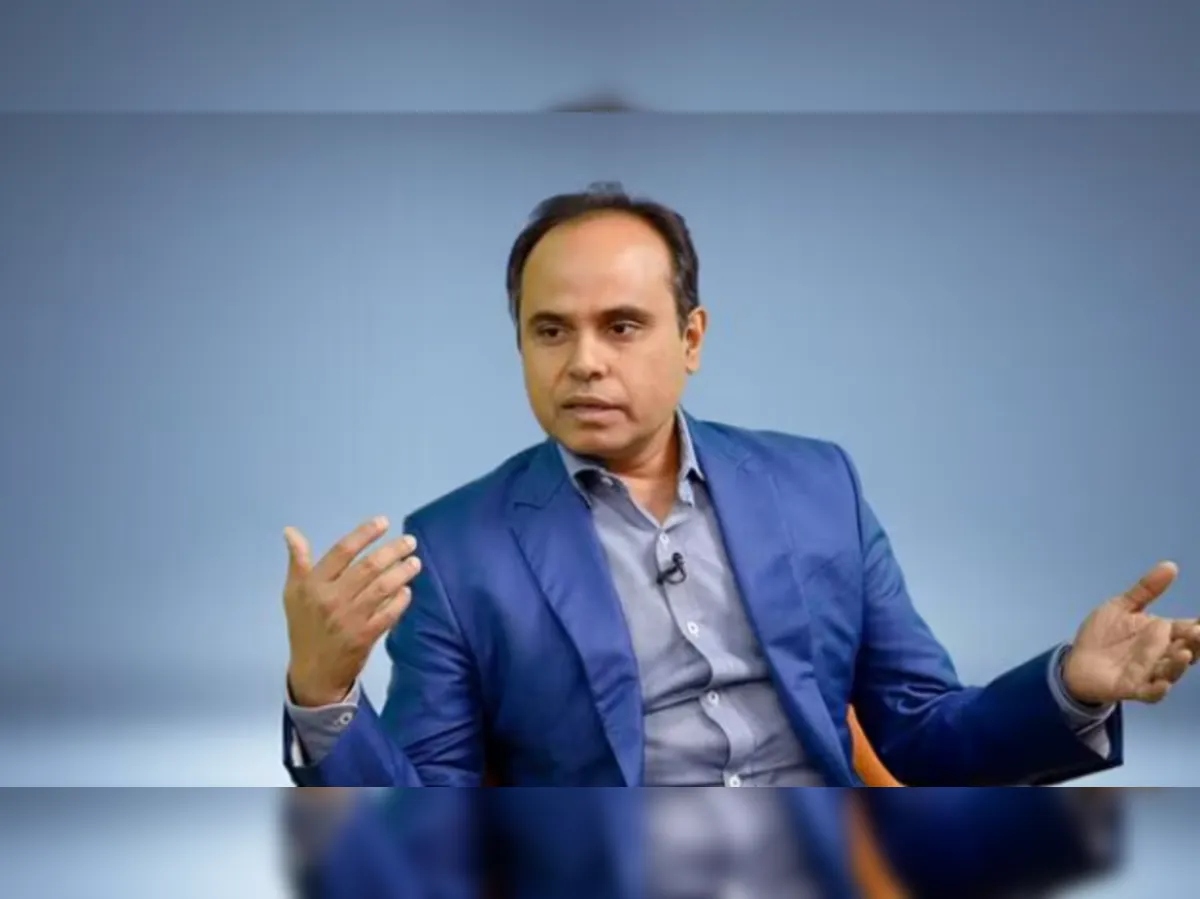
TVS Motor has appointed Ravindran Shanmugam as an independent director, effective May 13, bringing deep experience in technology and consumer-focused businesses. The company says his expertise in digital transformation and AI-led platforms will back its growth ambitions. The move will also need shareholder approval, with his insights expected to shape TVS’s strategic direction.
Walmart is reportedly considering cuts or relocations of about 1,000 corporate employees as it restructures its technology and AI work. The retailer appears to be blending its global technology and AI product teams into a single operating model while investing more in AI-driven operations, automation, and digital infrastructure under CEO John Furner.
Your news, in seconds
Get the Beige app — every story in 60 words, updated hourly. Free on iOS & Android.
Trilegal has appointed Sandeep Ghosh, formerly Visa India head, as its first CEO—an unusual move for a law firm that typically keeps top leadership within legal ranks. Backed by deep banking and financial-services experience, Ghosh will focus on strategy, growth, and adapting to changing client expectations as legal services embrace technology.
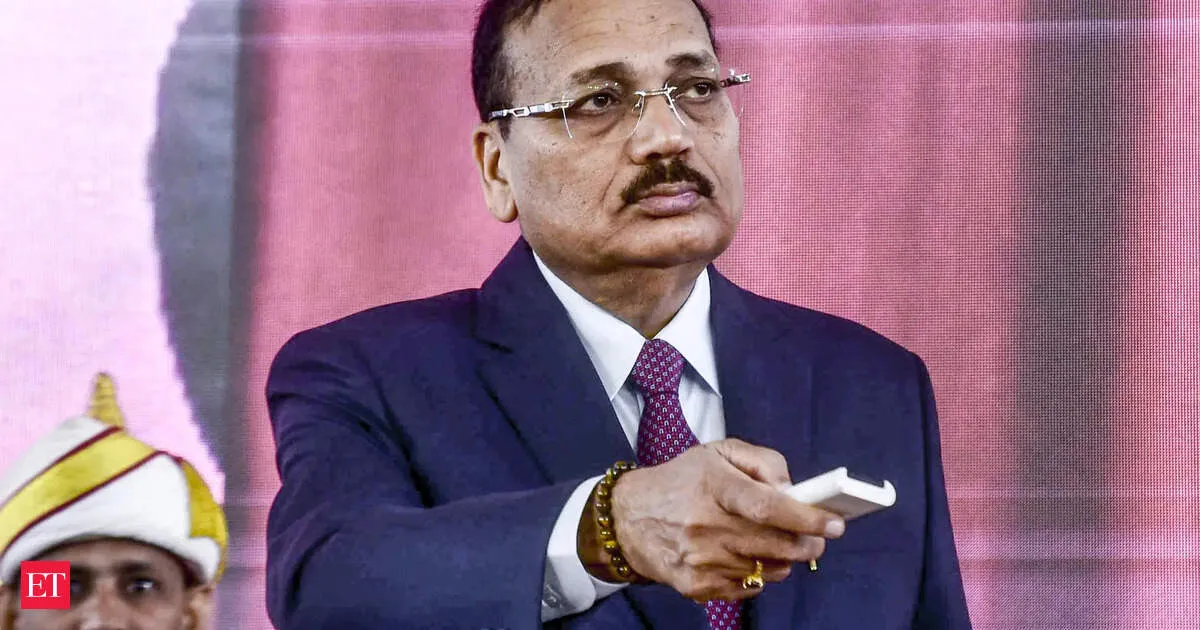
Chief Justice of India Surya Kant has unveiled the ‘One Case One Data’ initiative to unify court information across high courts, district courts, and taluka courts for smoother case management. Alongside it, the Supreme Court website now hosts an AI-powered chatbot called ‘Su Sahay’, marking a push toward more accessible, digital support for citizens and court users.
Hexaware CEO R Srikrishna says enterprise AI spending has shifted from pilots to detailed roadmaps, driven by expectations of near-term returns. He argues that AI model providers moving into services won’t displace large IT firms because transformation still needs specialized implementation. In the post-AI era, he says customer trust will decide who wins.
A new report estimates India’s mining sector could become a major jobs engine by 2047, creating 25 million roles and adding up to USD 500 billion to the economy. The transformation, dubbed “Mining 5.0,” hinges on artificial intelligence, integrated digital systems, and more sustainable practices—pushing operators toward technology-led, value-driven operations.
Never miss a story
Set alerts for the topics and sources you care about. Download Beige for free.
Samsung has opened a new Business Experience Studio in Gurugram to showcase AI-powered solutions for industries including retail, banking, and healthcare. The initiative is aimed at accelerating India’s digital transformation and moving intelligent, connected business environments to more cities. The studio will also act as a partner hub for building customized enterprise solutions.
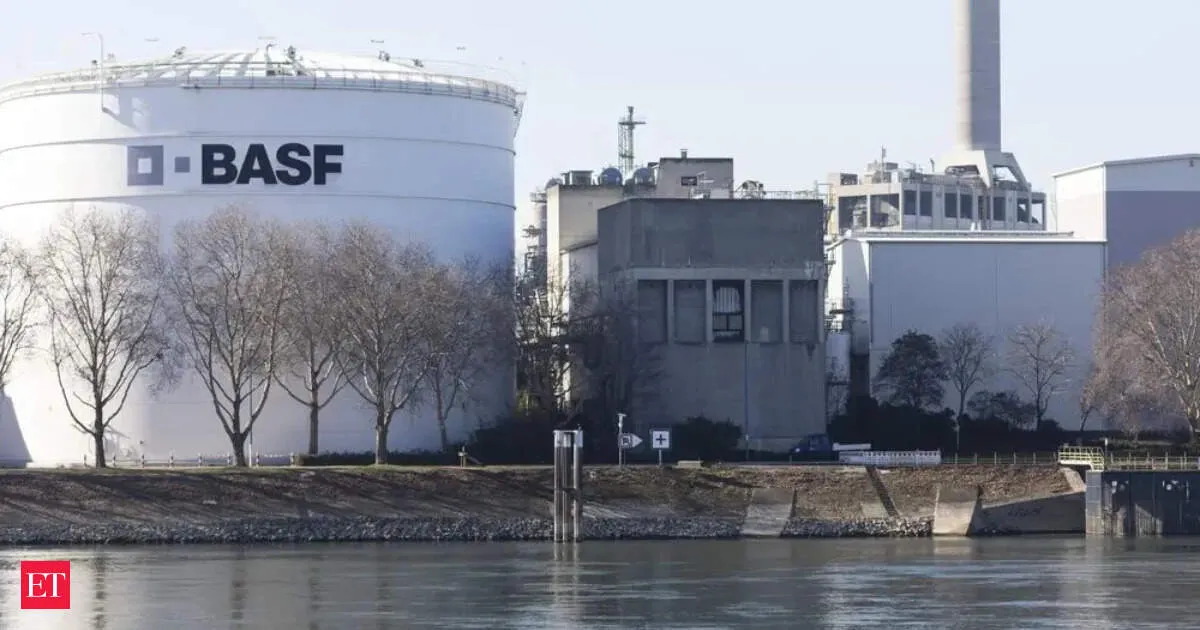
German chemicals major BASF is setting up two global services hubs in Hyderabad, a move expected to create about 3,000 jobs. The hubs will support worldwide operations by managing global finance and human resources functions. BASF says the expansion will deepen its India footprint and help drive innovation and digital transformation across its global business.
Kazakhstan’s President Kassym-Jomart Tokayev is pushing for a rapid shift to an AI-powered, real-time economy. He warned that sticking with traditional growth models is becoming ineffective and that delay could widen the global gap. The plan calls for unified digital transformation, faster decision-making, and stronger private sector and venture ecosystem involvement.
Construction is shedding its reputation for resisting new technology as AI startups step in to address labour shortages and speed up the sector’s digital shift. By bringing AI-powered tools to planning, execution, and operations, these startups aim to improve productivity, reduce delays, and make construction more data-driven—even in traditionally manual workflows.
Reading on mobile?
Open Beige in the app for a smoother experience — free on iOS and Android.
IndiGo has appointed Jochen Hoesch, formerly with Airbus, to lead its AI, data, and analytics function. The airline says the move is aimed at improving operational efficiency and upgrading the customer experience, while accelerating investment in digital infrastructure. With aviation facing intense competition and efficiency pressures, IndiGo is betting on advanced tech to stay future-ready.
Banks are pouring money into artificial intelligence, but McKinsey finds the expected payoff is not showing up. The report says legacy technology stacks and existing operating processes are slowing or limiting AI experimentation. Instead of redesigning workflows from scratch, many institutions simply attach AI to current systems, which caps efficiency, speed, and innovation gains.
India’s BPM sector is rapidly reinventing itself, with voice-based roles falling to 26% as employers move toward non-voice work focused on knowledge processing and digital workflows. Emerging tech roles are nearly doubling year-on-year, and Tier-II cities such as Mysuru, Jaipur, and Coimbatore are gaining traction as talent hubs. Gender gaps remain, especially in these new tech roles.
PwC India has unveiled its Vision 2030 plan to triple revenue within five years while adding 20,000 jobs. The strategy leans on major investments in technology and talent, with priorities including digital transformation and sustainability. PwC also plans to expand its hiring reach into Tier 2 and Tier 3 cities, focusing on sectors such as financial services and technology.
Follow your favourite sources
Track sources, tags and categories — all in the Beige app.
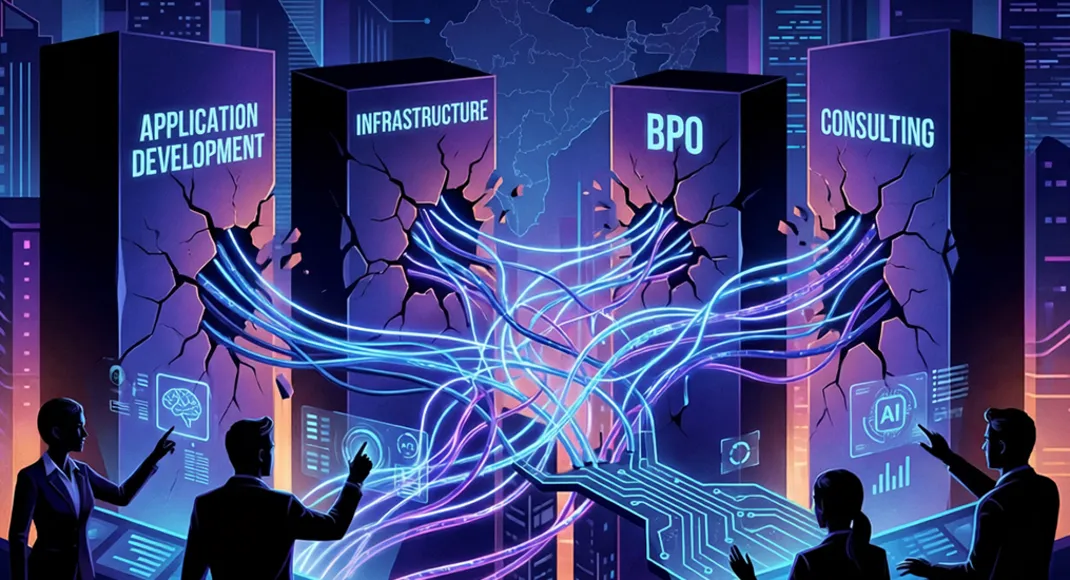
Indian IT has long relied on internal silos rather than unified execution across teams and systems. Now AI threatens to break that model because building, deploying, and improving models requires tighter data sharing and cross-functional coordination. The result is a new kind of competitive risk: firms that can’t align internally may fall behind faster-moving rivals.
A new report finds manufacturing companies are increasingly appointing leaders from outside, with CEO and MD roles seeing the most frequent changes. The trend suggests firms are gearing up for digital transformation and building new supply chains. Automotive recorded the highest leadership activity. Women more often rise via internal promotions, yet remain underrepresented overall.
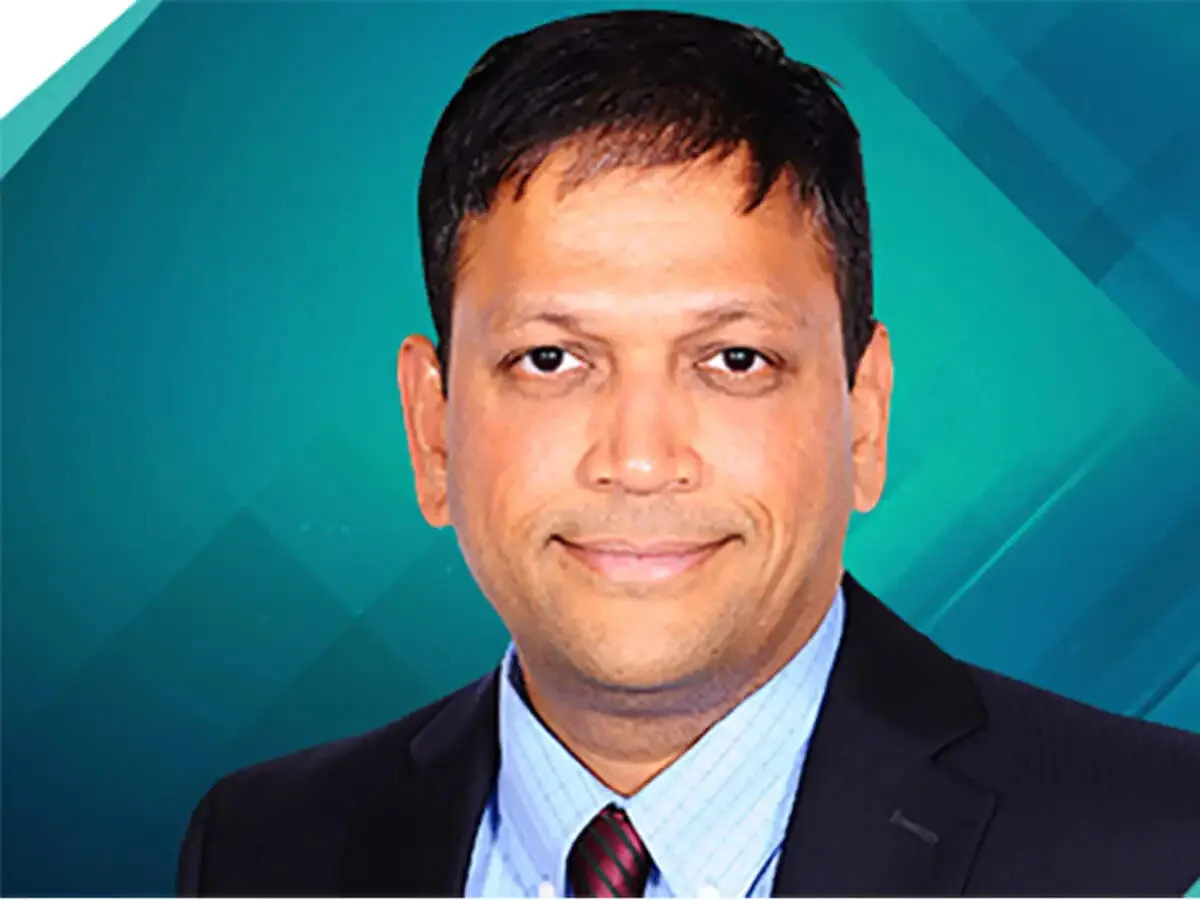
Nasscom has appointed Srikanth Velamakanni, a Fractal cofounder, as its new Chairperson, succeeding Sindhu Gangadharan. Known for expertise in AI and analytics, Velamakanni is expected to push rapid transformation across service sectors by scaling artificial intelligence adoption and innovation. The move signals a renewed focus on technology-led competitiveness for India’s digital economy.
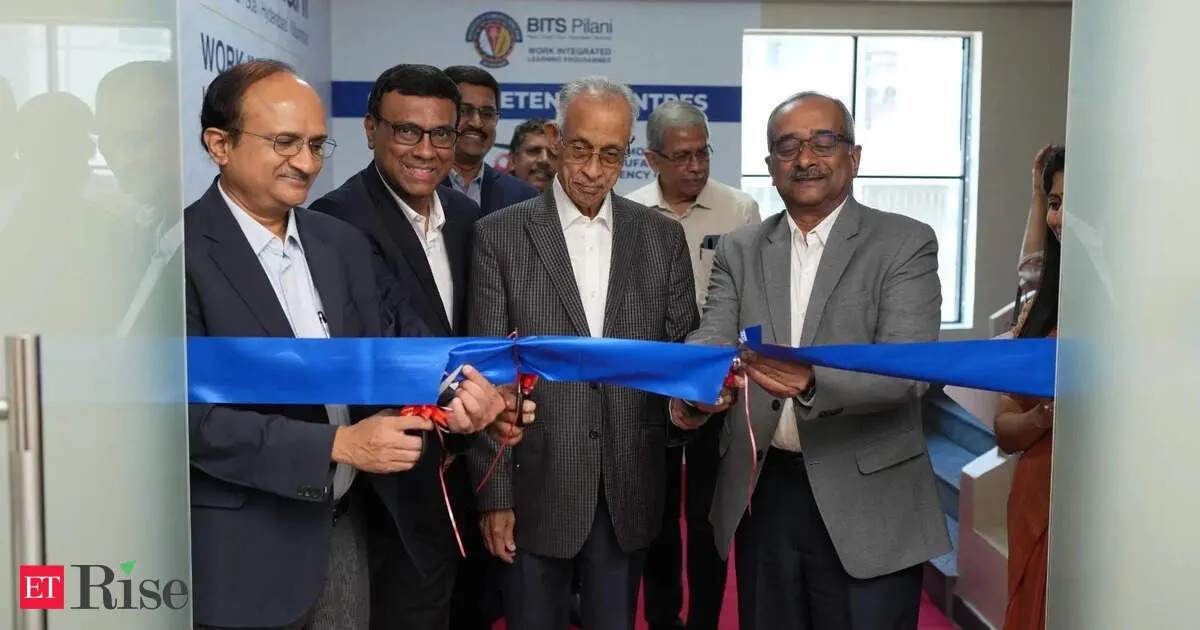
BITS Pilani WILP has opened a Smart Manufacturing Competency Centre in Bengaluru, aiming to strengthen India’s smart manufacturing capabilities. The initiative is positioned to support digital industrial transformation and equip industry stakeholders with practical knowledge and resources for Industry 4.0 adoption, with Bengaluru serving as a key hub for applied learning and implementation.
Stay informed on the go
Bite-sized news from 100+ trusted sources, right in your pocket.
Swipe through stories, personalise your feed, and save articles for later — all on the app.