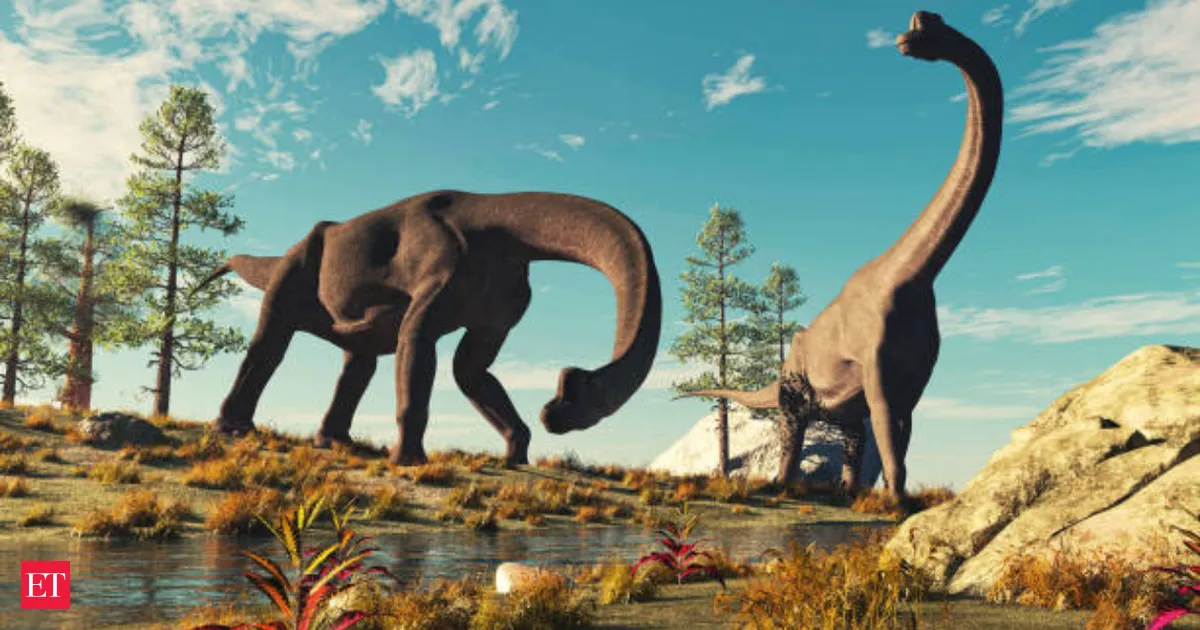
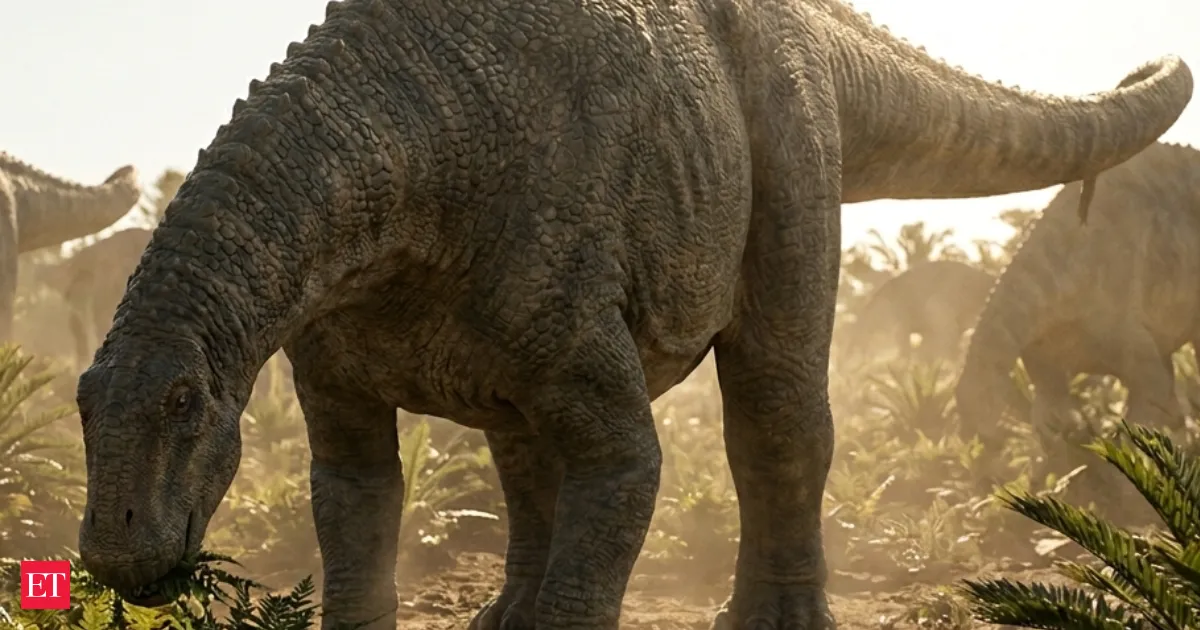
Researchers in Argentina have uncovered a major sauropod fossil, Bicharracosaurus dionidei, dating back about 155 million years. At roughly 20 meters long, its distinctive bone structure suggests a biological link between South American and North American sauropods, offering fresh evidence for how these giants spread and evolved across the ancient southern supercontinent.
Paleontologists say Brachytrachelopan mesai was a sauropod with a neck about 40 percent shorter than its giant relatives, challenging the assumption that long necks were essential. Researchers believe it fed on low-lying plants, carving out a niche others avoided. The find underscores that evolution often takes opportunistic routes, not fixed playbooks.
Your news, in seconds
Get the Beige app — every story in 60 words, updated hourly. Free on iOS & Android.
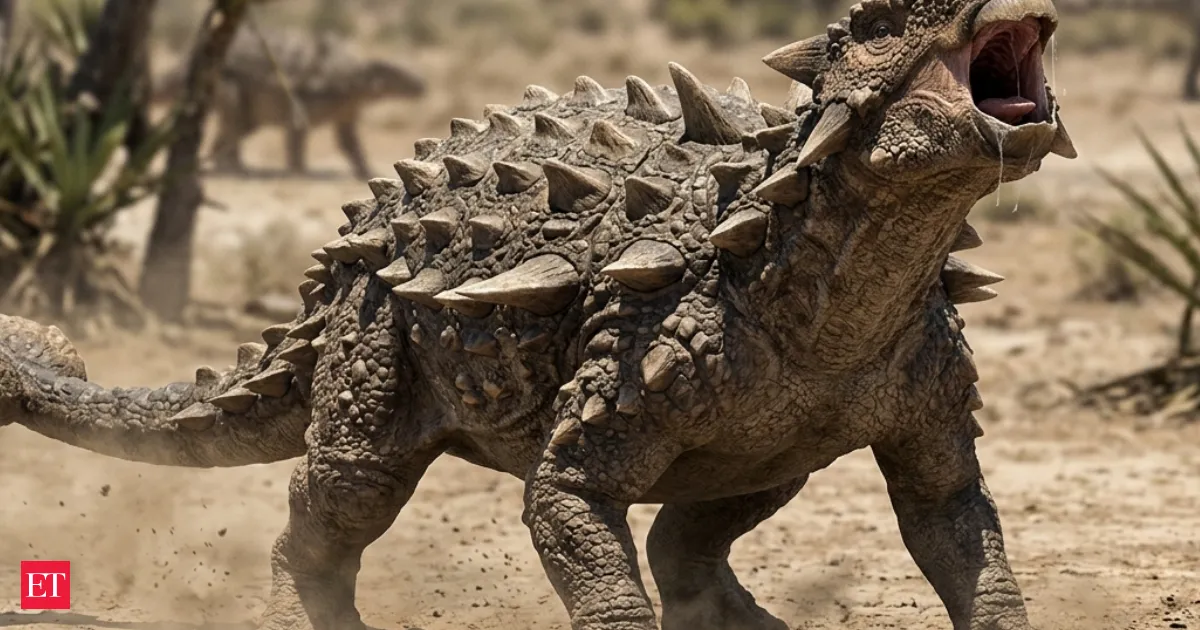
A rare fossil find is rewriting how scientists think dinosaurs sounded. Researchers identified a fossilized larynx from Pinacosaurus, an ankylosaur, and found it carries bird-like features linked to complex vocal control. The discovery undermines the long-standing idea that dinosaurs roared loudly like cinematic monsters, suggesting more nuanced communication abilities instead.
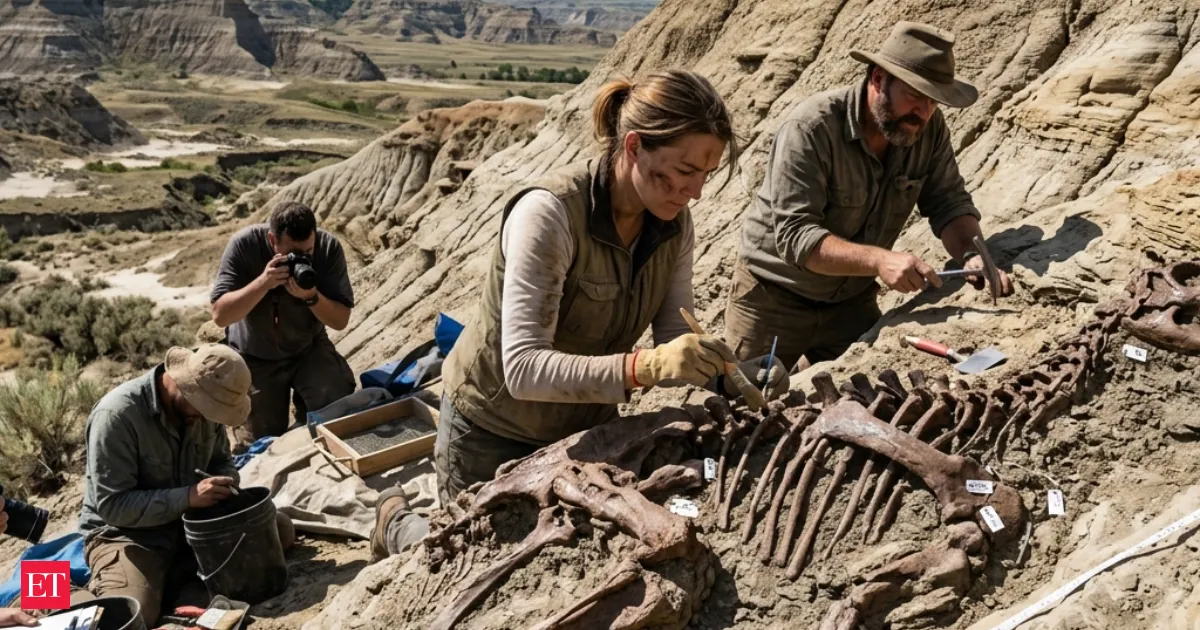
A volunteer in Alberta’s Dinosaur Provincial Park has discovered a hadrosaur fossil unusually preserved, with major portions of fossilized skin still attached. Unlike most finds that reveal mostly bones, this specimen may offer rare clues about dinosaur texture, coverings, and soft tissue preservation. Researchers expect it could improve understanding of juvenile development and body shape.
Swipe through stories, personalise your feed, and save articles for later — all on the app.