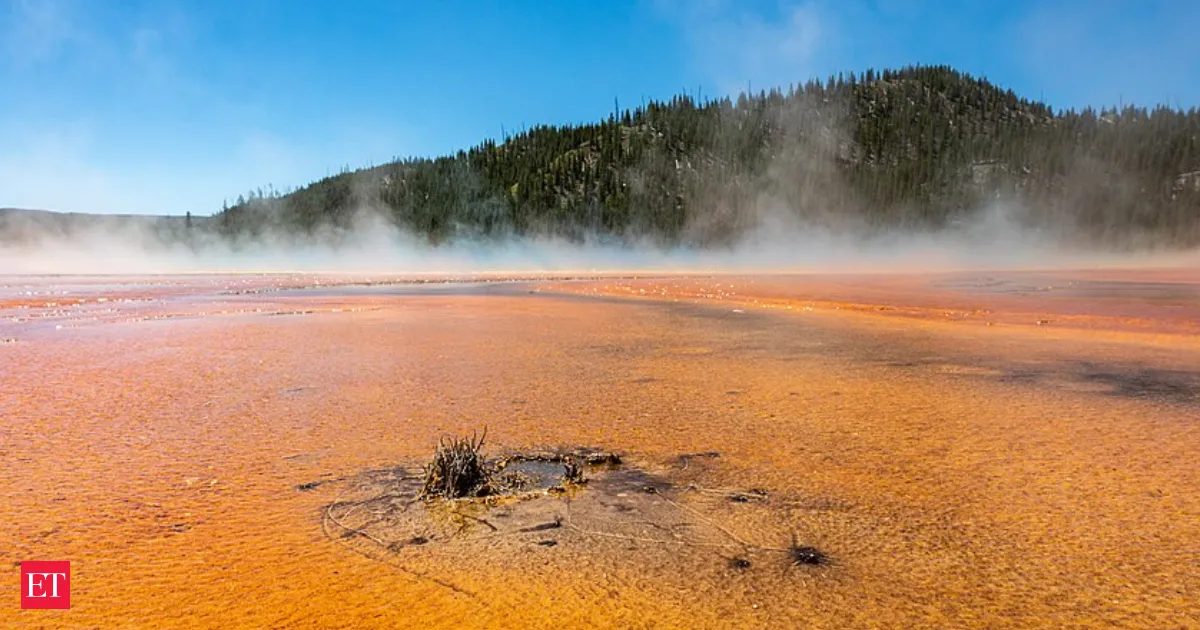
Beneath Yellowstone’s famous geysers lies a far more complex system of underground water, steam, and heat driven by molten magma. Because this subterranean labyrinth is constantly changing, geyser activity can behave unexpectedly and occasionally trigger minor eruptions. For visitors, that means the surface spectacle is only part of a restless geological engine below.
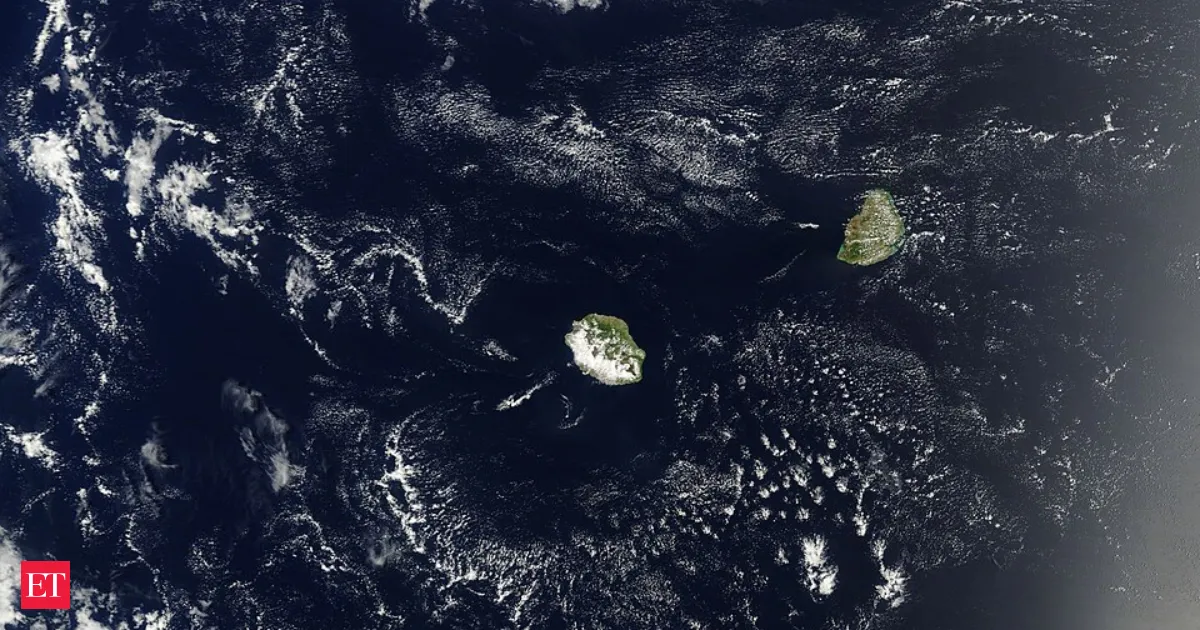
Researchers using tiny zircon minerals from volcanic rocks near Mauritius and gravity data have mapped a submerged ancient crust block called Mauritia. It’s a microcontinent, not a lost continent, and its presence helps scientists track how landmasses break apart and reshape the Indian Ocean floor, unlocking Earth’s deeper past hidden beneath water.
Your news, in seconds
Get the Beige app — every story in 60 words, updated hourly. Free on iOS & Android.
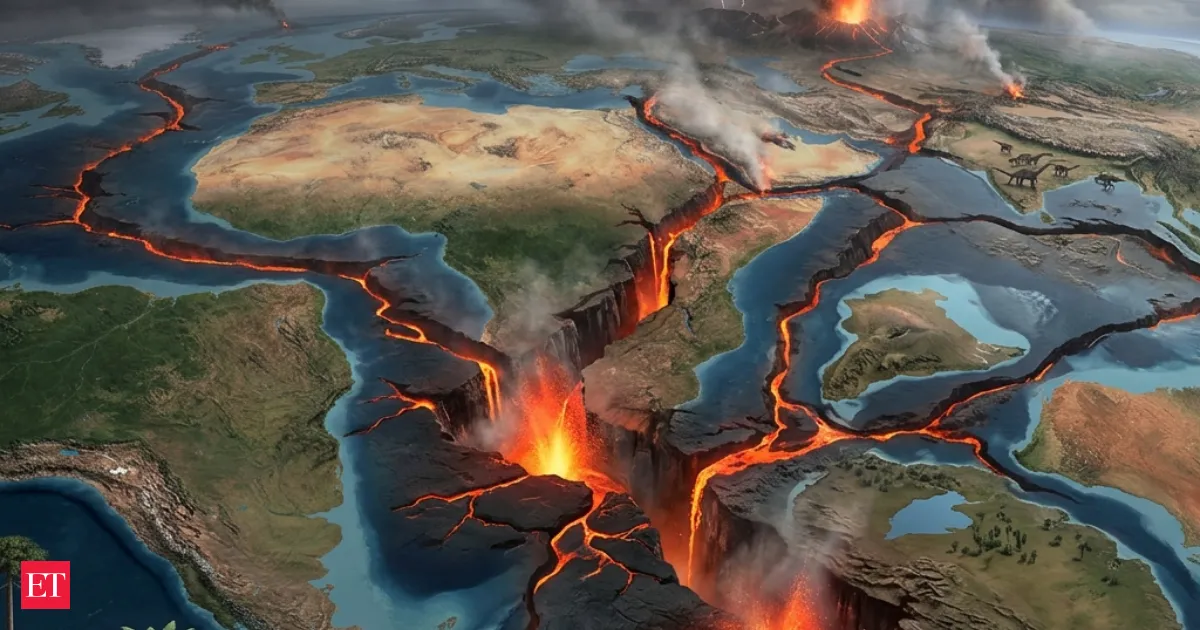
New research suggests Gondwana, the ancient supercontinent, didn’t drift apart slowly. Zircon crystals from southern Africa indicate bursts of magma surged from Earth’s mantle around 180 million years ago, weakening the crust in a short span. That trigger likely accelerated continental separation, helping create new ocean basins far earlier than older models predicted.
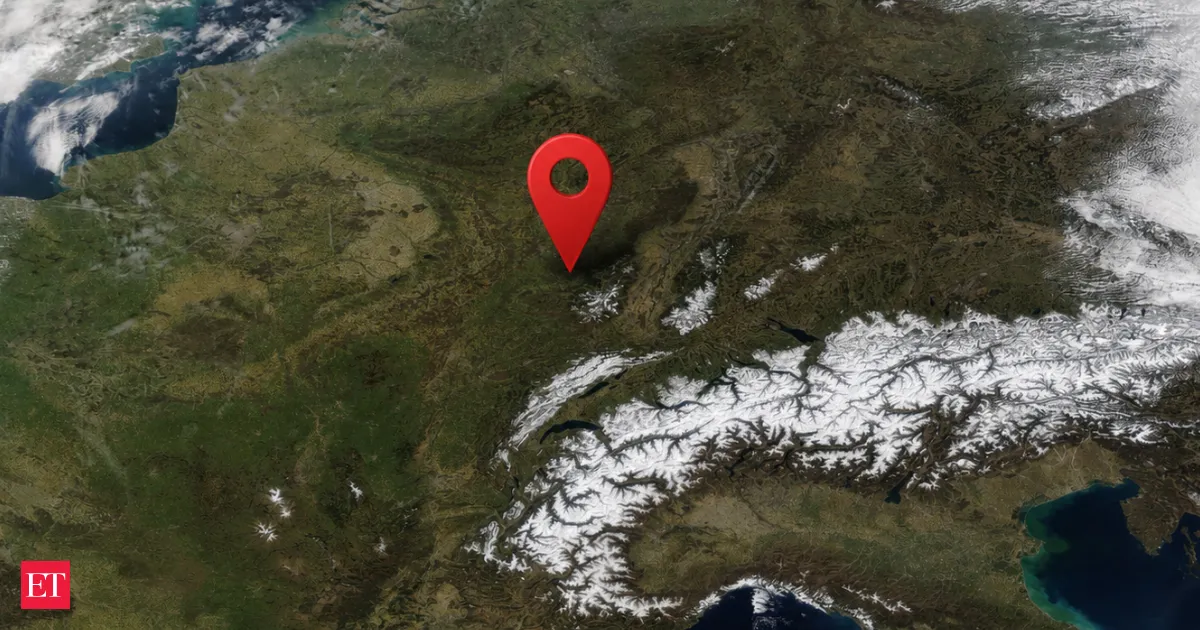
Paleolatitude.org has been upgraded with new capabilities to track continental drift and Earth’s pole shifts over the last 320 million years. Using the Utrecht Paleogeography Model and data from paleomagnetism and geology, the tool rebuilds past climates and helps researchers connect those shifts to long-term biodiversity patterns and ecosystem responses to change.
Swipe through stories, personalise your feed, and save articles for later — all on the app.