China’s credit expansion cooled dramatically in April, running far below forecasts as both banks and households pulled back. A broad financing gauge rose under 630 billion yuan, versus roughly 1.2 trillion a year earlier, and new loans actually contracted. The biggest shock: households net repaid 786.9 billion yuan, the largest amount since 2010, with both medium and short-term borrowing dropping. Analysts warn the move could end the fixed-asset investment rebound, keeping domestic demand subdued.
Apparel industry representatives met Vice President C P Radhakrishnan and ministers, demanding removal of an 11% import duty on cotton. They warn of a projected 45 lakh bales supply-demand gap for the upcoming season, which could push up input costs and strain domestic manufacturers. The request aims to ease cost pressures and protect the sector’s competitiveness.
Your news, in seconds
Get the Beige app — every story in 60 words, updated hourly. Free on iOS & Android.
Narendra Modi’s government is confronting economic headwinds where urging less consumption of imported oil and gold may not be enough. Letting oil prices rise or allowing the rupee to weaken could cool demand but risks reigniting inflation. A potential path is fuel tax cuts to shield consumers, while foreign investment outflows may require deeper policy adjustments.
A new study suggests AI could contribute more than $500 billion to India’s economy by 2030, driven by business optimism about GDP growth. But adoption remains patchy, with many firms stuck in pilot mode. Hurdles like cloud infrastructure, poor data quality, and a widening skills gap could slow impact. India is also pushing a human-centric AI approach.
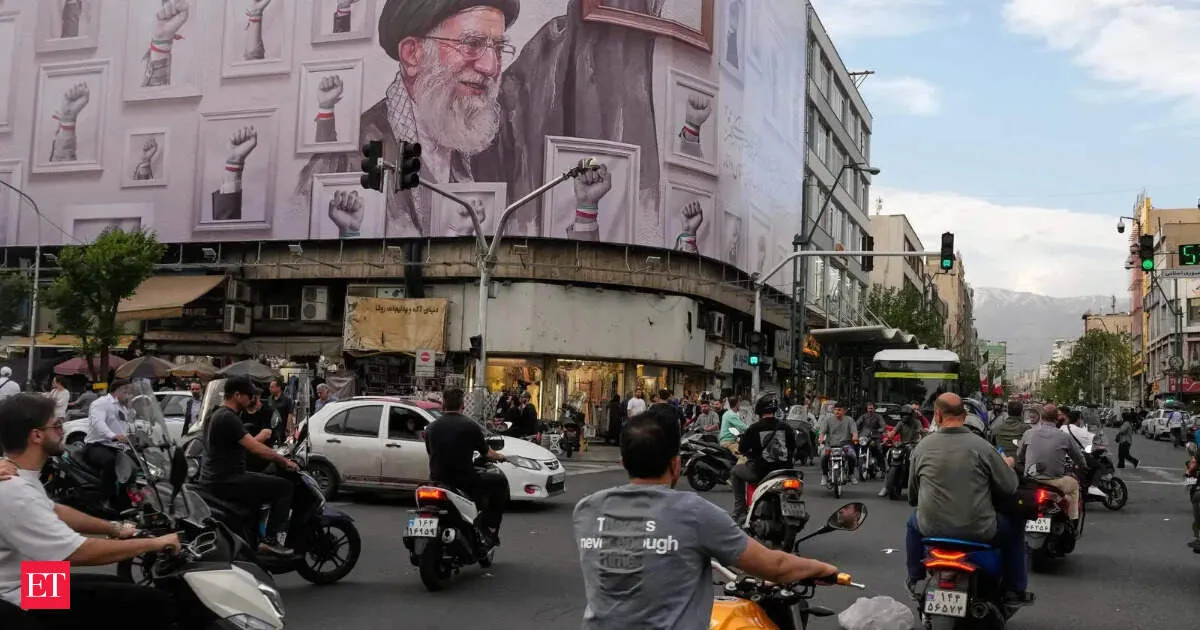
Iran is grappling with deep economic strain as war pressure and US sanctions intensify. Prices for essentials like food and medicine have soared, while job losses and business closures spread. The currency has devalued sharply, pushing inflation and poverty onto ordinary households. Officials now ask citizens to endure for the war effort despite worsening daily conditions.
India’s Statistics and Programme Implementation Ministry has moved the release of provisional GDP estimates and fourth-quarter GDP to June 7 each year. The change is designed to allow more complete inputs from companies and government sources, improving data quality and bringing reporting timelines closer to global standards. The ministry says the update will make GDP figures more reliable.
Never miss a story
Set alerts for the topics and sources you care about. Download Beige for free.
A new political storm erupted after Prime Minister Narendra Modi’s “seven appeals” urged steps to shield India’s economy from the worsening West Asia crisis. BJP framed the move as “economic self-defence,” but Opposition leaders accused it of repackaging failures. The debate quickly became a battle over responsibility, messaging, and economic preparedness as tensions abroad intensify.
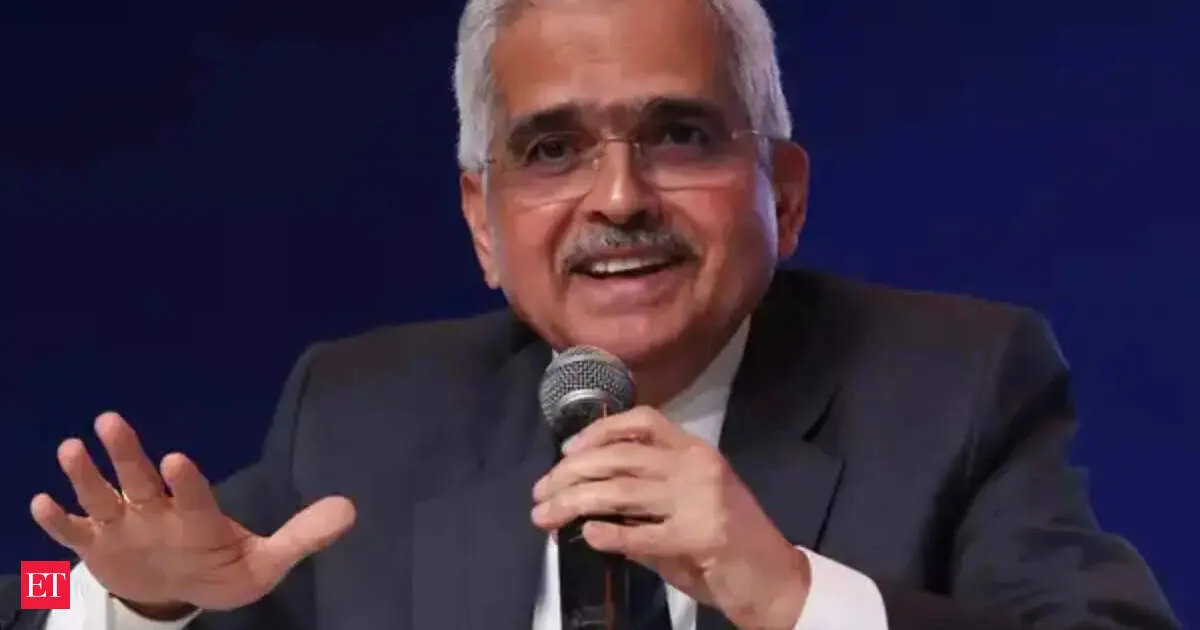
RBI governor Shaktikanta Das says India is better placed to absorb extreme energy demand shocks, but businesses must not bet on a single supply source. He points to the need for strategic reorientation as global supply chains remain disrupted. Infrastructure expansion and the push for renewables are seen as strengthening readiness, while diversifying markets and investing in R&D are key next steps.
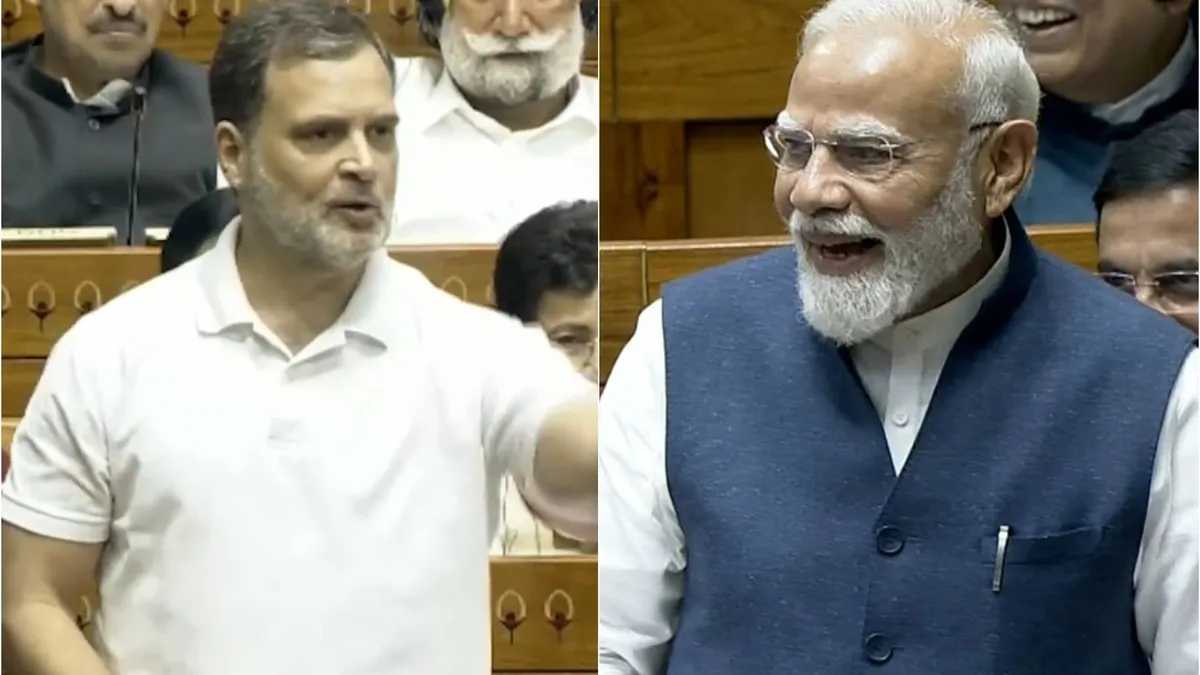
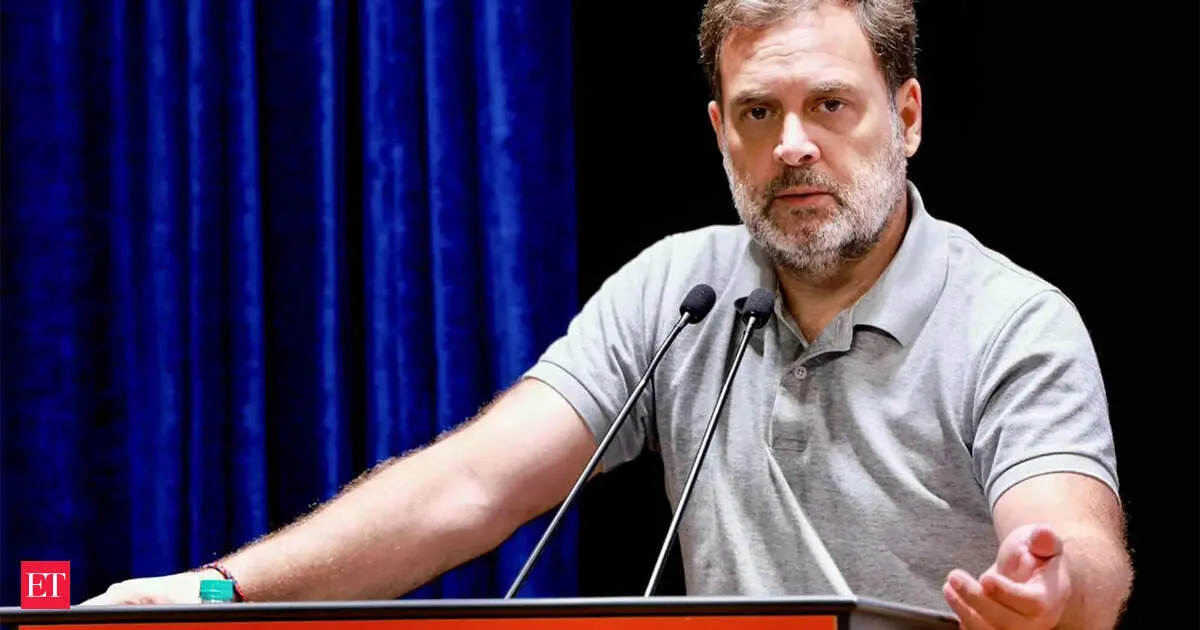
Congress leader Rahul Gandhi has slammed Prime Minister Narendra Modi’s recent appeals urging citizens to work from home and avoid foreign travel. Gandhi said these were not genuine guidance but evidence of economic problems, framing Modi’s message as a sign of failure rather than reassurance.
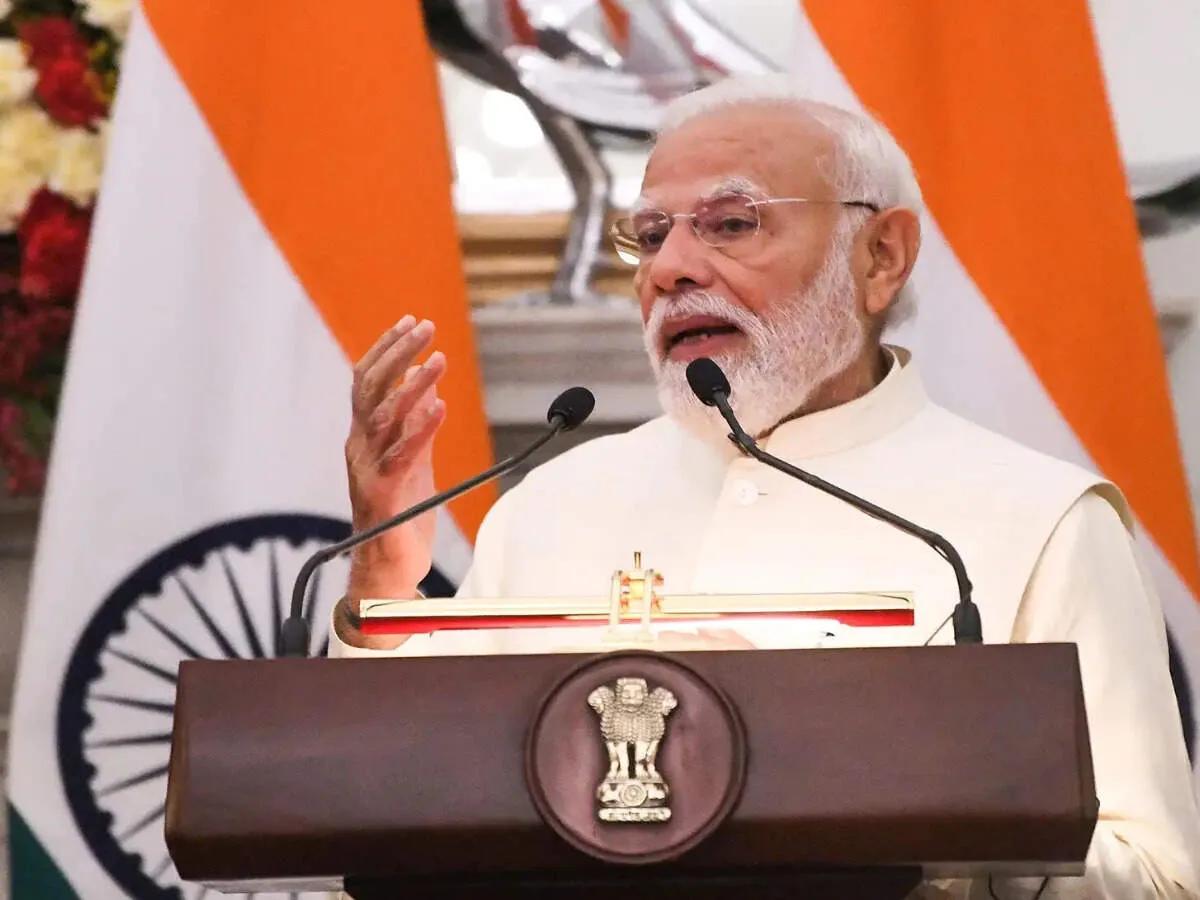
Prime Minister Narendra Modi asked Indians to revive Covid-era work from home and online meetings while cutting fuel use, linking the call to economic pressure from rising oil prices. Speaking in Hyderabad, he argued that travel and energy consumption reductions could ease the impact of the US-Iran conflict on transport costs, cooking gas, and everyday household spending.
Reading on mobile?
Open Beige in the app for a smoother experience — free on iOS and Android.
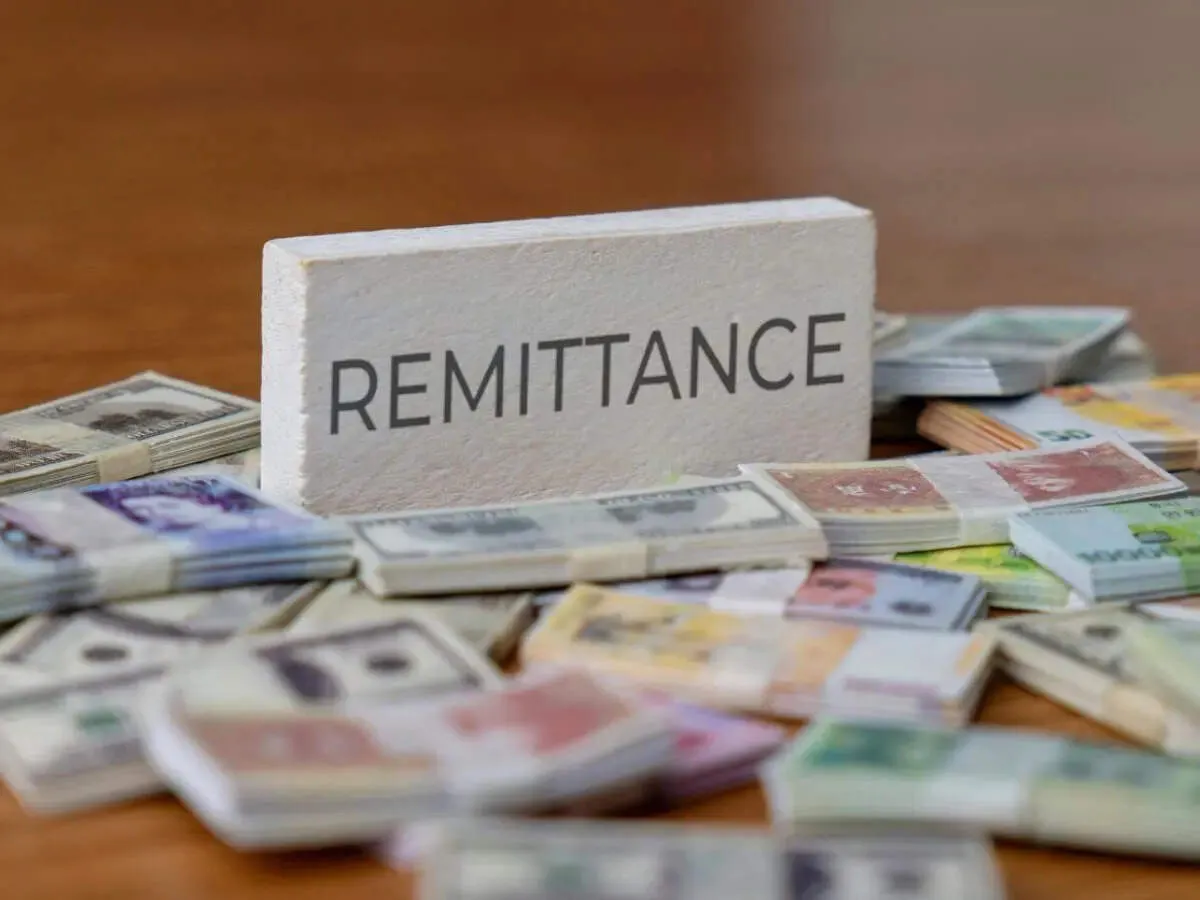
India topped the world in remittance inflows in 2024, pulling in $138 billion, according to the latest figures. The amount is supported by a diaspora of about 19 million and a decade-long rise in outbound work. The report also flags a shift toward high-skilled migration, especially in technology and healthcare, reshaping where earnings originate.
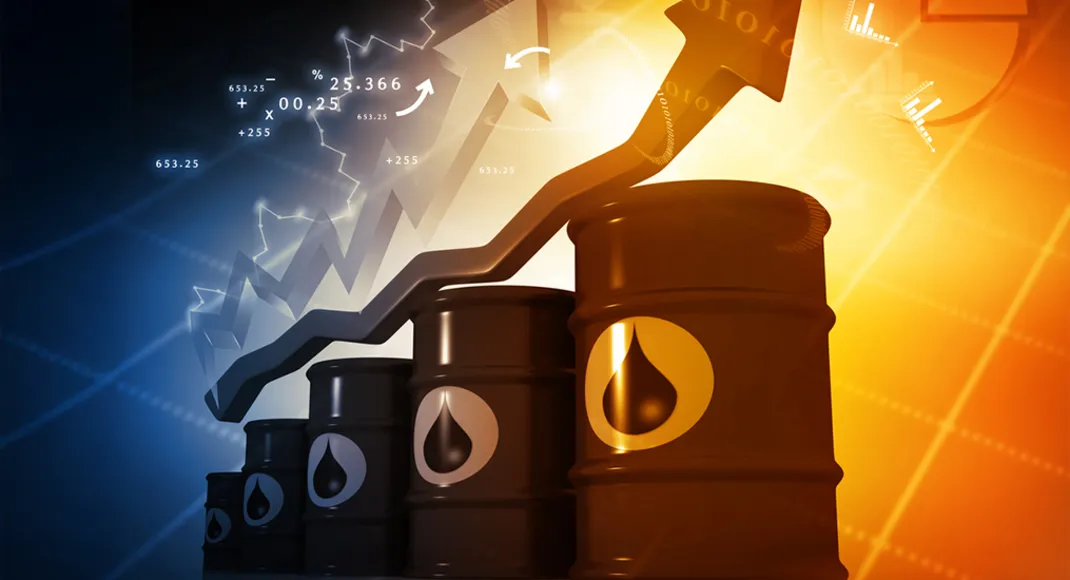
Even with crude hovering around USD 100, India is less rattled than in the past. The country still imports close to 90% of its crude, but today’s economy requires far less oil to generate growth. Shifts in energy efficiency, demand patterns, and the structure of spending mean higher prices translate into smaller economic shocks than before.
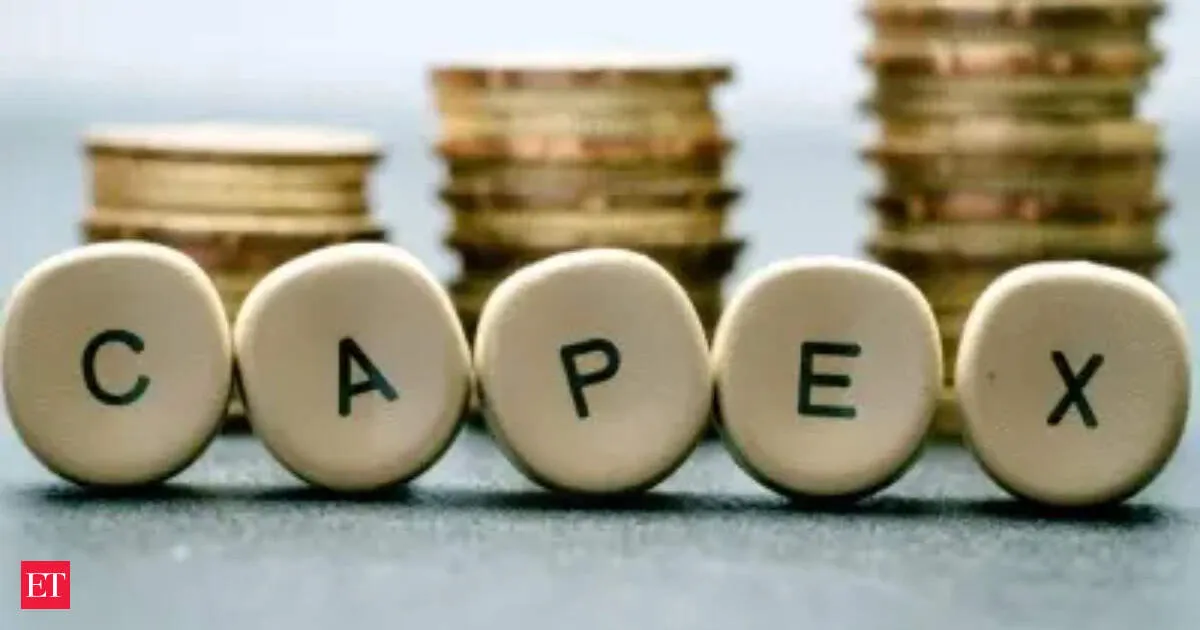
Public sector companies and key government bodies ramped up capital expenditure in April, with a 63% surge that signals a strong start to the fiscal year FY27. The higher outlay points to renewed momentum in infrastructure priorities, which analysts say can support economic stability despite global uncertainties and an already higher base than last year.
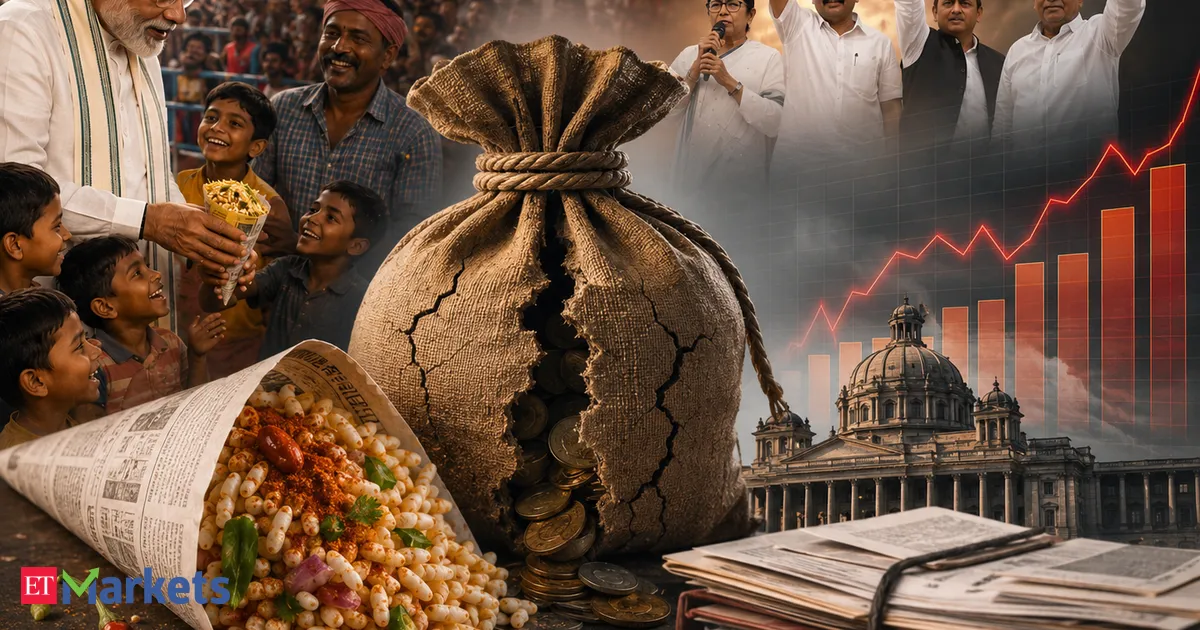
A seemingly light campaign moment during PM Narendra Modi’s West Bengal trail has morphed into a fiscal worry. Economists say election results have accelerated costly welfare promises that could add about Rs 1.69 lakh crore to already strained state finances, raising concerns over budget stress, funding gaps, and long term sustainability.
Follow your favourite sources
Track sources, tags and categories — all in the Beige app.
The government has announced an additional ₹2.55 lakh crore credit support under ECLGS 5.0, targeting small businesses and airlines. The measure is intended to cushion the economy from the shockwaves of turmoil in West Asia by ensuring credit reaches eligible borrowers quickly, helping firms keep operations running and funding flowing during uncertainty.
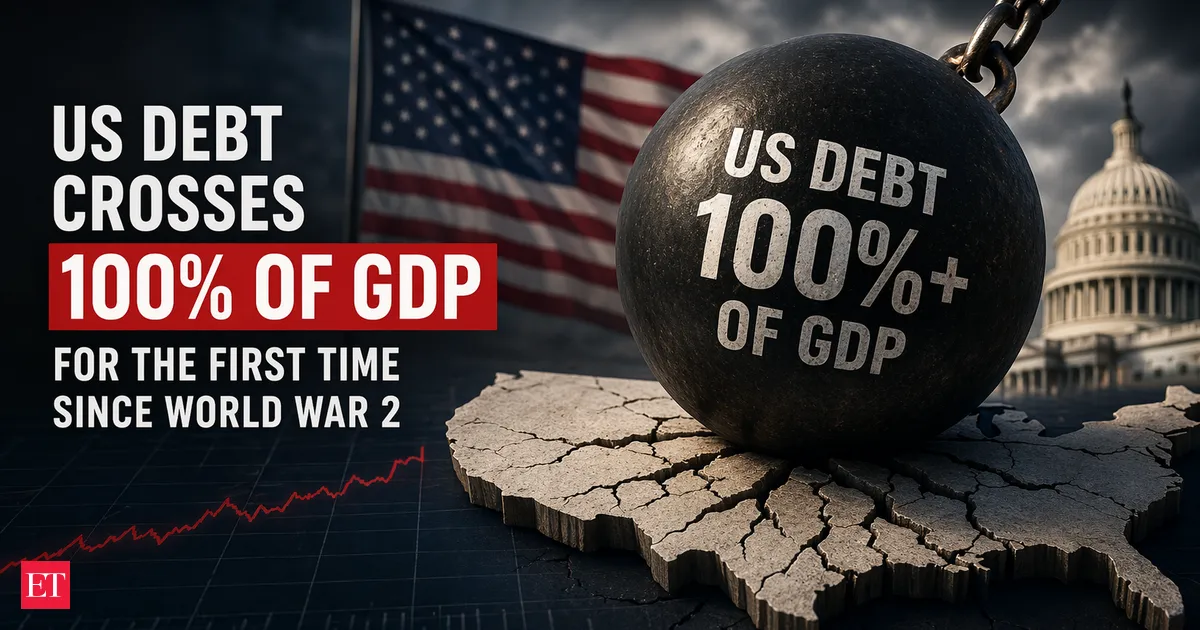
The US debt-to-GDP ratio hit 100.2% on March 31, meaning America’s national debt now exceeds the size of its entire economy. The $39 trillion burden is tied to rising interest payments that economists say will cost about $827 billion to fix—roughly matching the defense budget. Interest costs are nearly tripling since 2019, driven mostly by past borrowing.
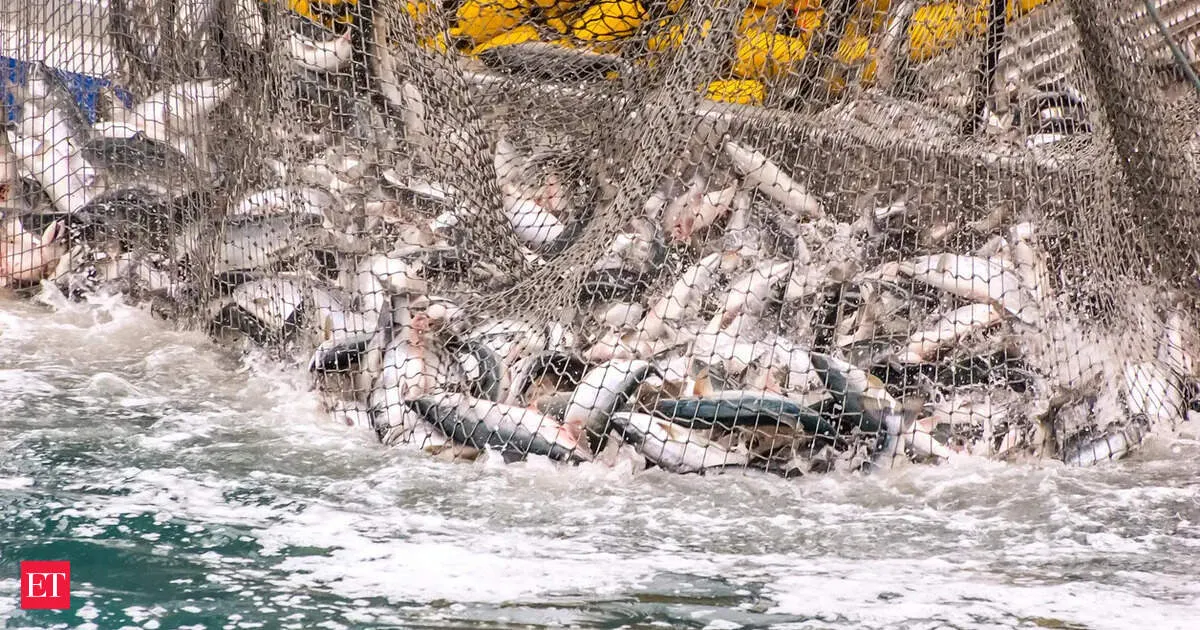
India’s marine fish catch increased by 3 percent in 2025, according to CMFRI, with mackerel emerging as the top landing species. The report also points to a jump in the sector’s economic value, driven by strong market demand and better marketing efficiency across the country, suggesting improved returns for the fisheries ecosystem.
Thailand’s finance ministry says the country’s economic growth and tourist arrivals are expected to fall this year as the Middle East conflict pushes global energy prices higher. With the US-Israel campaign against Iran underway for two months, tourists from Europe and the Middle East have declined, driven by the rise in fuel costs that makes travel more expensive.
Stay informed on the go
Bite-sized news from 100+ trusted sources, right in your pocket.
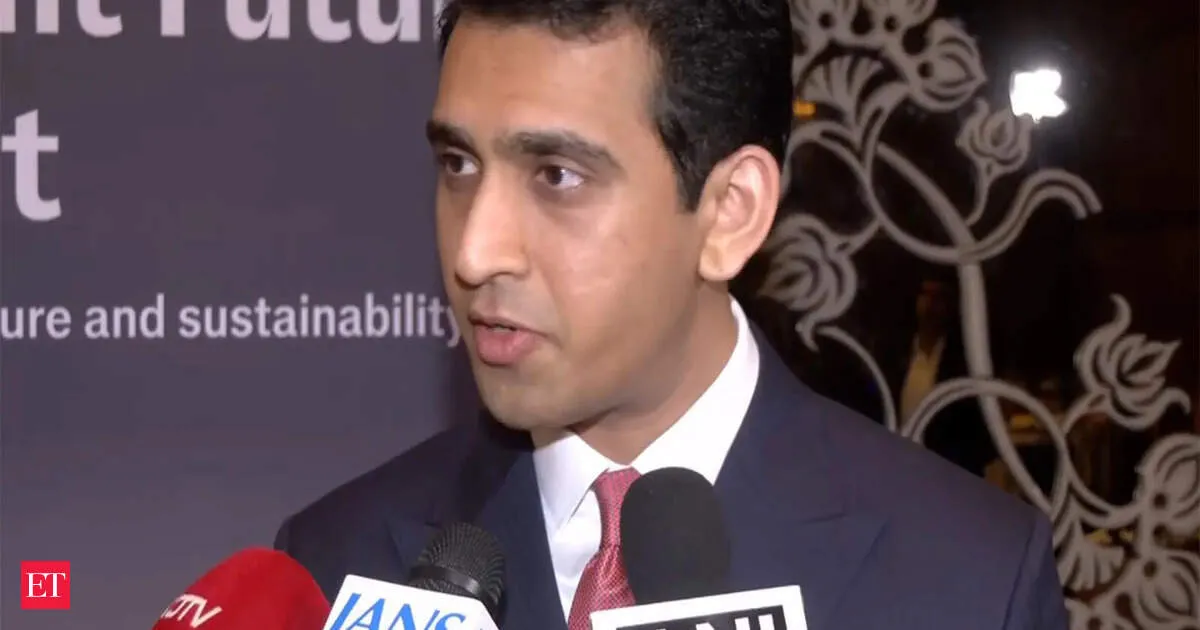
At The Economist’s Resilient Futures Summit in New Delhi, Sagar Adani urged India to rapidly scale up power capacity, arguing that purposeful large-scale infrastructure is key to withstanding global disruptions. He linked energy buildout to resilience, suggesting countries that move quickly on infrastructure planning and execution will better manage volatility beyond their borders.
China’s property market has slid to near two-decade lows, reigniting fears that India could face a similar housing slump. Analysts flag risks like a weaker rupee and job uncertainty, but argue India’s market is structurally different, supported by end-user demand and urbanisation—unlike China’s oversupply-driven downturn.
Swipe through stories, personalise your feed, and save articles for later — all on the app.