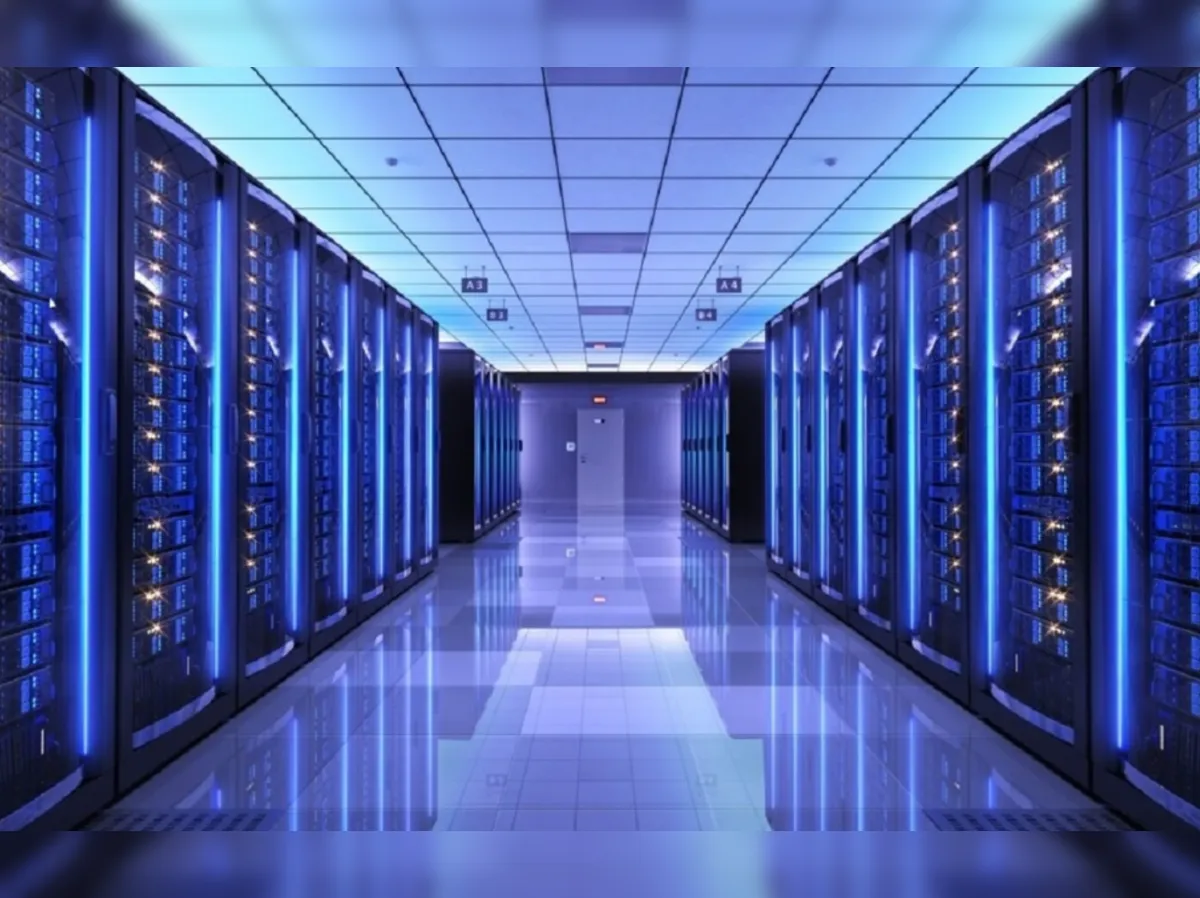
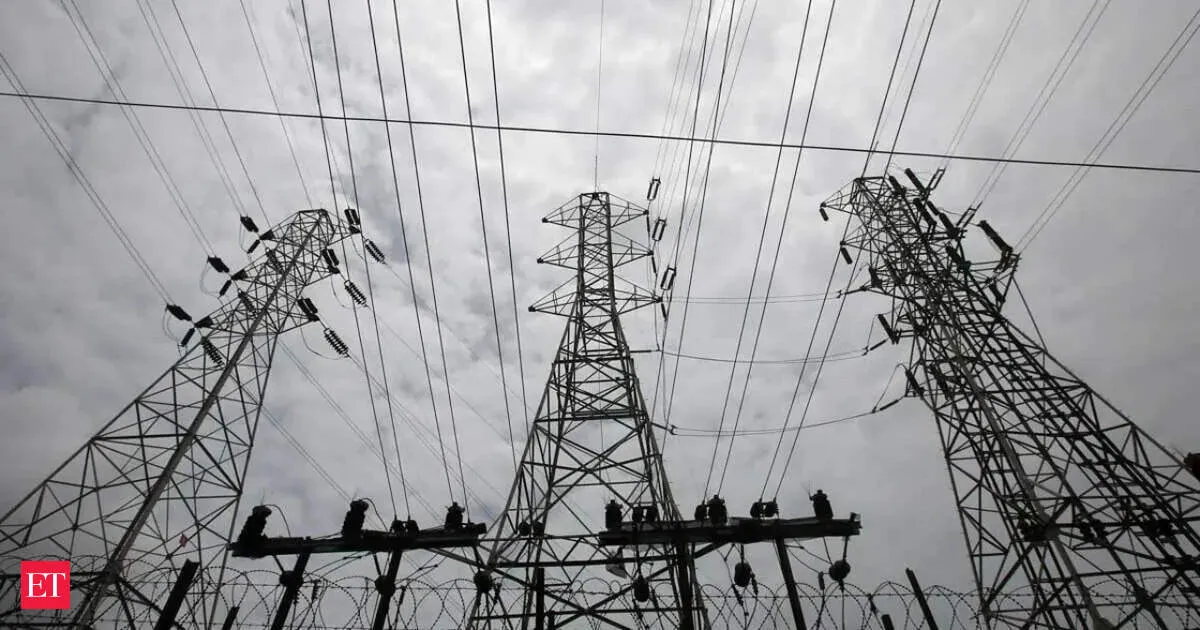
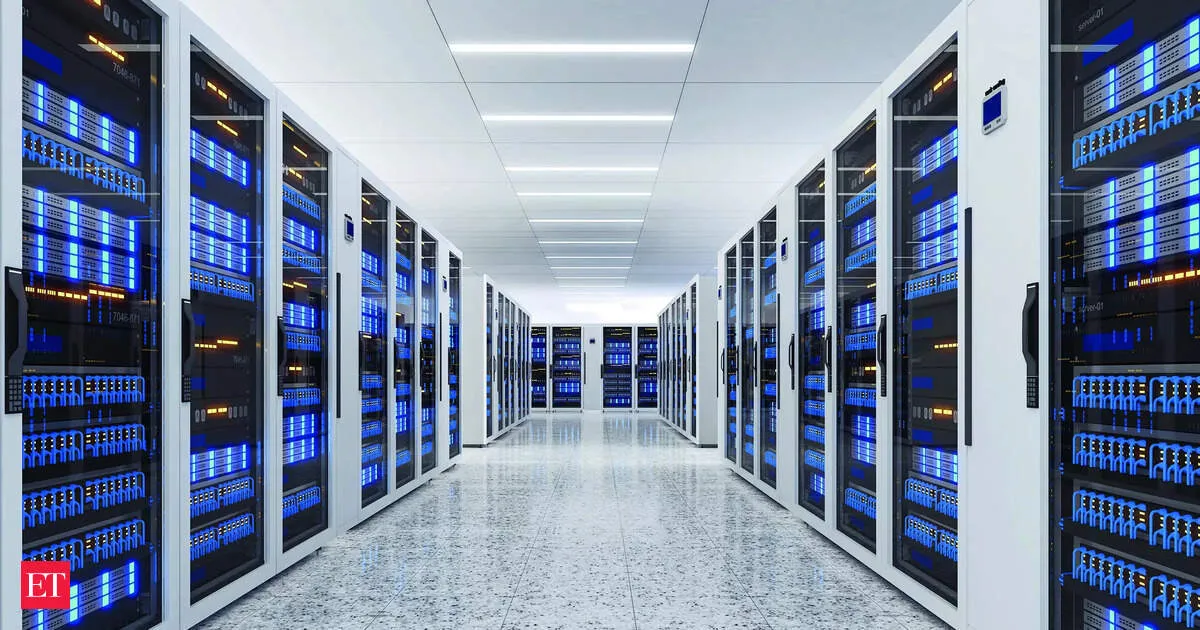
Prices on the PJM Interconnection’s massive U.S. grid nearly doubled over the past year, rising to $136.53 per megawatt-hour from $77.78, according to Monitoring Analytics, the market’s independent watchdog. It points to data centers as the driver of surging load and says PJM failed to plan and execute in time. The monitor warns the damage to customers is “not reversible” and argues PJM’s supply and transparency gaps left capacity too tight for the near future.
Actor-turned-politician Vijay began his Tamil Nadu CM tenure by signing his first major government orders. Key among them is a scheme offering 200 units of free electricity for domestic consumers, a direct boost for households. The initial set of orders also signals Vijay’s early priorities as his administration moves from campaign promises to on-ground implementation.
Your news, in seconds
Get the Beige app — every story in 60 words, updated hourly. Free on iOS & Android.
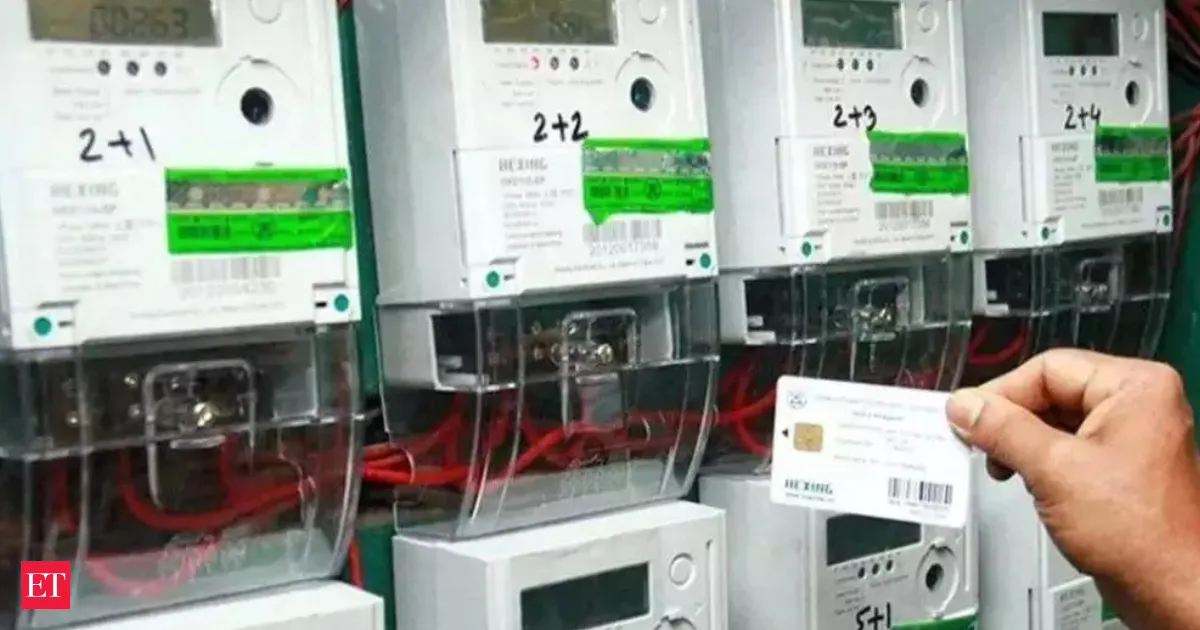
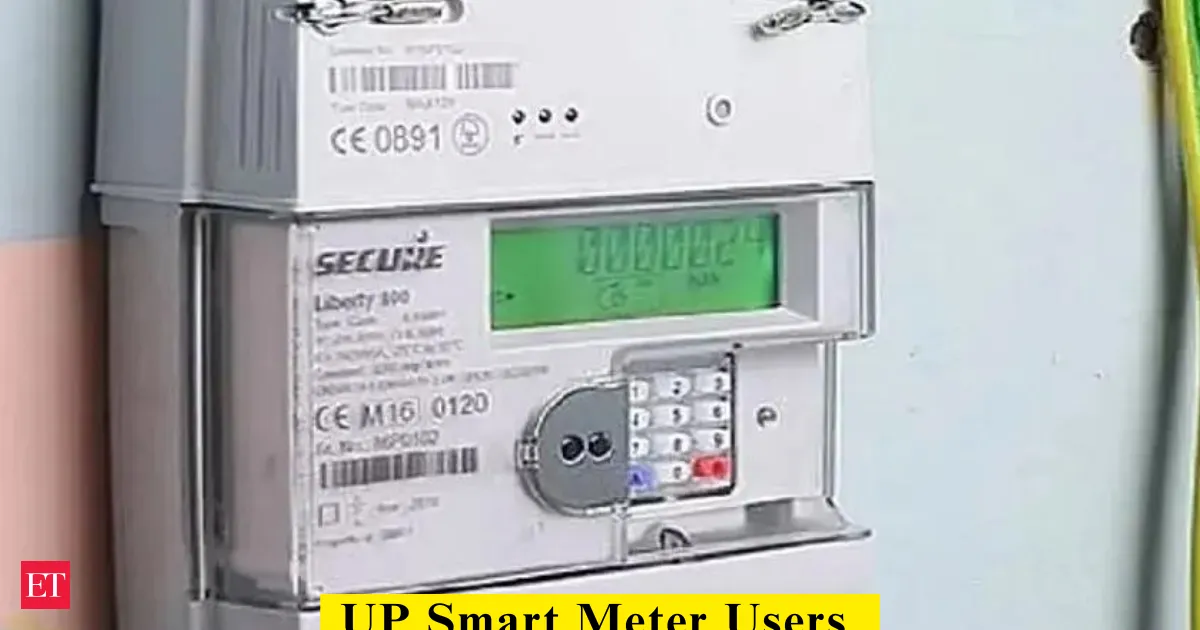
Uttar Pradesh has moved from prepaid billing to postpaid for smart electricity meters, but the shift is limited to individual domestic consumers. The UP department helpline clarified that apartment and society residents will not switch and will continue with the existing prepaid system. The update may ease billing for standalone households while multi-unit complexes retain current prepaid operations.
American Electric Power (AEP) is increasing its investment plan to $78 billion, citing explosive data centre growth tied to artificial intelligence. The utility says it will expand generation and transmission capacity to keep up with rising electricity needs, and has already signed agreements covering 7 gigawatts of new projects aimed at supporting the next wave of power-hungry infrastructure.
A clay pot found in 1938 near Baghdad, containing a copper cylinder and iron rod, ignited excitement about an “ancient battery.” Modern experiments show the setup can produce electricity, yet researchers say there’s no historical proof it was used for electrochemical power. The design may instead have been intended for a more ordinary storage or craft purpose.
Uttar Pradesh has scrapped the mandatory prepaid system for smart electricity meters after complaints of technical glitches and sudden, allegedly arbitrary disconnections. Chief Minister Yogi Adityanath ordered a shift to postpaid billing for more than 83 lakh consumers, aiming to prevent outages and ensure uninterrupted power through the peak summer season.
Never miss a story
Set alerts for the topics and sources you care about. Download Beige for free.
Connecticut residents using certain electric services could see lower electricity bills starting May 2026 as a new rule provides automatic monthly savings. The amount of relief depends on the specific company, and while discounts will apply, the overall bill may not fall dramatically. Future charges can also change based on actual costs and later updates, limiting how much households ultimately save.
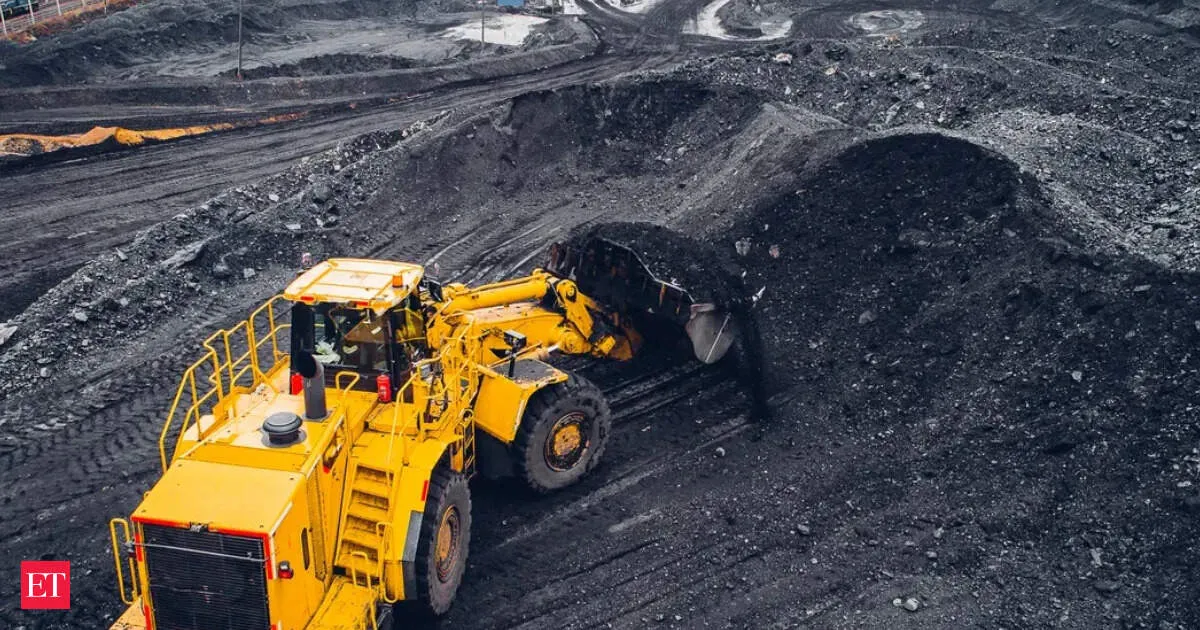
Coal India’s April production fell 9.7%, a rare jolt for the company that supplies fuel for most of India’s electricity. The timing is especially worrying as summer power demand hits new highs, raising the risk of coal shortages at thermal plants and ripple effects across power-dependent industries.
India’s industrial output in March 2026 increased to 4.1%, marking a modest improvement despite a soft patch in electricity generation. Manufacturing and mining recorded positive growth, cushioning the broader picture. Analysts say the steady momentum supports expectations for the coming fiscal year, with the Index of Industrial Production remaining a key read on economic health.
Jeet Adani argues that AI’s progress depends less on code and more on electricity, infrastructure, and execution. He points to India’s structural strengths—especially trust and delivery—plus growing green energy and data-center capacity. Visakhapatnam is emerging as a digital gateway, supported by the Adani Group’s $100 billion push into green power and data centers.
Reading on mobile?
Open Beige in the app for a smoother experience — free on iOS and Android.
India’s power demand surged to a record 255.8 GW on Monday, driven by intense heatwaves sweeping across the country. Delhi’s demand crossed 7,000 MW for the first time in April, with Tata Power Delhi Distribution meeting a peak of 2,030 MW this summer. The power ministry expects demand to rise even further as the heat persists.
India’s peak power demand eased to 238.15 GW on Sunday, down from a record 256 GW the day before as commercial and industrial activity paused. Even with the dip, demand is still climbing toward the government’s summer estimate of 270 GW, fueled by rising temperatures and heavier use of cooling appliances.
India’s power demand hit a record 256 GW on Saturday as a heatwave pushed temperatures up across much of the country. IMD data shows day highs often in the 40–45°C range, except parts of the Himalayas, northeast, west coast and southern peninsula. Summer 2025 peak demand had been lower at 243 GW, helped by favourable weather and an early monsoon.
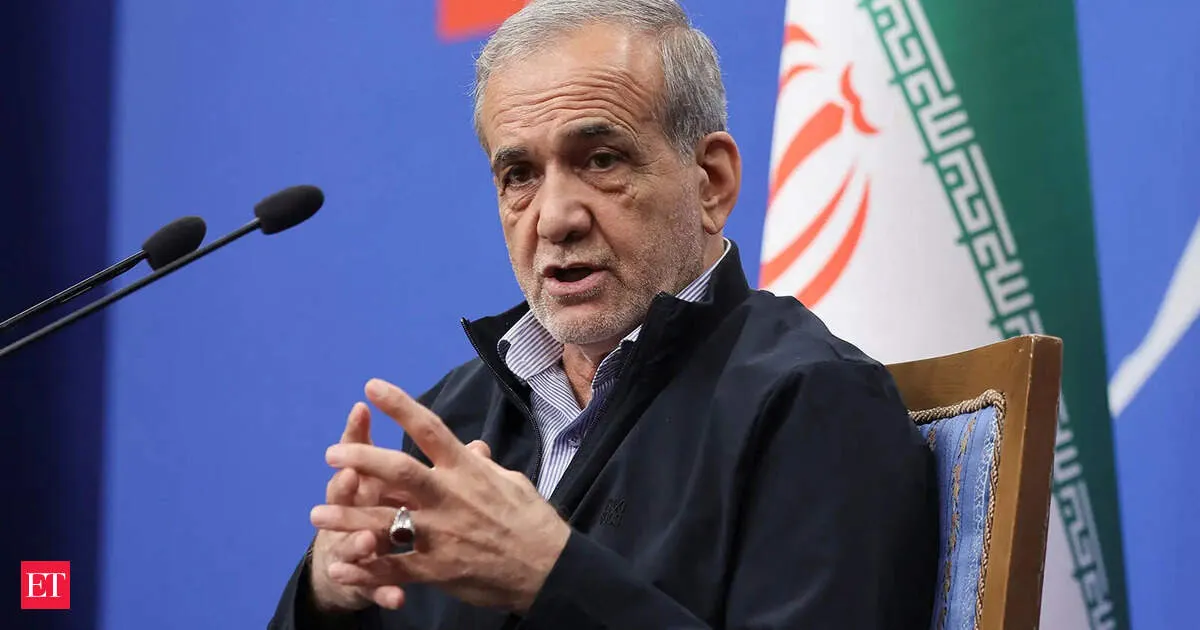
Iranian President Masoud Pezeshkian urged citizens to cut electricity use, warning that while power supply is currently adequate, future problems could emerge. He blamed external efforts by the US and Israel for public dissatisfaction and called for simple conservation measures. The push comes as Iran struggles with aging power infrastructure and sanctions that affect its electricity grid.
Follow your favourite sources
Track sources, tags and categories — all in the Beige app.
Andhra Pradesh is set to roll out a policy that allows large data centres to obtain power distribution licences. The move is aimed at securing reliable electricity for high-demand facilities. Firms that meet defined eligibility criteria could build and operate their own internal power distribution systems, reducing supply uncertainty as data needs surge.
India’s peak power demand hit nearly 239 GW on April 18, topping last year’s peak this summer. The spike is being driven by soaring temperatures and heavier cooling demand from air conditioners, alongside additional load from agriculture. With heatwave conditions expected, the power ministry projects peak demand could rise to 271 GW this year.
India’s Draft Electricity (Amendment) Bill, 2025 is pitched as a reboot for efficiency and competition. But critics warn the structure could realign risks and costs toward consumers, turning “power for profit” into a quiet tariff shift. The question: will discoms get a breather—or will households quietly foot the bill?
Delhi residents may soon see higher electricity bills after the Appellate Tribunal for Electricity ordered the regulator to begin recovering more than Rs 38,500 crore owed by power distribution companies. The tribunal rejected a request for a CAG audit and instead directed an independent chartered accountant. The recovery process must start within three weeks, raising pressure on consumers.
Stay informed on the go
Bite-sized news from 100+ trusted sources, right in your pocket.
India’s Draft Electricity (Amendment) Bill, 2025, proposes ending cross-subsidies, enabling private distribution, and setting tariffs closer to actual costs. If implemented, industrial power bills—especially for energy-intensive players like steel, cement, aluminium, and data centres—could fall, lifting margins. States with currently “distorted” tariffs are expected to benefit the most from the reset.
Karnataka has launched Bescom’s ‘HT Mitra’ portal to speed up grievance redressal for industrial and commercial consumers with high-tension electricity connections. Developed by Bescom engineers, the platform lets customers register complaints and track their status online. The move is intended to boost transparency and efficiency for more than 18,000 eligible customers and reduce delays in service delivery.
Swipe through stories, personalise your feed, and save articles for later — all on the app.