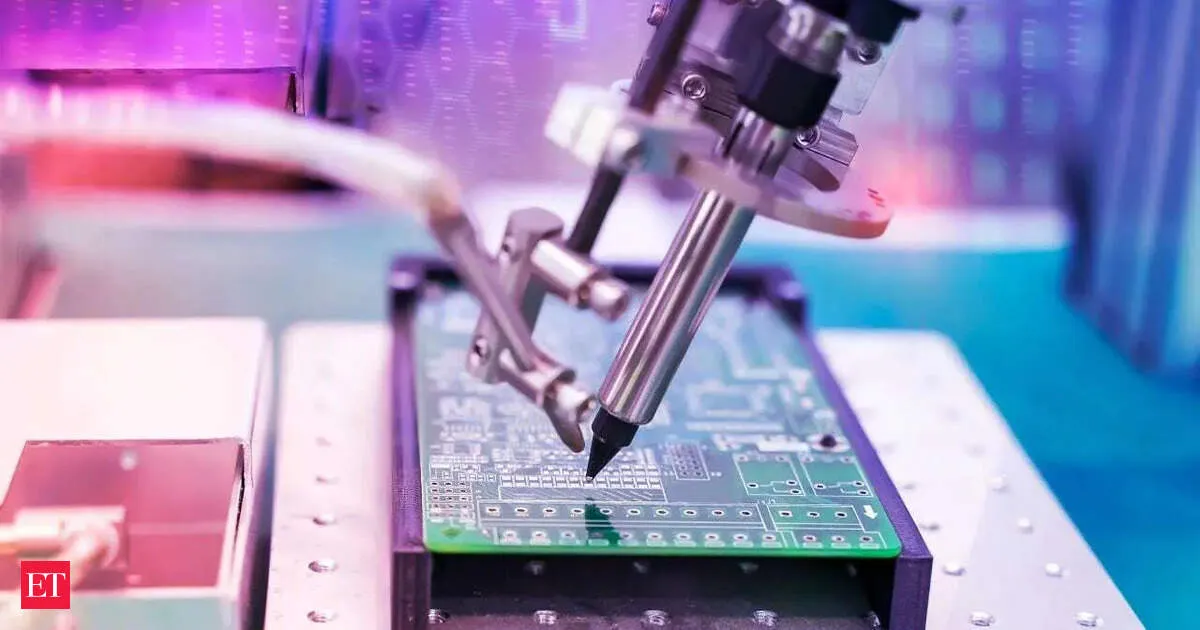
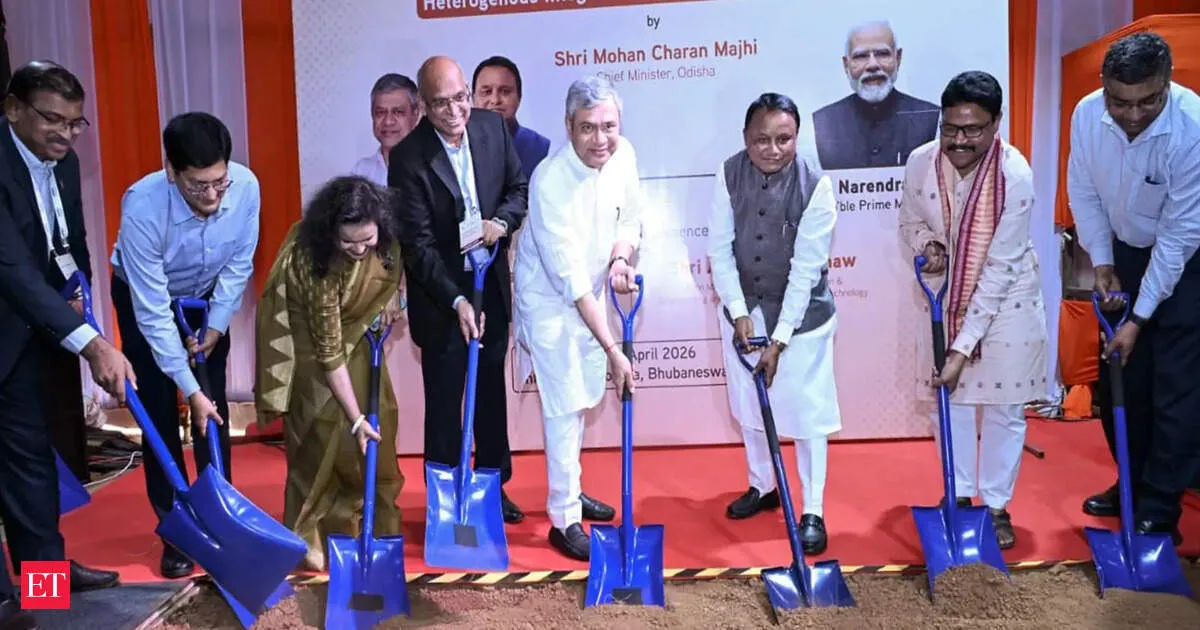
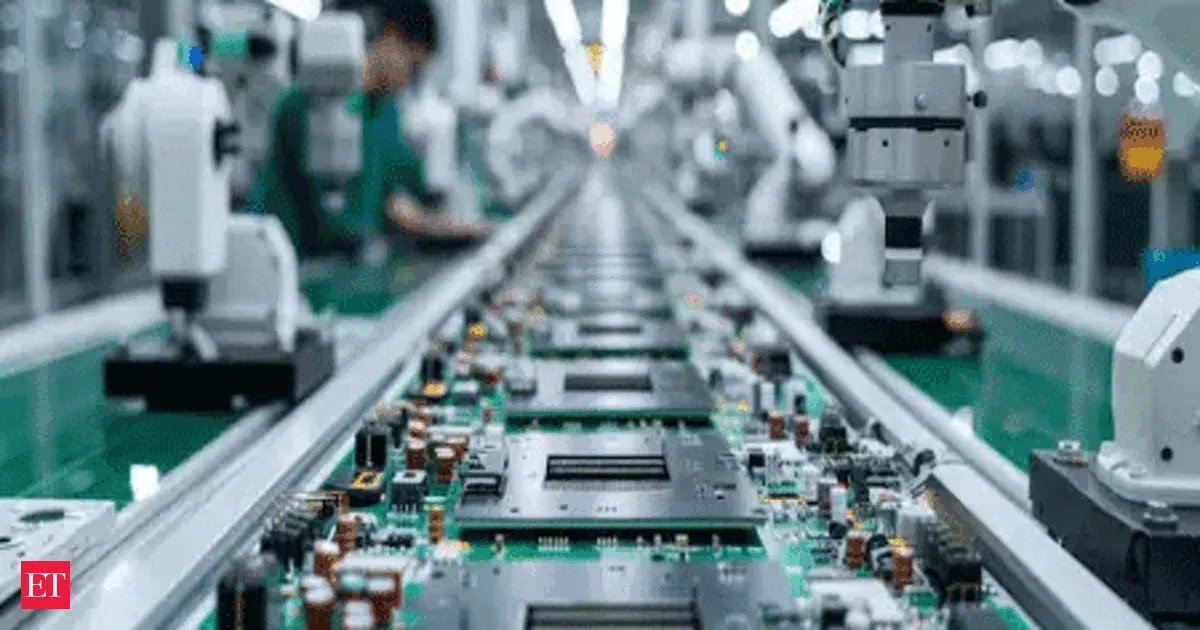
Union Minister Ashwini Vaishnaw virtually laid the foundation stone for the Sahasra Semiconductor facility in Bhiwadi, Rajasthan—an SME-led ATMP/OSAT chip packaging plant worth over ₹400 crore. The 57,000 sq. ft. site will start at about 60 million units annually and aims for 400–600 million units within 2–3 years. Built with Class 10K and 100K cleanrooms, it already ships more than 60% of output abroad while supporting India’s push to deepen semiconductor capabilities.
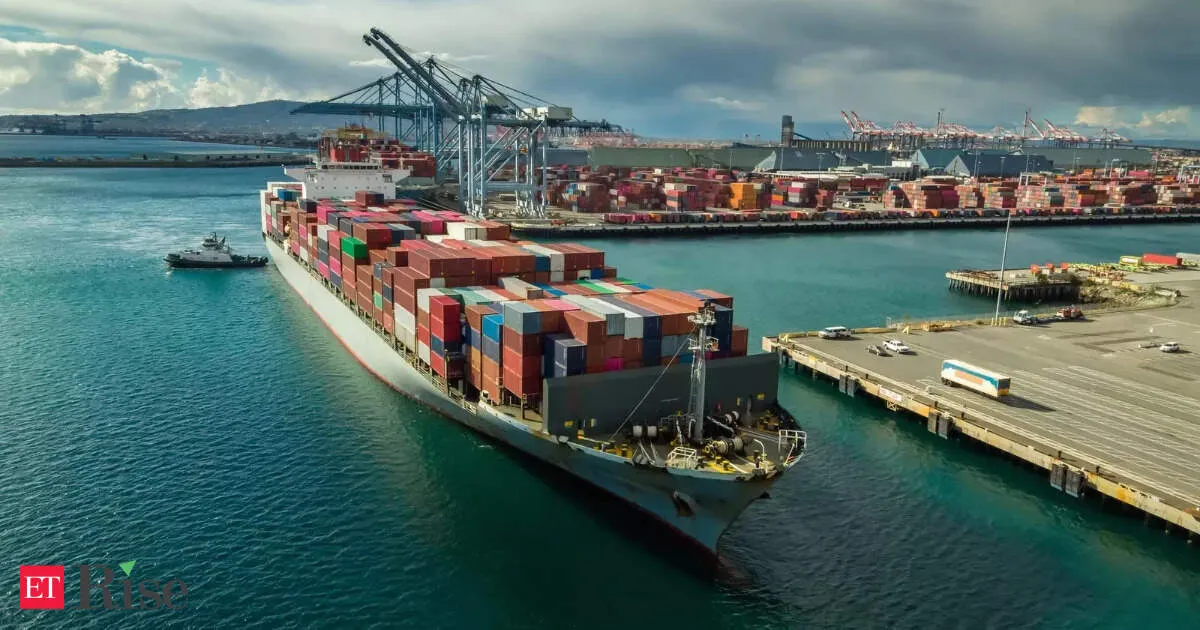
India’s goods exports grew 13.78% year on year to $43.56 billion in April, their highest monthly level in more than four years, powered by electronics, engineering goods and petroleum. Yet imports rose 10% to $71.94 billion, pushing the trade deficit to a three-month high of $28.38 billion. The surprising twist: outbound shipments to West Asia fell over a quarter as geopolitical disruptions continued, while inbound movement via the region weakened further.
Your news, in seconds
Get the Beige app — every story in 60 words, updated hourly. Free on iOS & Android.
DBS chief economist downplayed concerns about India’s recent foreign direct investment slowdown, arguing it’s not a cause for alarm. With global capital increasingly flowing to Asia’s fast-growing electronics and AI sectors, the dip in India’s inflows appears manageable. The broader world economy, the economist noted, is showing resilience despite geopolitical turbulence.
After four months of improving consumer demand, executives warn that rising crude oil prices, supply disruptions, and Prime Minister Narendra Modi’s push for austerity could derail the recovery. They expect the impact to be most severe in electronics, where higher costs and weaker discretionary budgets may quickly slow buying.
Bengaluru B2B distribution startup Ripplr reported FY26 revenue up 32.4% to ₹1,820 Cr, while net loss narrowed by over 50% to about ₹35-₹40 Cr. The company exited March 2026 with EBITDA profitability and saw operating profit jump 71.4% YoY to ₹36 Cr, driven largely by rapid growth in electronics and a tech-led distribution model. It’s now launching distribution-as-a-service for overseas brands.
The Union Cabinet has cleared two new semiconductor units under the India Semiconductor Mission, with investments totaling over Rs 3,900 crore. Crystal Matrix Limited will focus on advanced display components, while Suchi Semicon is set to expand India’s chip manufacturing capacity. Additional semiconductor projects in the pipeline are expected to come online in 2026 and 2027, accelerating domestic production.
Never miss a story
Set alerts for the topics and sources you care about. Download Beige for free.
The government is considering new rules for companies registered under the Electronic Component Manufacturing Scheme, pushing them to build in-house design capabilities rather than relying mainly on assembly. The goal is to create more high-value design work within India and strengthen the local electronics ecosystem. Firms that do not invest in design may be removed from the scheme.
Chinese electronics maker TCL is in talks with Indian companies to sell a 51% majority stake in its display plant in India. The company is reportedly seeking between ₹5,708 crore and ₹7,611 crore for the divestment, while planning to retain a 49% share. Several Indian firms are said to be in early-stage discussions to acquire the stake.
US factory orders rose more than expected in March, signaling a stronger manufacturing tailwind than markets had forecast. The surprise came largely from a surge in electronic product demand, linked to expanding investments in artificial intelligence. Economists say this improvement could influence near term industrial momentum, even as broader economic risks remain in view.
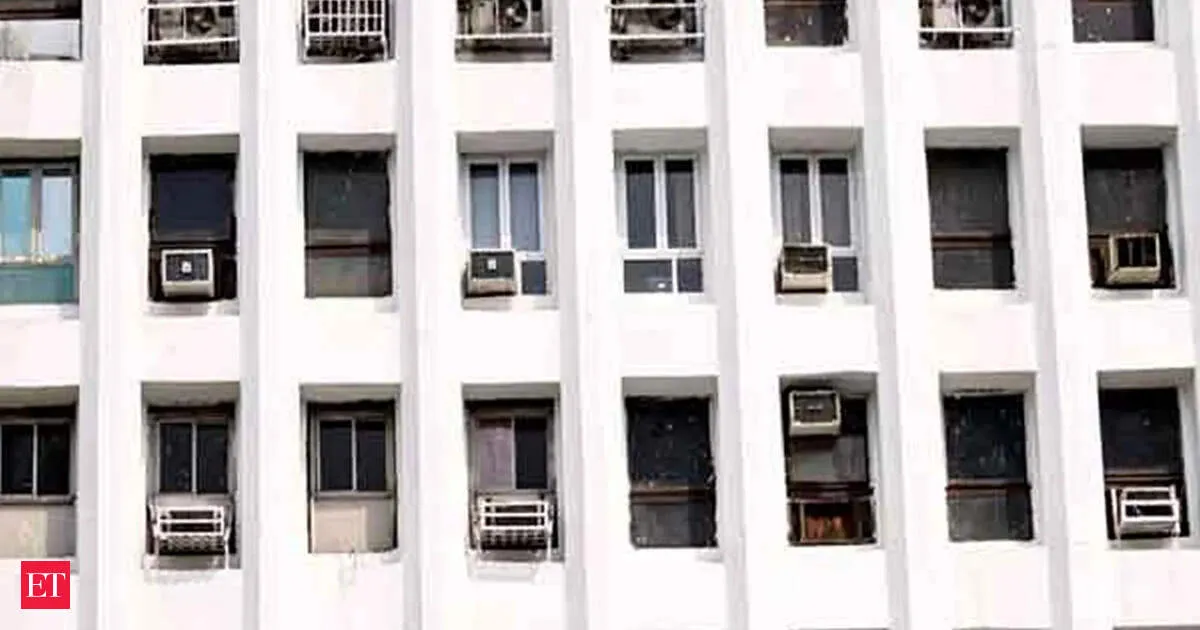
India’s consumer durables sector is rebounding as rising temperatures spur demand, particularly in southern markets. April sales were reportedly flat, but the outlook for the following months looks brighter. Companies are raising prices to protect margins. Premium appliances are outperforming while entry-level products face pressure, with modest overall growth expected on steady high-end demand and favorable weather.
Reading on mobile?
Open Beige in the app for a smoother experience — free on iOS and Android.
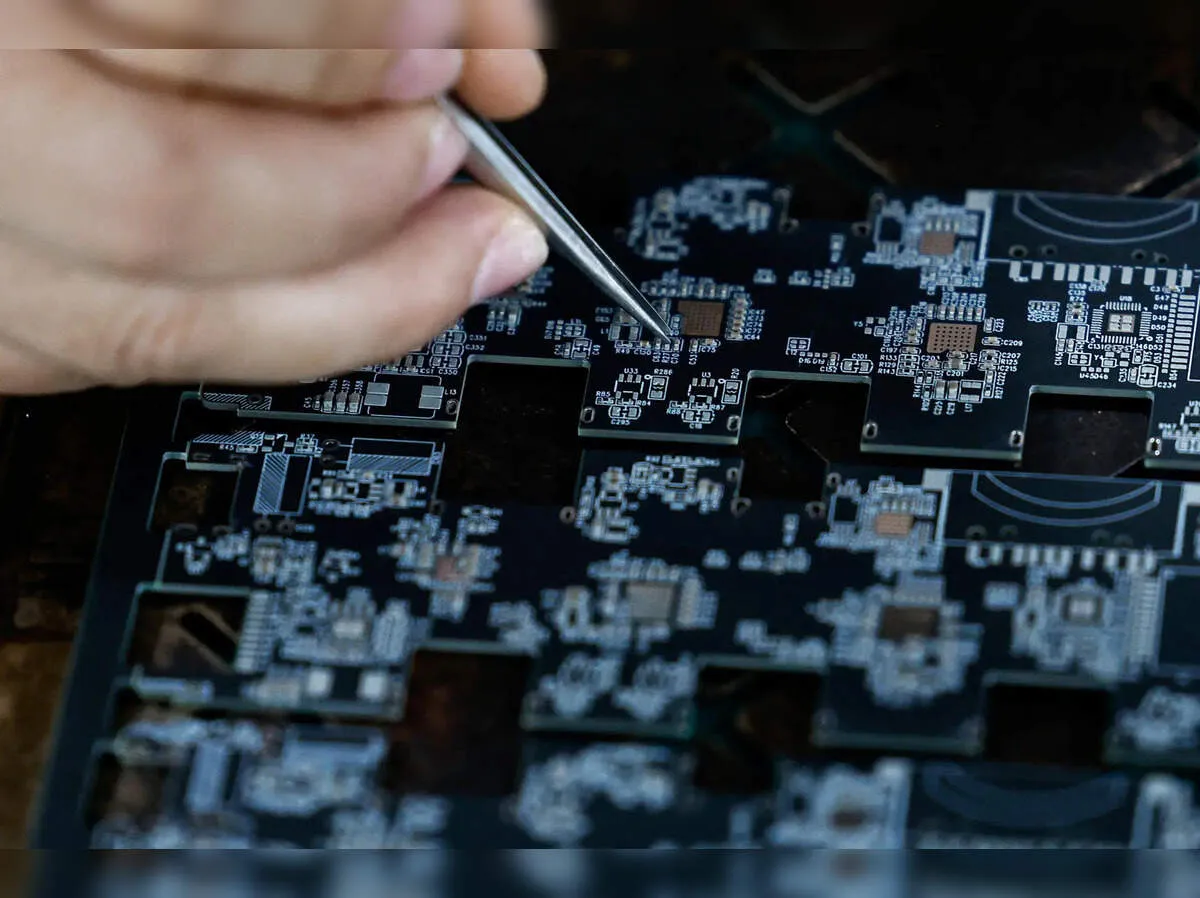
A Middle East conflict is rippling through electronics supply chains, pushing up printed circuit board prices and raising costs for tech firms globally. Components are becoming harder to source as manufacturers scramble for limited availability. With strong demand and fewer alternatives, further price hikes are expected across devices, from smartphones to AI servers.
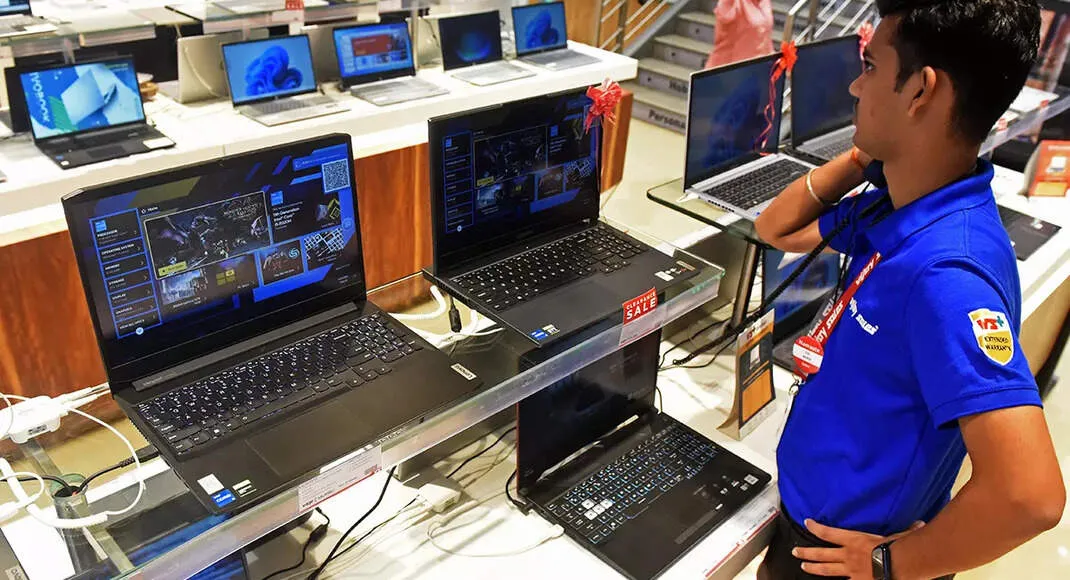
Global hardware companies are pushing to extend timelines for setting up local manufacturing in India for laptops, desktops, and tablets. While they aim to capture a fast-growing market, they’re concerned that India’s licensing rules and quota requirements may disrupt or delay investment and operations, forcing companies to rethink rollout schedules.
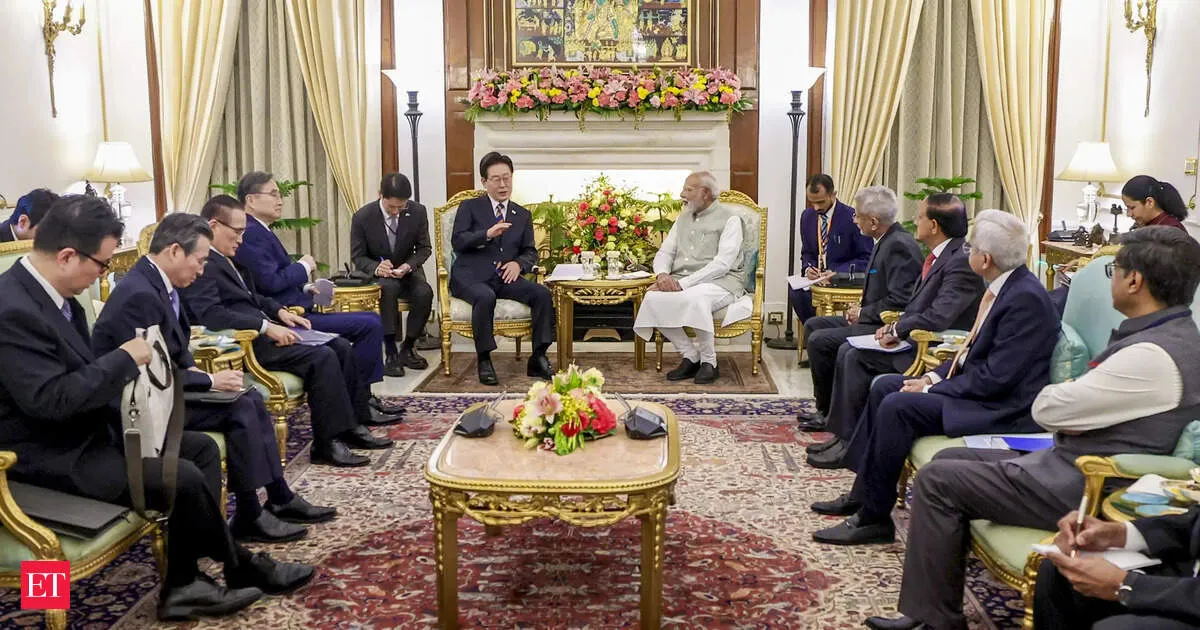
A top South Korean business delegation met Prime Minister Narendra Modi to explore deeper expansion in India. Samsung and LG indicated fresh investment plans, while SK Hynix is considering setting up a chip facility. Hyundai, meanwhile, is set to develop electric mobility solutions tailored for India’s market, boosting bilateral trade momentum.
Motorola India has apologized to content creators who were inadvertently caught up in its legal action against malicious product reviews. The company filed a civil defamation suit and sought a temporary injunction over posts alleging device explosions. Motorola insists it never meant to silence legitimate feedback and says it is working to address genuine product concerns while curbing false claims.
Follow your favourite sources
Track sources, tags and categories — all in the Beige app.
Duty relief for SEZ units now allows limited domestic sales, designed to help firms hit by weak global demand while keeping export focus intact. Experts say the policy can provide a financial cushion for capacity utilization and revenue, particularly for sectors like electronics and textiles that are sensitive to demand swings.
Union Electronics and IT Minister Ashwini Vaishnaw said the foundation stone for India’s first advanced 3D chip packaging unit was laid in Odisha’s Info Valley on Akshay Tritiya. The minister called it a major milestone for high-tech manufacturing in the state, crediting support from Prime Minister Narendra Modi and Odisha Chief Minister Mohan Charan Majhi.
Refurbished electronics firm Grest has secured strategic early-stage FDI from Japan’s ICMG, marking a notable cross-border vote of confidence for India’s recommerce market. The move lands as global investors and consumers increasingly look to refurbished devices, with industry forecasts pointing to strong growth for used smartphones.
India’s electronics exports jumped about 24% in the last fiscal year, with smartphones driving nearly a 22% rise. The gains are linked to the government’s production-linked incentive push, while major markets included the US, UAE, and China. The results underline India’s fast-growing clout as a global manufacturing hub for electronics.
Stay informed on the go
Bite-sized news from 100+ trusted sources, right in your pocket.
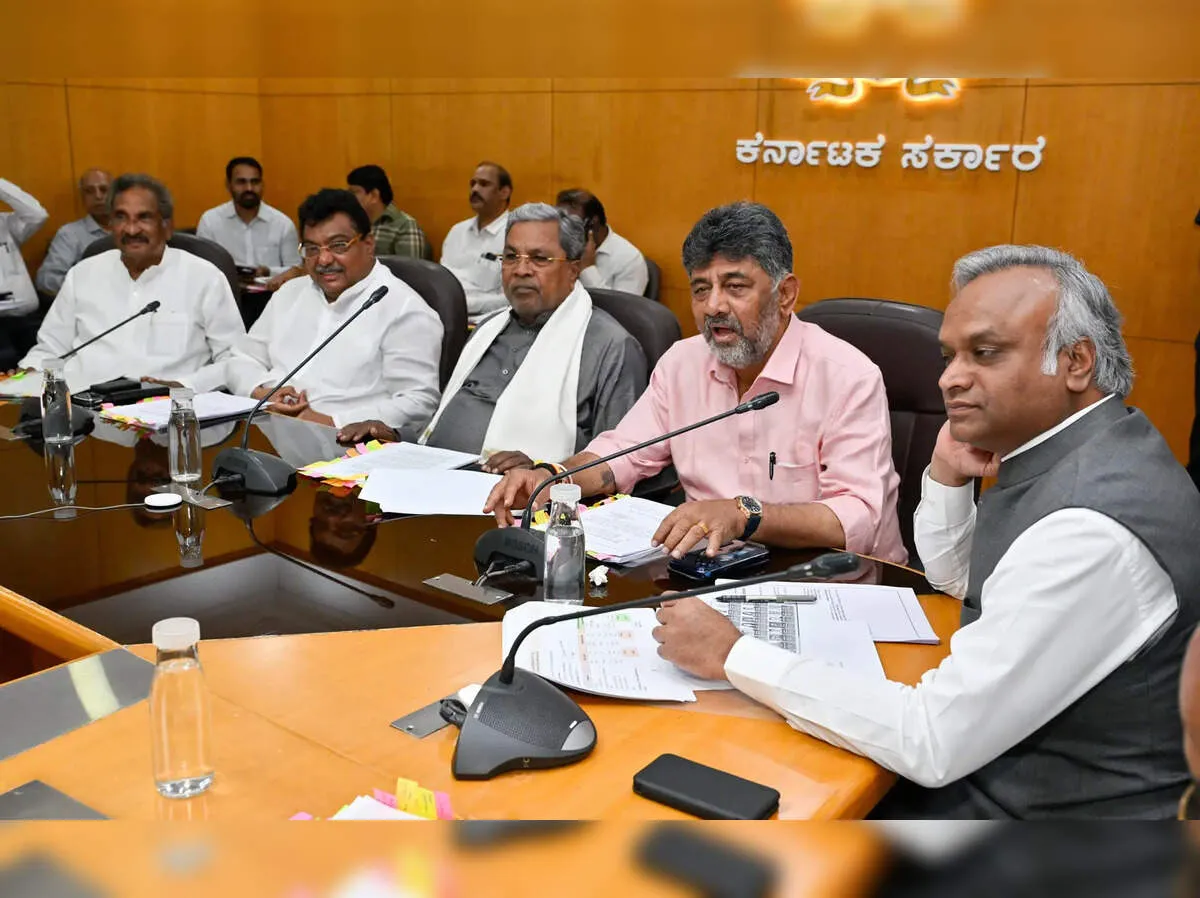
A cabinet sub-committee has approved a pathway for special incentives and concessions aimed at boosting electronics and semiconductor investments. The move clarifies that any incentives can only be offered within existing sectoral investment policy frameworks, while proposals beyond those boundaries will be routed to the cabinet sub-committee for approval. The decision sets tighter process control for new demands.
The Cabinet has cleared a Rs 76,000-crore incentive scheme aimed at strengthening India’s semiconductor ecosystem. Officials say the plan targets one to two fabrication units for displays, alongside 10 units each for designing and manufacturing components. Semiconductors underpin everything from automobiles to smartphones, making the push central to reducing supply risks and boosting local capacity.
Swipe through stories, personalise your feed, and save articles for later — all on the app.