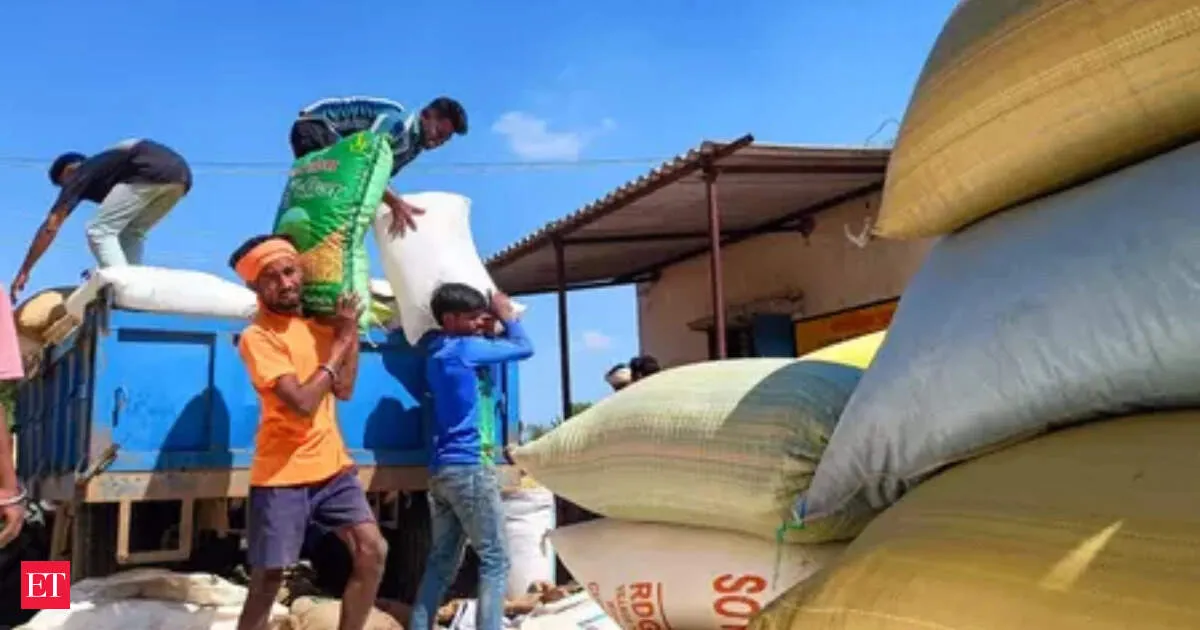
Tamil Nadu Chief Minister C Joseph Vijay has written to Prime Minister Narendra Modi urging removal of the 11% import duty on cotton. He says the state’s vast textile and apparel export sector is in crisis as cotton and yarn prices surge, driven by cotton production shortages and higher trading activity. Cotton rose from Rs 54,700 to Rs 67,700 per candy in two months, while yarn moved from Rs 301 to Rs 330 per kg. Vijay argues duty-free imports are needed to meet export commitments and safeguard jobs.
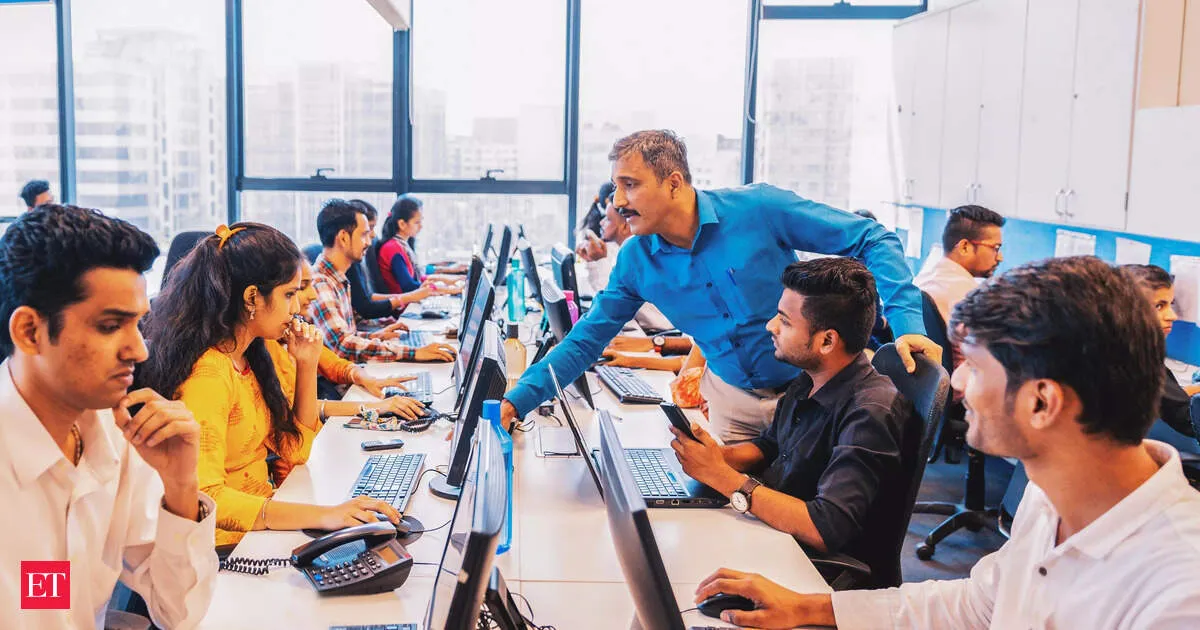
A junior analyst in Ohio says his former employer billed him $3,000 in “training repayment” after he quit for a better job. He claims the company considered a Zoom seminar on basic Excel shortcuts as specialized training, triggering a clawback clause. The story, shared on Reddit, has ignited debate about workplace training agreements and whether they function as “exit fees.”
Your news, in seconds
Get the Beige app — every story in 60 words, updated hourly. Free on iOS & Android.
EPFO is set to automate two major processes for workers: final provident fund withdrawals and account transfers when members switch employers. The move aims to speed up money credit to applicants and eliminate form-based account migration. With automation handling the workflow, claims and employer changes could become faster, simpler, and more seamless for EPFO members.
Prime Minister Narendra Modi inaugurated India’s first functional PM MITRA Park in Warangal, Telangana, on May 10, 2026. The project, built at ₹1,695.54 crore, aims to draw over ₹6,000 crore in investments and create 24,400+ jobs. Spanning 1,327 acres, it integrates the textile value chain with multimodal connectivity and sustainability features like ZLD wastewater treatment and a planned 10 MW solar plant.
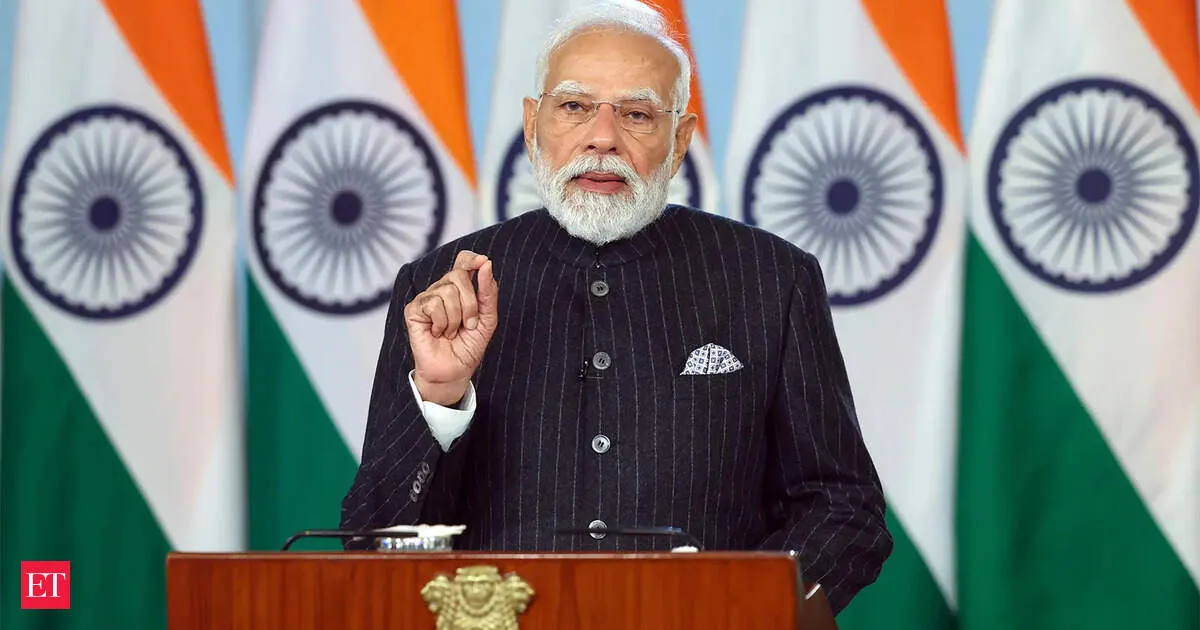
PM Narendra Modi’s renewed push for work from home has reignited questions about whether employers can refuse remote work in India. The debate turns on what the latest Labour-related framework actually requires—public encouragement may influence expectations, but it doesn’t necessarily create a direct right to WFH for every employee. Courts, contracts, and workplace policies remain central.
The government is considering a new initiative called Rural Prosperity and Rural Resilience to directly connect industries with rural producers. The plan is designed to strengthen value chains by improving skills and expanding market access, while encouraging distributed manufacturing and greater corporate presence in rural areas. It also aims to transform local livelihoods by combining enterprise support with digital systems.
Never miss a story
Set alerts for the topics and sources you care about. Download Beige for free.
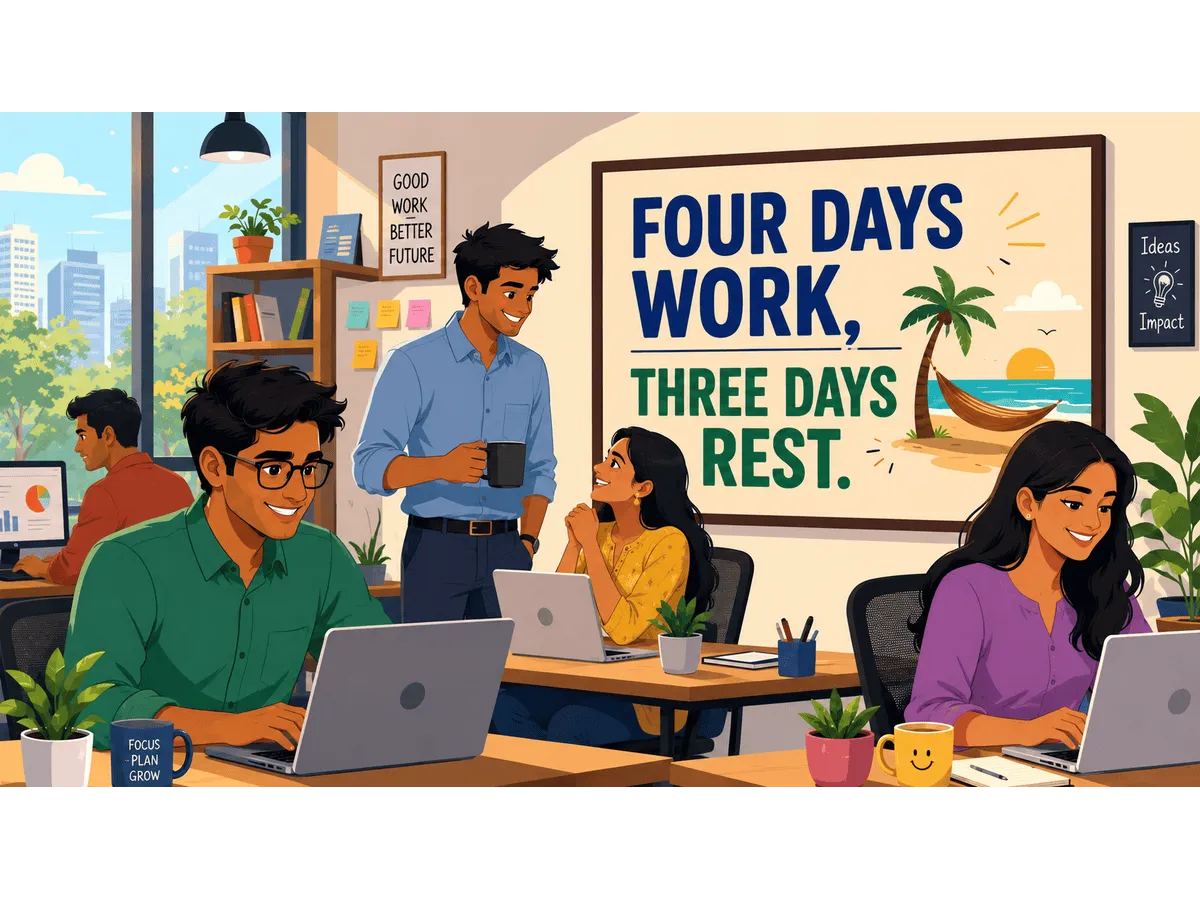
India’s new labour code under the Code on Wages introduces an optional four-day workweek with three fixed off-days. Employers can choose this model only if specific conditions are met for employee scheduling and compliance, ensuring workers’ rights aren’t eroded. Before opting in, both employees and employers must understand the eligibility and procedural requirements.
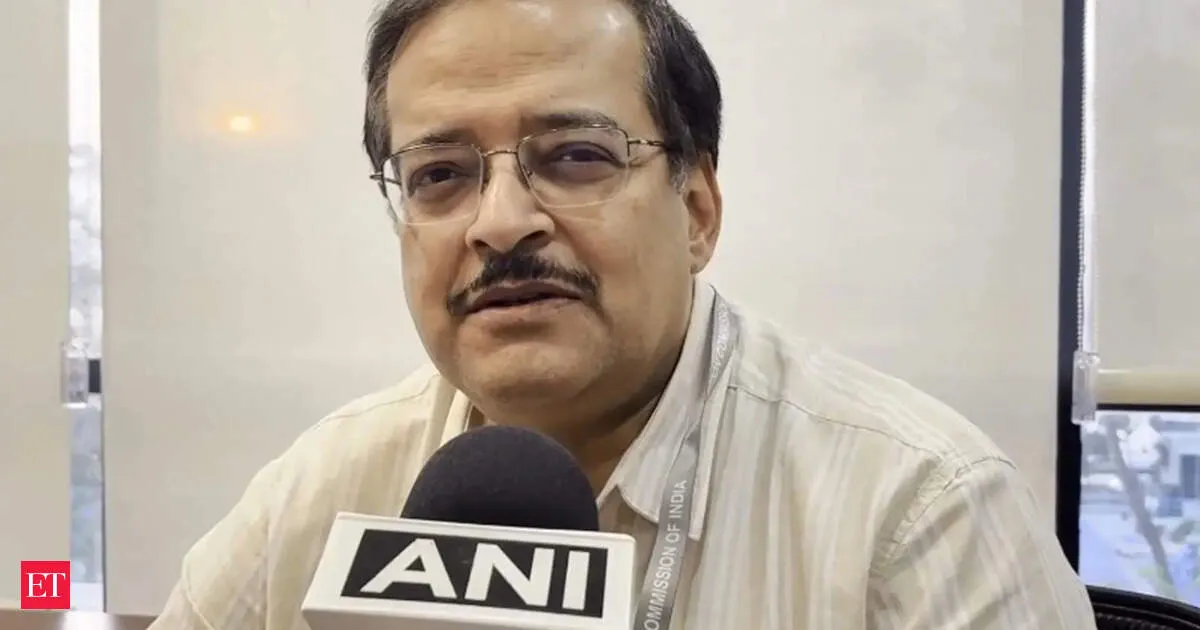
Skills Secretary Debashree Mukherjee said large industries could be allowed to engage apprentices up to 25% if they already met the 15% requirement in the past three years. Firms would also need to pay at least 30% above the mandated minimum rates and retain employment for at least 35% of apprentices, tying expansion to outcomes.
West Bengal’s new government under Chief Minister Suvendu Adhikari is laying out a bid to reverse the state’s decline and rank among India’s top states within five years. Adviser Subrata Gupta points to job creation via education reform, stronger private investment and talent retention, while also confronting the ongoing debt burden that constrains growth.
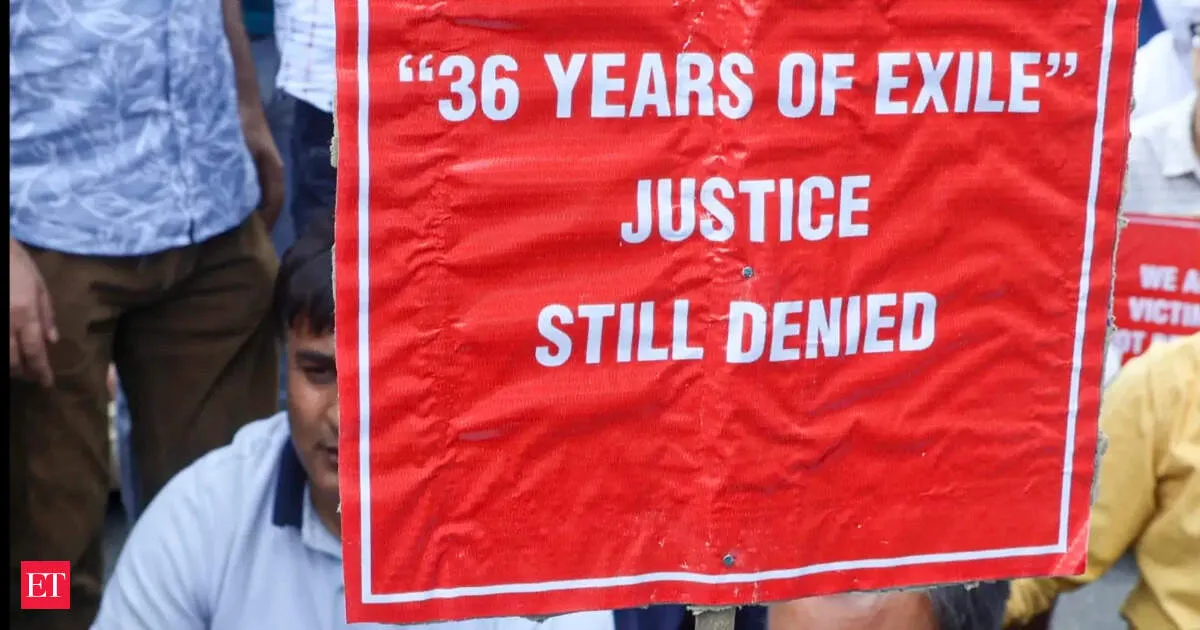
Displaced Kashmiri Pandits staged a protest in Jammu, pressing the government for a comprehensive rehabilitation policy to enable their return to the Kashmir Valley. They also demanded a fresh employment package for 15,000 educated youth. Carrying placards and chanting slogans, protesters said their demands have been pending for long, while expressing faith in a justice-focused rehabilitation vision.
Reading on mobile?
Open Beige in the app for a smoother experience — free on iOS and Android.
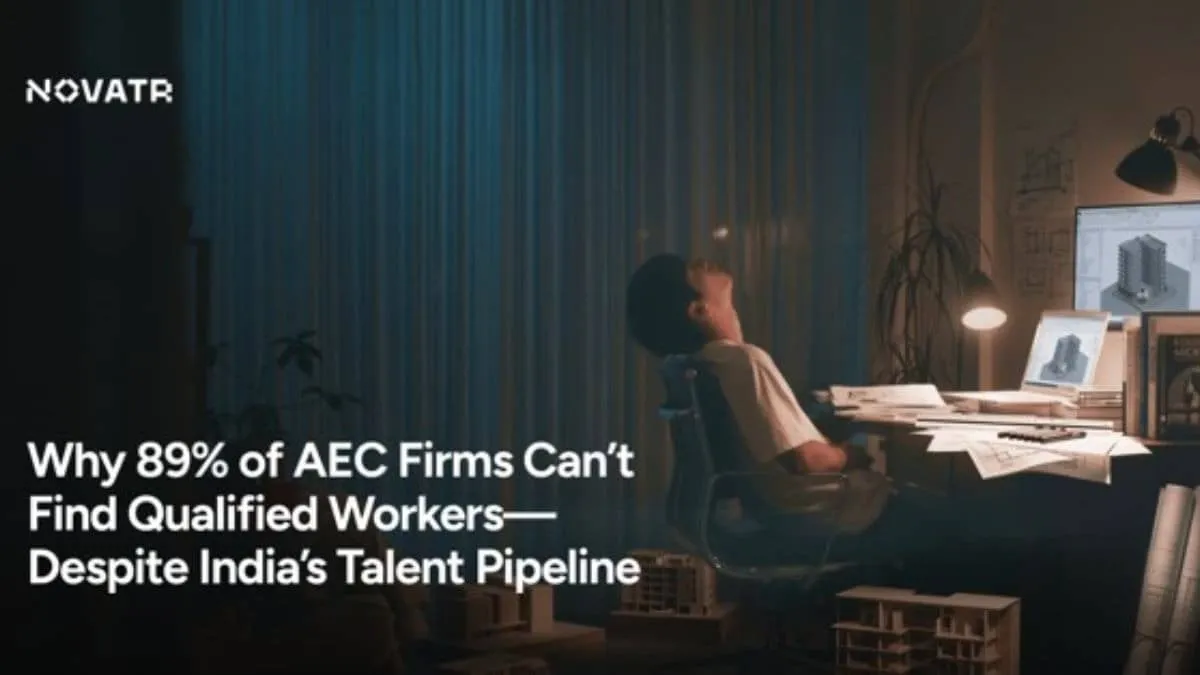
A global survey by Associated General Contractors of America and Autodesk finds 89% of AEC firms worldwide struggle to fill roles, including in India’s large architectural pipeline. The issue is not lack of graduates, but missing current technical competencies needed on real projects—creating a widening gap between what colleges teach and what construction now requires.
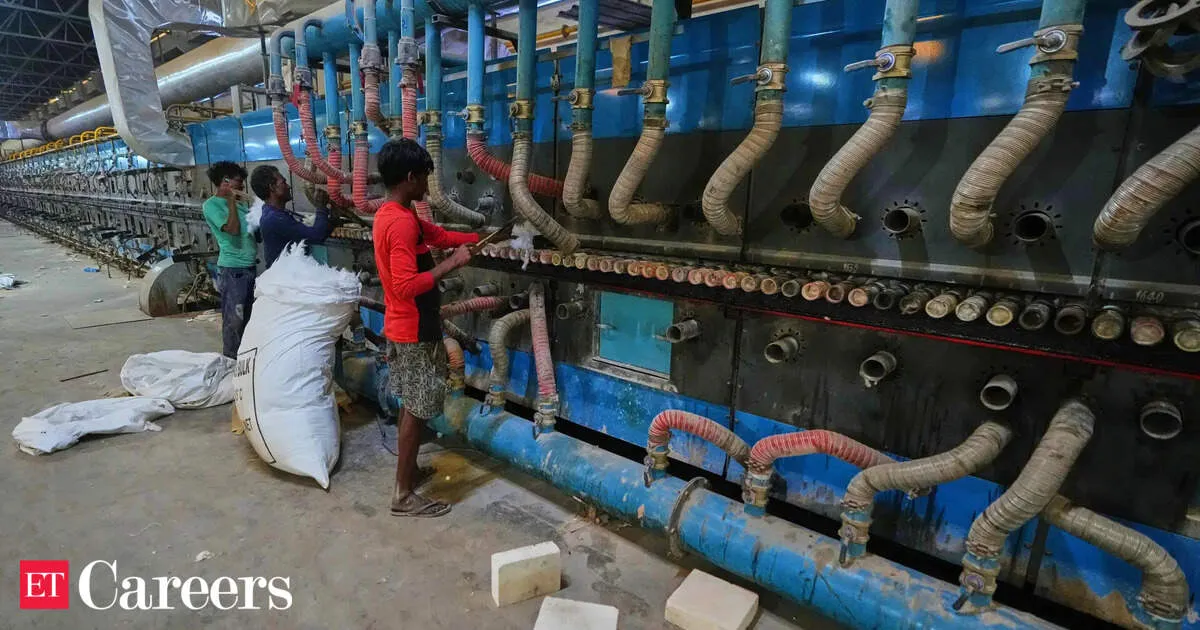
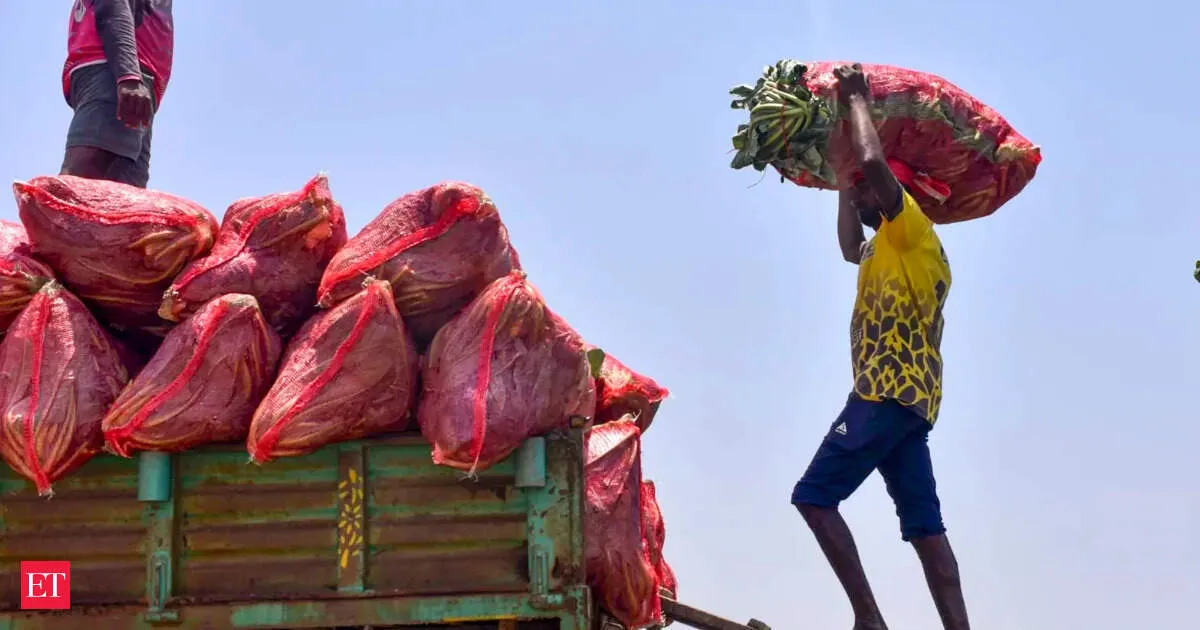
India’s labour market is changing shape, SBI Research says. Over 37 years, agriculture’s share of employment has eased by about 23%. Meanwhile, large enterprises employing more than 20 workers now account for 13.7% of the workforce, up from 10.8% in 2024, tied to a renewed manufacturing push. The report also flags regional gaps in conditions.
India’s labour market is quietly being re-engineered as agriculture slowly loses ground, according to an SBI Research report built on the latest PLFS 2025 unit-level data. The study suggests employment and work participation are moving in step with the country’s broader economic transition, reshaping where people work and how labour markets function.
The Prime Minister’s Employment Generation Programme has generated jobs for over 36 lakh people and helped set up more than four lakh new businesses. Implemented by KVIC, the initiative reportedly spent its entire budget. Notably, many of the new enterprises are in rural areas, strengthening local economies and supporting more balanced growth across regions.
Follow your favourite sources
Track sources, tags and categories — all in the Beige app.
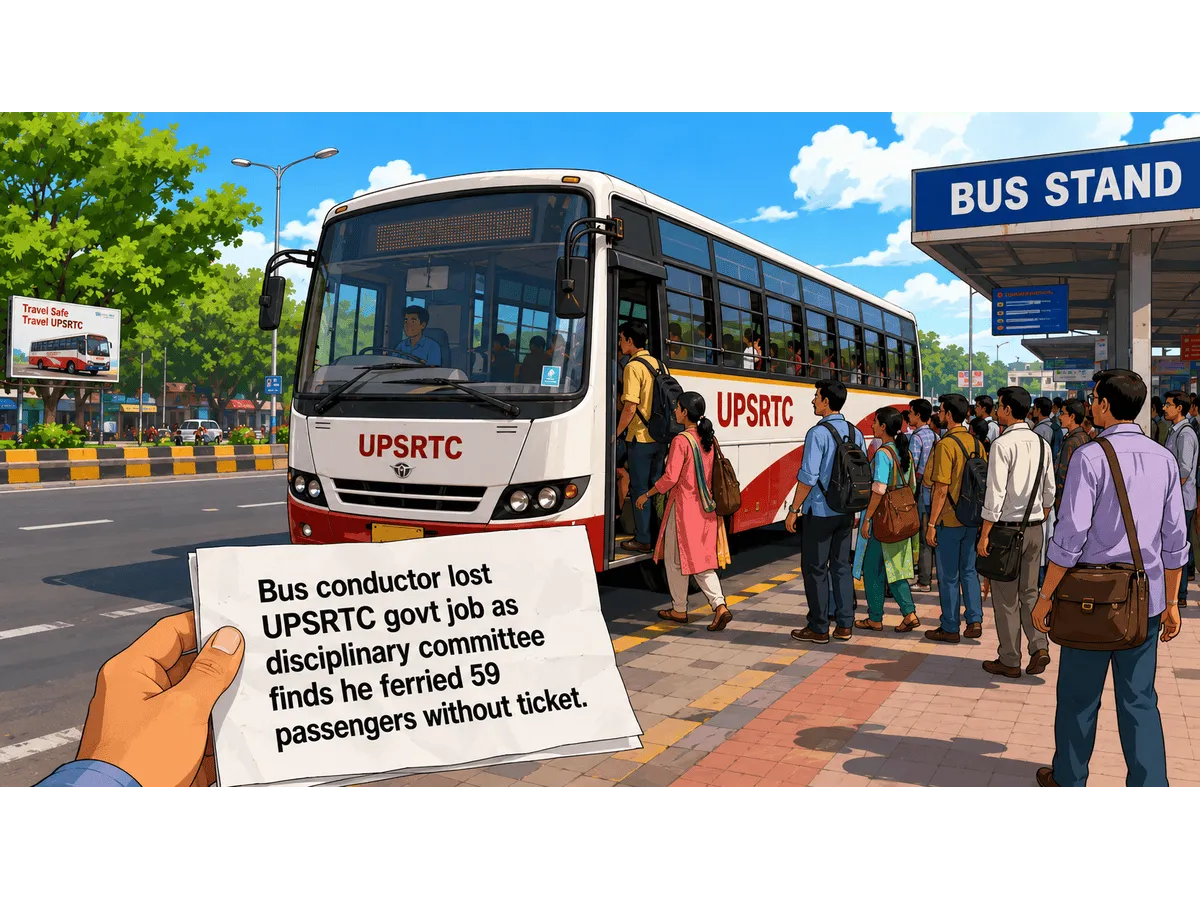
The Allahabad High Court upheld the termination of a UPSRTC bus conductor after he allegedly ferried 59 passengers without issuing tickets. Despite filling paybills, the conductor failed to distribute tickets, causing financial loss to the government. The court found the disciplinary action justified and said there was no ground to interfere, calling the conduct dishonest.
BRICS member states agreed to work toward improving youth employability to bring down NEET rates, with the consensus shaped at the 2nd BRICS Employment Working Group meeting in Kerala under India’s presidency. Delegations from multiple countries, alongside partners including the ILO, UN agencies and social security bodies, discussed coordinated steps aimed at helping young people transition into jobs.
A government survey on unincorporated sector enterprises shows unregistered businesses expanded by about 8% in 2025, adding 74.52 lakh jobs. The Annual Survey of Unincorporated Sector Enterprises (ASUSE) tracks enterprises in manufacturing, trade, and services (excluding construction) and collects data on operations and economic characteristics to support policymaking.
India’s services sector expanded in April, accelerating after a weaker March, driven by resilient domestic demand. While new business picked up—led by consumer services—international order growth eased, dimming future sentiment amid Middle East uncertainties. Operating expenses rose more slowly, and employment expanded at the strongest pace in ten months, signaling hiring momentum even as global demand softens.
Stay informed on the go
Bite-sized news from 100+ trusted sources, right in your pocket.
Prime Minister Narendra Modi praised the Union Cabinet’s approval of three new railway projects worth about Rs 23,437 crore. The lines are set to improve connectivity across 19 districts spanning six states, strengthen infrastructure and operational efficiency, and make key tourist destinations more accessible. The government expects the move to support economic growth and generate employment.
An employee says he was fired within a week of joining after raising a concern that he wasn’t paid for his first day. Payroll told him to route the issue through his manager, and it seemed resolved. But the next day, he was told “it just isn’t working out,” and when he asked what went wrong, no clear explanation was given.
Swipe through stories, personalise your feed, and save articles for later — all on the app.