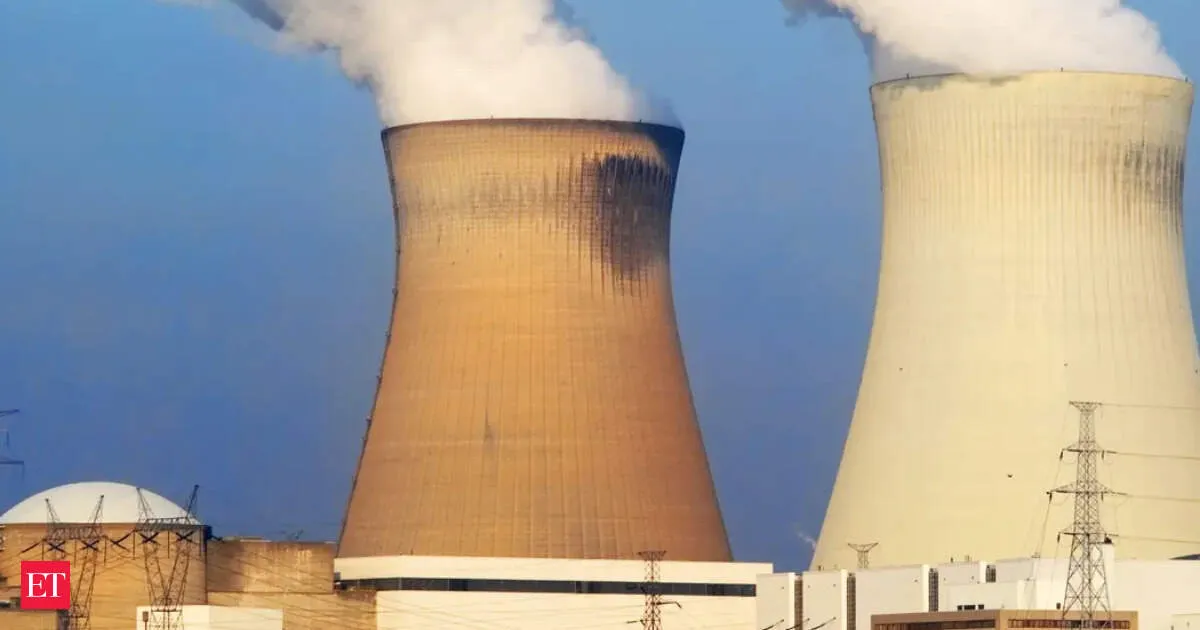
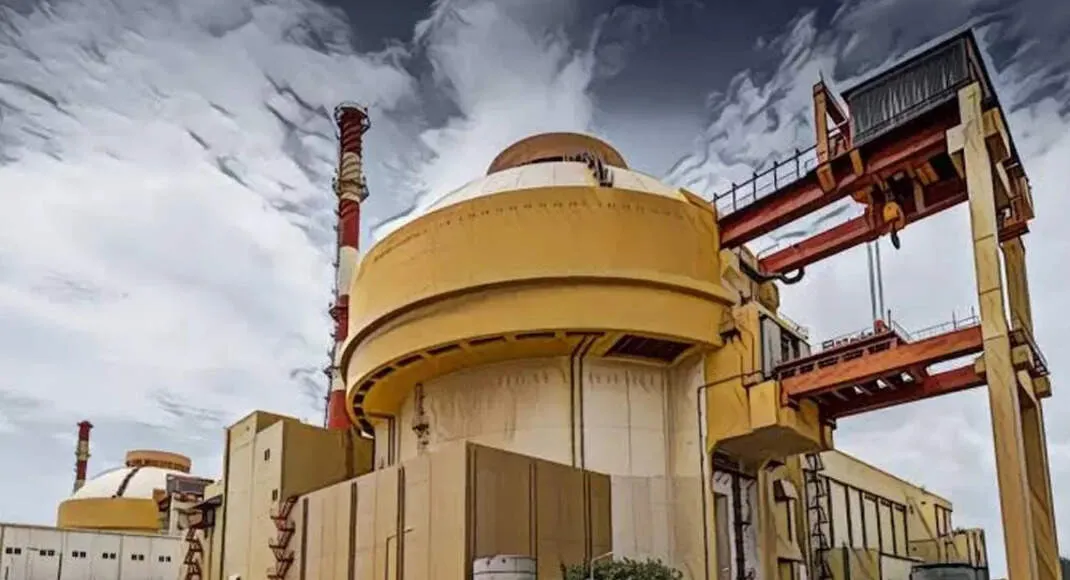
US Energy Secretary Chris Wright briefed a 20-member delegation of senior executives from the American nuclear industry ahead of their visit to India next week. The group will explore civil nuclear cooperation after New Delhi opened the sector to private players through the SHANTI law, replacing older frameworks and easing tougher liability concerns that had deterred global suppliers. The delegation will meet government and private leaders, focusing on joint projects, small modular reactors, and other areas of collaboration.
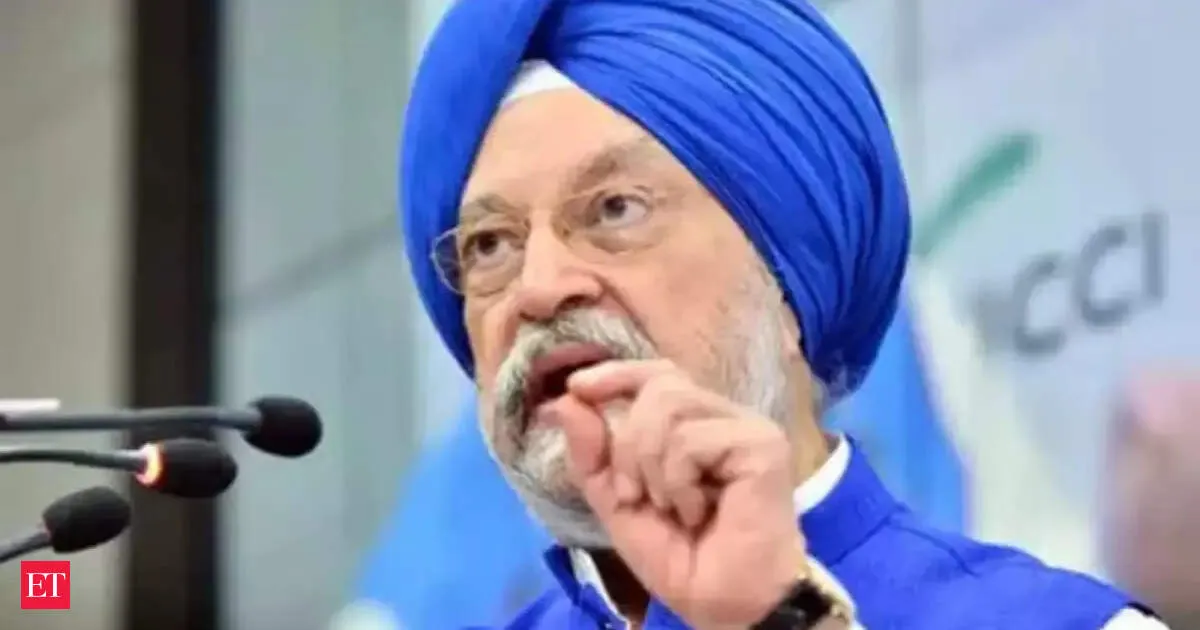
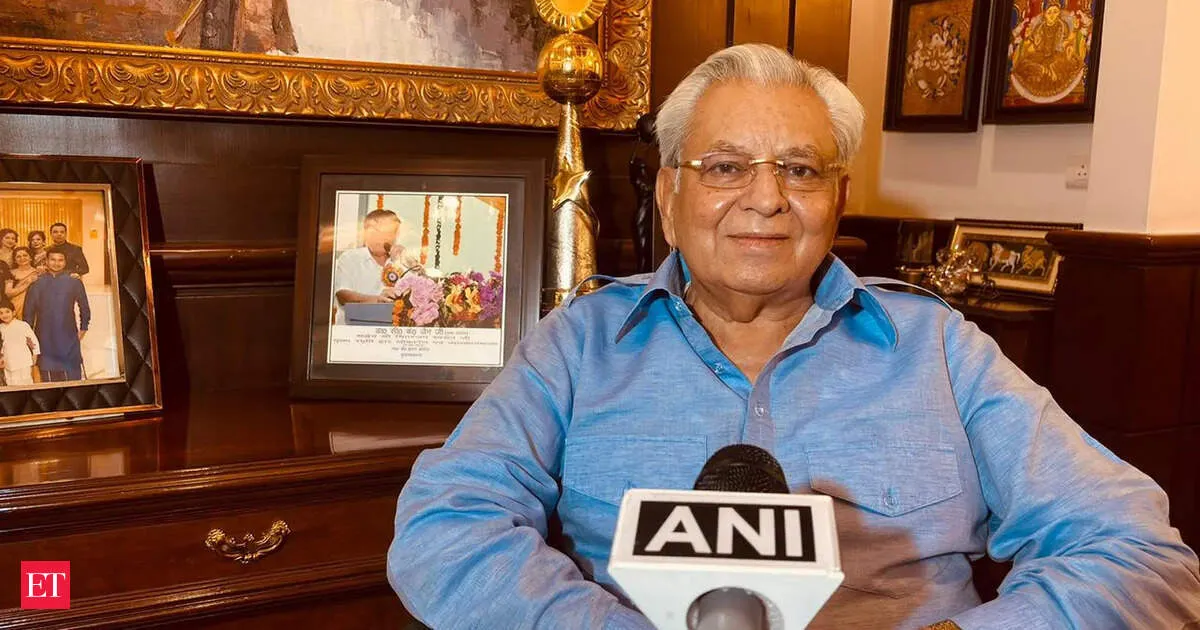
India’s Oil Minister Hardeep Puri says the public can expect reassurance on potential fuel price hikes, but he admits oil companies are under real strain. He argues the key is acting early to manage the economic pressure created by current pricing approaches, implying losses cannot be absorbed forever without policy changes.
Your news, in seconds
Get the Beige app — every story in 60 words, updated hourly. Free on iOS & Android.
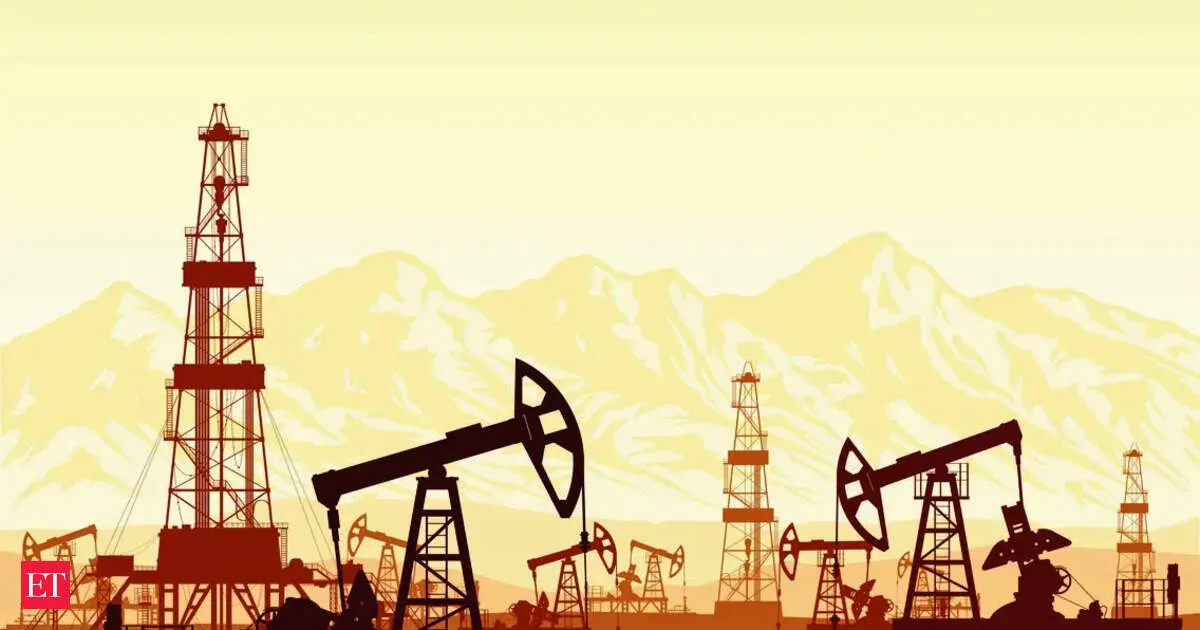
India has reduced royalty rates for crude oil and natural gas production, aiming to accelerate domestic exploration and output. The biggest cuts apply to deepwater and ultra-deepwater fields, where the new framework can offer zero royalty for an initial period. The policy is designed to make difficult reserves more economically viable and attract investment into domestic energy supply.
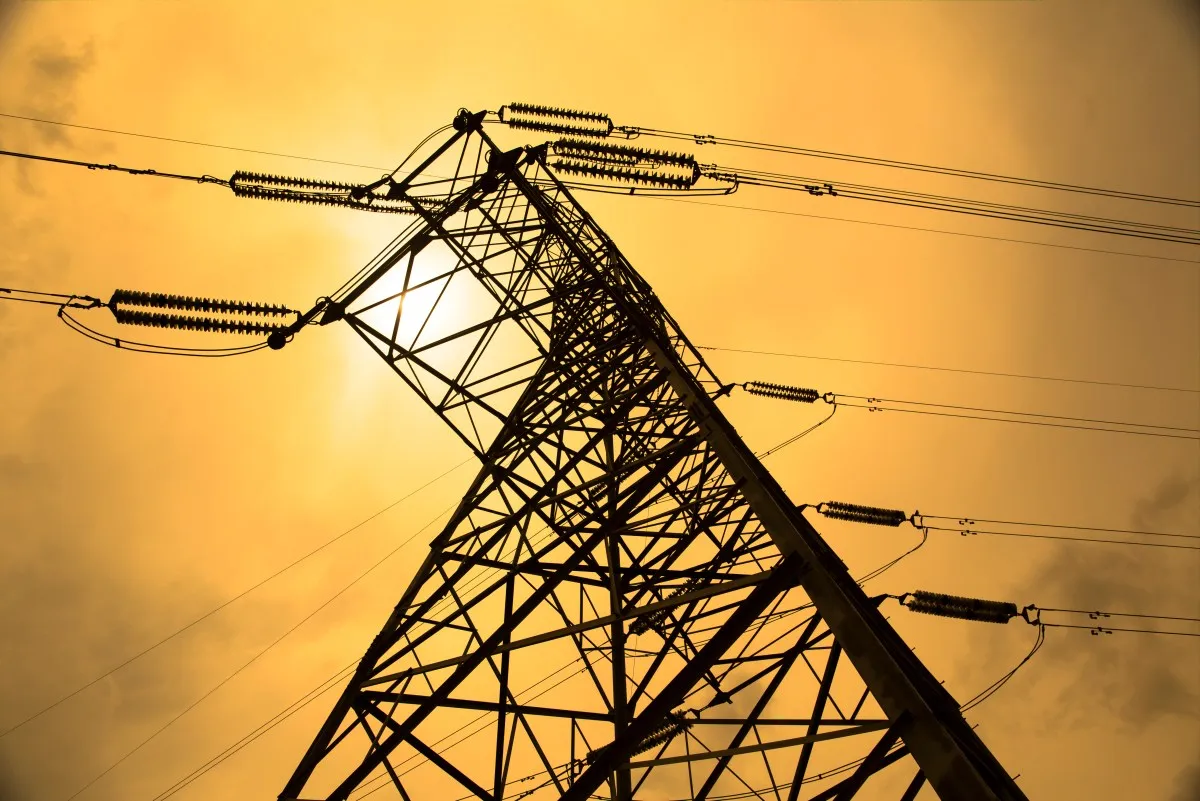
India is targeting 1,800 GW of renewable energy by 2050, but officials say it will only work with a “super grid” approach modeled on China. The government’s plan includes spending about $574 billion by 2030 on high-voltage transmission lines. Policymakers are also pushing states to secure equipment and storage to smoothly integrate more renewable power and reduce evacuation delays.
PJM Interconnection, which manages the largest U.S. power grid serving major data center growth, says it needs an overhaul to handle rapidly rising electricity demand driven by AI. But the plan is drawing mixed reactions, with some questioning whether the regulator can adapt fast enough and how changes will be delivered under mounting pressure.
The Union Cabinet is expected to soon clear a Rs 37,500 crore incentive scheme aimed at scaling coal gasification projects. The plan is designed to accelerate cleaner energy output while reducing India’s reliance on imported LNG and urea, and to better monetize domestic coal. If approved, it could reshape how gas and related fuels are produced.
Never miss a story
Set alerts for the topics and sources you care about. Download Beige for free.
India is in discussions with Nepal and other SAARC nations to explore ethanol exports, aiming to boost the rural economy and support farmers. The move also ties into higher ethanol blending targets that could translate into large foreign exchange savings. Meanwhile, the government is working with auto makers to introduce flex-fuel vehicles, with adoption hinging on consumer awareness and competitive pricing.
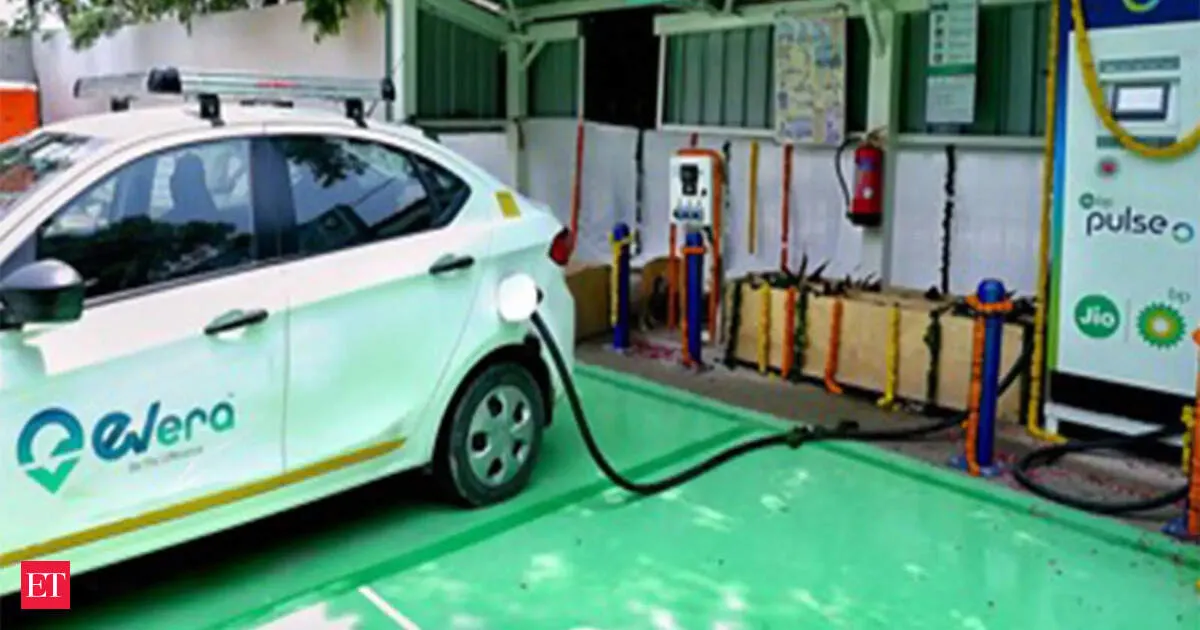
Nomura says India’s EV transition will hinge less on announcements and more on how fast it can build a China-style charging ecosystem. The report points to infrastructure readiness as the key trigger for mass adoption, arguing that scale, supportive policy, and rapid charging buildout are the fastest path to moving customers from trials to daily use.
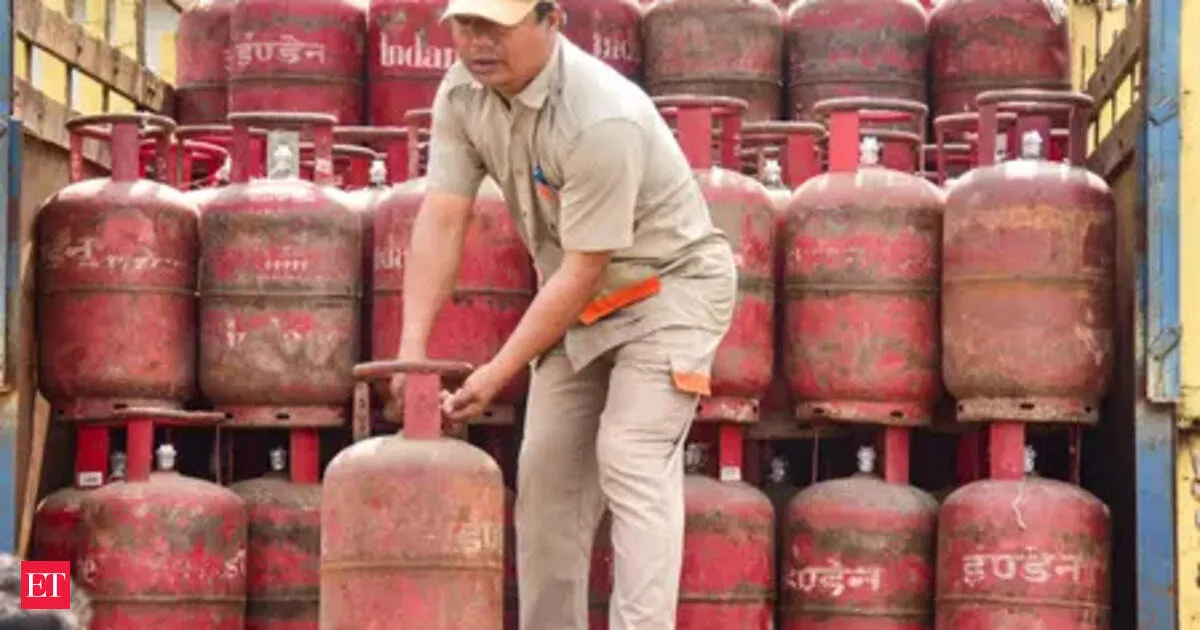
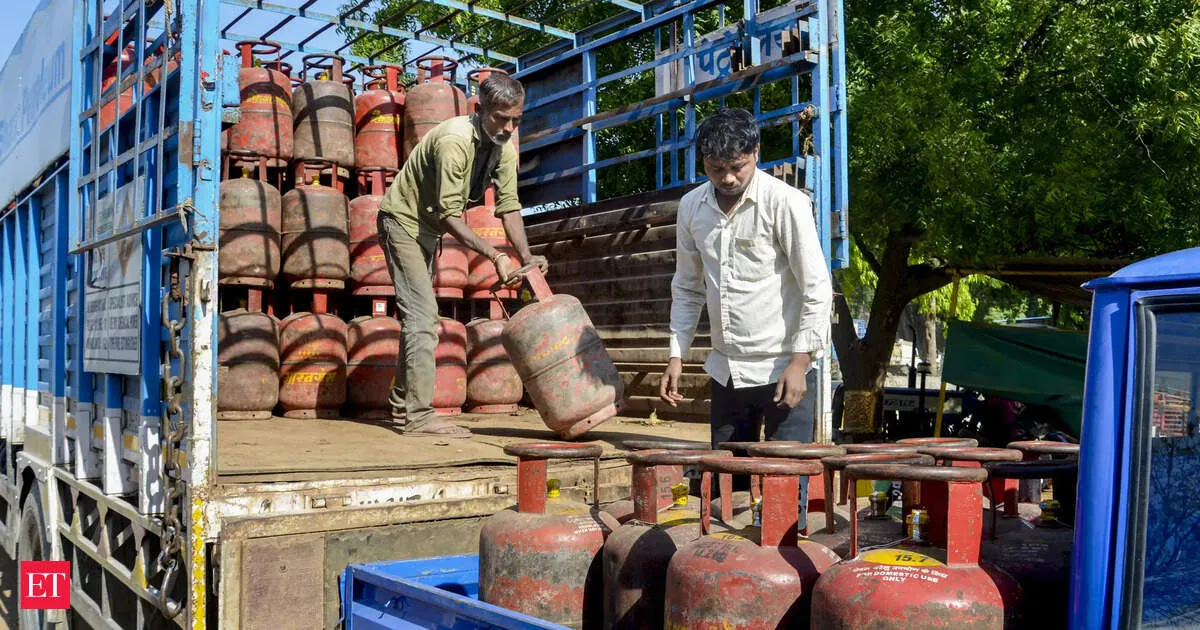
The government is now screening households that hold both LPG and PNG connections to prevent dual ownership and potential subsidy misuse. Under the new enforcement, families with piped natural gas connections are required to surrender their domestic LPG cylinders so supply can be prioritized for households without piped gas. So far, more than 43,000 LPG connections have been surrendered.
Indian Railways is planning to switch from LPG to piped natural gas (PNG) in crew resting rooms. The move aims to reduce LPG dependence and ease logistical challenges as supply conditions tighten amid the West Asia crisis. By adopting PNG, Railways expects more streamlined fuel management for facilities that require reliable heating and cooking support.
Reading on mobile?
Open Beige in the app for a smoother experience — free on iOS and Android.
China is reportedly preparing to build up to 50 nuclear reactors simultaneously, aiming to expand low-carbon power and cut reliance on fossil fuels. The country already runs 60 reactors and has more under construction, with nuclear capacity projected to climb toward 200 GW by 2040 as its technology advances quickly.
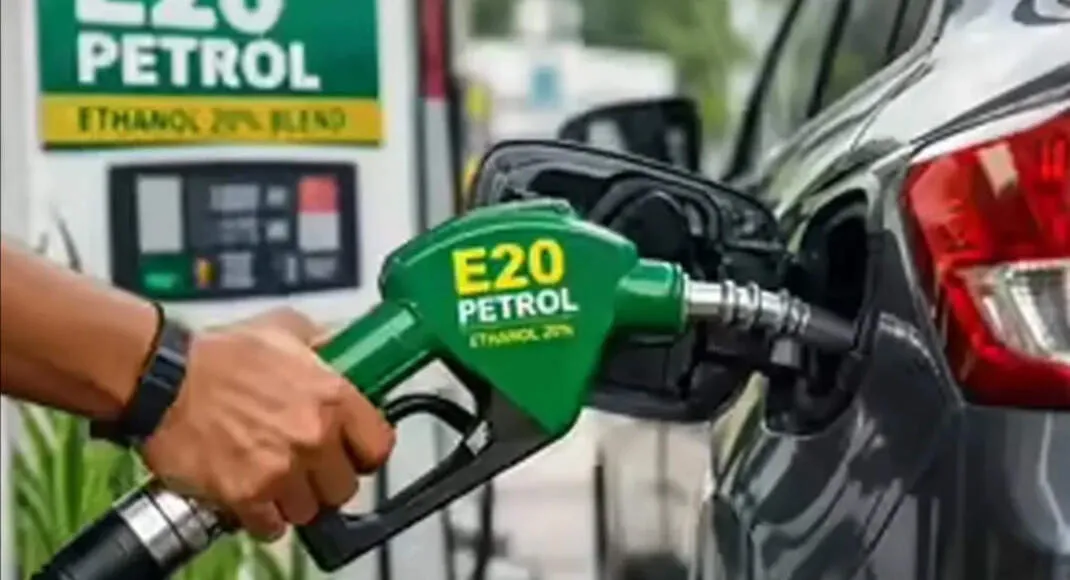
India’s ethanol blending of petrol has reached 20%, but the bigger story is stubborn: crude oil import dependence has risen to over 90% from 84% earlier. The ethanol switch is saving only about USD 3 billion a year—roughly 2% to 3% of the total oil import bill—so the expected gains are not translating into lower reliance.
India is considering higher ethanol blending in both petrol and diesel, aiming to cut the country’s 87% crude import dependency. During an inter-ministerial briefing, Petroleum Ministry Joint Secretary Sujata Sharma said talks with stakeholders are underway, reflecting Nitin Gadkari’s vision of moving toward 100% blending. The move targets greater energy self-reliance amid Middle East volatility.
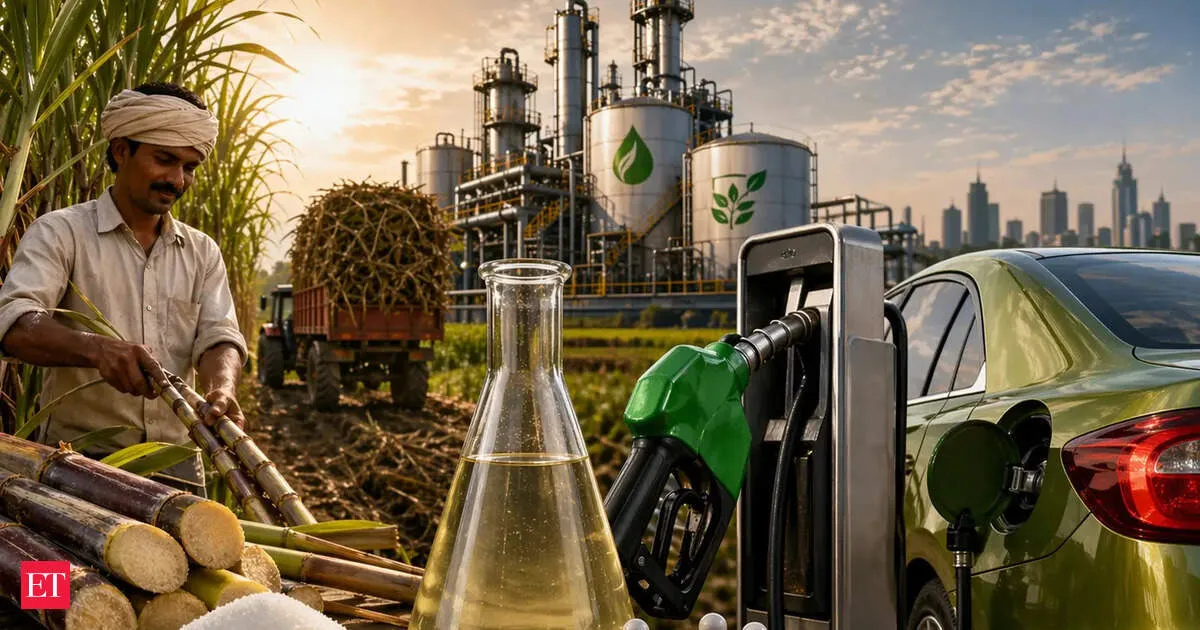
India is rapidly scaling ethanol, a sugar-based fuel, to reduce dependence on imported crude and raise incomes for farmers. Policy shifts are enabling higher ethanol blends for vehicles and even aviation, with plans moving toward E20 and exploring E100. The effort brings agriculture, energy, and transport sectors together for a coordinated energy transition.
Follow your favourite sources
Track sources, tags and categories — all in the Beige app.
Andhra Pradesh is set to roll out a policy that allows large data centres to obtain power distribution licences. The move is aimed at securing reliable electricity for high-demand facilities. Firms that meet defined eligibility criteria could build and operate their own internal power distribution systems, reducing supply uncertainty as data needs surge.
India is exploring ethanol blending in petrol beyond the current 20% benchmark and is also pushing flex-fuel vehicles to enable higher biofuel use. The government is holding discussions with industry stakeholders as it plans for a broader shift in transport fuel. The goal: reduce dependence on imported oil while strengthening domestic biofuel production and consumption.
India’s data centres are expanding, and with them comes a quiet demand for reliable power. A fleet of older, gas-based plants—often neglected and underutilised—could find a renewed role. But whether they actually power Digital India hinges on unglamorous realities: policy signals, gas and power pricing, and political will to make the economics work.
India’s gas expansion is constrained by a rigid, outdated pipeline and market setup, even as Europe advances with flexible, market-led network models. The Entry-Exit framework is touted as a potential turning point for clearer pricing and competition, but success depends on whether policymakers will implement reforms boldly and consistently across the system.
Stay informed on the go
Bite-sized news from 100+ trusted sources, right in your pocket.
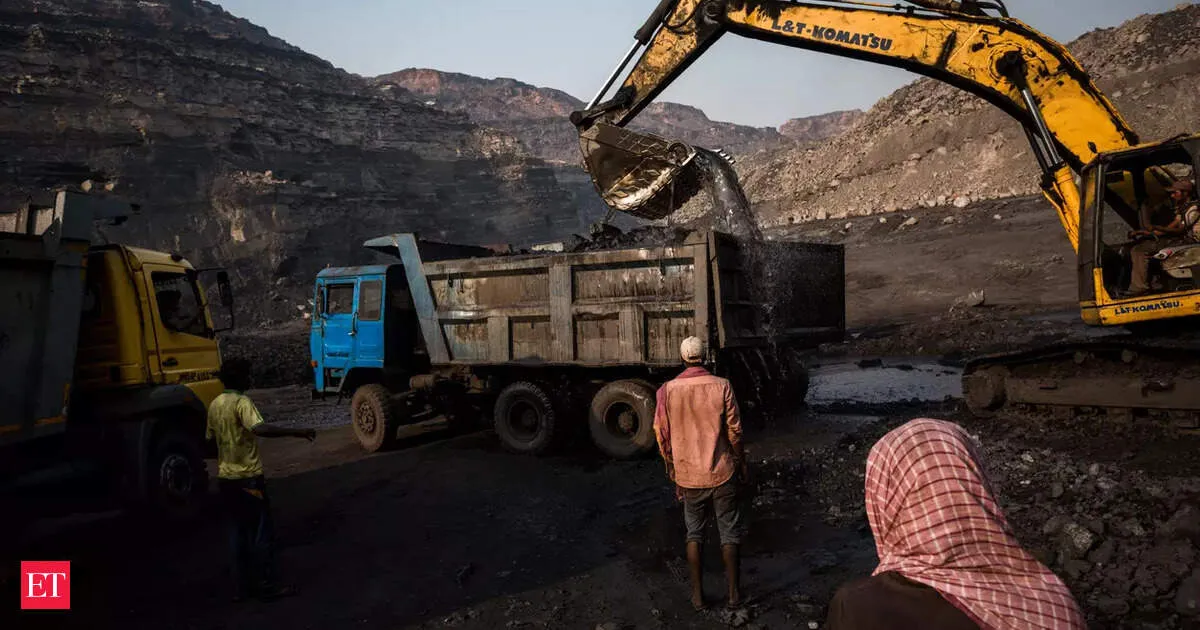
India’s crude oil and natural gas output kept falling in 2025-26, extending an 11-year slide as ageing fields drain production and new discoveries fail to replace losses. The result: rising import dependence. Even with policy reforms, foreign investment remains limited and fears over policy stability are discouraging exploration needed to reverse domestic decline.
India’s push to revive nuclear power using private capital is colliding with a dispute between state-run NPCIL and private players. A 90-page rulebook has become the flashpoint, with private firms alleging the framework tilts toward control rather than partnership, raising fresh questions over the path to faster projects.
Swipe through stories, personalise your feed, and save articles for later — all on the app.