Lake Tahoe, long a tech haven and vacation getaway for Silicon Valley, has less than a year to secure a new electricity provider. By May 2027, Liberty Utilities’ deal with NV Energy will end, and NV Energy plans to redirect its power to Nevada where data centers are rapidly expanding. While officials dispute blame, NV Energy has requests for over 22 gigawatts of load—about 40 times Tahoe’s peak—meaning traditional customers may pay higher prices amid tighter regional supply.
S&P Global cut its outlook for global real GDP growth to nearly 2.4% in 2026, down from 2.6% in its March forecast, citing higher energy prices, persistent geopolitical tensions, and weaker demand. The firm expects only a modest rebound in 2027 to about 2.7%. In Asia-Pacific, growth was revised lower on energy import exposure. For India, real GDP growth for FY 2026–27 was reduced to around 5.9%, driven by inflation, currency pressure, and costlier energy imports.
Your news, in seconds
Get the Beige app — every story in 60 words, updated hourly. Free on iOS & Android.
Global bond markets are bracing for sharp interest rate pain as investors recalibrate for higher-for-longer rates. Benchmark 10-year U.S. Treasury yields reached their highest level in about a year, shortly after the government sold 30-year bonds at the highest yield since 2007. Traders link the move to sticky inflation and energy shocks tied to the war with Iran, pushing expectations of further central-bank hikes worldwide and pressuring mortgages, lending, stocks, and growth.
European equities slid for the week as STOXX 600 fell 1.5% to 606.92, driven by soaring energy costs tied to US Iran tensions. Analysts warned inflation is starting to bleed into consumer and producer prices, pushing markets toward at least two European Central Bank rate hikes by year end. The bond selloff mirrored the shift. Cyclical sectors and defence led the drop, with banks down 6% and materials off 5.1%, while select semiconductors and firms like Technoprobe bucked the trend.
Ajay Srivastava of Dimensions Corporate says Indian markets are only beginning to feel macro pressure from global shocks, currency weakness, and energy costs, with the real hit to consumers and earnings potentially taking 3 to 6 months to show fully. He cautions investors not to assume the recent fuel spike is already reflected. His strategy emphasizes “reallocate” over concentration, leaning toward legacy and promoter-driven firms, staying selective in export-focused pharma, and avoiding Indian IT in favor of US IT.
A DBS economist says global capital is shifting toward Asia’s AI and electronics surge, drawing attention away from India. While India’s foreign direct investment slowdown may look worrying, DBS argues it’s not the main threat. Instead, India is urged to plug deeper into supply chains, take a pragmatic approach to Chinese investment, adjust energy prices realistically, and protect vulnerable groups.
Never miss a story
Set alerts for the topics and sources you care about. Download Beige for free.
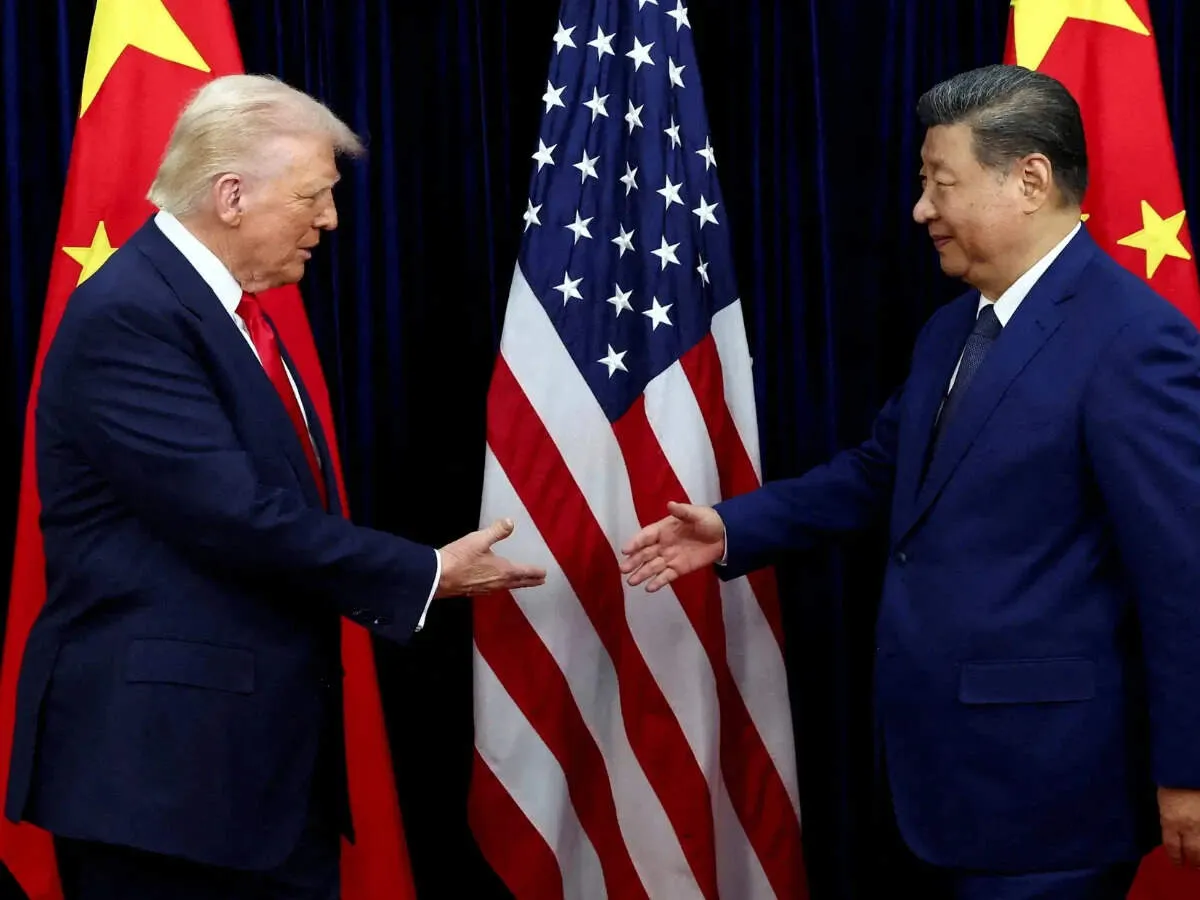
Xi Jinping hosts Donald Trump in Beijing as China projects economic strength powered by exports tied to AI infrastructure. Yet the editorial warns that global energy disruptions could derail future momentum. China runs a wide trade surplus but relies less on domestic consumption, while the US struggles with inflation linked to its trade deficit. Talks also point to progress on US farm exports.
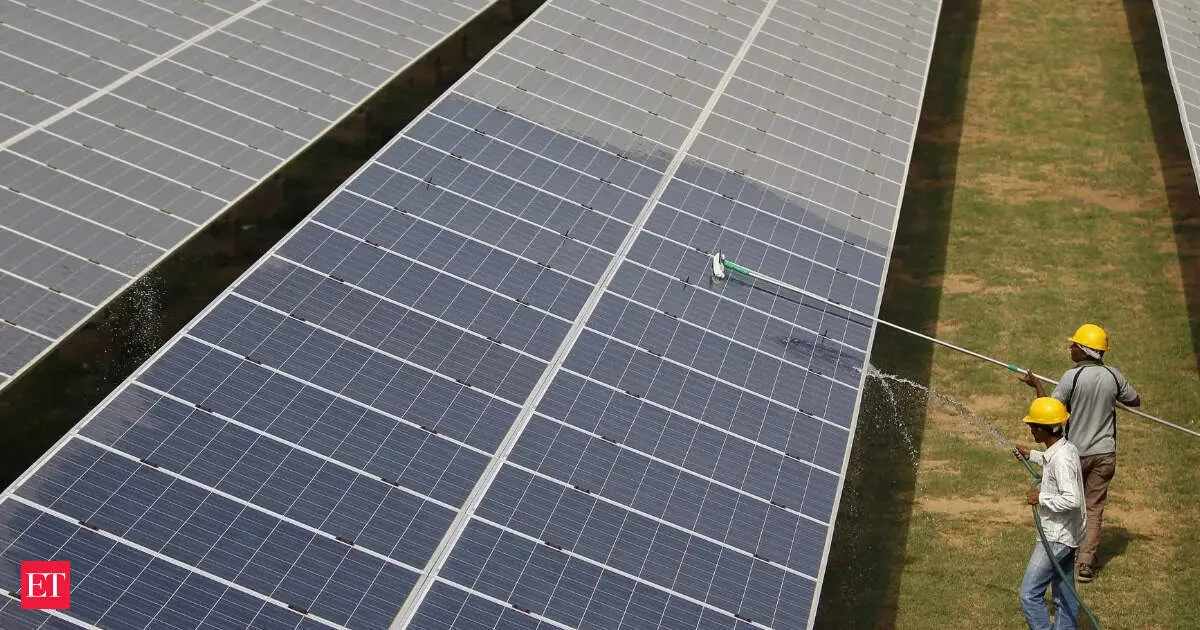
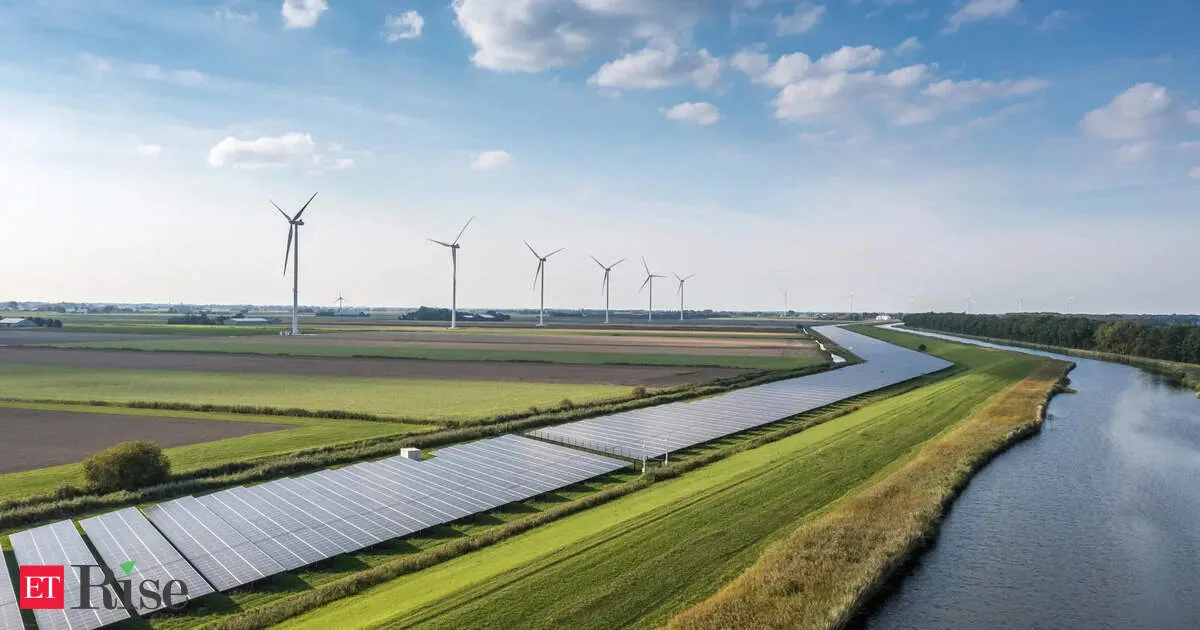
As Iran war tensions push fuel prices higher across Asia, households are turning to rooftop solar to cut costs. Demand is rising sharply in the Philippines, where installations and inquiries have surged. China, the world’s biggest solar technology supplier, stands to benefit as global consumers accelerate the energy transition toward more accessible, affordable power.
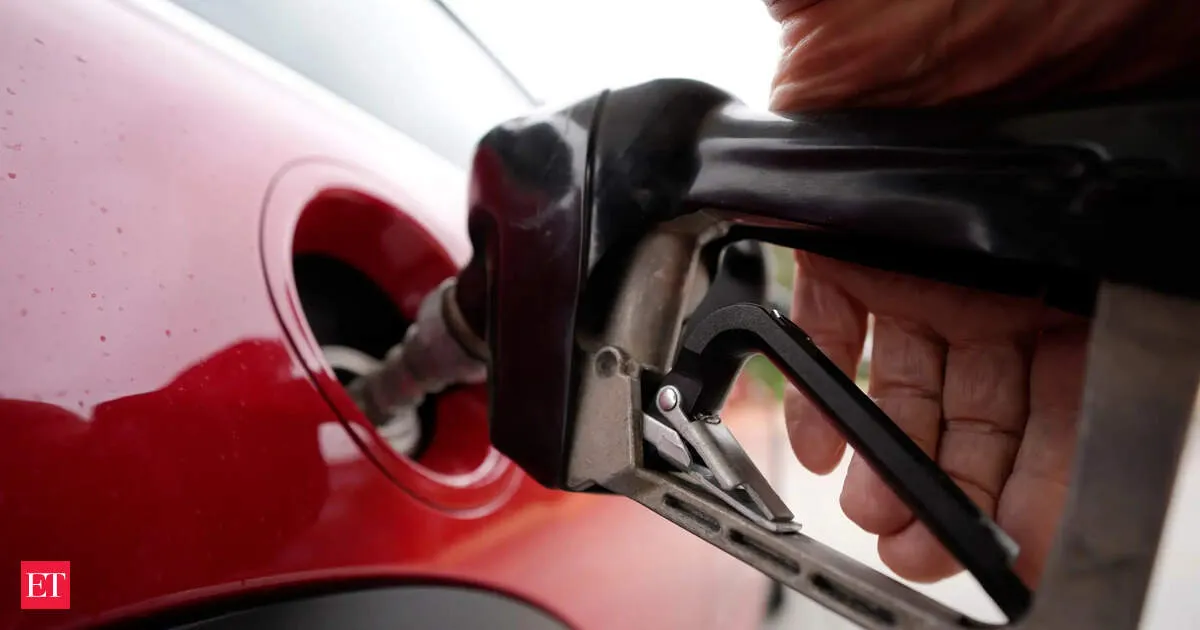
From India to China, governments are rolling out a patchwork of measures to blunt rising energy costs tied to the U.S. Israeli war on Iran. Policies range from fuel tax tweaks and strategic reserve releases to subsidies, tax cuts, and external financing. Some countries are also pushing conservation and accelerating domestic supply and alternative energy to reduce future shocks.
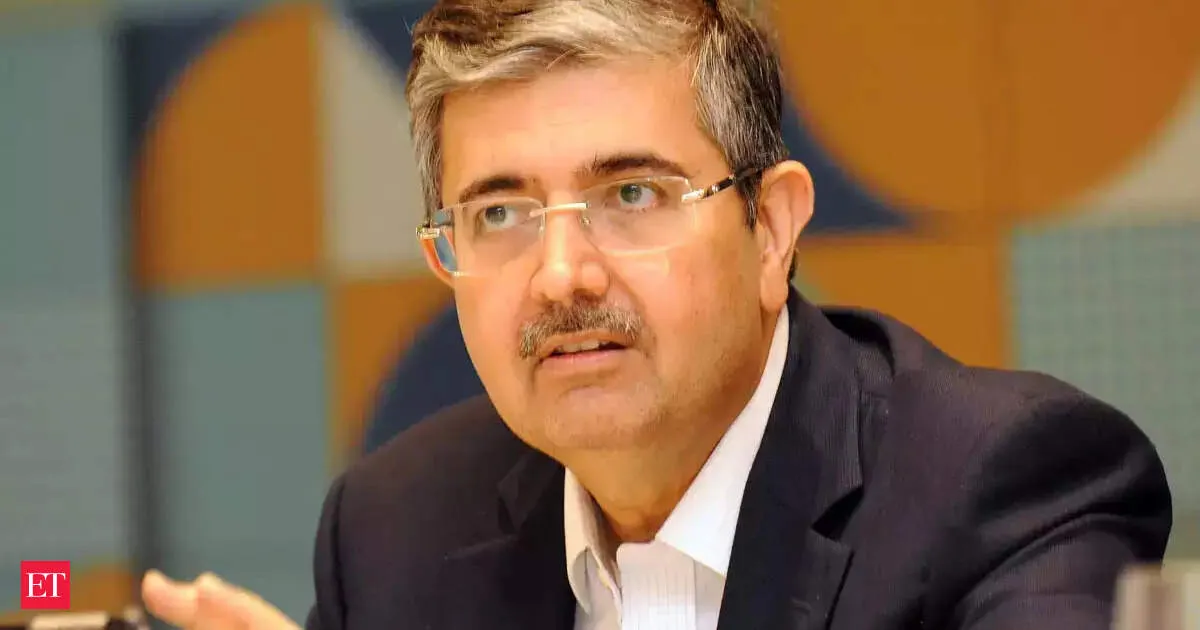
Business tycoon Uday Kotak says the biggest economic pain linked to the Iran war has not reached Indian households yet. He points to soaring energy prices as the trigger for a wider financial shock, warning that the impact could quickly flow into day to day costs for consumers. The note follows PM Modi’s austerity call, underlining heightened pressure ahead.
Reading on mobile?
Open Beige in the app for a smoother experience — free on iOS and Android.
US consumer inflation rose to 3.8% year-on-year in April, up from 3.3% in March, aligning with expectations. The US Bureau of Labor Statistics said the jump reflects economic spillover from the Iran war, with energy prices playing a key role. The data signals tighter pressure on prices even as growth worries simmer globally.
China’s green tech giants are capitalizing on a shifting energy landscape after the Iran war triggered fuel cost shocks. Firms such as Jinko Solar, Chery and BYD report rising demand for EVs, batteries, and solar panels as consumers and businesses in import-dependent markets seek cheaper, homegrown alternatives to expensive fuel.
US markets are entering a critical stretch as investors weigh fresh inflation and consumer spending signals that could reshape interest rate expectations. While strong corporate earnings have supported stocks, tensions tied to Iran and headlines around President Trump meeting Xi add geopolitical risk. Rising energy prices are also in focus, threatening cost pressures and market volatility.
President Donald Trump dismissed Iran’s response to a U.S. proposal for peace talks, dashing hopes of a rapid end to a 10-week conflict. The fighting has disrupted shipping in the Strait of Hormuz, hit parts of Iran and Lebanon, and contributed to higher global energy prices. The rejection raises uncertainty over when tensions can ease.
Follow your favourite sources
Track sources, tags and categories — all in the Beige app.
China’s April producer inflation climbed 2.8% year-on-year, its highest in 45 months, as energy and commodity prices surged, lifting costs in metals and oil-linked sectors. Consumer inflation also rose to 1.2%, with higher gasoline prices and gold jewelry adding pressure at the shop floor and household level, complicating an already weak domestic demand outlook.
Federal Reserve official Mary Daly said the central bank remains committed to its 2% inflation target and that higher energy prices have not yet affected medium- and long-term inflation expectations. She added that current policy remains slightly restrictive, while a potential resolution to the U.S.-Iran conflict could further reduce inflation pressures in the outlook for markets.
HSBC economist suggests India can cushion global energy shocks using a three-part approach. The plan supports small businesses through credit guarantees, strengthens rural employment via programs such as NREGA, and urges higher public infrastructure investment. Together, these steps aim to shield growth and household incomes from rising energy prices and possible supply disruptions.
A new S&P assessment says India’s economy is taking a hit as Middle East conflict ripples into energy prices and supply. Higher fuel costs are straining public and private finances, while rising bond yields, stubborn inflation, and a weakening rupee weigh on growth prospects. Analysts urge faster reforms and stronger energy and food security through self-sufficiency and diversification.
Stay informed on the go
Bite-sized news from 100+ trusted sources, right in your pocket.
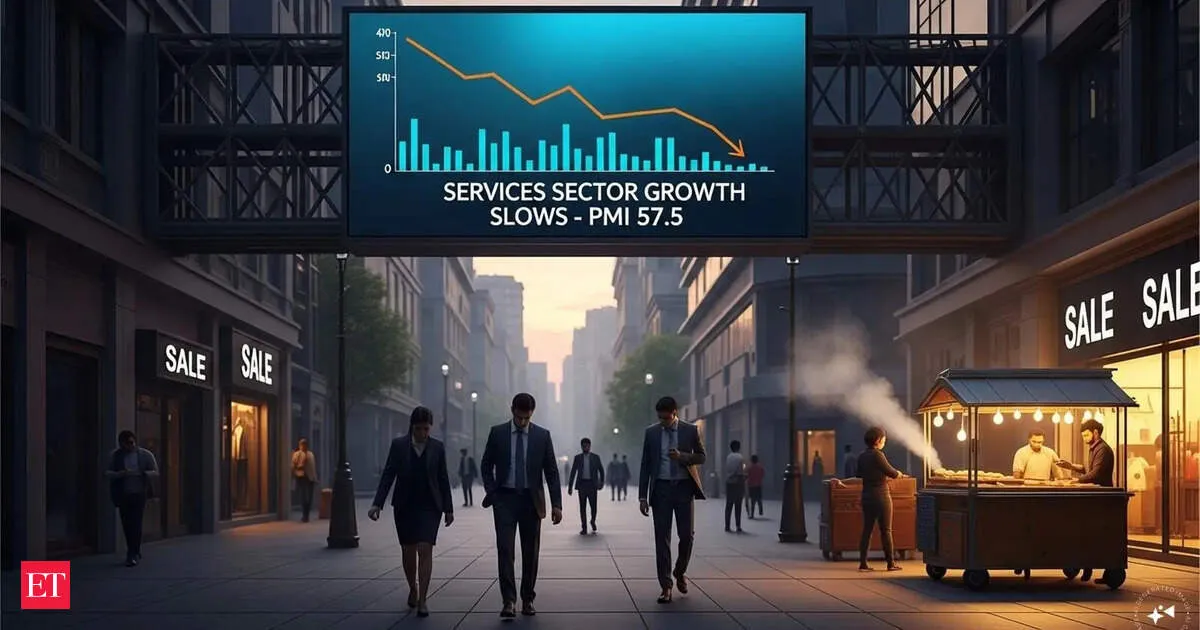
US services activity cooled in April as the prices index stayed elevated, with diesel, gasoline and oil costs rising amid Middle East-driven energy pressure. Construction buyers are squeezed by high interest rates, inflation and oil supply issues, forcing sellers to lean on discounts and rate buy-downs to keep deals moving.
European shares edged lower as U.S. tariff hike threats weighed on automakers, turning cautious for investors. Markets also turned to geopolitics, watching for signs of progress toward reopening the Strait of Hormuz—an outcome that could ease shipping and energy uncertainty. Traders balanced sector-specific tariff pressure against potential relief from improved Middle East developments.
Swipe through stories, personalise your feed, and save articles for later — all on the app.