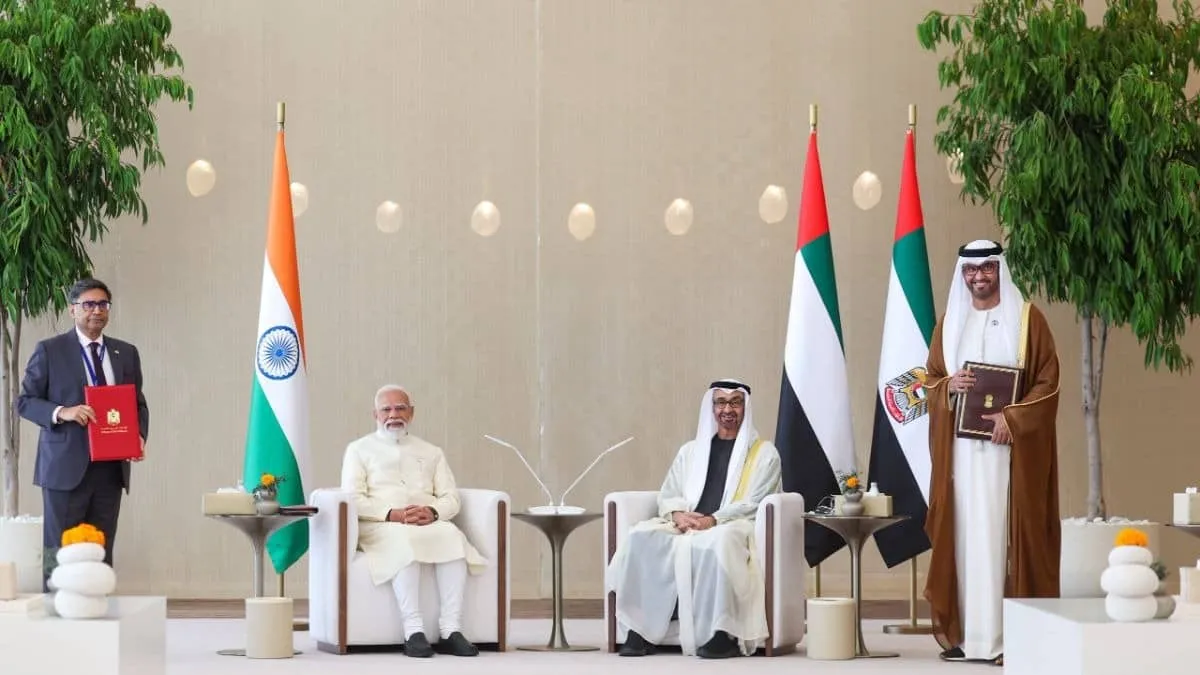
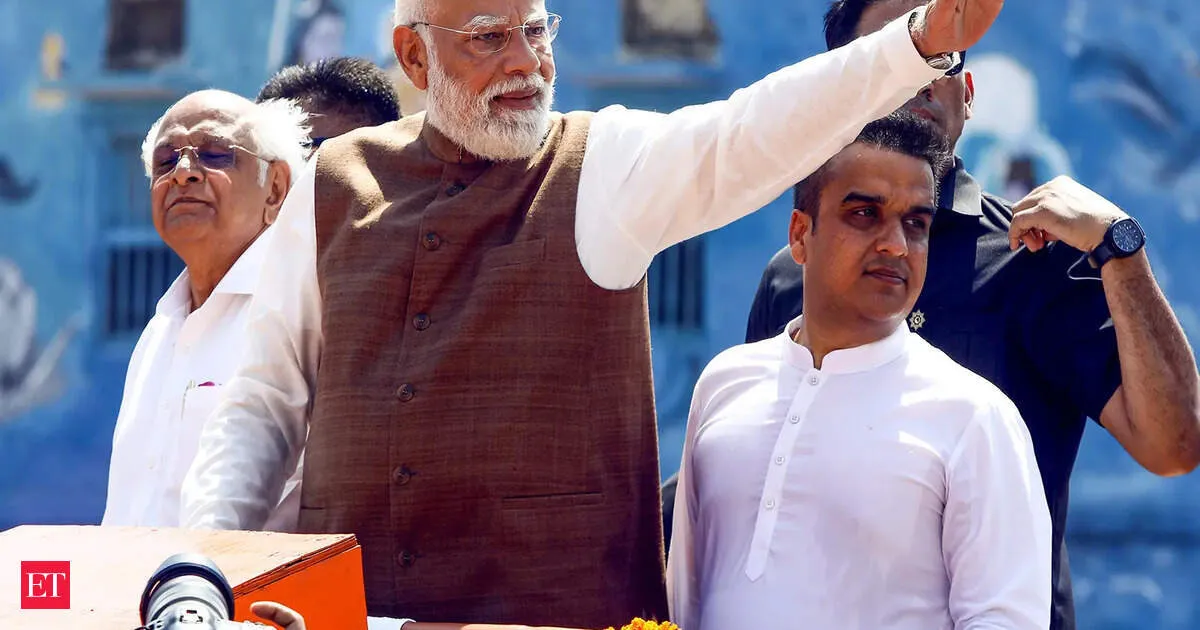
After Prime Minister Narendra Modi’s visit, India and the UAE struck a slate of deals announced by Foreign Secretary Vikram Misri in Abu Dhabi. The biggest energy move: the UAE will store up to 30 million barrels of crude oil in India’s Strategic Petroleum Reserve to bolster energy security. Alongside, UAE-linked investments worth $5 billion were committed, spanning banking and infrastructure funding. The agreements also cover strategic gas reserves, defense manufacturing cooperation, shipyard projects, and an 8-exaflop supercomputing facility for India’s AI push.
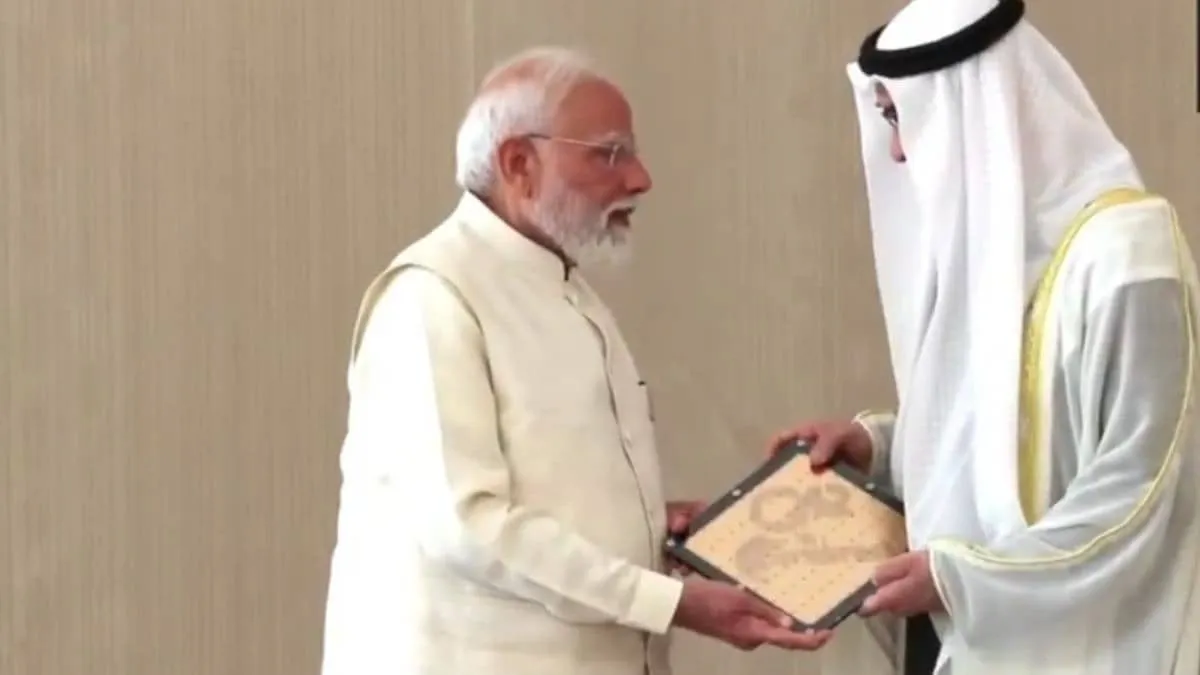
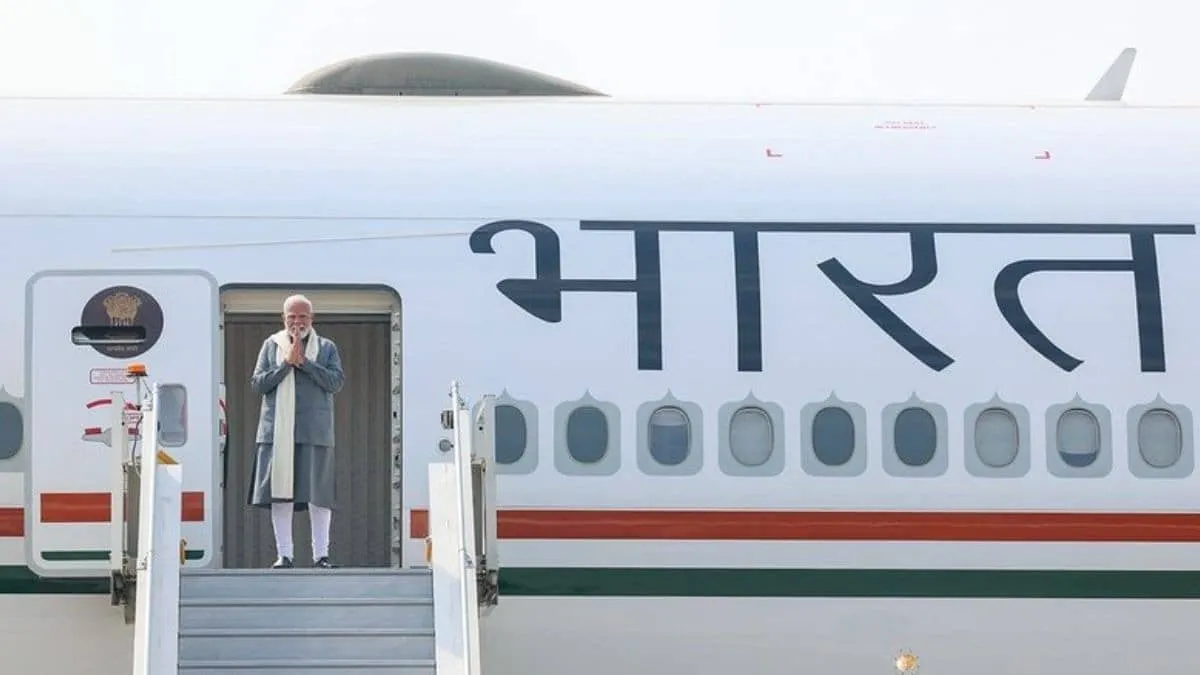
Prime Minister Narendra Modi’s visit to Abu Dhabi ended with multiple agreements covering defence cooperation, energy security and industrial infrastructure. India and the UAE agreed on a framework for a strategic defence partnership, signed an MoU on strategic petroleum reserves, and finalized LPG supply arrangements to bolster energy security. The UAE also announced $5 billion in investments in Indian infrastructure and financial institutions including RBL Bank and Samman Capital. Modi urged dialogue to manage West Asia tensions and stressed keeping the Strait of Hormuz open.
Your news, in seconds
Get the Beige app — every story in 60 words, updated hourly. Free on iOS & Android.
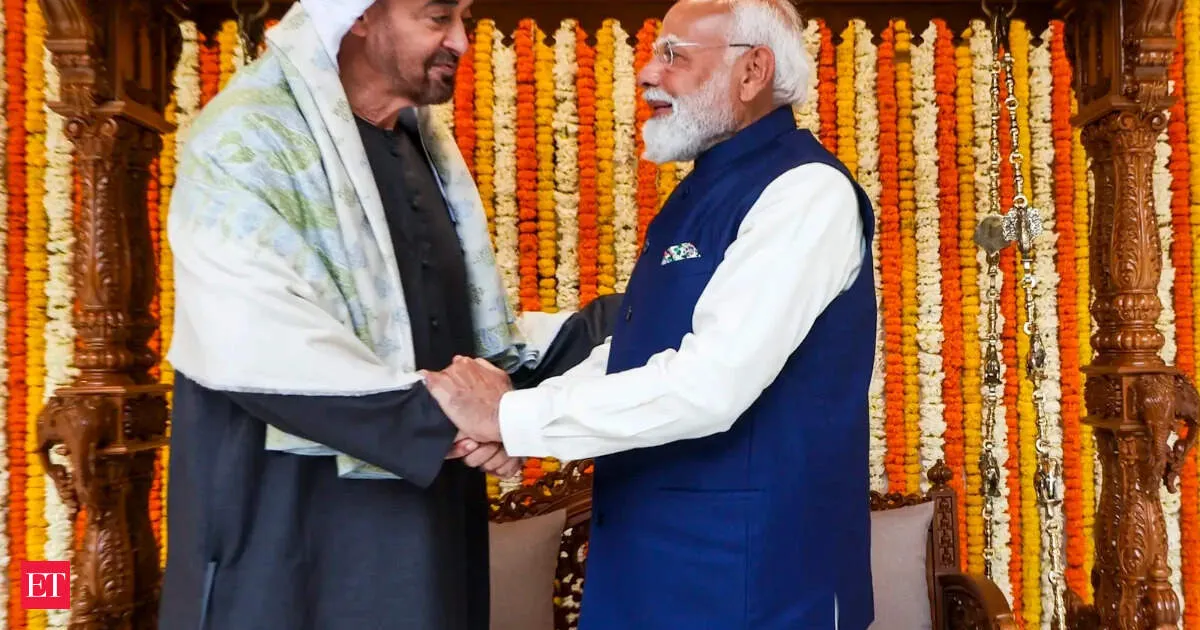
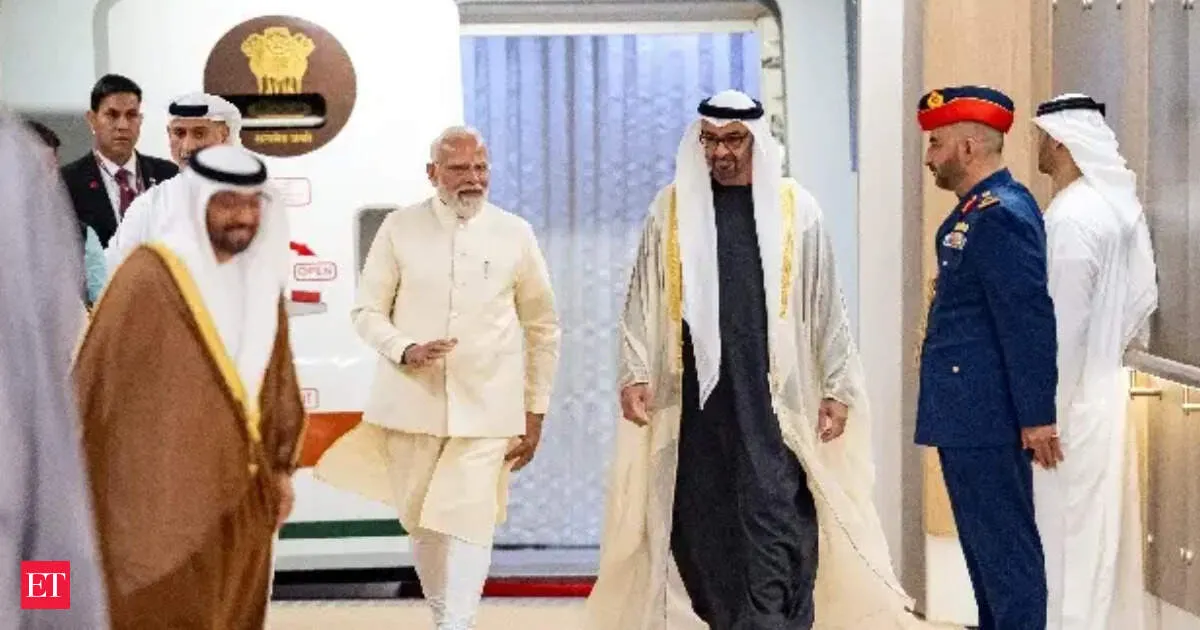
Prime Minister Narendra Modi met UAE President Sheikh Mohamed bin Zayed Al Nahyan in Abu Dhabi, pledging India’s “all possible support” to bring peace in West Asia shortly after arriving for his five-nation tour. Modi condemned attacks on the UAE while praising the country’s restraint. Discussions are expected to center on the India-UAE Comprehensive Strategic Partnership, with energy security likely taking center stage amid concerns over oil supplies and maritime trade routes, alongside wider regional geopolitical shifts.
Prime Minister Narendra Modi’s UAE visit delivers two energy pacts aimed at strengthening India’s fuel safety net. India’s IOCL agreed with ADNOC for expanded, long-term LPG shipments, building on the UAE’s role as nearly 40% of total LPG supply. In parallel, ISPRL and ADNOC will expand underground strategic crude storage, extending their 2018 Mangaluru partnership. The deals come as Strait of Hormuz disruptions raise global oil pressure, and the UAE’s OPEC+ exit helps enable direct contracts.
As the Iran war disrupts shipping through the Strait of Hormuz, India and parts of Southeast Asia are accelerating biofuel adoption to curb expensive imported oil and LPG. In New Delhi, consumers report LPG delays and black market prices soaring threefold. In Chennai, drivers complain that ethanol-blended gasoline is worsening car mileage as ethanol becomes the default blend at pumps. India is weighing higher ethanol blends up to 85% or even 100%, while experts warn supply-chain delays and food-versus-fuel environmental impacts.
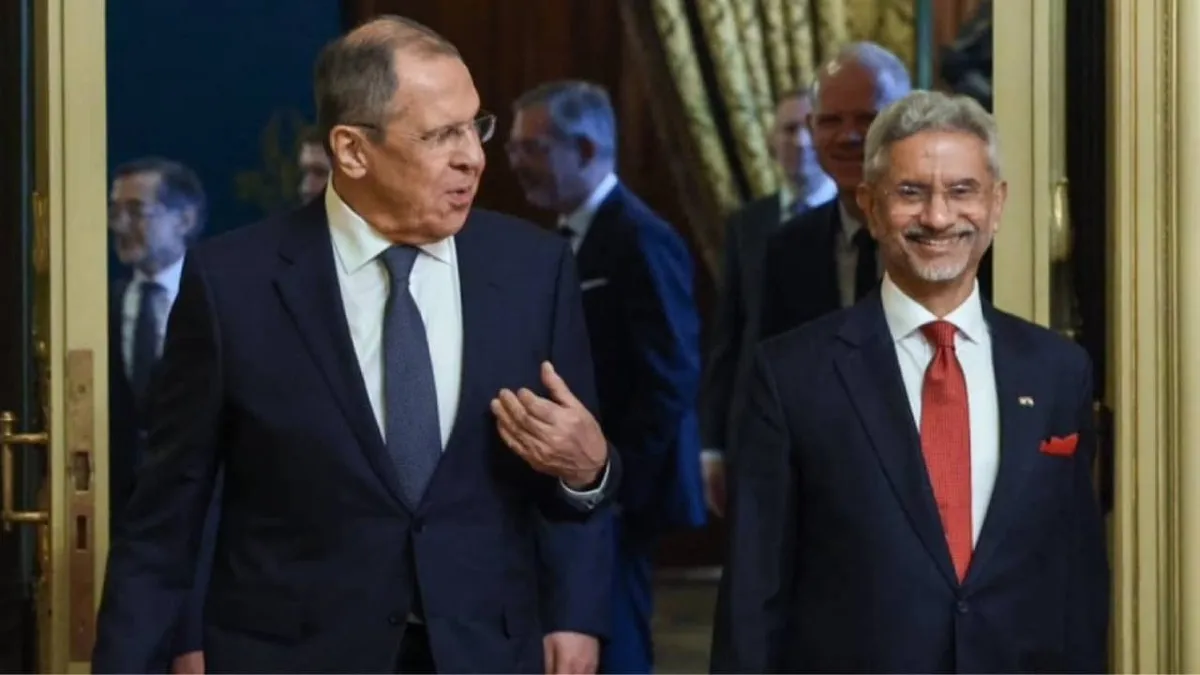
Russian Foreign Minister Sergey Lavrov told RT India that India’s interests in Russian energy supplies will not be affected, even as he accused the United States of “unfair competition.” Ahead of a visit for the BRICS Foreign Ministers’ Meeting, Lavrov alleged Washington seeks to dominate and “seize all energy routes” globally, pressuring countries that maintain ties with Russia. He also criticized Europe for dropping Russian contracts, arguing bans are politically driven and will force higher-cost imports of US LNG.
Never miss a story
Set alerts for the topics and sources you care about. Download Beige for free.
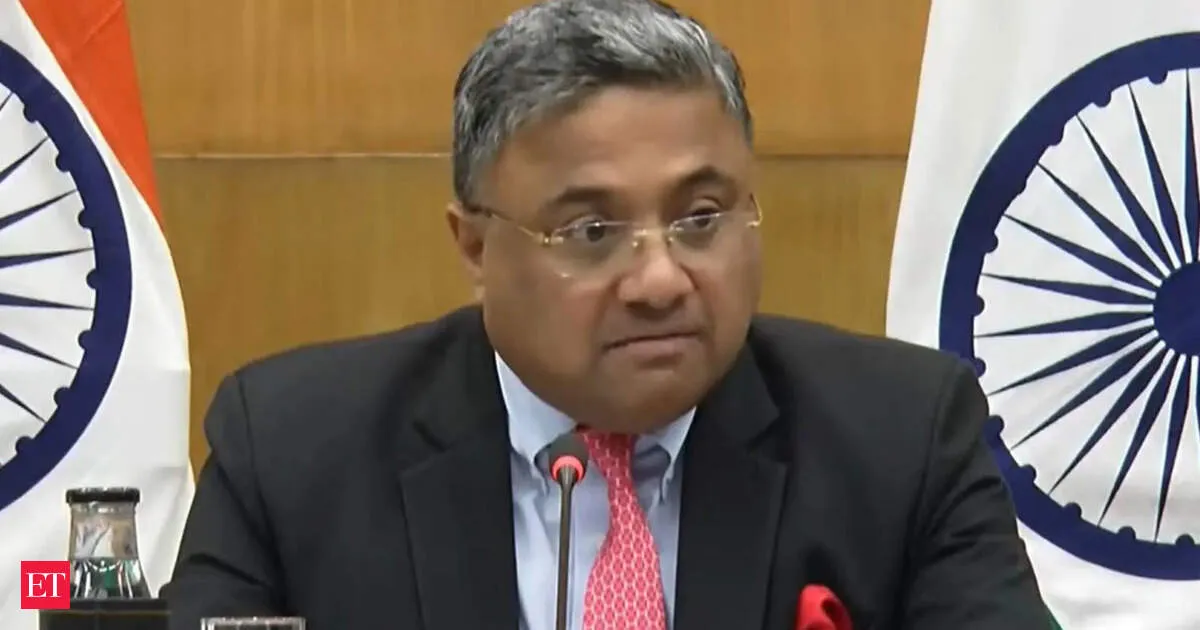
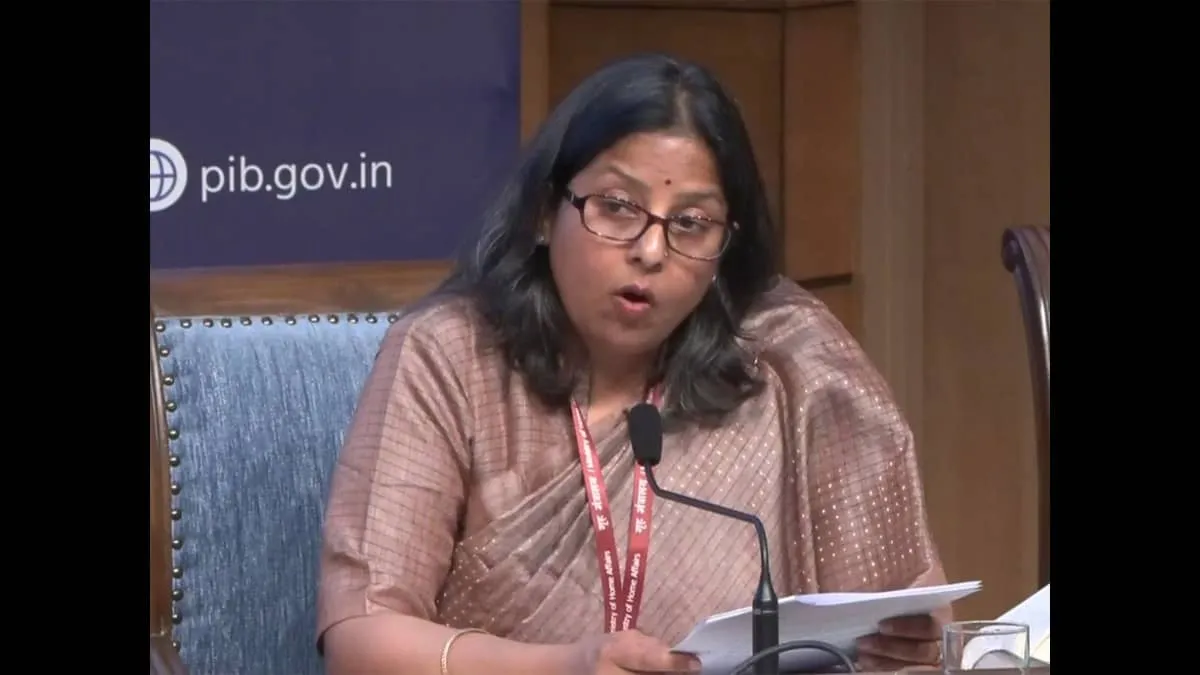
Prime Minister Narendra Modi will begin a five-nation tour from 15 to 20 May, starting in the UAE before moving to the Netherlands, Sweden, Norway, and Italy. MEA Secretary (West) Sibi George said the agenda is built around strengthening the Comprehensive Strategic Partnership with the UAE and expanding cooperation in energy, defence, and technology. The Netherlands leg highlights semiconductors and IMEC, while Norway and the Nordic summits focus on the Blue Economy, AI, resilient supply chains, and the green transition.
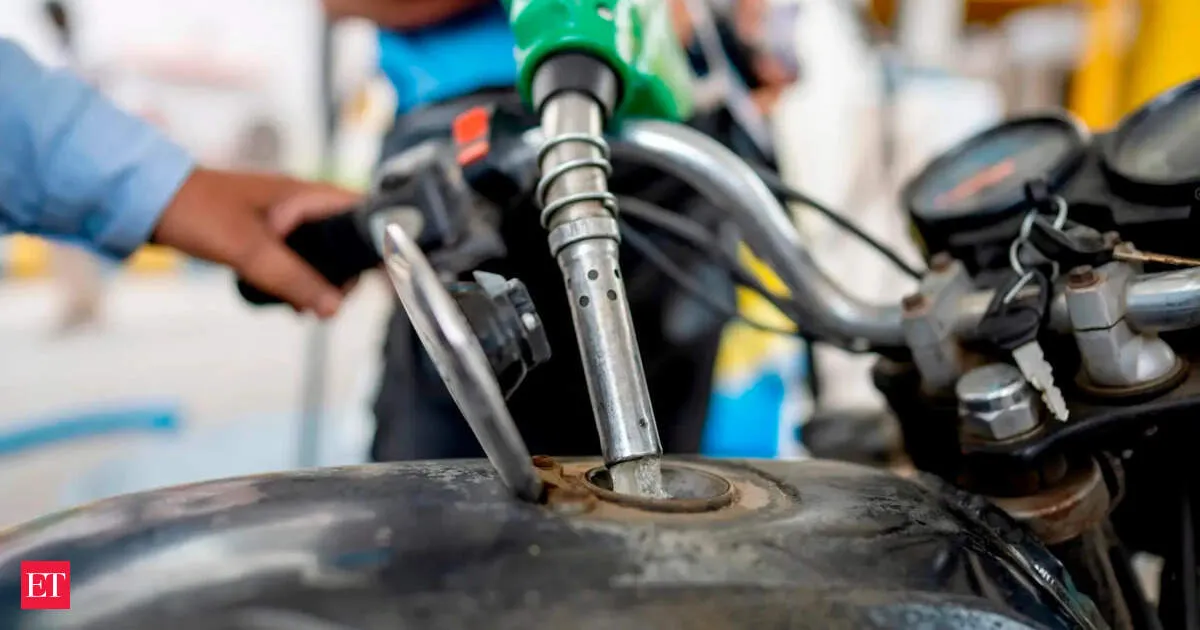
State-owned oil marketing companies are bleeding under massive losses to keep petrol, diesel and cooking gas rates far below cost after the Middle East conflict began. Estimates put under-recoveries at Rs 1,600–1,700 crore per day, pushing total losses to well over Rs 1 lakh crore in just 10 weeks. Even with input crude prices up by about 50%, petrol and diesel are still sold at two-year-old rates, forcing financial pressure, possible extra borrowing and potential future price hikes.
Prime Minister Narendra Modi will travel May 15-20 to the UAE, Netherlands, Sweden, Norway, and Italy in a tightly timed push for energy security amid West Asia tensions and the closure of the Strait of Hormuz, which has rattled global fuel markets. The tour starts in Abu Dhabi for energy-focused talks with UAE President Mohamed bin Zayed Al Nahyan. It then moves to the Netherlands for broader strategic cooperation, and to Sweden and Norway for the 3rd India-Nordic Summit on green hydrogen, the blue economy, and Arctic ties.
Two LPG cargo vessels carrying supplies for India have safely crossed the Strait of Hormuz and are expected to reach Indian ports in the coming days. The move comes amid an ongoing West Asia crisis, highlighting the Centre’s push to protect energy deliveries and keep fuel supply uninterrupted even as regional risks remain elevated.
Reading on mobile?
Open Beige in the app for a smoother experience — free on iOS and Android.
India’s geothermal resources are estimated at 11,000 GW, with the potential to support electricity, cooling, and industrial heat while creating up to 700,000 jobs. After slow progress in the past, new technologies and policy momentum are making large-scale geothermal projects more realistic. Geothermal could also strengthen energy security with minimal environmental impact and independence from weather swings.
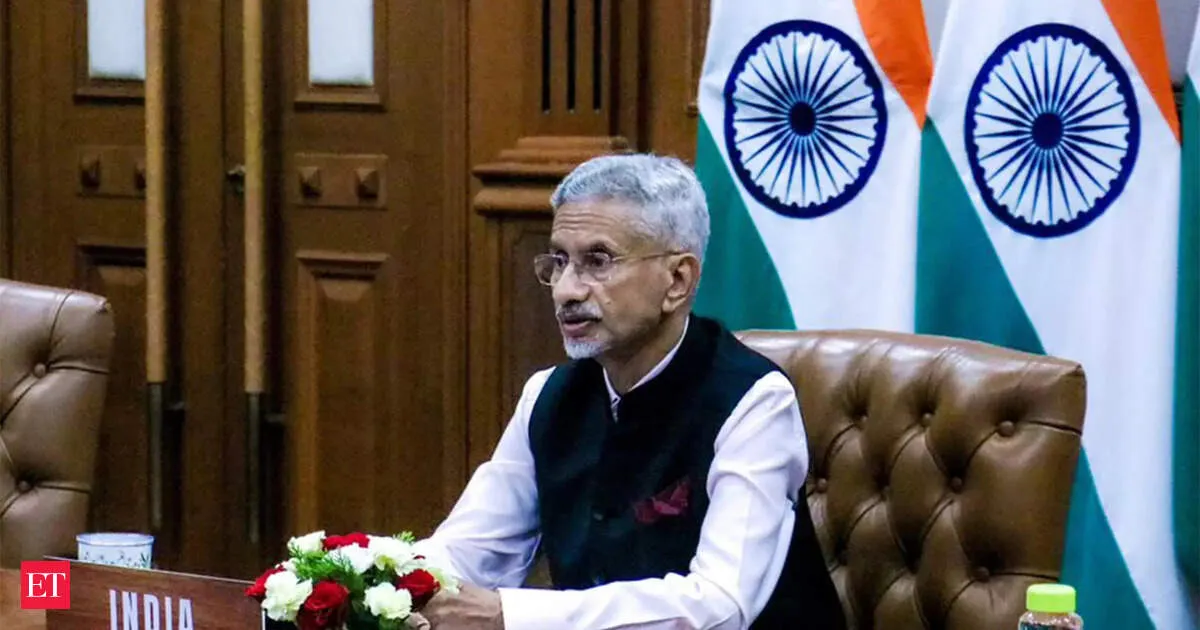
External Affairs Minister S Jaishankar said BRICS can help countries struggling with energy supplies, food and fertilizer availability, and health security. His remarks came as the bloc meets amid geopolitical conflict and economic uncertainty. Emerging markets are looking for BRICS to stabilize conditions while talks cover development, resilience, climate, technology, and shared security priorities including counterterrorism.
India is fast-tracking a deep-sea gas pipeline linking Oman to Gujarat, aiming to secure steadier supplies and cut dependence on volatile LNG markets. The roughly ₹40,000 crore project is expected to take 5 to 7 years and is designed to reduce India’s exposure to maritime choke points, including risks highlighted by disruptions around the Hormuz Strait.
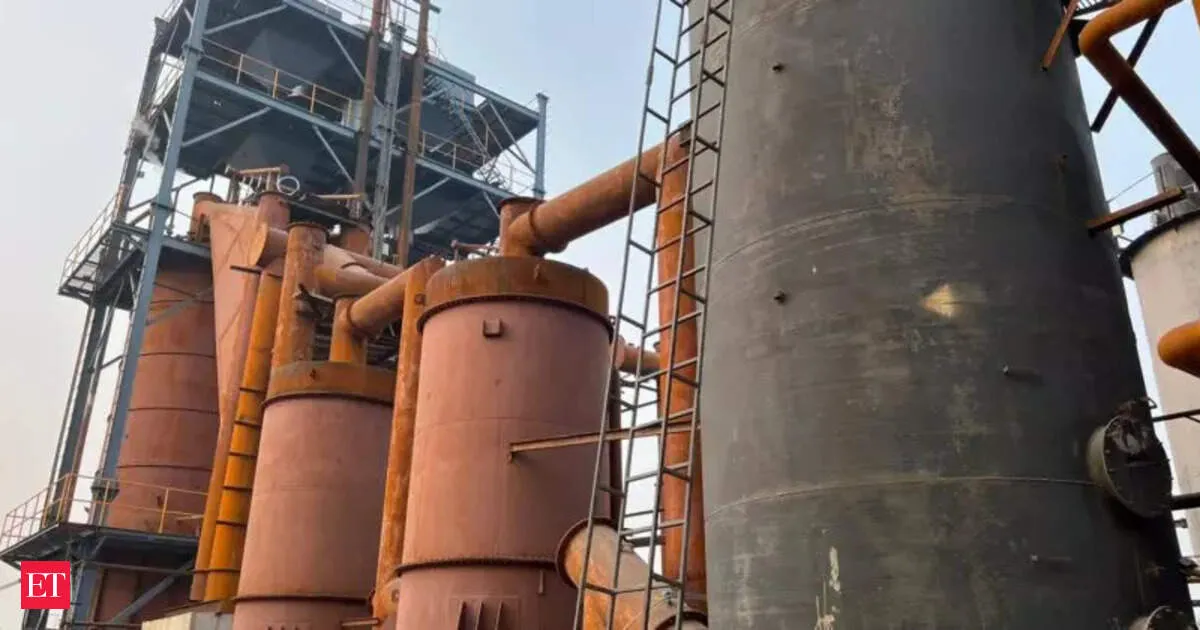
India has cleared a Rs 37.5k crore coal gasification scheme aimed at boosting energy security. Support to developers will cover up to 20% of plant and machinery costs via competitive bidding, with incentives released in four equal, milestone-linked instalments. The scheme also sets strict ceilings: Rs 5,000 crore per project, Rs 9,000 crore per product (with exceptions), and Rs 12,000 crore per entity group.
Follow your favourite sources
Track sources, tags and categories — all in the Beige app.
Prime Minister Narendra Modi’s upcoming visit to the UAE is expected to focus on energy security, with sources pointing to likely agreements on Liquefied Petroleum Gas and Strategic Petroleum Reserves. The cooperation comes as the UAE moves on from OPEC+, and officials say the talks will also strengthen trade and investment while addressing priorities for the Indian diaspora.
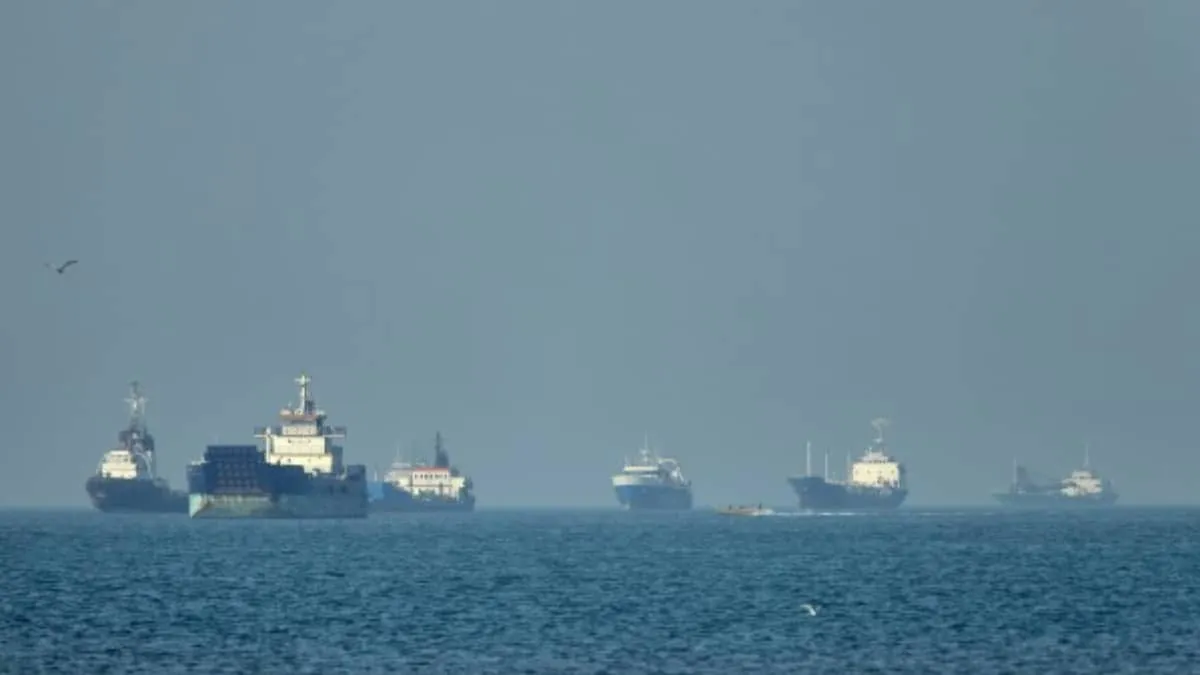
The Strait of Hormuz closure earlier this year triggered severe global disruption, cutting off a key route for oil supplies and exposing vulnerabilities in oil-importing nations. India shielded consumers from fuel price spikes by deploying emergency steps, diversifying sourcing, and using subsidies, even as crude prices surged and oil firms reported major losses.
Experts say India should rapidly expand domestic coal gasification to reduce vulnerability to global energy shocks. By converting dry coal into syngas, the process can support alternative fuel use while lowering carbon emissions. The move is also framed as a step toward energy security and import substitution, with downstream benefits for critical sectors such as fertilizers.
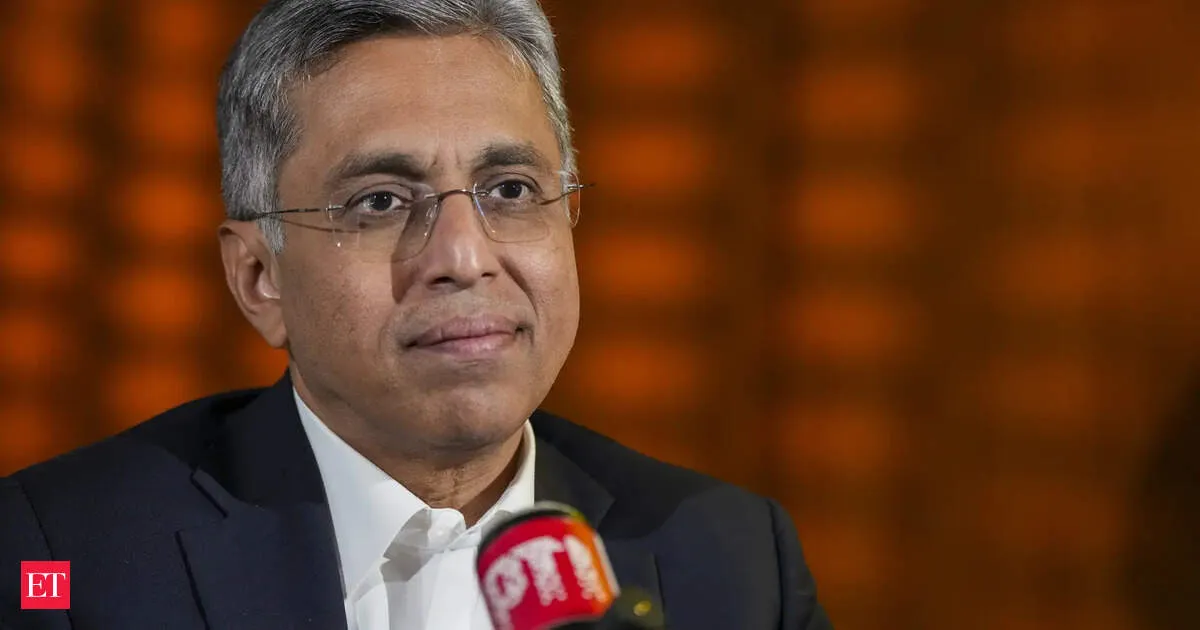
Prime Minister Narendra Modi urged Indians to conserve fuel to strengthen energy security, calling for less petrol and diesel use through public transport, carpooling, and electric vehicles. He also asked citizens to delay gold purchases and foreign travel for a year. Mahindra Group CEO Anish Shah praised the move, saying it can speed the shift to cleaner energy.
Stay informed on the go
Bite-sized news from 100+ trusted sources, right in your pocket.
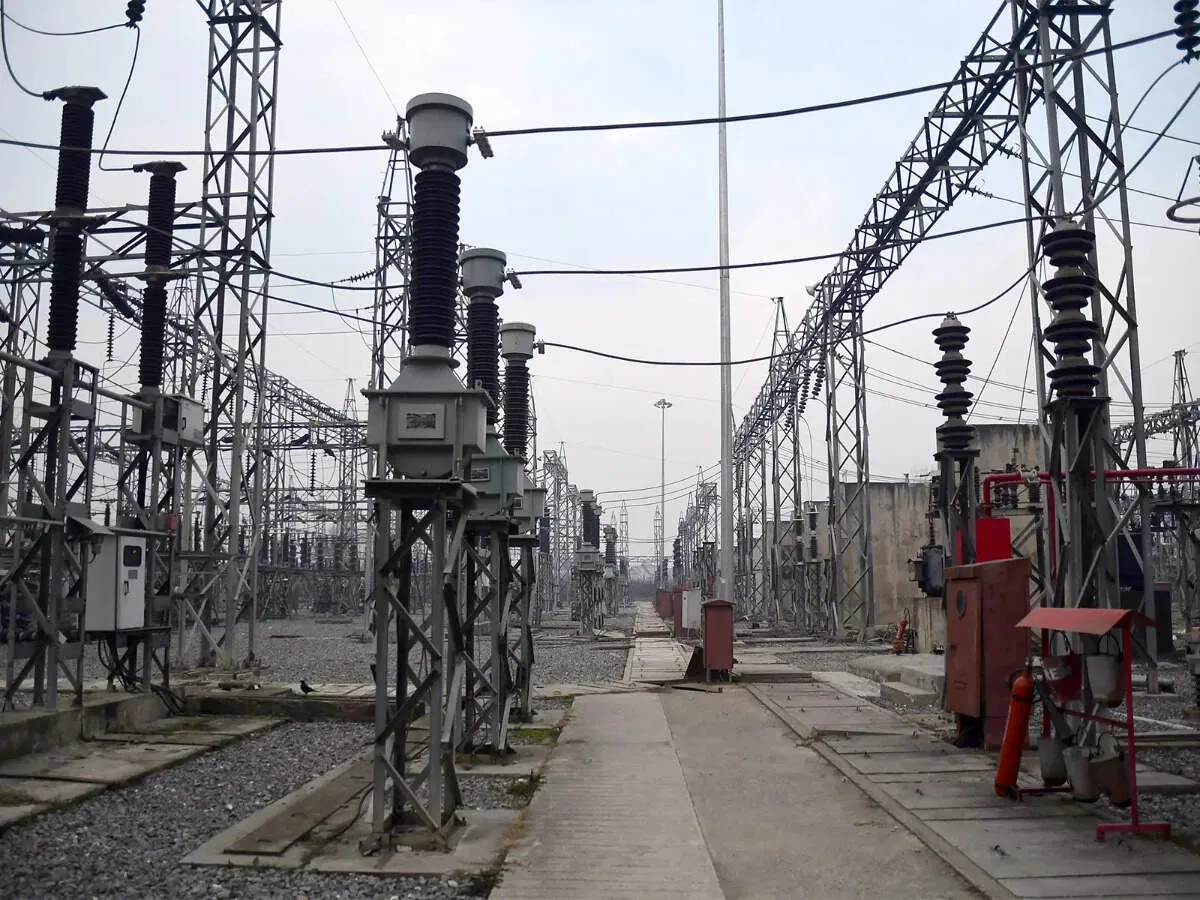
Uttar Pradesh has flipped its electricity narrative, moving from long blackouts to near round-the-clock supply that can meet record demand. The shift is credited to sustained infrastructure investment, governance reforms, and rapid renewable energy expansion. The result: a state increasingly seen as a blueprint for energy transformation and faster economic growth.
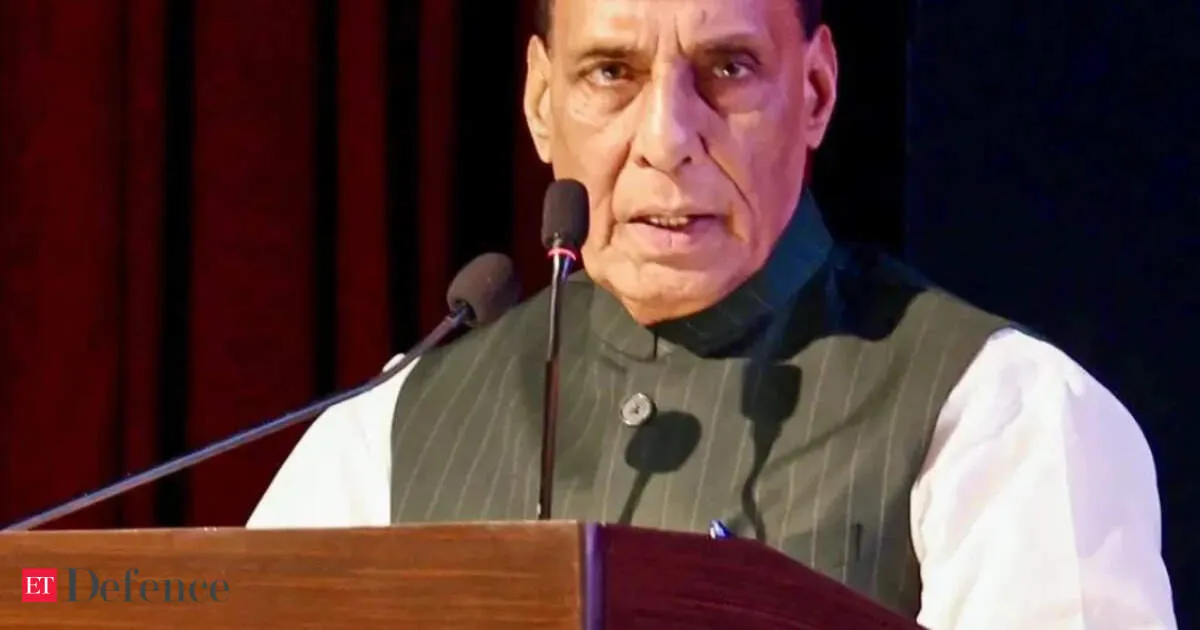
Amid instability in West Asia, Defence Minister Rajnath Singh said India is taking concrete steps to protect key supply chains and maintain reliable energy for citizens. He chaired a meeting focused on maritime security and economic resilience, noting the country’s petroleum reserves and urging fuel conservation to reduce financial pressure as global risks mount.
Swipe through stories, personalise your feed, and save articles for later — all on the app.