London-based Lightrock has launched Accelerate7, a $500 million private equity fund aimed at scaling companies tackling energy access and clean cooking across South Asia, Southeast Asia and Sub-Saharan Africa. The fund will invest $10 million to $50 million in growth-stage businesses focused on electricity access, electric mobility, energy storage and clean cooking. Accelerate7 is backed by investors and energy firms including Shell, TotalEnergies and Equinor, and has already backed SolarSquare, Sun King, Euler Motors and ATEC Global.
Oil and Natural Gas Corporation is considering a new ₹200 crore alternative investment fund to incubate startups working at the intersection of energy and AI/ML. ONGC has invited applications to appoint two advisors for 12 months, tasked with due diligence, valuation negotiations, portfolio monitoring, and exit strategy. The move follows earlier ONGC startup funding and aligns with growing public-sector innovation in clean tech and industrial AI.
Your news, in seconds
Get the Beige app — every story in 60 words, updated hourly. Free on iOS & Android.
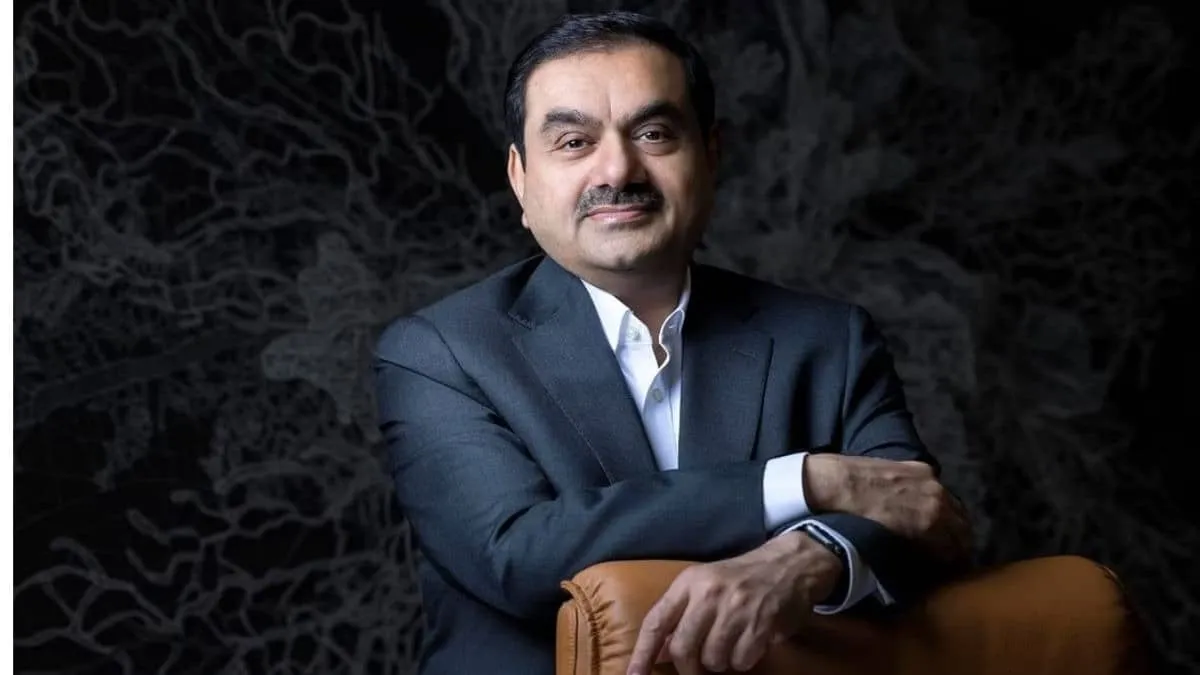
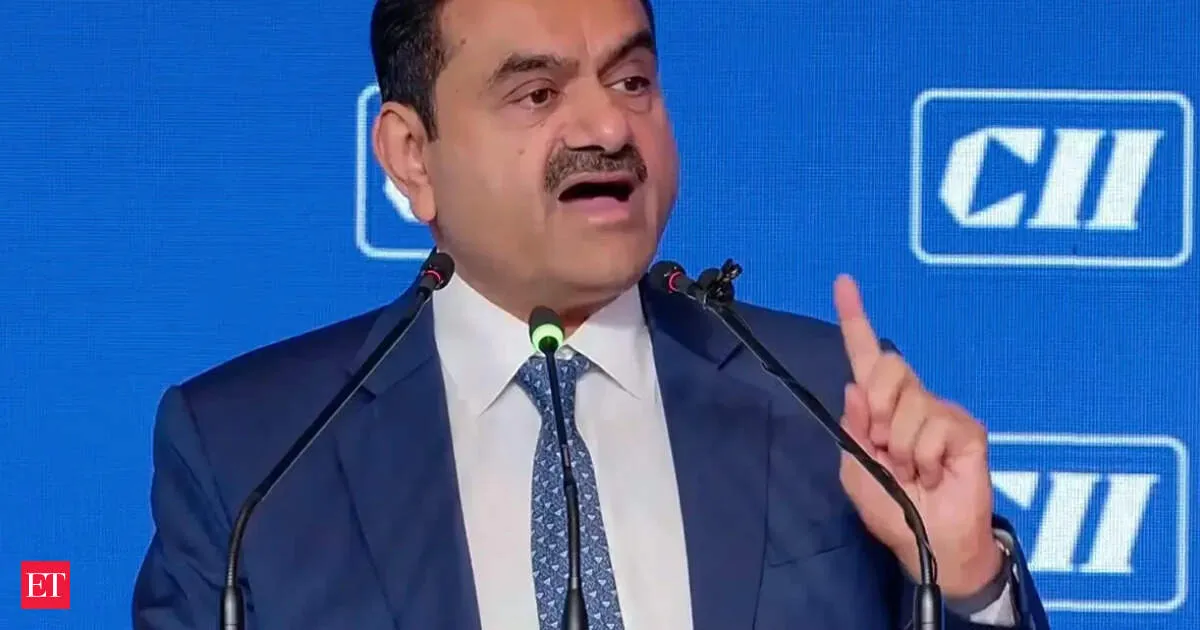
Gautam Adani unveiled a $200 billion roadmap aimed at securing India’s energy and digital sovereignty, arguing that national power now rests on controlling both “energy and compute.” Speaking at the CII Annual Business Summit 2026, Adani said the plan includes $100 billion for the energy transition and $100 billion for data center infrastructure, to reduce dependence and strengthen AI readiness.
Gautam Adani has urged India to build, power, and own its own AI infrastructure on home soil, arguing the country should not “rent” its intelligence future. He links AI ambitions to energy and digital capacity, saying India’s scale is a powerful advantage. Adani Group, he notes, is already investing in energy transition and digital infrastructure.
The UAE has exited OPEC and OPEC+, dealing a major blow to long-running Saudi influence over regional oil markets. Analysts frame the move as a “political rebellion,” driven by the UAE’s push for market share and an independent foreign policy toward the US, Israel and Asia. The strategy also targets monetizing oil reserves before they become stranded assets and using proceeds to fund a green transition.
UN climate chief Simon Stiell says the war in West Asia is triggering an oil price shock that is squeezing the global economy and accelerating the transition to renewable energy. Speaking at an IEA energy transition meeting in Paris, Stiell described a “fossil fuel cost crisis” that has effectively tightened its grip, giving renewables an unexpected boost.
Never miss a story
Set alerts for the topics and sources you care about. Download Beige for free.
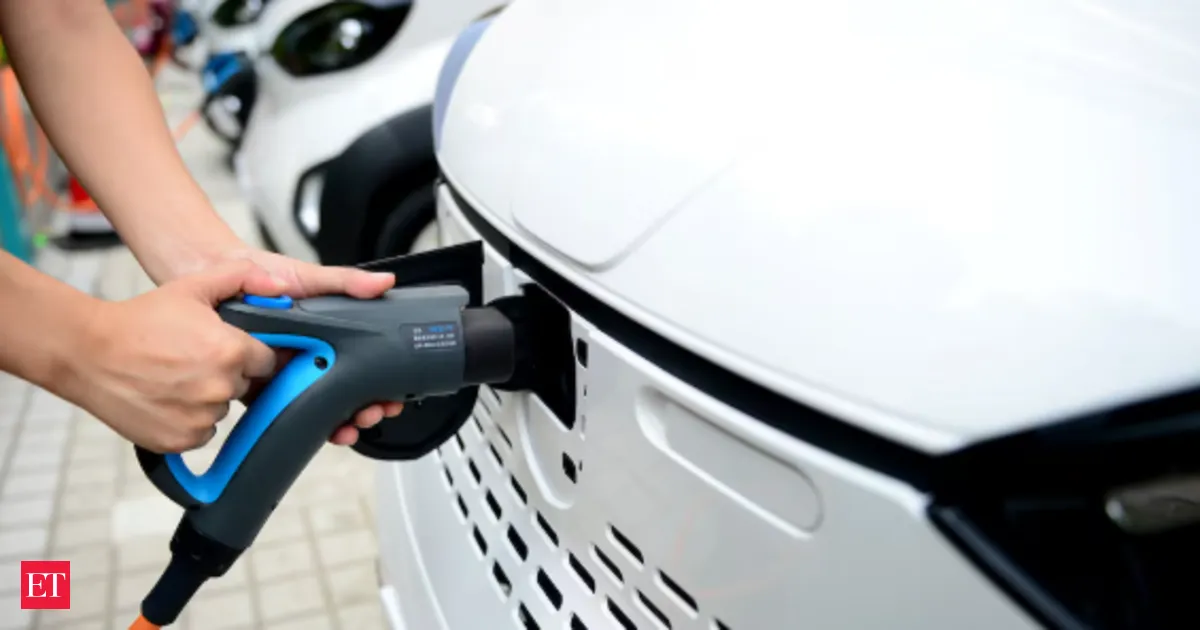
Tensions involving the U.S. and Israel with Iran are accelerating Asia’s pivot from fossil fuels toward electrification, especially electric vehicles and battery storage. The reported risk to oil and LNG supplies is driving investment and adoption, with the biggest momentum expected in two- and three-wheeler EVs and battery systems across Southeast and South Asia.
France has released a detailed roadmap to stop using fossil fuels across its economy. Coal is slated to end by 2030, oil by 2045, and gas by 2050—each with a firm deadline. The plan was announced at an international conference in Santa Marta, Colombia, aimed at accelerating the shift away from planet-heating fuels.
India’s Ministry of Coal has signed Coal Mine/Block Production and Development Agreements for four mines in the 14th commercial auctions, and for the first time those contracts embed Underground Coal Gasification provisions. The move could unlock deep and unworkable coal for syngas, with knock-on benefits for fertilisers, chemicals, and cleaner energy—while scaling India’s broader coal auction momentum.
Adani Green Energy plans a major battery storage expansion, aiming to add up to 15,000 GWh of capacity each year. The company says the investment will strengthen India’s energy transition by smoothing peaks, improving reliability, and enabling round-the-clock delivery of renewable power. The scale of the rollout signals a push to make clean energy dependable as demand rises.
Reading on mobile?
Open Beige in the app for a smoother experience — free on iOS and Android.
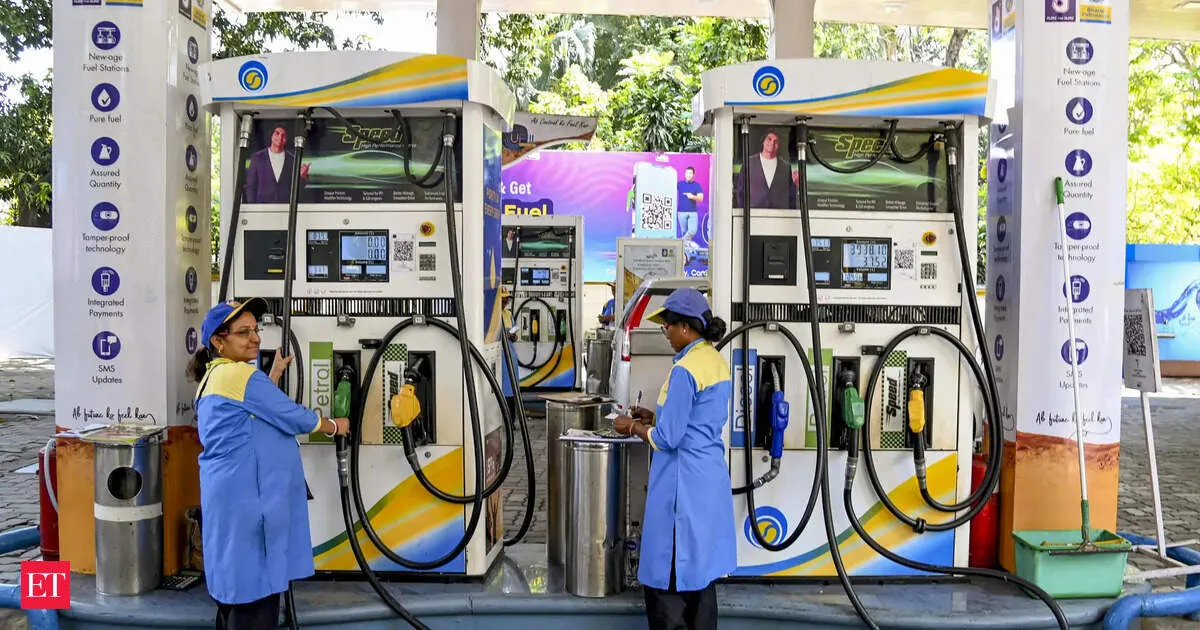
India is rapidly reducing reliance on petrol and diesel, pointing to a post-fossil-fuel transport future. Economic pressures, climate goals, and energy security concerns are driving adoption of ethanol, hydrogen, and electricity. New policy moves, including formal recognition of higher-ethanol fuels, could change what consumers see at pumps and how the auto industry prepares for the shift.
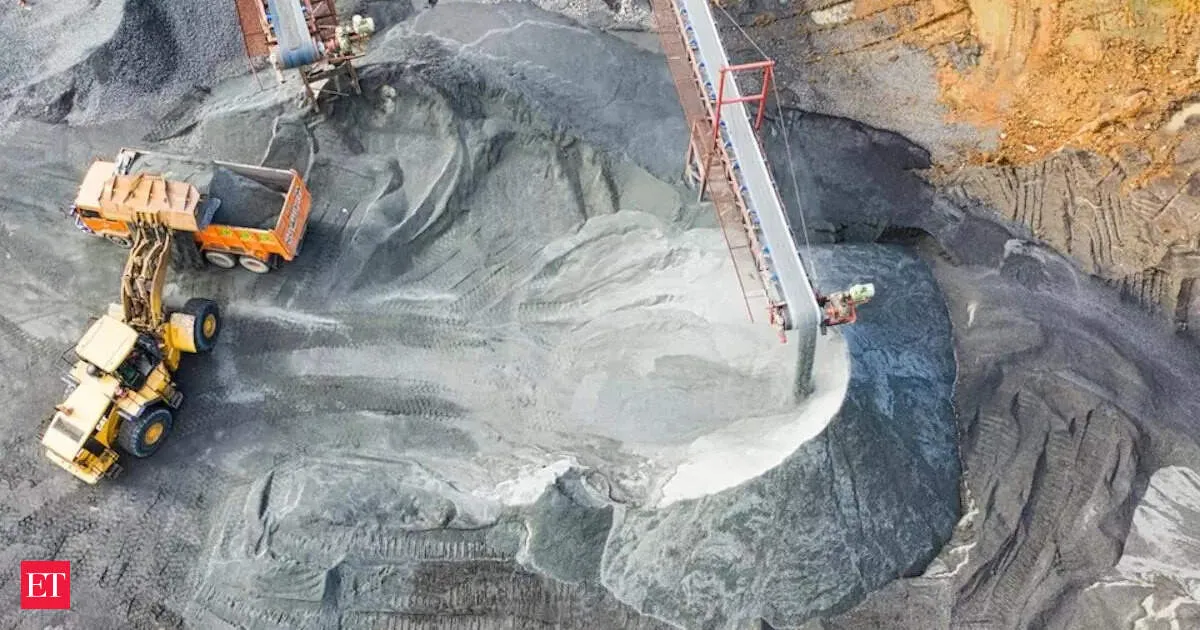
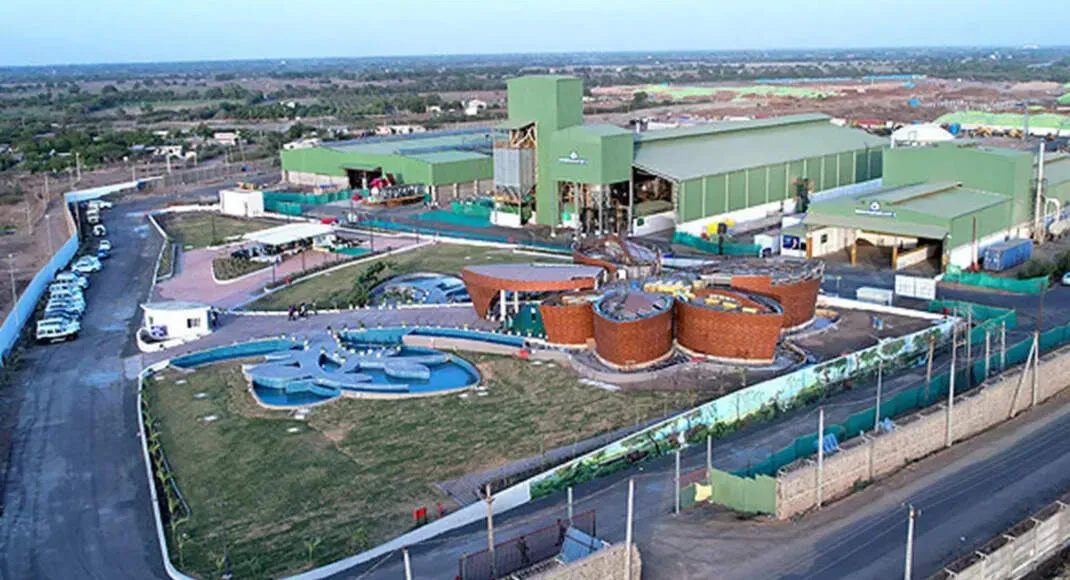
A new lithium operation in western Finland is the first in Europe designed to cover the full chain of lithium production, from mining through refining. Ore is crushed at the site, processed into a sand like concentrate at a nearby concentrator plant, then shipped for battery quality lithium hydroxide production—potentially tightening Europe’s supply for batteries.
Adani Green Energy plans to invest Rs 15,000 crore in FY27 to add over 10 gigawatt-hours of battery storage. Built alongside its renewable energy park in Khavda, Gujarat, the storage is designed to supply power during peak demand and smooth the intermittency of renewables—effectively helping clean energy run closer to round-the-clock.
NTPC is drawing up an ambitious green hydrogen roadmap to diversify into clean energy, but early movers face sharp headwinds. Technology uncertainty, high pricing, limited local electrolyser manufacturing and still-maturing regulations could slow scale-up and raise costs. The bet hinges on how quickly costs fall and standards solidify enough for projects to move beyond pilots.
Follow your favourite sources
Track sources, tags and categories — all in the Beige app.
NTPC argues it is building a “bridge” between dependable coal generation and future renewables, insisting the transition won’t happen overnight. The stance raises a pointed question: can a company expanding major coal capacity truly position itself as a clean energy leader, or is it simply prolonging fossil dependence while renewables remain a long-term promise?
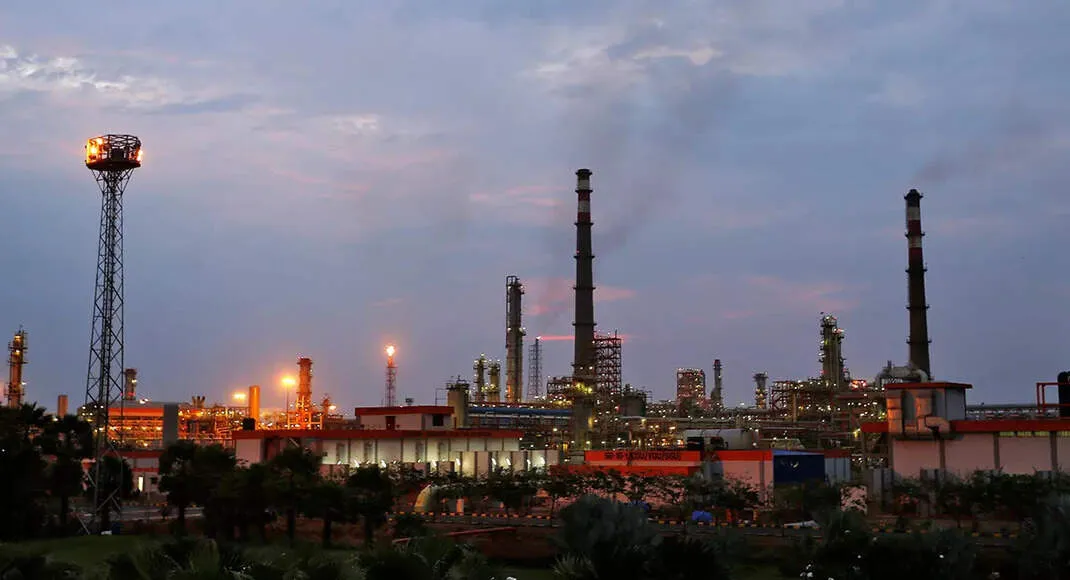
Reliance Industries is repositioning its energy strategy, moving from offshore gas extraction to building a green power future around Jamnagar’s giga-scale ambitions. The shift reframes older assets like KG-D6 as “fading fumes,” while new solar-driven plans promise cleaner electrons and a new growth narrative for the company’s next phase.
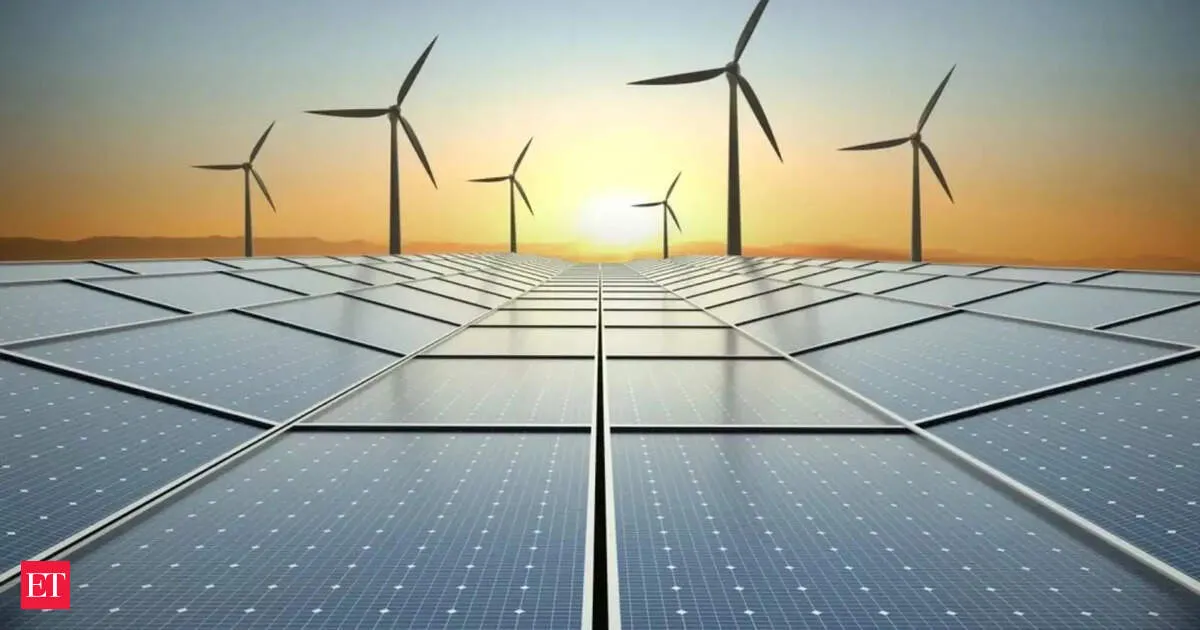
India can generate wind and solar at increasingly low costs, but renewables still cover only a little above a fifth of the country’s electricity needs. With demand rising steadily, the transition will require a dramatic, unprecedented increase in renewable capacity to move fast enough toward a greener energy system—meaning fossil fuel reliance may last longer.
The Global Wind Energy Council’s 2026 Report says wind power kept expanding despite supply shocks and fast-rising oil and gas prices. It projects global wind installations rising 40% in 2025, positioning wind as a steady driver of the energy transition. The industry’s growth suggests it can help offset broader energy stress rather than intensify it.
Stay informed on the go
Bite-sized news from 100+ trusted sources, right in your pocket.
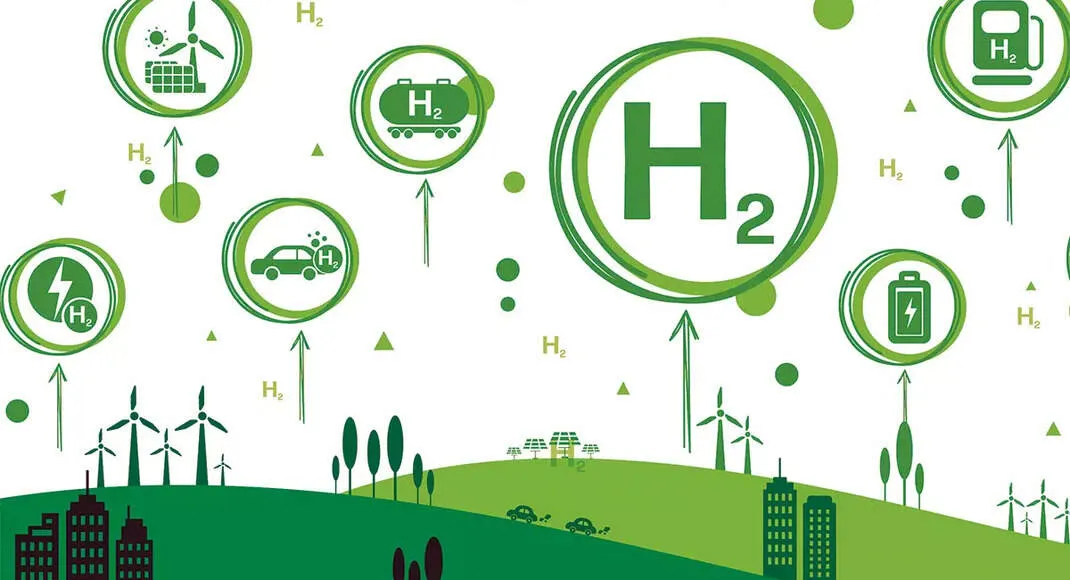
Green hydrogen’s high cost remains the biggest obstacle to mainstream adoption, pushing Indian startups to build indigenous, cost-efficient technology. Even with unorthodox collaborations and deals, scaling is the real test—access to capital, value-chain bottlenecks, and finding and retaining skilled talent could determine whether these solutions can move beyond pilots.
Global supply chains are showing fresh stress as inventories run low, disrupting manufacturing and even international aviation operations. While oil markets may see short-term volatility, the bigger concern is whether energy systems can stay resilient long term. India’s energy exposure is framed as temporary, with electrification likely reducing risk as the global economy narrows its margin for error.
Swipe through stories, personalise your feed, and save articles for later — all on the app.