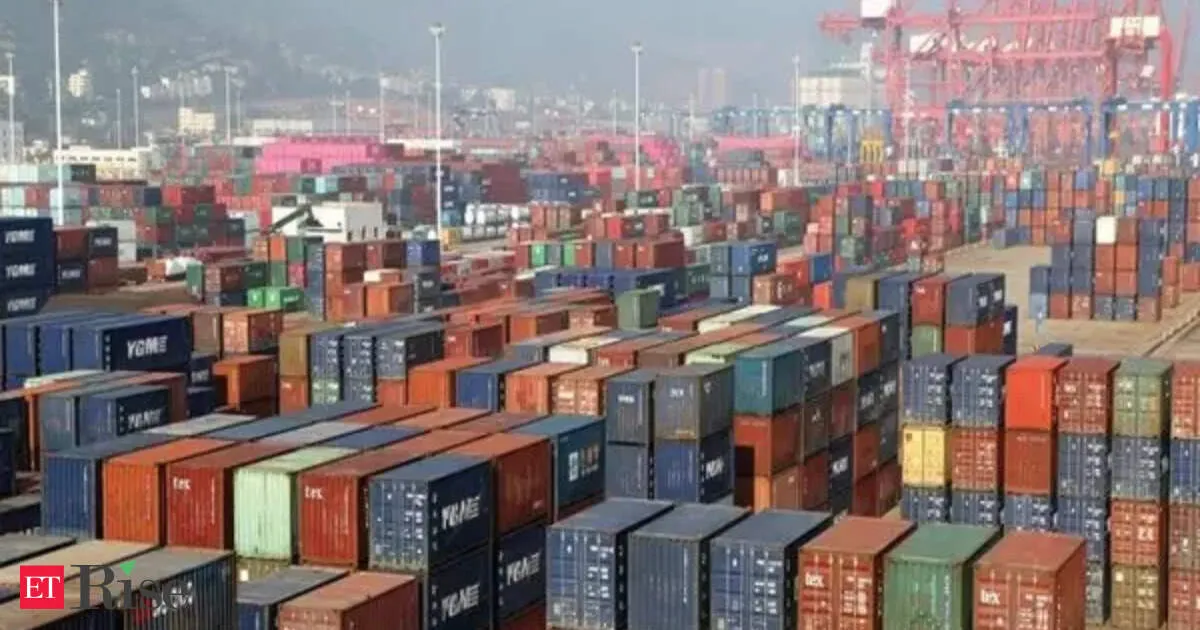
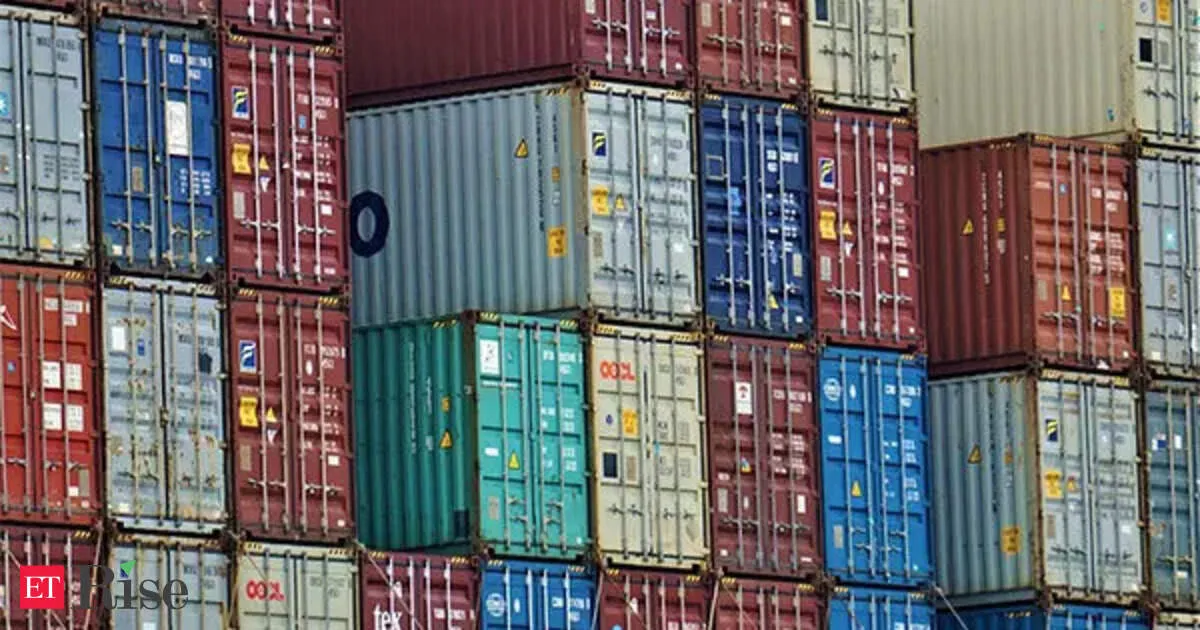
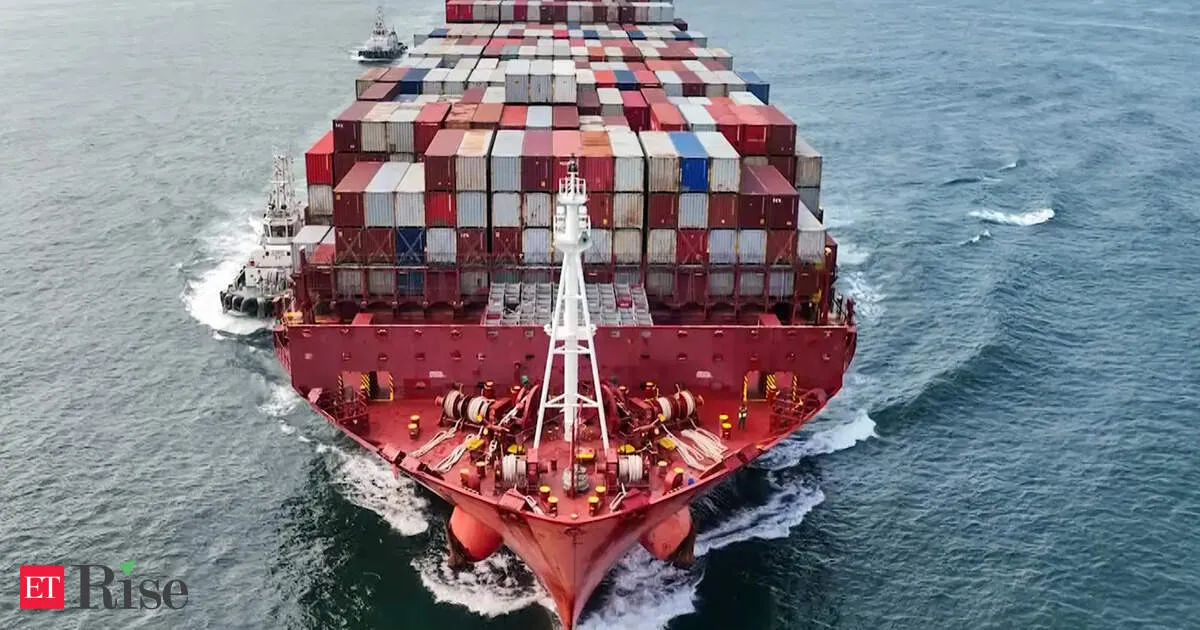
India’s engineering exports to New Zealand are expected to double within five years, with shipments projected to reach USD 280–300 million. The shift is driven by a new free trade agreement that offers zero-duty market access for all Indian goods, aiming to strengthen the engineering sector and expand opportunities for MSMEs through easier, cheaper exports.
Indian engineering exports reached a record US$122.43 billion in FY26, with the US remaining the biggest destination even amid tariffs. Shipments to West Asia and North Africa fell 51% amid rising regional tensions. While exports to the UAE and Saudi Arabia declined, Germany, the UK, and China powered growth.
Your news, in seconds
Get the Beige app — every story in 60 words, updated hourly. Free on iOS & Android.
Indian engineering exports are set to end FY26 with a 4.86% rise to $122.4 billion, powered by vehicles, copper and steel. However, March performance faced heavy disruptions as the West Asia crisis interfered with cargo routes, sharply affecting shipments to the UAE and Saudi Arabia and creating uncertainty for near-term trade flows.
India’s engineering export outlook is under renewed strain as West Asia conflict disruptions persist despite a fragile ceasefire. While the pause offers limited relief, shipping route disruptions and rising input costs—especially petrochemical derivatives and LPG—are hurting production and shrinking export volumes. Industry players warn that volatility could keep pressure on manufacturing far longer than traders expect.
Indian engineering exports fell sharply in March, with shipments to the UAE down 66.8% and to Saudi Arabia dropping 45%. The downturn is linked to a West Asia crisis that disrupted cargo ship movements. Even with these regional shocks, engineering exports rose overall in March and across the 2025-26 fiscal year, while the US remains the top destination.
Indian engineering exports surged past $10 billion in February 2026, recording double-digit growth despite geopolitical tensions and global economic slowdown. Shipments gained momentum across key destinations, with China emerging as a standout market as volumes doubled. Strong performance was also seen in other major regions including Saudi Arabia and the UK, helping sustain the export rebound.
Never miss a story
Set alerts for the topics and sources you care about. Download Beige for free.
Indian engineering exports reached a record $122.43 billion in FY25-26, a milestone credited to government support and trade agreements. The sector posted strong growth even as geopolitical tensions and changing trade policies threatened demand. EEPC’s Chadha highlighted the industry’s resilience and ability to adapt quickly to shifting global conditions, keeping momentum strong into FY26.
Swipe through stories, personalise your feed, and save articles for later — all on the app.