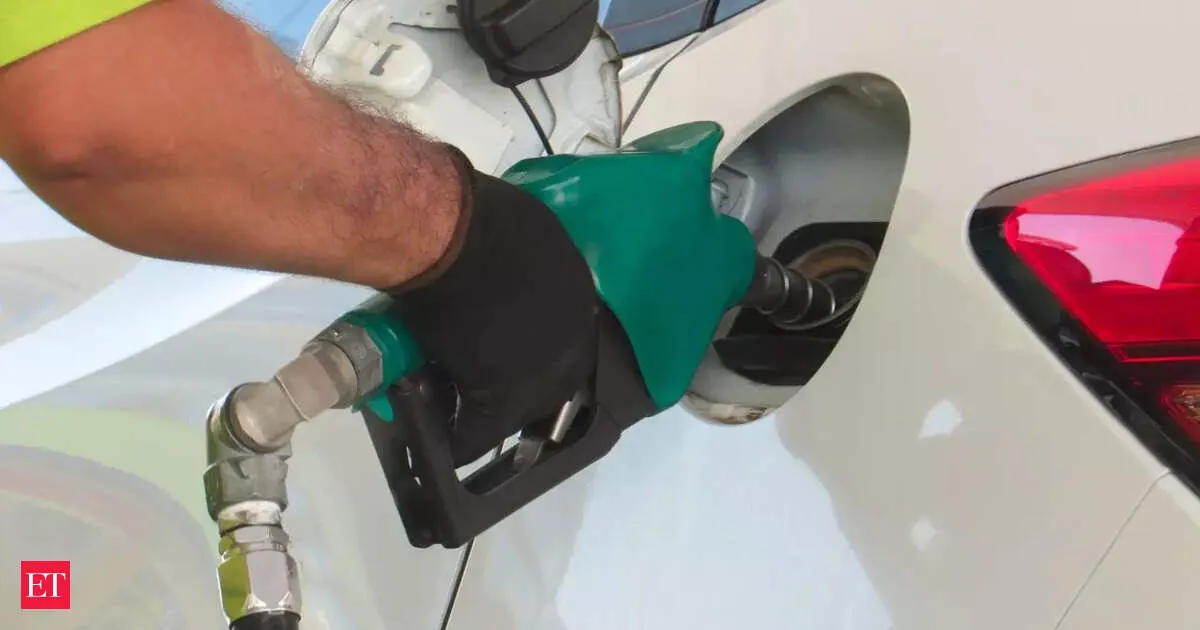
Prime Minister Narendra Modi asked Indians to use petrol, diesel, and gas with restraint, arguing that limiting imports can save foreign exchange. He linked excess dependence on imported petroleum to reducing exposure to war-related disruptions. Modi also highlighted India’s progress in solar power and ethanol blending, and inaugurated and laid foundations for projects worth about Rs 9,400 crore in Telangana.
India is reportedly considering a jump in ethanol blending in petrol to 25% as part of a broader push toward renewable energy. The move is meant to reduce dependence on imported crude, while increased refining capacity and higher strategic oil reserves aim to strengthen energy security. Together, these steps could help shield the economy from global oil price shocks and support biofuels and hydrogen priorities.
Your news, in seconds
Get the Beige app — every story in 60 words, updated hourly. Free on iOS & Android.
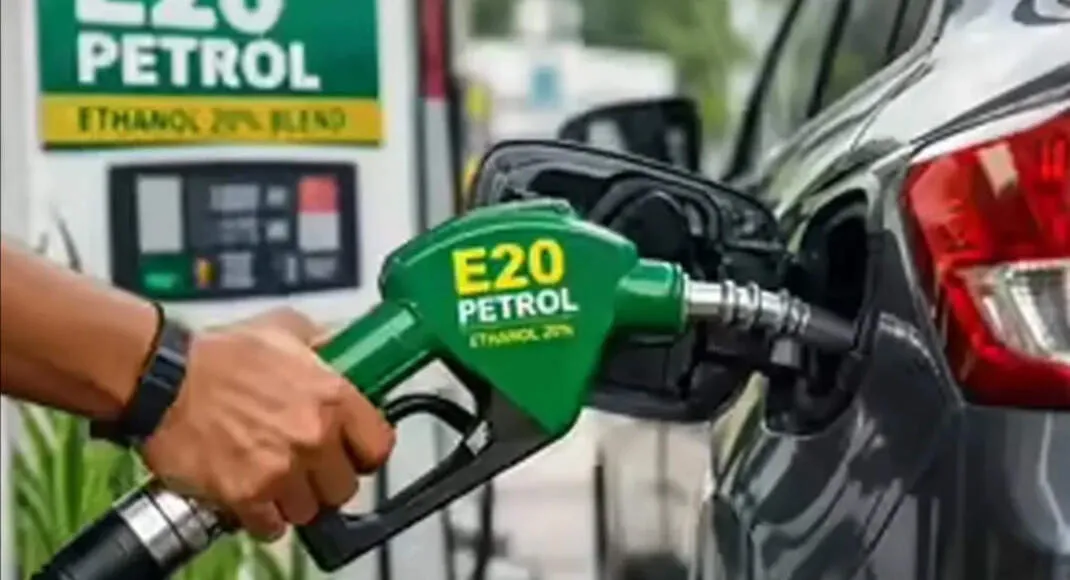
India’s ethanol blending of petrol has reached 20%, but the bigger story is stubborn: crude oil import dependence has risen to over 90% from 84% earlier. The ethanol switch is saving only about USD 3 billion a year—roughly 2% to 3% of the total oil import bill—so the expected gains are not translating into lower reliance.
India is considering higher ethanol blending in both petrol and diesel, aiming to cut the country’s 87% crude import dependency. During an inter-ministerial briefing, Petroleum Ministry Joint Secretary Sujata Sharma said talks with stakeholders are underway, reflecting Nitin Gadkari’s vision of moving toward 100% blending. The move targets greater energy self-reliance amid Middle East volatility.
India is exploring ethanol blending in petrol beyond the current 20% benchmark and is also pushing flex-fuel vehicles to enable higher biofuel use. The government is holding discussions with industry stakeholders as it plans for a broader shift in transport fuel. The goal: reduce dependence on imported oil while strengthening domestic biofuel production and consumption.
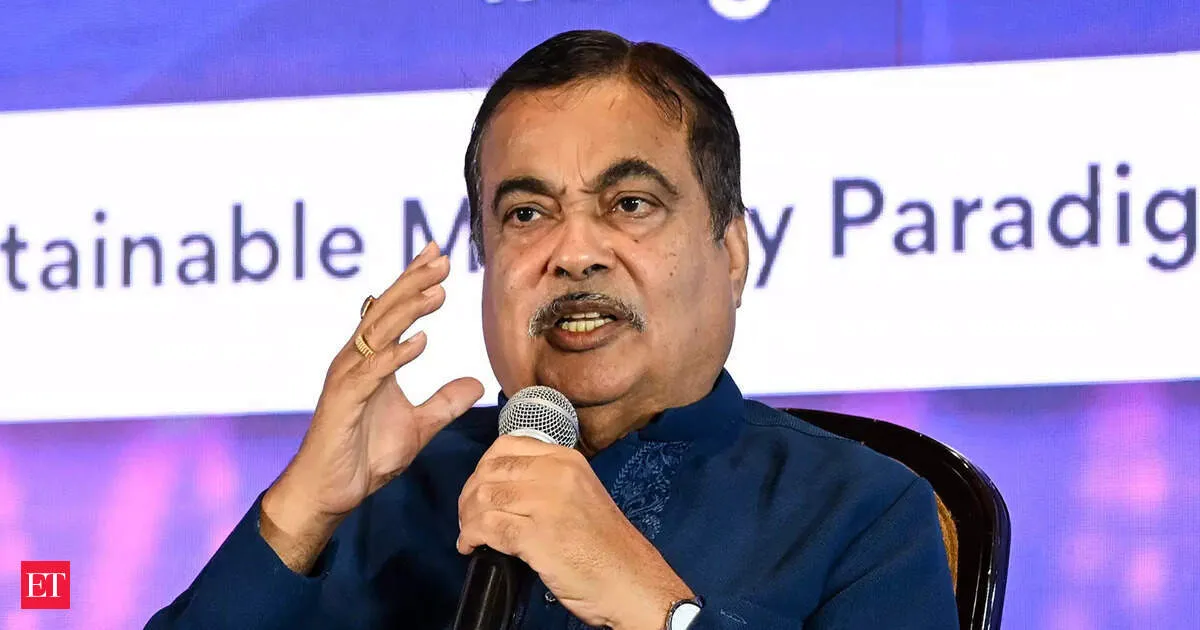
Nitin Gadkari says India should target 100 percent ethanol blending soon to improve energy self-reliance as global oil markets stay uncertain. With India currently importing about 87 percent of its oil, the push will accelerate alternative and biofuel production. Green hydrogen is also flagged as a future fuel option.
Never miss a story
Set alerts for the topics and sources you care about. Download Beige for free.
Swipe through stories, personalise your feed, and save articles for later — all on the app.