Skara Brae, a Neolithic village in Orkney, was buried under shifting sand dunes for thousands of years—until a violent 1850 storm stripped away the dunes and revealed stone homes. Remarkably well preserved, the settlement offers a rare view of everyday life long before recorded history. Today, Skara Brae stands as one of Europe’s best-preserved prehistoric villages.
OpenAI has formed partnerships with major European companies including Deutsche Telekom, BBVA, and Telefonica to give them access to its latest AI models. The goal is to help these firms strengthen their resilience by using advanced AI tools to detect, respond to, and defend against evolving cyber threats.
Your news, in seconds
Get the Beige app — every story in 60 words, updated hourly. Free on iOS & Android.
German conglomerate Thyssenkrupp has cut its 2026 sales forecast, warning that weakening demand in both steel and automotive will likely drag revenue down by as much as 3%. The company points to broader economic slowdowns across Europe and is in the middle of restructuring its operations, signaling tougher times for industrial demand going forward.
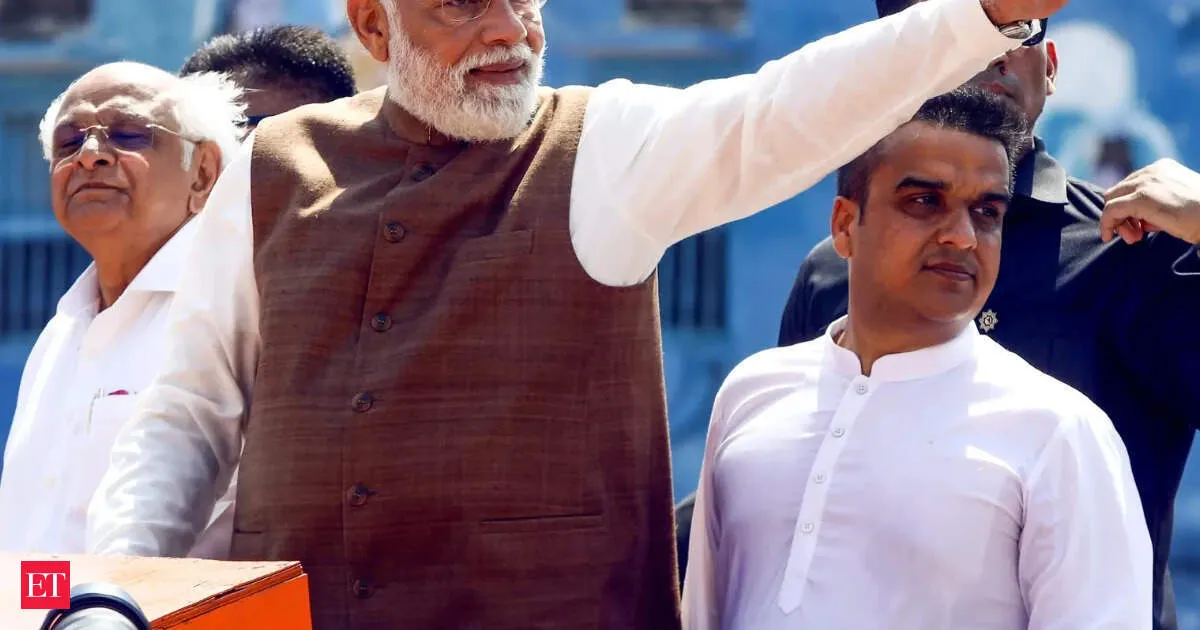
Prime Minister Narendra Modi will travel from May 15 to May 20, meeting leaders in the UAE, Netherlands, Sweden, Norway and Italy. The tour is designed to strengthen trade relationships, expand cooperation in energy, and build broader strategic partnerships across Europe and the Middle East, signaling a focused push on economic and sectoral collaboration.
Commerzbank says it will cut 3,000 jobs to fund and accelerate a €600 million AI strategy under its “Momentum 2030” plan. The move comes as pressure mounts from UniCredit’s €37 billion takeover bid. The bank expects €450 million in reorganisation costs, while using AI across service, KYC, fraud prevention and internal assistants to boost revenue and slash operational expenses.
Germany, France, Belgium, Ireland and the Netherlands are sending planes to evacuate their citizens from a Spain-bound cruise ship hit by a hantavirus outbreak. The EU is adding two more aircraft for other Europeans, while the US and the UK are arranging transport for non-EU citizens as officials coordinate repatriation.
Never miss a story
Set alerts for the topics and sources you care about. Download Beige for free.
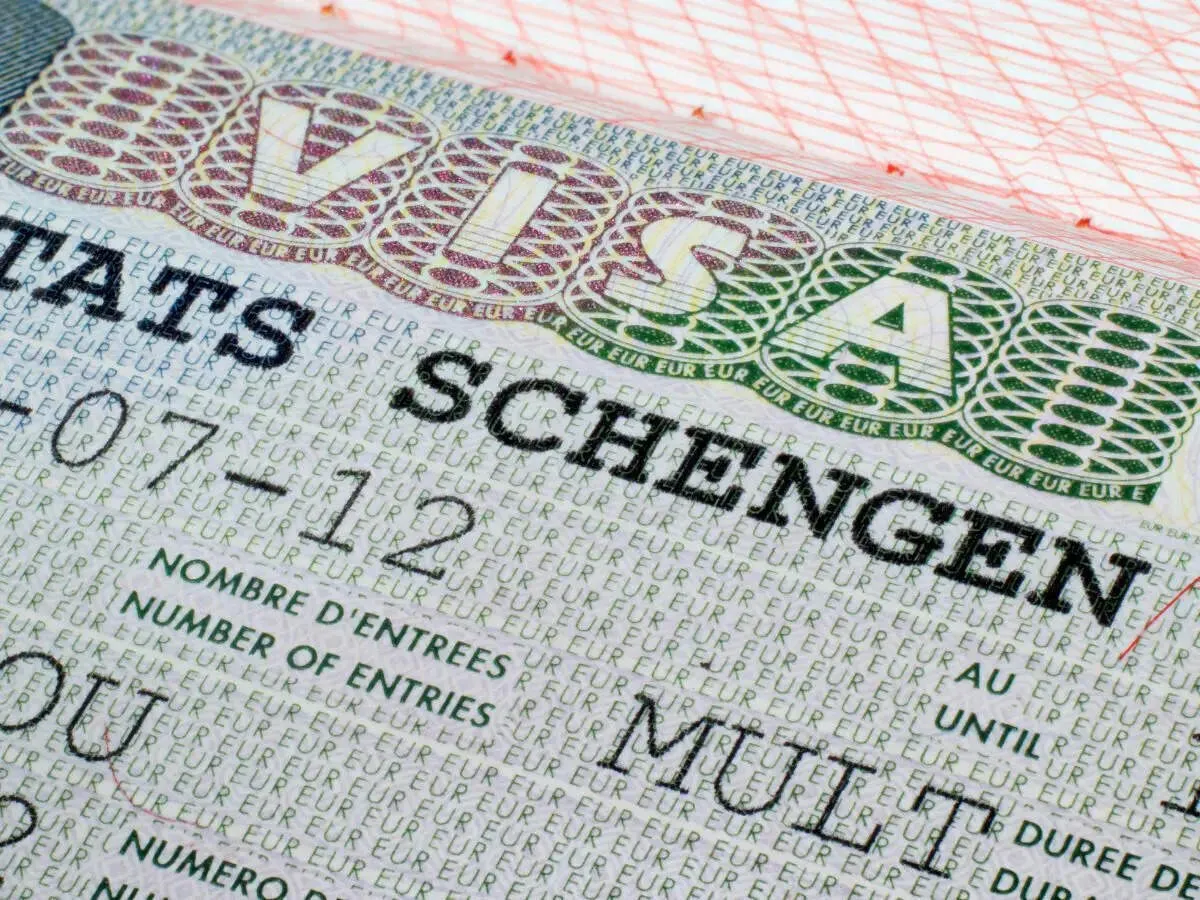
With Europe’s summer travel rush approaching, Fragomen warns that Schengen visa appointments are seeing limited availability as demand rises. Travelers are urged to plan well ahead, not just for earlier booking, but also because the new Entry Exit System may slow processing at airports and border crossings. Expect tighter timelines and possible delays during peak season.
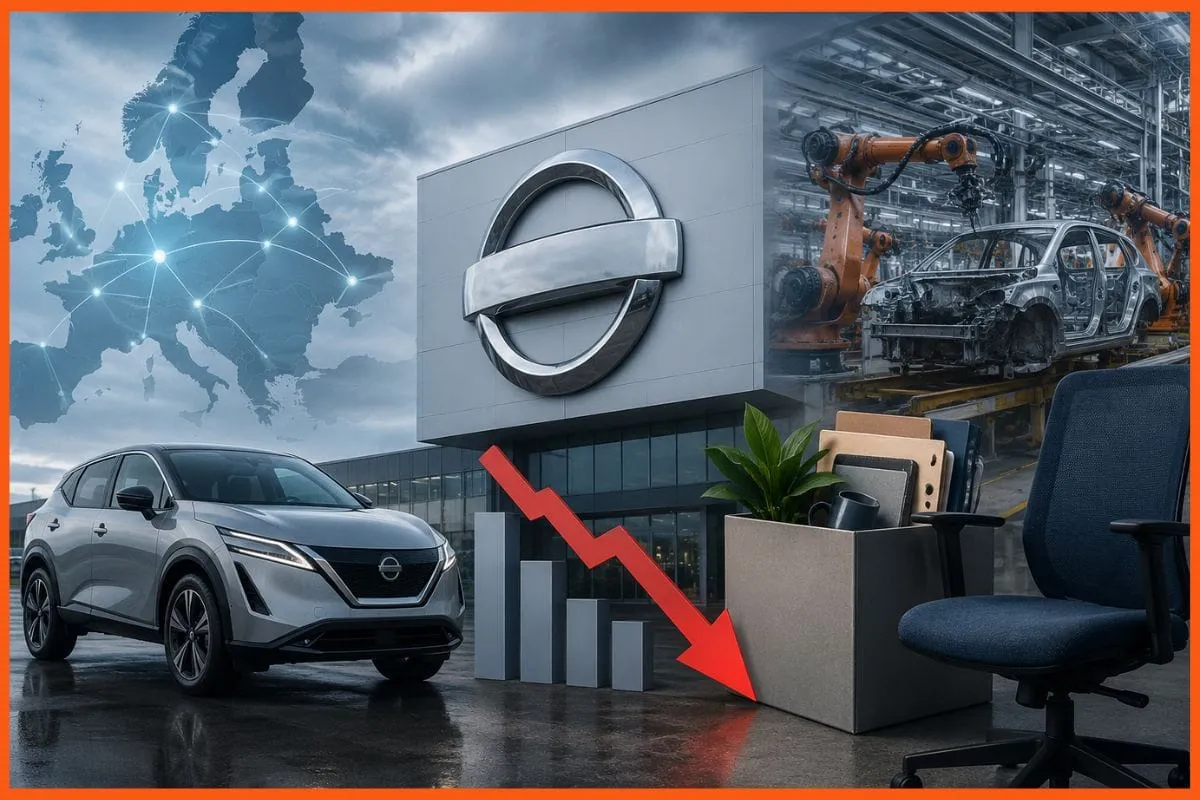
Nissan is restructuring its European operations by eliminating 900 jobs and consolidating production into its Sunderland, UK plant. The automaker will merge two assembly lines into one while making most changes across Europe rather than cutting production jobs at Sunderland. The move supports Nissan’s RE:Nissan recovery strategy aimed at reducing surplus capacity, boosting flexibility, and responding faster to demand shifts amid mounting EV and cost pressures.
The EU says the war’s hit to Europe’s tourism sector has been limited so far, as airlines rely on hedges to buffer costs. But the situation is shifting: jet fuel prices have jumped nearly 84% since the Feb 28 US Iran war began. Airlines caution that aircraft or fuel supply shortages could surface within weeks, threatening travel plans.
France plans financial support for airlines battered by sharply higher jet fuel prices, Transport Minister Philippe Tabarot said. Talks with airlines included options such as deferring social security payments and extending tax deadlines. The move follows warnings from European carriers that jet fuel shortages could emerge this summer amid escalating tensions related to the Iran war.
Reading on mobile?
Open Beige in the app for a smoother experience — free on iOS and Android.
QyTw0, a Finnish AI lab founded by former AMD Silo AI CEO Peter Sarlin, has reportedly reached a €325 million valuation after securing a €25 million angel round worth about $29 million. The funding highlights sustained momentum in AI, quantum computing, and “sovereign tech,” with investors continuing to back Europe-built companies.
Nissan plans to cut about 10% of jobs in Europe, putting roughly 900 roles at risk, as part of a wider global restructuring aimed at cutting costs and improving performance. In the UK, the automaker is changing how its Sunderland factory operates and is in talks with other companies to make use of additional space, signaling a push to stay resilient in a tough car market.
Top European tech leaders are calling for simpler, faster AI regulation, warning that the current framework is limiting innovation and growth. They argue Europe needs stronger industrial policy and easier merger approvals to help domestic companies scale. The push comes as rivals elsewhere move ahead with AI deployed in real-world products, making the timing feel urgent.
G7 trade ministers are set to meet in Paris to focus on critical minerals, small package trade, industrial overcapacity, and economic security. The economic fallout from the ongoing Middle East conflict will also feature. However, the latest US threat of new tariffs on European vehicles will not be discussed in the main G7 session, instead addressed through separate bilateral talks.
Follow your favourite sources
Track sources, tags and categories — all in the Beige app.
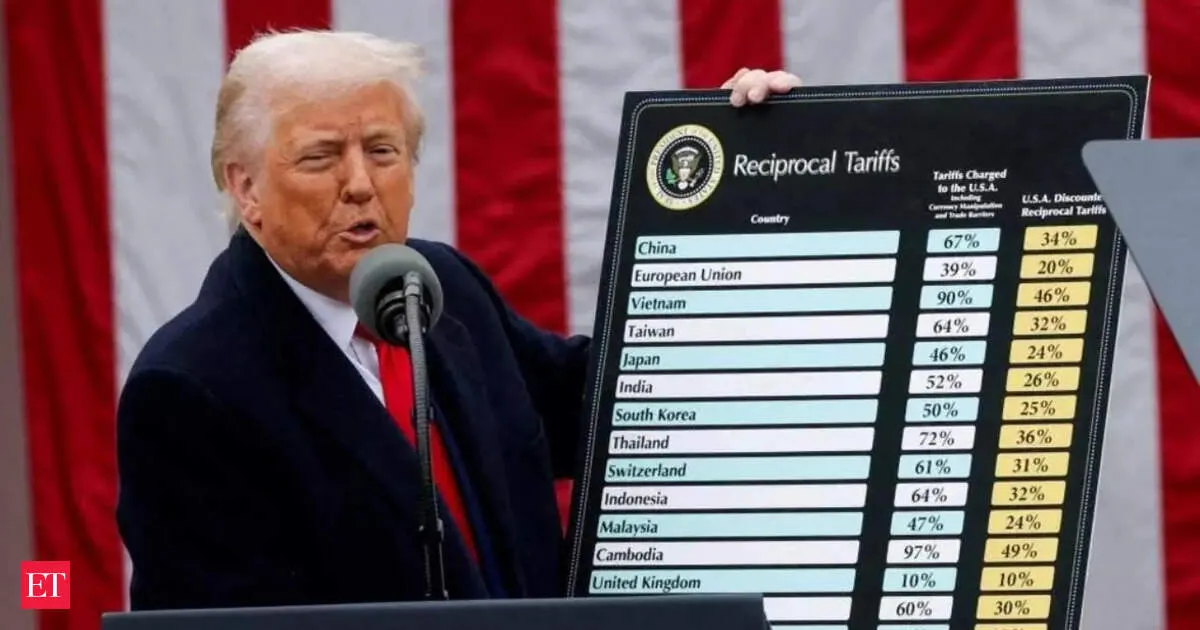
Europe has signaled it could retaliate if Donald Trump moves to raise auto tariffs, escalating a long-running dispute tied to a transatlantic trade pact that remains unratified by EU lawmakers. An initial agreement was reached last July, but amendments have delayed approval. Trump says the bloc failed to meet deal obligations, widening tensions between the sides.
Finnish lift maker Kone plans to acquire German rival TK Elevator in a $34-billion deal, positioning it among Europe’s biggest takeovers in recent times. The agreement involves TK Elevator’s private equity owners Advent International and Cinven, plus other investors. Together, the combined company would employ over 100,000 people and generate more than 20 billion euros in annual revenue.
New details on the U.S. approach to the Iran conflict point to rising strategic costs beyond the battlefield. Fractures with traditional European allies have emerged, with key partners reportedly not consulted before Donald Trump escalated military moves. The fallout suggests Washington may be paying politically and diplomatically while the conflict drags on with unclear gains.
The U.S. decision to reduce troop numbers in Germany is being linked to Donald Trump’s widening anger at European leaders. Sources point to disputes over whether allies will back his campaign with Israel against Iran. Trump has reportedly taken aim at figures including Germany’s Chancellor Friedrich Merz, as well as leaders in Spain and the UK.
Stay informed on the go
Bite-sized news from 100+ trusted sources, right in your pocket.
China’s rapidly expanding AI services, fueled by models trained on huge data sets, are boosting its role in exporting digital knowledge and challenging US dominance. At the same time, Europe is growing frustrated with the US approach to the Iran conflict, citing economic fallout and debating whether to question Washington’s military presence and pursue direct talks with Iran.
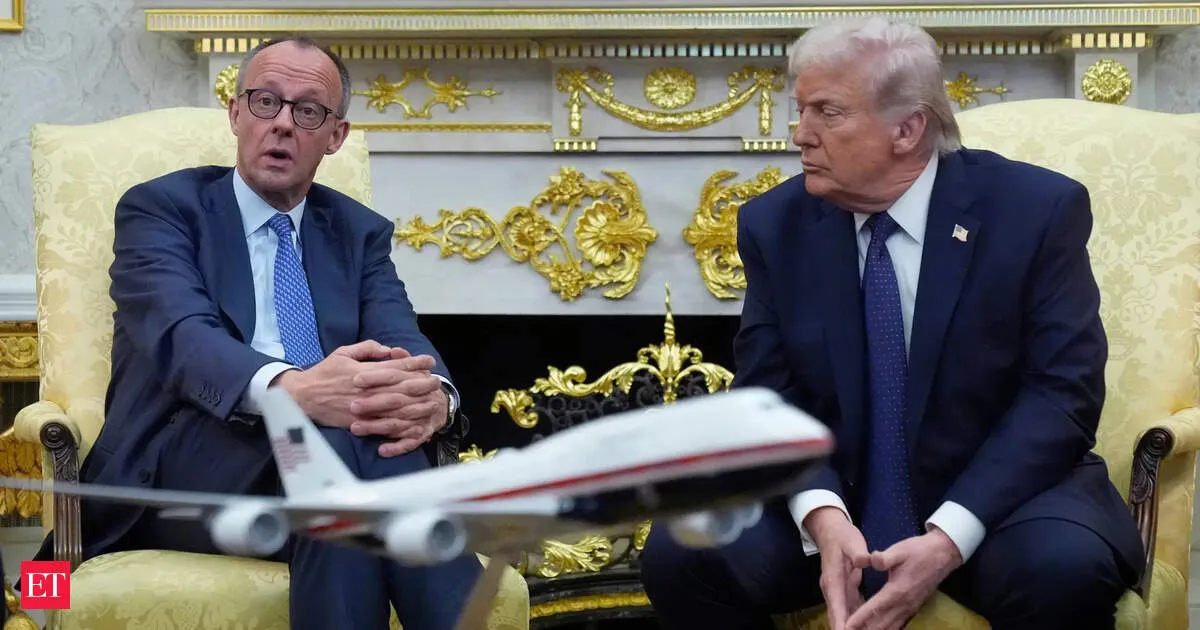
Trump has intensified friction with Europe after attacking German Chancellor Friedrich Merz over Merz’s criticism of the Iran war. Trump called him “totally ineffective” and warned he could cut the 36,400 U.S. troops stationed in Germany. The comments add to already strained transatlantic relations and raise questions about Europe’s security commitments to Washington.
Swipe through stories, personalise your feed, and save articles for later — all on the app.