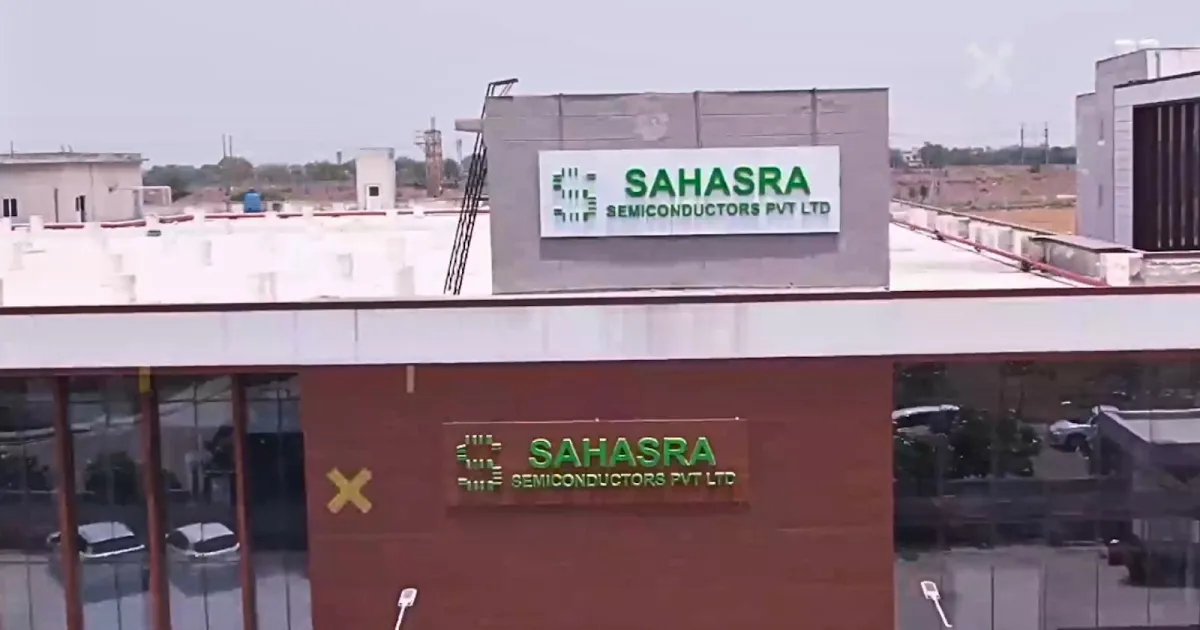
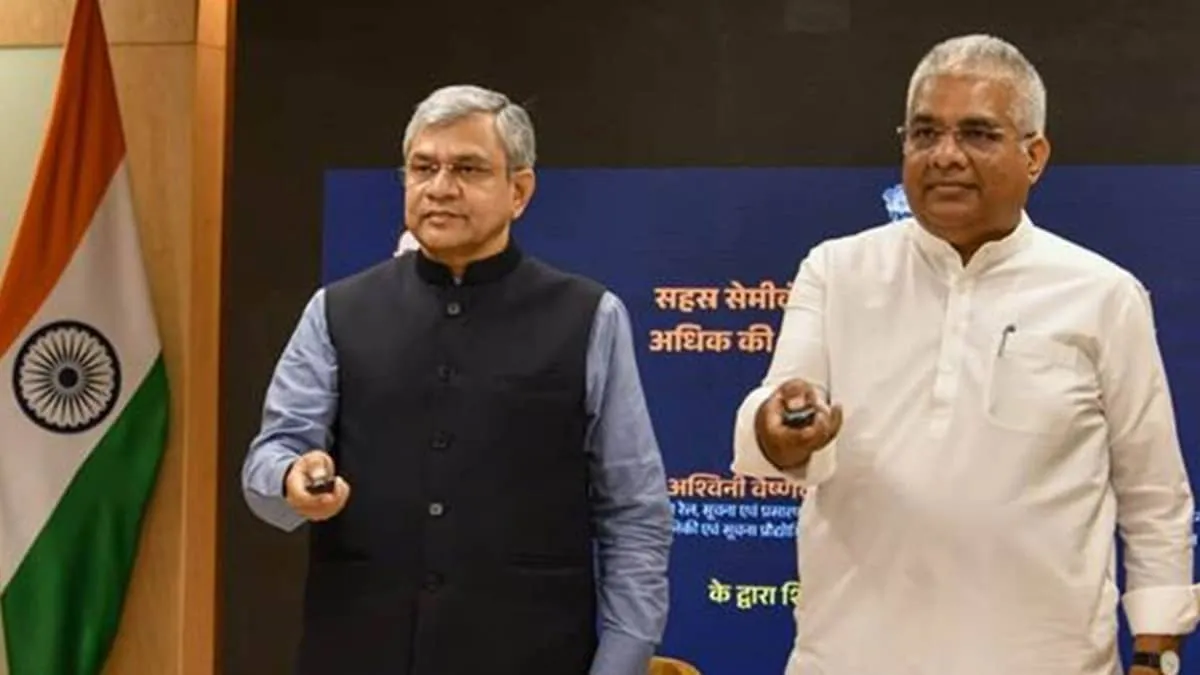
Union Minister Ashwini Vaishnaw virtually laid the foundation stone for the Sahasra Semiconductor facility in Bhiwadi, Rajasthan—an SME-led ATMP/OSAT chip packaging plant worth over ₹400 crore. The 57,000 sq. ft. site will start at about 60 million units annually and aims for 400–600 million units within 2–3 years. Built with Class 10K and 100K cleanrooms, it already ships more than 60% of output abroad while supporting India’s push to deepen semiconductor capabilities.
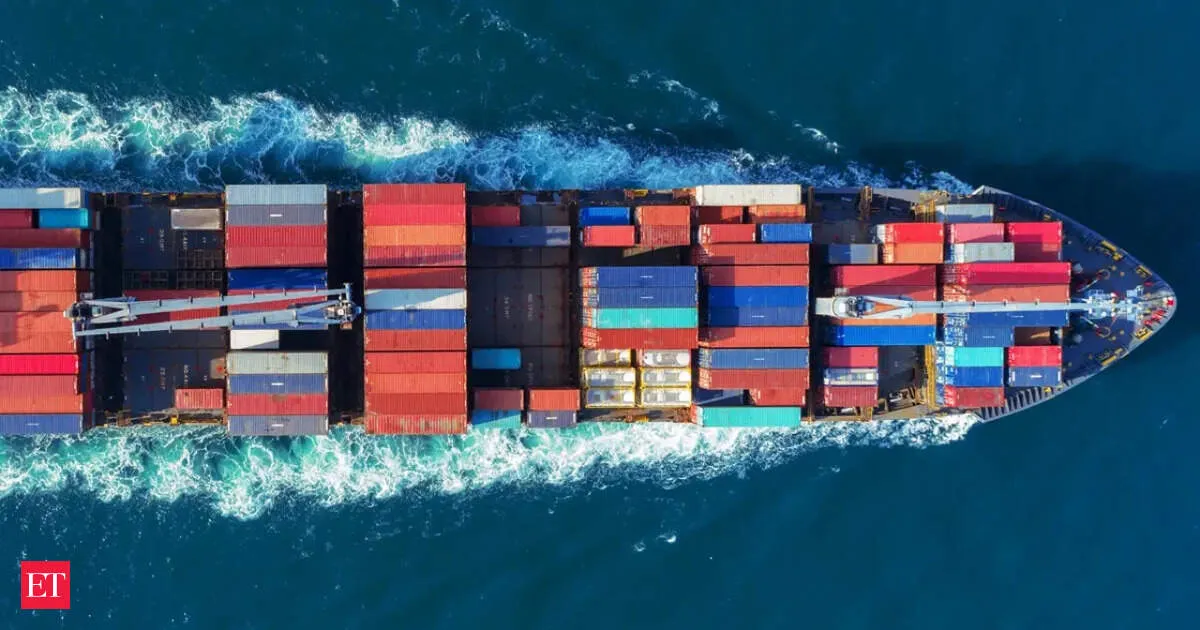
India’s goods exports grew 13.78% year on year to $43.56 billion in April, their highest monthly level in more than four years, powered by electronics, engineering goods and petroleum. Yet imports rose 10% to $71.94 billion, pushing the trade deficit to a three-month high of $28.38 billion. The surprising twist: outbound shipments to West Asia fell over a quarter as geopolitical disruptions continued, while inbound movement via the region weakened further.
Your news, in seconds
Get the Beige app — every story in 60 words, updated hourly. Free on iOS & Android.
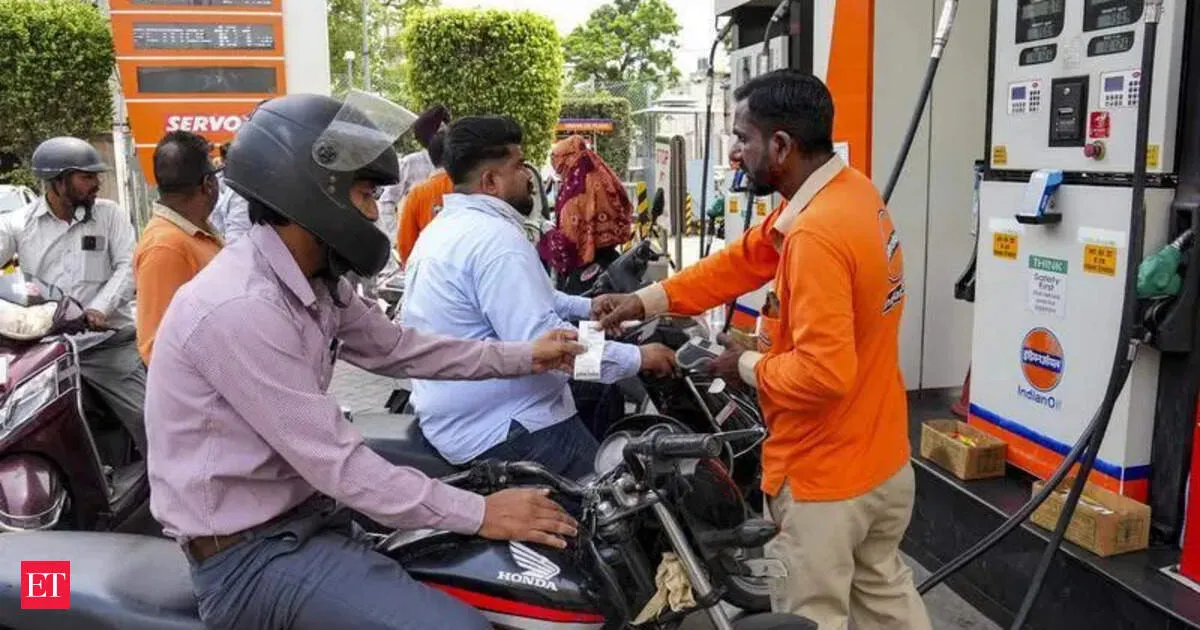
India has revised its energy export policy by imposing a special additional excise duty (SAED) of ₹3 per litre on petrol exports for the first time since the West Asia crisis began. From May 16, the government also cuts levies on diesel exports to ₹16.5 per litre (from ₹23) and on ATF to ₹16 per litre (from ₹33). At the same time, the road and infrastructure cess on petrol and diesel exports will be zero, while domestic fuel duty rates and consumer prices remain unchanged.
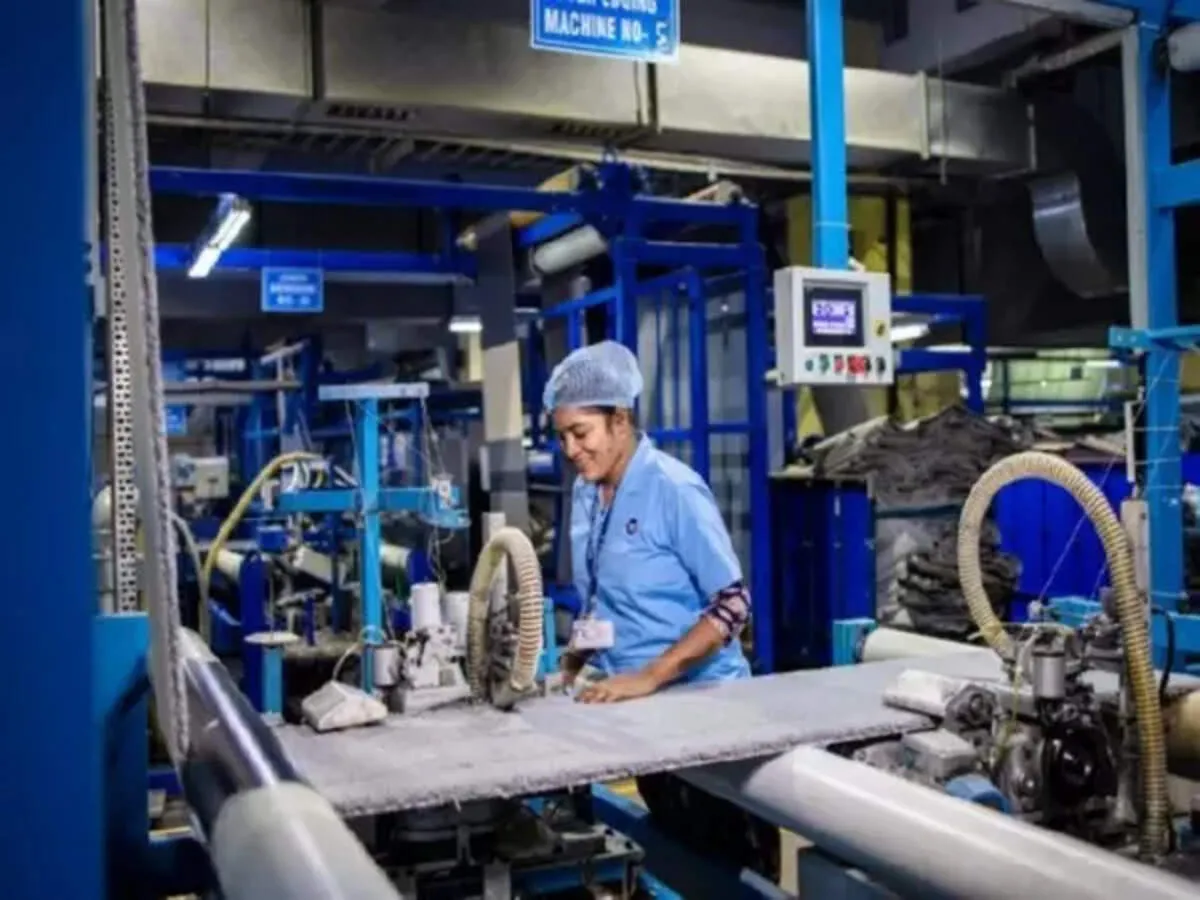
Latest IIP data for FY26 shows India’s manufacturing is growing but not where jobs are. General IIP rose about 4.1% in FY26, yet manufacturing has averaged only ~3.3% annually since FY15. Capital-intensive, domestic-demand sectors like capital goods, metals, and infrastructure are performing strongly and building linkages. Meanwhile labour-intensive, export-oriented industries are contracting or barely growing: wearing apparel fell 5.3% in 2025-26, textiles grew just 1.2%, and other manufacturing collapsed. Analysts argue exports need a tailored push.
India inaugurated its first SME-led semiconductor chip packaging facility by Sahasra Semiconductors Pvt Ltd in Bhiwadi, Rajasthan, inside ELCINA’s Electronics Manufacturing Cluster at Salarpur, Khushkhera. Union Electronics and IT Minister Ashwini Vaishnaw said electronics production has surged to nearly Rs 13 lakh crore and exports to about Rs 4.24 lakh crore, with mobile phones now leading exports. The facility, backed under the SPECS scheme with investment over Rs 150 crore, uses Class 10K/100K cleanrooms.
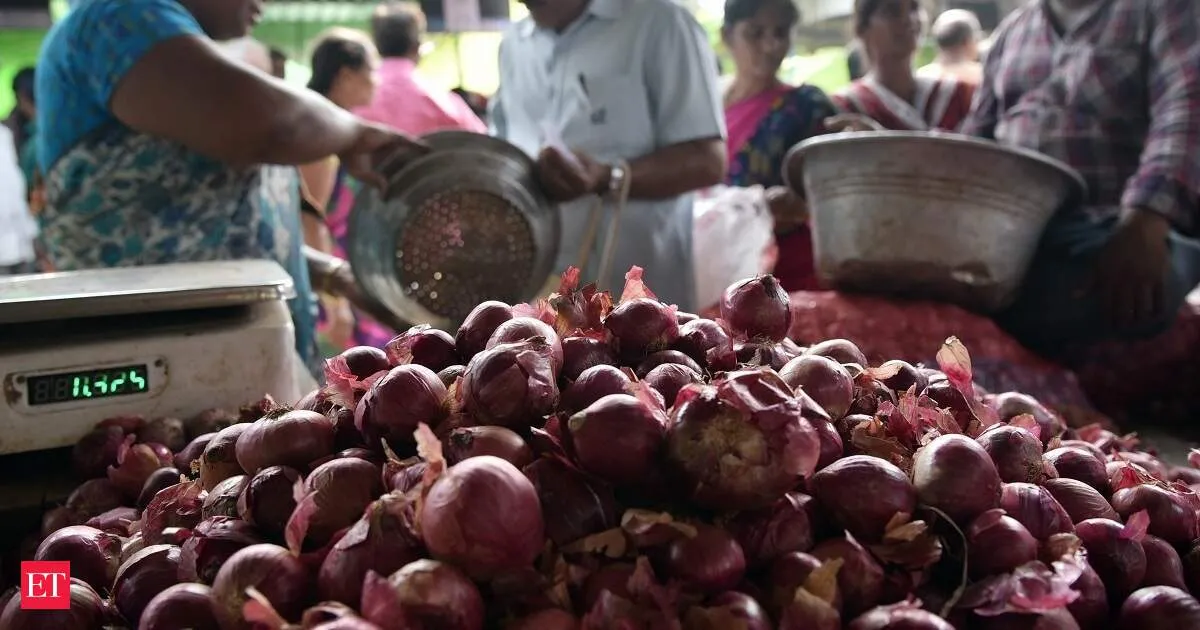
Union Agriculture Minister Shivraj Singh Chouhan announced that the Centre will procure fresh onions from farmers at Rs 12.35 per kg starting Friday, following a sharp fall in onion prices. Speaking in Satara, Maharashtra, he said the government will purchase the entire available stock to support growers. Chouhan linked the decline to disrupted onion exports amid the West Asia crisis, triggered by US-Israeli airstrikes on Iran on February 28, and directed NAFED to carry out procurement.
Never miss a story
Set alerts for the topics and sources you care about. Download Beige for free.
Allied Blenders and Distillers, maker of Officer’s Choice whiskey, is leaning harder into premium and luxury spirits even as inflation concerns tied to the Middle East war linger. Managing Director Alok Gupta said the company is seeing strong double-digit growth in its Prestige & Above portfolio and a rising share in sales value, with profitability prioritized over mass volumes. P&A brands now make up about 47% of volumes and 58% of sales value, while margins are expected to expand to 300 bps by FY28.
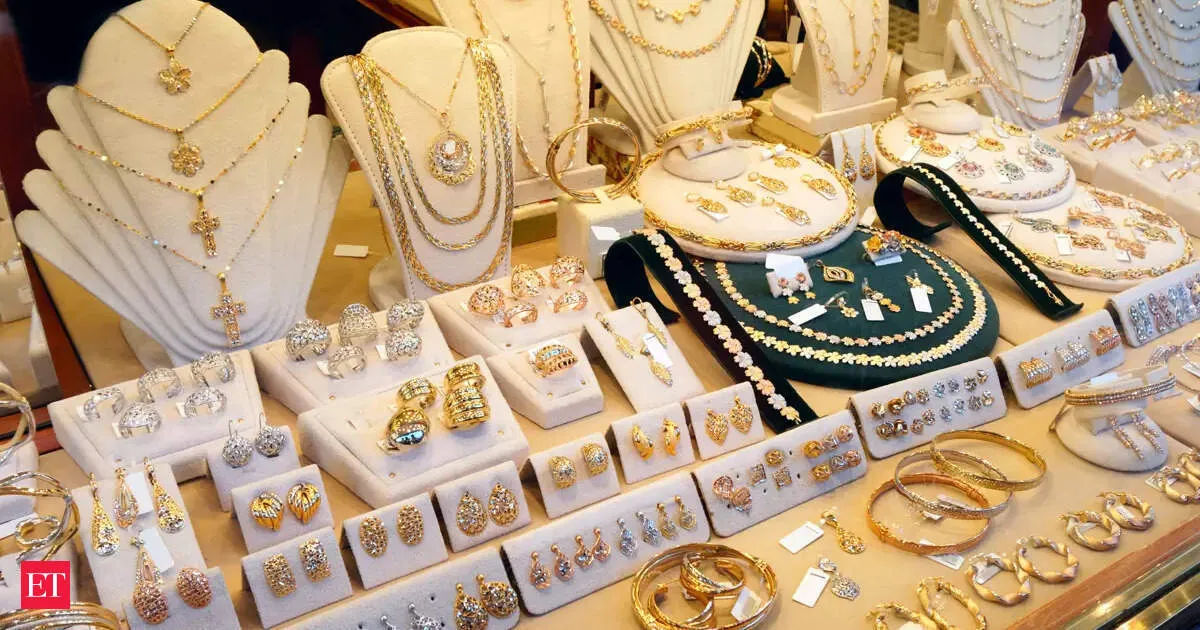
Indian gems and jewellery exports fell 9.07% in April 2026 to US$ 2,448.53 million (Rs. 20,952.26 crore), as geopolitical tensions in West Asia pushed buyers toward caution. Cut and polished diamond exports dropped 19.65%, even as cut diamond imports rose sharply on replenished stocks and hopes of global demand recovery. Plain gold jewellery exports fell 47.06% amid high gold prices, while studded gold, silver, and platinum segments posted strong growth.
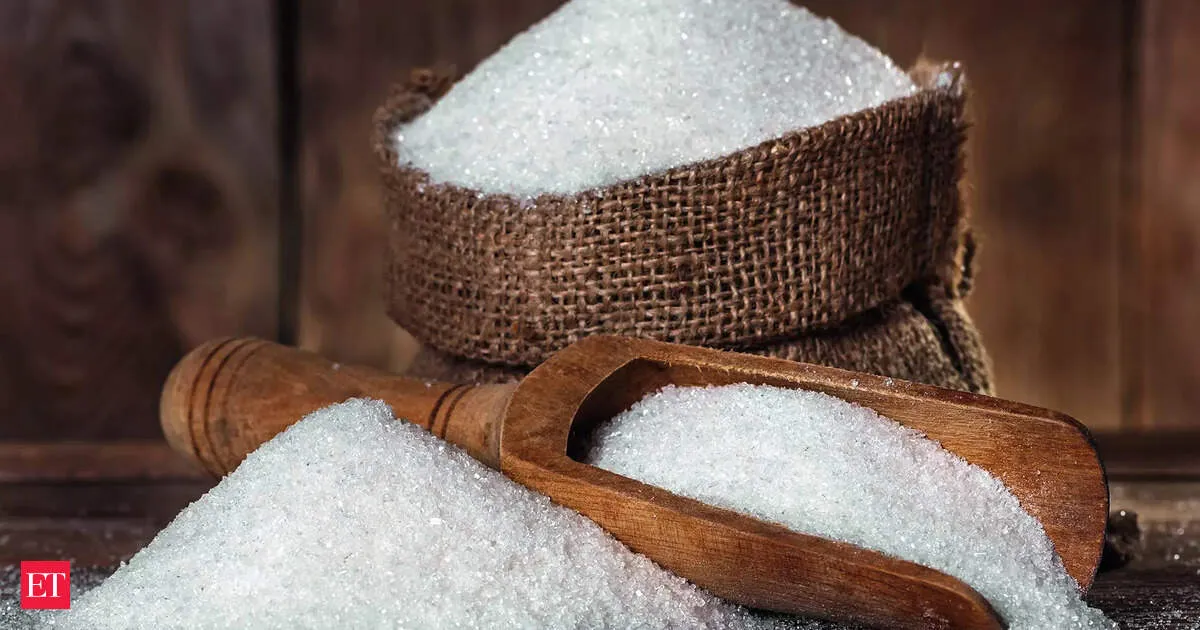
Indian sugar producer shares fell up to 7% on Thursday after the government prohibited sweetener exports, adding immediate pressure to an already strained market. Analysts linked the move to surging domestic sugar prices alongside weaker sugarcane expectations in Maharashtra and Karnataka, with El Nino seen as a risk for further shrinkage. While the ban is expected to weigh on near-term earnings, investors point to capacity expansions aimed at the government’s 20% ethanol blending targets as a medium-term support.
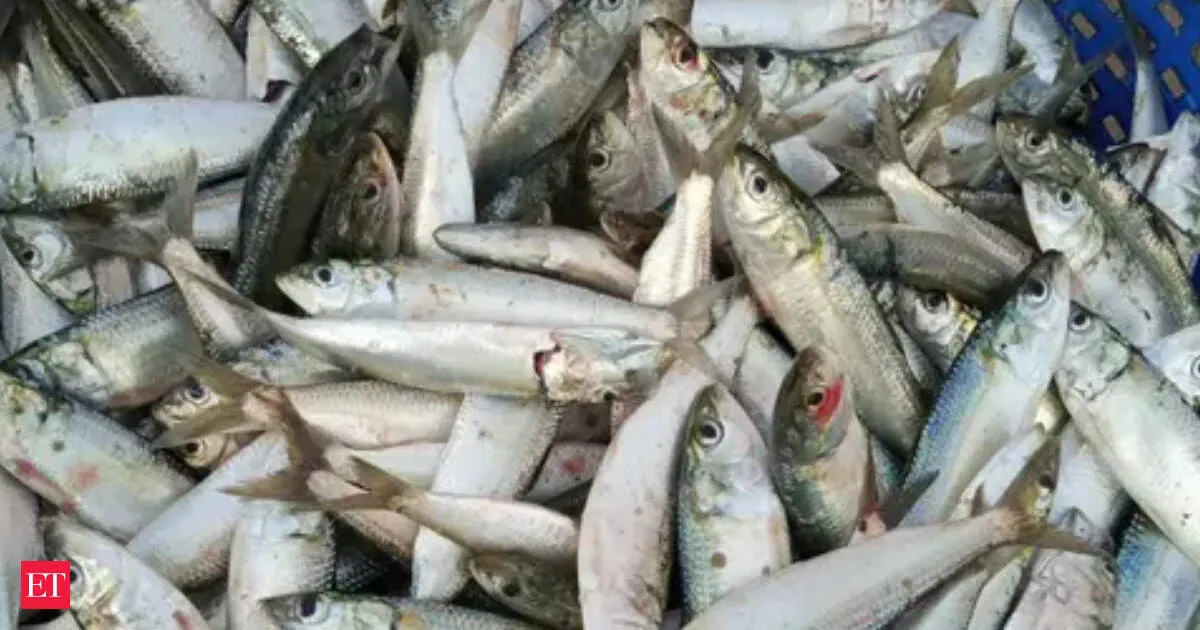
India’s Fisheries Department will explore a production-linked incentive (PLI) scheme for MSMEs in the seafood sector, aiming to improve global competitiveness and accelerate exports. The plan, discussed in a high-level meeting between commerce and industry minister Piyush Goyal and fisheries minister Rajiv Ranjan Singh, targets a major shift toward value-added seafood and a larger export base. Export-oriented infrastructure and sustainability measures are part of the roadmap, alongside strengthening sanitary and phytosanitary compliance from production to packing.
Reading on mobile?
Open Beige in the app for a smoother experience — free on iOS and Android.
India has been reinstated on the EU’s draft list allowing continued exports of aquaculture products beyond September 2026. The EU says the decision follows India’s compliance with its rules on antimicrobial use in food-producing animals. For Indian seafood exporters, it means continuity of shipments and a fresh signal of confidence in India’s food safety standards.
India’s beauty industry is gaining global momentum with “I-beauty,” blending Ayurvedic roots and modern science. Buoyed by growing exports and high-profile acquisitions by major multinationals, Indian brands are positioning affordable, dermo-focused luxury for international consumers. Yet the path is tough, with a crowded global market and entrenched K-beauty competitors.
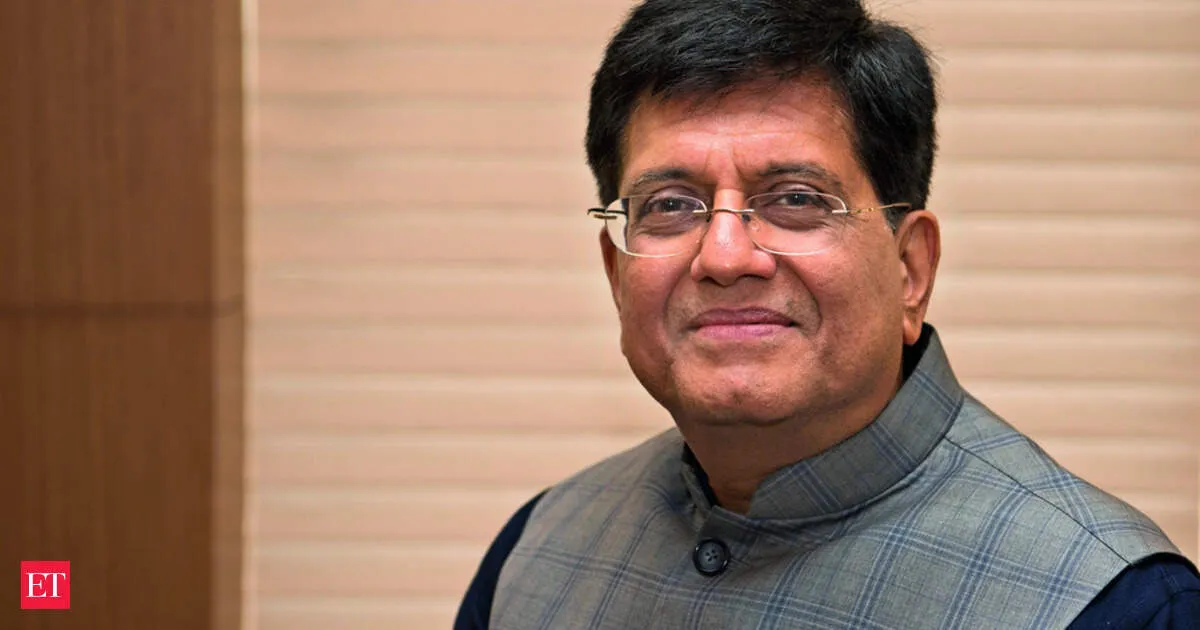
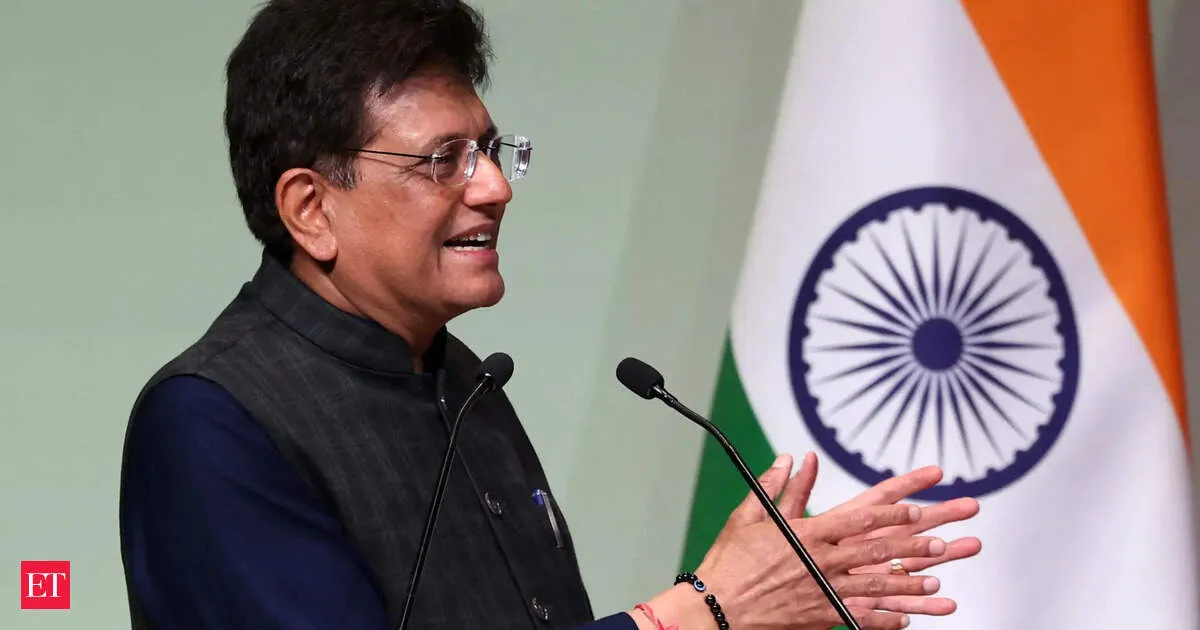
India has set its sights on hitting $1 trillion in exports by FY27, with a push to accelerate free trade agreements as they come into effect. Commerce Minister Piyush Goyal says streamlining business regulations alongside these FTAs is meant to make trade easier, boost competitiveness, and create a stronger, more predictable export environment.
India is aiming for USD 1 trillion in exports this fiscal year, building on last year’s USD 863.11 billion performance. Piyush Goyal says the government is pushing negotiations for Free Trade Agreements to boost growth, with several already in place and more expected. The ambitious target sets a high bar for faster trade expansion across sectors.
Follow your favourite sources
Track sources, tags and categories — all in the Beige app.
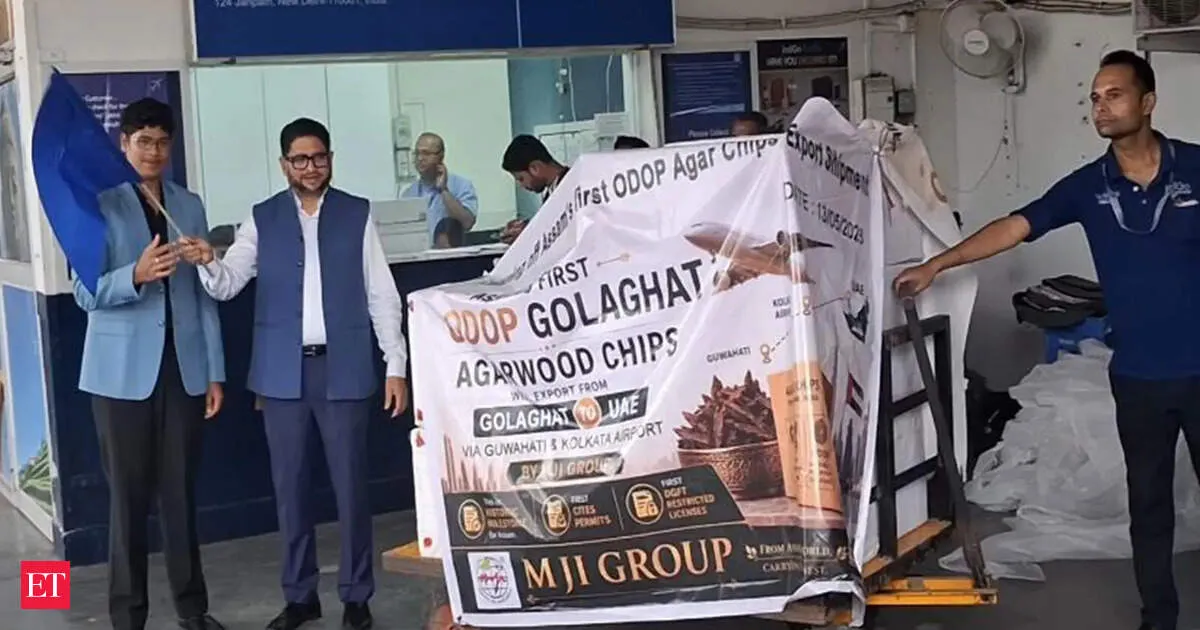
Assam has achieved a major breakthrough by making its first legal export of agarwood chips to Saudi Arabia and the UAE, worth Rs 2.35 crore. The move, enabled by the Assam Agarwood Promotion Policy 2020, is expected to strengthen the state’s agro-forest economy and create new earnings for farmers and businesses. Assam now eyes a long-term Rs 50,000 crore opportunity.
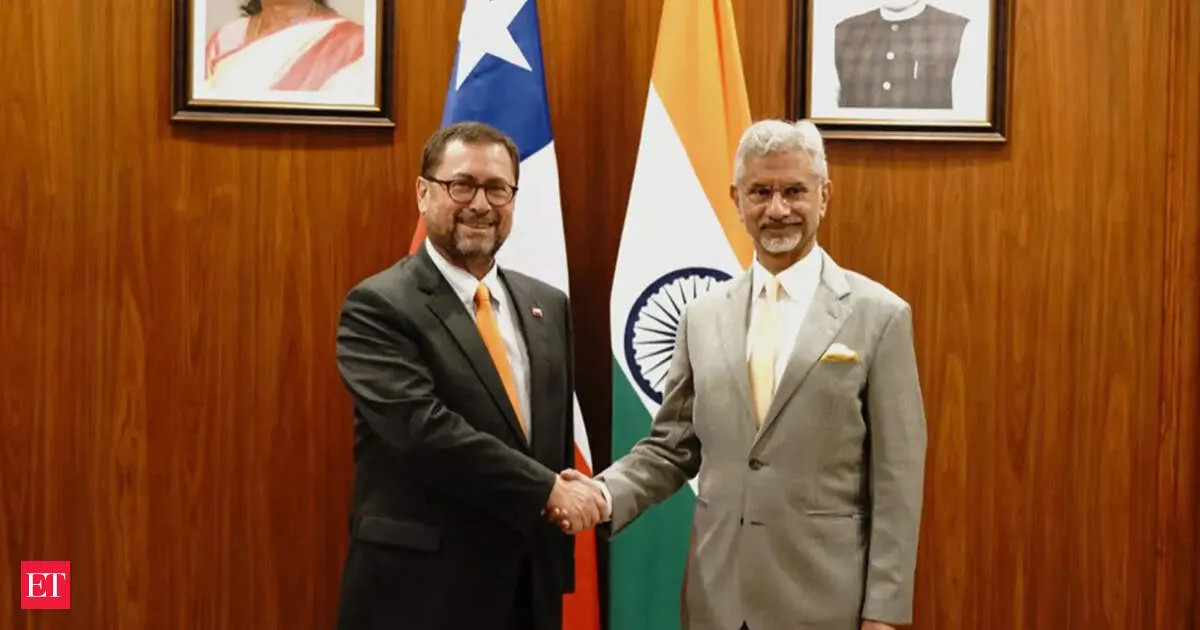
External Affairs Minister S Jaishankar met Chile’s Foreign Minister to widen cooperation focused on diversifying markets and boosting exports. Commerce Minister Piyush Goyal also reviewed progress on a Comprehensive Economic Partnership Agreement aimed at expanding trade and investment between India and Chile. Both sides signaled momentum toward a stronger economic partnership.
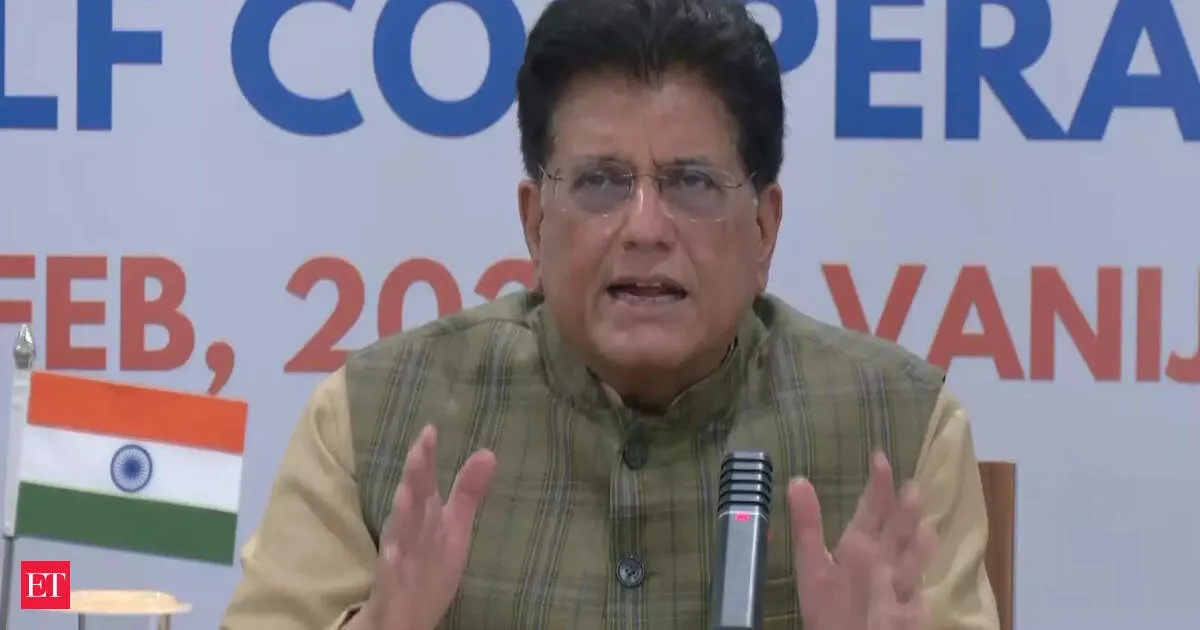
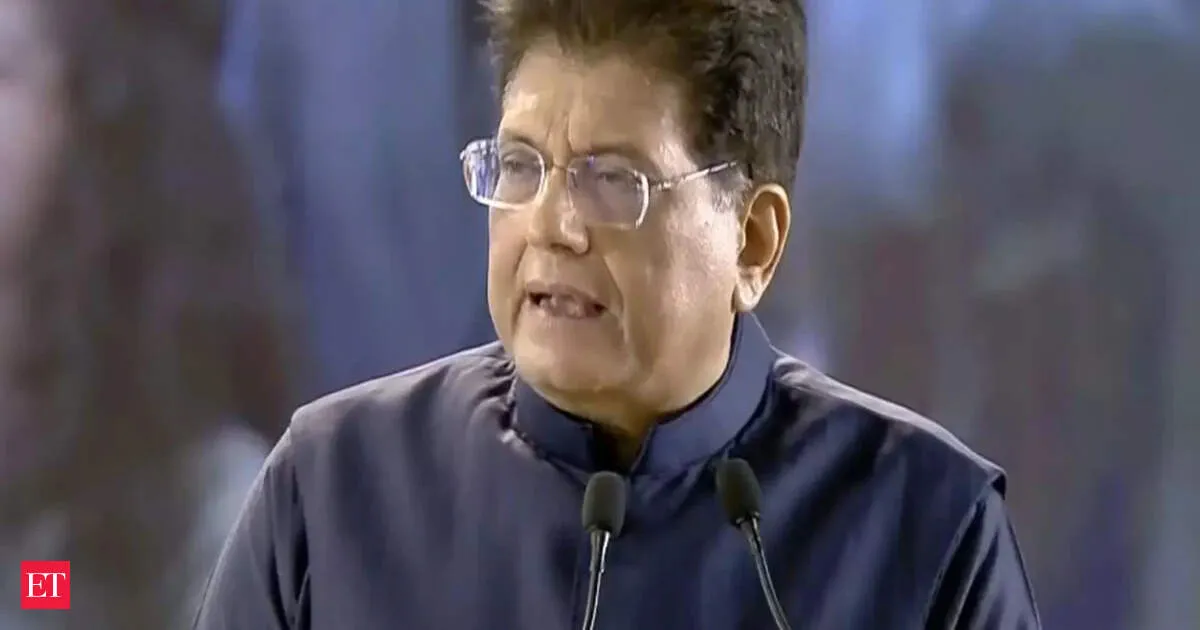
India is ramping up efforts to make free trade agreements work better for exporters and investors. Under Piyush Goyal, the commerce ministry plans to dispatch 500 delegations abroad and train 1,000 people to strengthen industry outreach, including engagement with 1,600 industry chambers. The focus is increasing exports, attracting investment, and meeting export targets.
India and Oman are set to bring their free trade agreement into force on June 1, 2026. The deal is expected to give India duty-free access to 98 percent of its exports to Oman, boosting trade ties. At the same time, India is pursuing a broader economic partnership with Chile, prioritizing critical minerals needed for electronics and auto supply chains.
Stay informed on the go
Bite-sized news from 100+ trusted sources, right in your pocket.
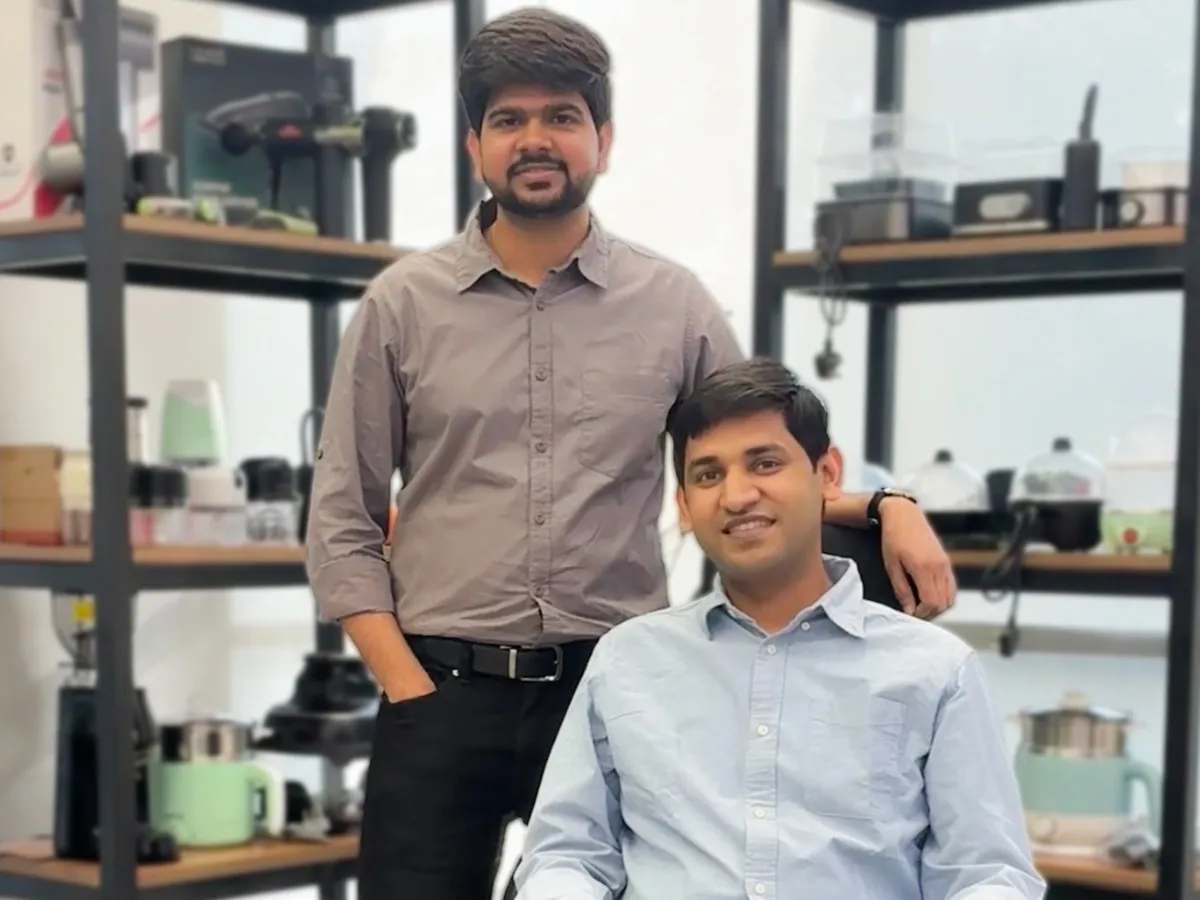
Consumer appliance startup Mekr Technologies has raised Rs 67 crore from Avaana Capital and Titan. The fresh funding will expand manufacturing capacity, boost exports, and accelerate indigenization to reduce import dependency. Mekr’s model partners with major brands while handling design, engineering, and assembly, with the money earmarked for R&D, supplier localization, and automation aimed at global markets.
India is zeroing in on 100 products where domestic manufacturing needs to scale up, including auto parts, with a goal of serving global markets. The government plans a Made in India Brand Scheme after a pilot in steel to assure quality and drive value addition. Firms are being urged to invest long-term, aided by fresh free trade deals and AI’s manufacturing impact.
Swipe through stories, personalise your feed, and save articles for later — all on the app.