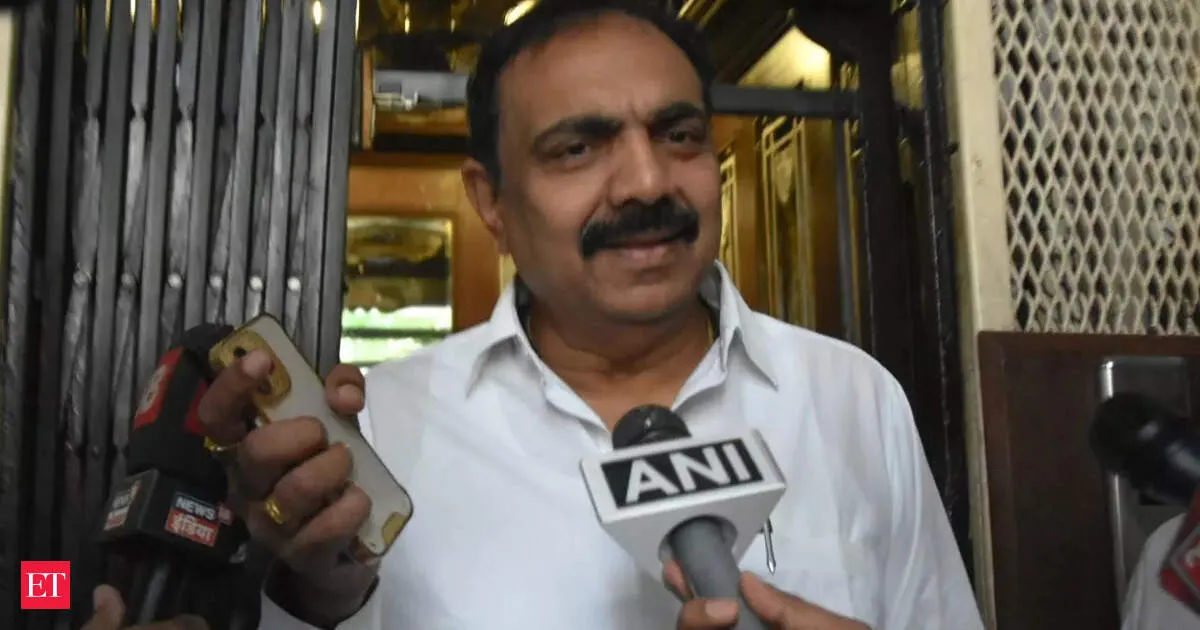
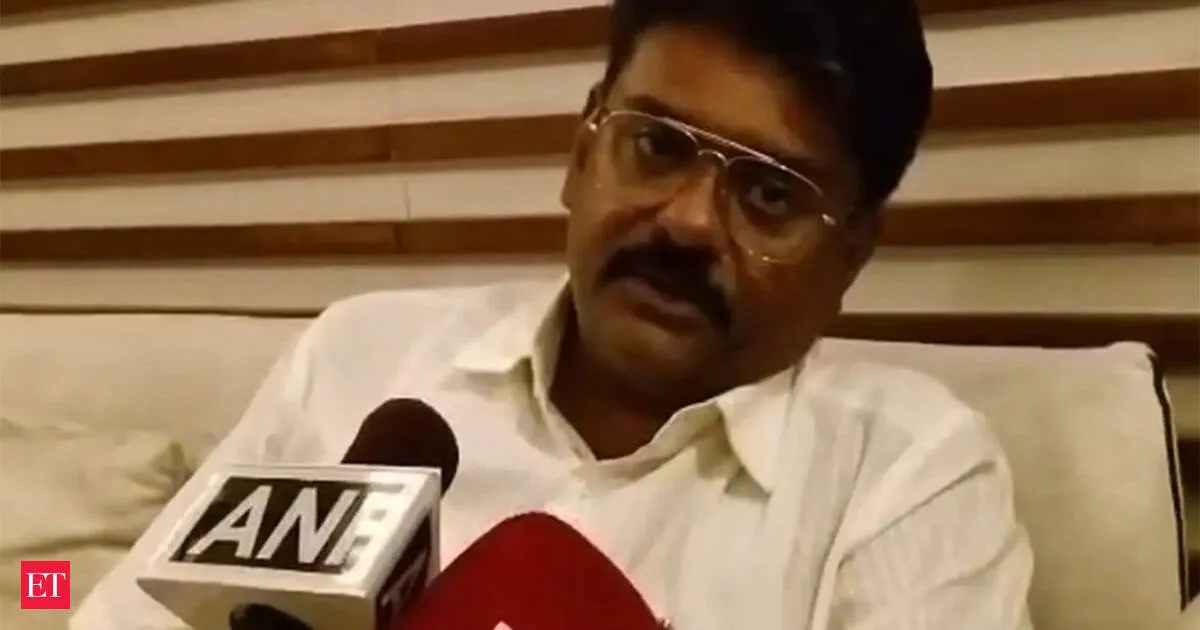
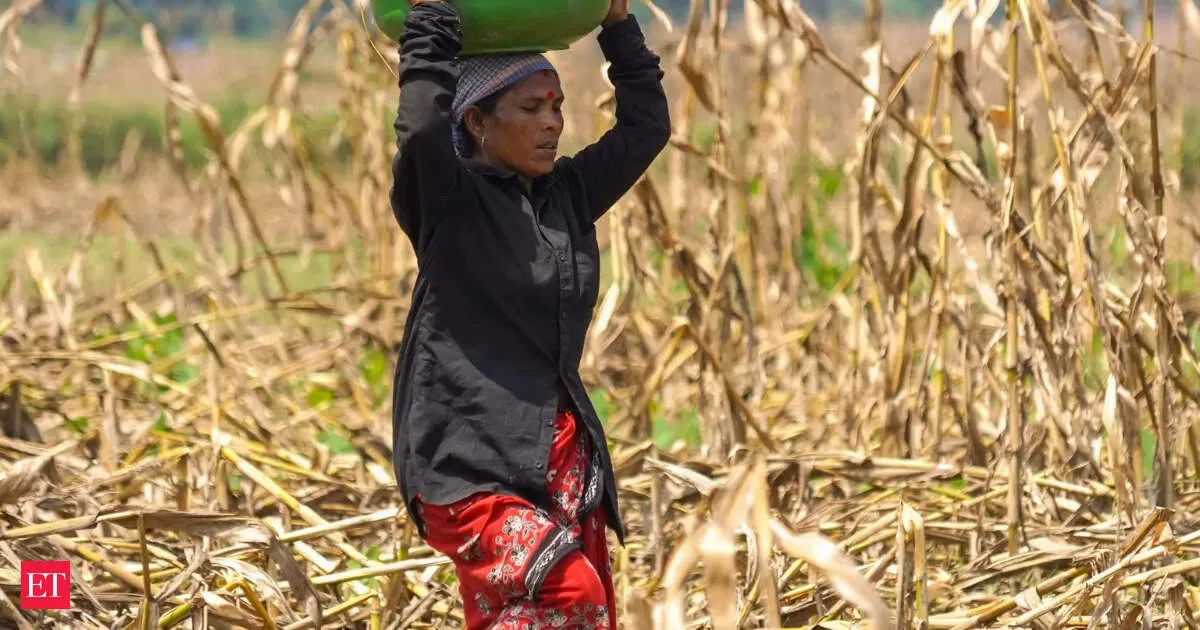
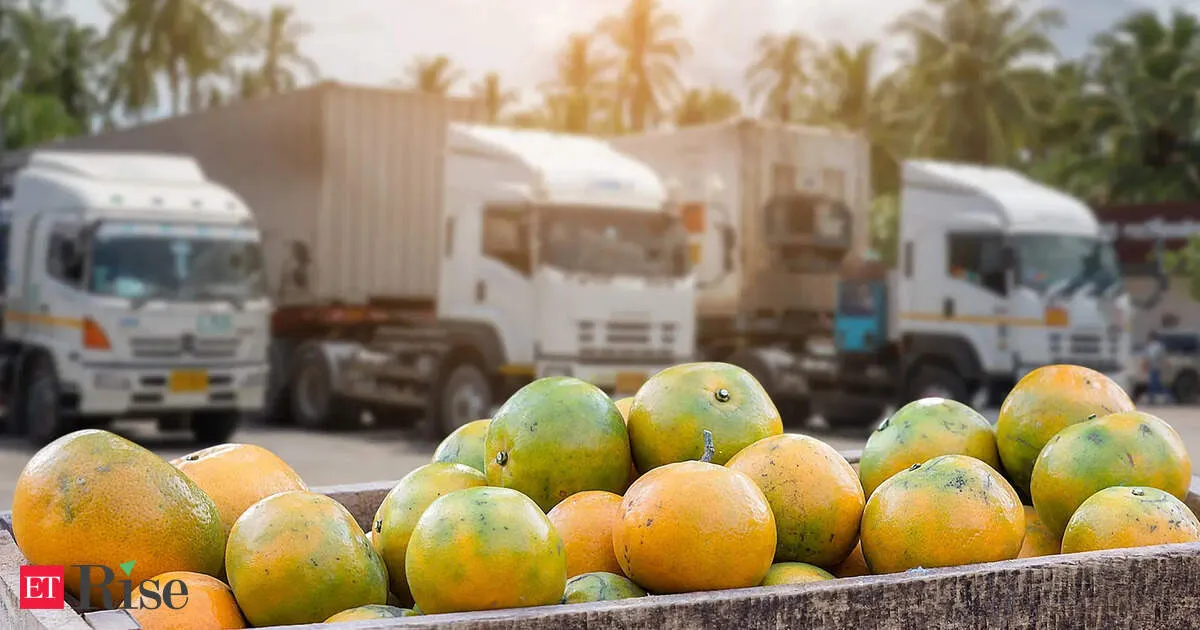
Senior NCP (SP) leader Jayant Patil accused the Maharashtra government of telling farmers it lacks funds while continuing “unnecessary” projects. He said pending farmer demands remain stalled despite the state’s mounting debt. Patil raised alarm for Konkan mango, cashew, and onion growers who are facing unseasonal rain and market prices below the Minimum Support Price, leaving them struggling to secure fair returns. His remarks followed police detentions during a Mumbai protest demanding action on farmers’ issues.
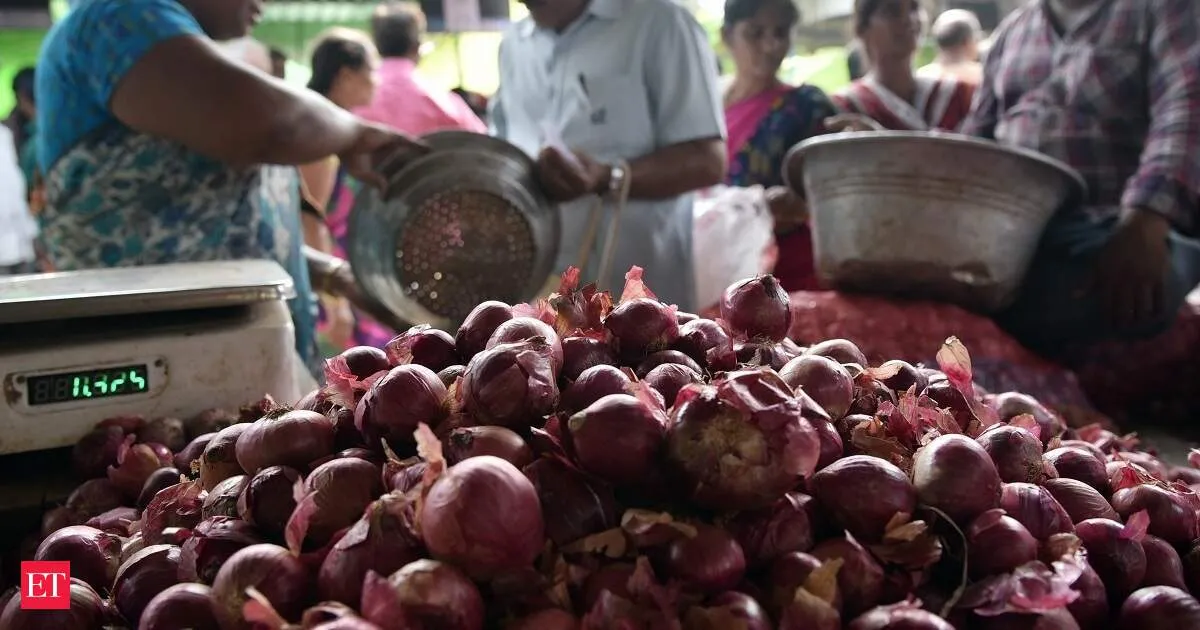
Union Agriculture Minister Shivraj Singh Chouhan announced that the Centre will procure fresh onions from farmers at Rs 12.35 per kg starting Friday, following a sharp fall in onion prices. Speaking in Satara, Maharashtra, he said the government will purchase the entire available stock to support growers. Chouhan linked the decline to disrupted onion exports amid the West Asia crisis, triggered by US-Israeli airstrikes on Iran on February 28, and directed NAFED to carry out procurement.
Your news, in seconds
Get the Beige app — every story in 60 words, updated hourly. Free on iOS & Android.
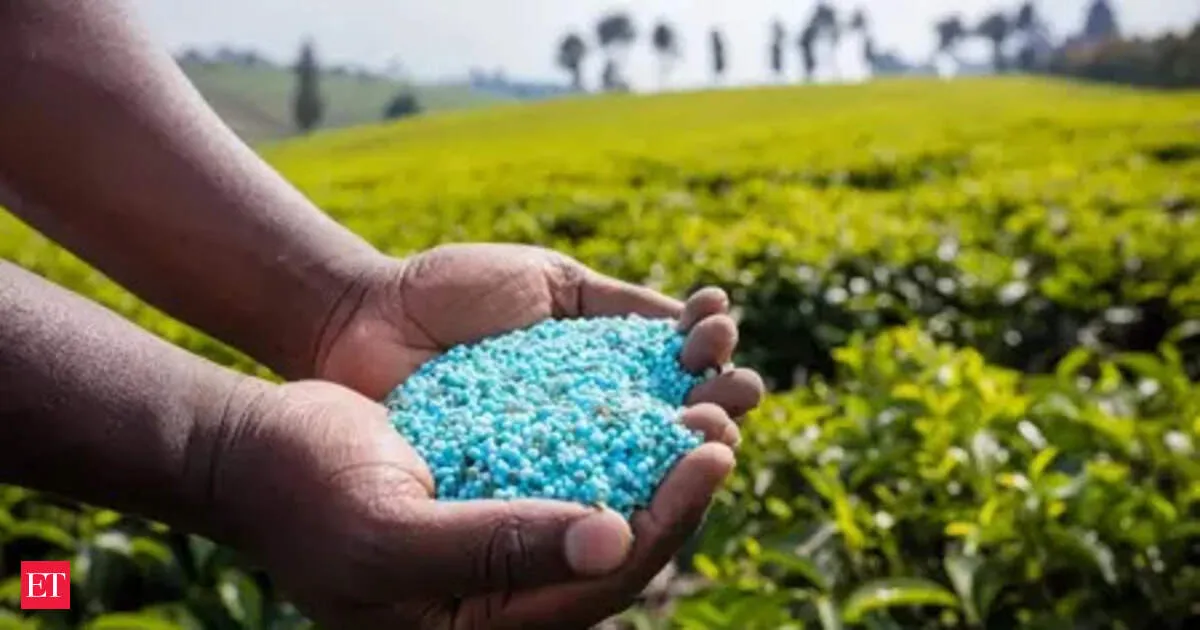
India may need to overshoot its fertiliser subsidy estimates by about Rs 70,000 crore, driven by heavy import dependence for DAP and limited domestic urea coverage. With DAP imports accounting for over 80% of requirements and urea production meeting only 30–35% of total demand, officials say the Centre is focused on ensuring sufficient stocks for farmers at affordable rates.
The Union Cabinet has approved higher Minimum Support Prices for 14 Kharif crops for the 2026-27 marketing season. Sunflower seed will see the largest absolute increase, while cotton and other oilseeds also get sizable hikes. For all notified Kharif crops, MSPs are set at least 50% above production costs, with common paddy fixed at Rs 2,441 per quintal.
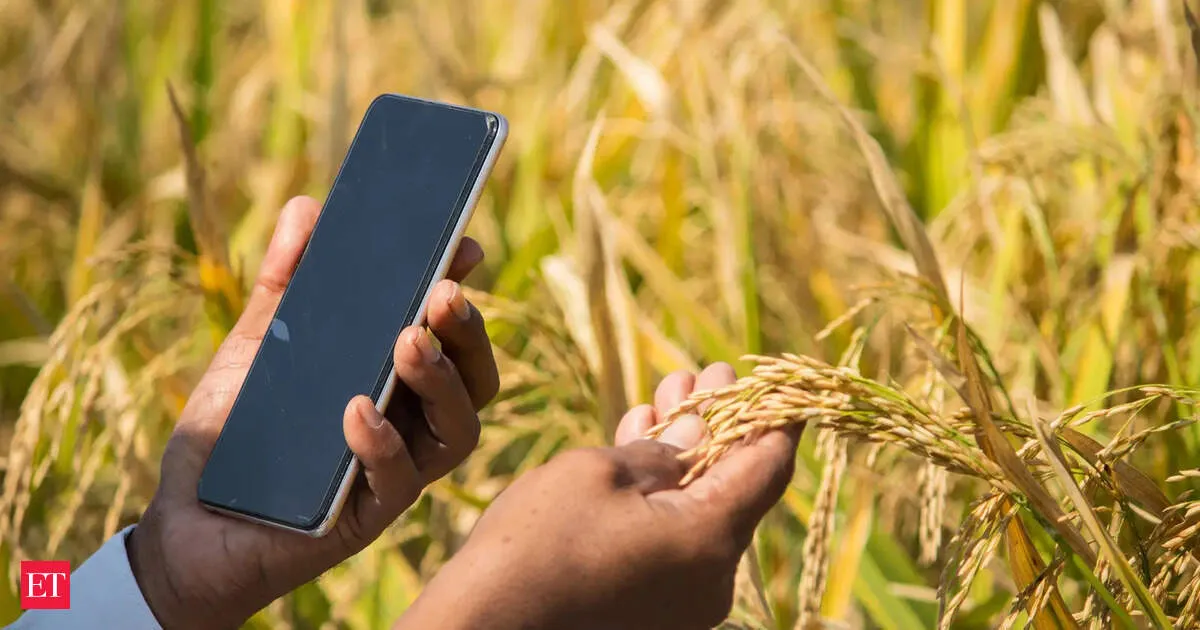
Bayer is deepening its phygital push in Indian agriculture as its FarmRise app hits 5 million users. The expanded offering blends AI-powered advisory with satellite-based insights focused on risk protection, alongside digital marketplaces. The goal: help farmers make faster, smarter decisions that support productivity and sustainability in day to day operations.
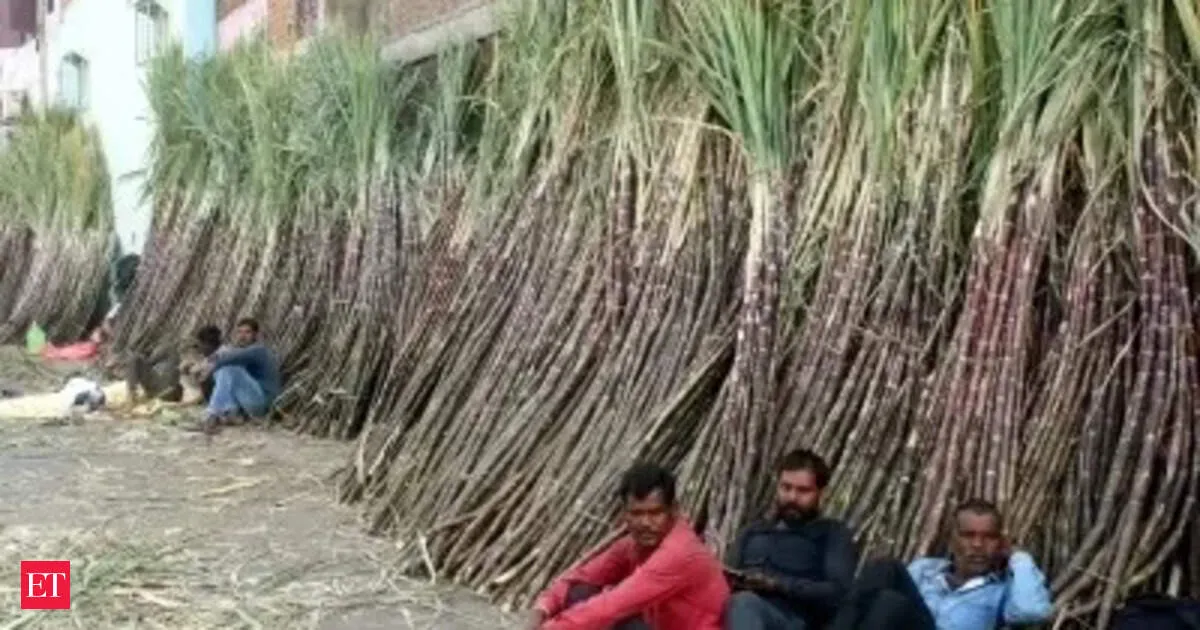
A Rs 10 increase in sugarcane FRP has drawn sharp reactions on both sides. Farmers argue the revised rate is too low to cover rising costs, while sugar mills warn that payments are already under strain and could deepen arrears. The small hike is now triggering bigger questions about pricing, procurement, and whether the season’s finances can hold.
Never miss a story
Set alerts for the topics and sources you care about. Download Beige for free.
Madhya Pradesh Agriculture Secretary Nishant Warwade says the e Vikas fertiliser system has reached 1.3 million farmers so far. He claims it has reduced long queues at procurement points and nudged farmers toward need based fertiliser use rather than habitual over application. The move is positioned as a behavioural change tool alongside distribution improvements.
Ahead of the monsoon, Prime Minister Narendra Modi urged stronger water conservation and more prudent management, pressing farmers to shift to better irrigation practices. He also promoted the government’s Mission LiFE for environmentally responsible living. Modi further credited India’s youth for leadership in digital payments, infrastructure and startups, adding that broad social participation is essential to meet national goals.
Kerala Congress (Joseph) leader Apu John Joseph has clarified that the invitation extended to the Kerala Congress (M) faction to rejoin the UDF was meant in sincerity. He regretted if earlier comments caused hurt, stressing that a strong opposition is vital for Kerala’s political balance. Joseph also reiterated his party’s focus on farmers and land-related issues.
Adani Agri Fresh Limited is expanding into stone fruits, beginning with cherries in Himachal Pradesh. The company has invested in 25,000 MT of storage capacity to extend shelf life and improve market access for local farmers. Building on its experience in apple sourcing, AAFL aims to strengthen farmer livelihoods by reducing post-harvest losses and improving sale timing.
Reading on mobile?
Open Beige in the app for a smoother experience — free on iOS and Android.
Suicide deaths in India’s farm sector declined slightly in 2024 for the second straight year, with NCRB data recording 10,546 cases. Maharashtra reported the highest number of farmer suicides, followed by Karnataka, while several states recorded none. Crop insurance and income support schemes are cited as possible contributors to the reduction.
India plans to expand fruit and vegetable exports to raise farmers’ incomes, create jobs, and bring in foreign currency. Shivraj Singh Chouhan said the Fruit Horizon 2026 programme will strengthen production, improve quality, and scale processing so farmers can capture more value from global markets.
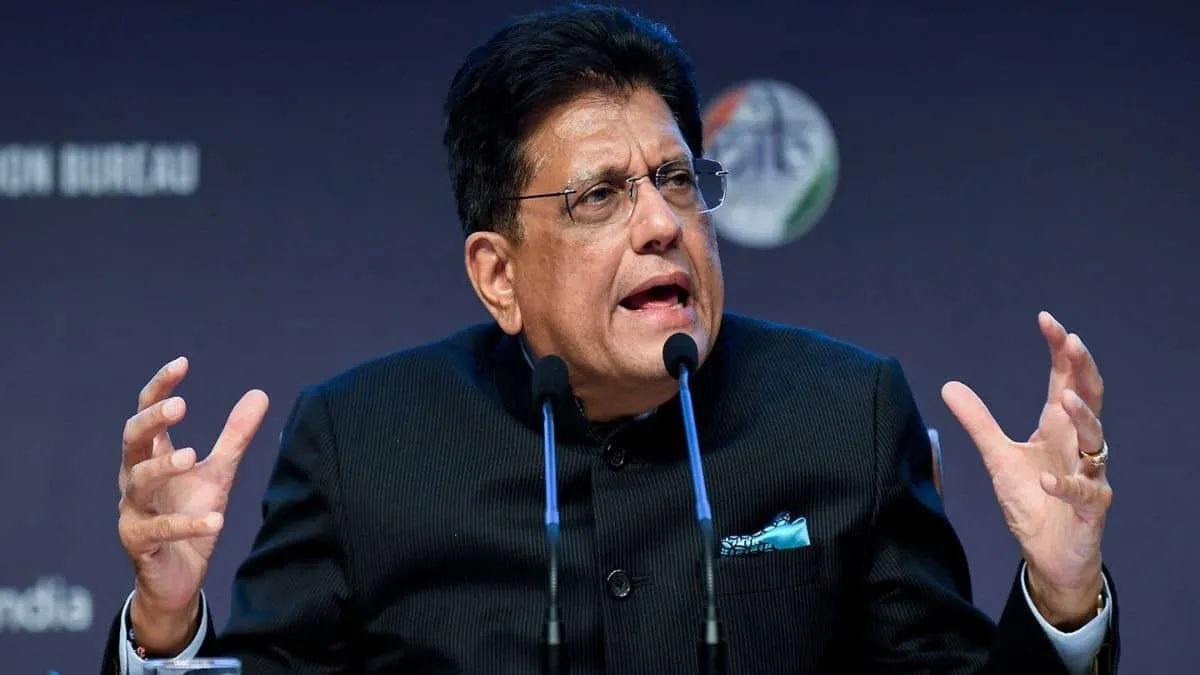
Commerce and Industry Minister Piyush Goyal chaired a meeting focused on improving farmers’ quality of life, expanding India’s standing in the global agriculture market, and deepening agricultural cooperation with African nations. The discussion centered on new initiatives meant to raise outcomes for farmers while strengthening partnerships that could open fresh opportunities in international agri trade and knowledge exchange.
Madhya Pradesh Congress staged a “Chakka Jam Andolan” on the Mumbai-Agra National Highway spanning 747 km across 11 districts. Senior leaders, including Jitu Patwari and Satish Sikarwar, accused the BJP-led state government of betraying farmers on MSP promises and failing to address corruption linked to crop price issues. The protest spotlighted pressure for fair rates and justice for growers.
Follow your favourite sources
Track sources, tags and categories — all in the Beige app.
The government has raised the sugarcane Fair and Remunerative Price (FRP) to Rs 365 per quintal for the 2026–27 season. The new payment structure links farmers earnings to sugar recovery levels: a premium of Rs 3.56 per quintal is added for every 0.1% increase above the defined recovery threshold, while lower recovery reduces payouts accordingly.
Farmers are waiting for the PM Kisan Samman Yojana 23rd installment, expected around June to July 2026, with beneficiaries receiving Rs 2,000. The payout is tied to eligibility under the landholding scheme and requires mandatory e-KYC and Aadhaar linkage to ensure funds reach the right farmers without delays.
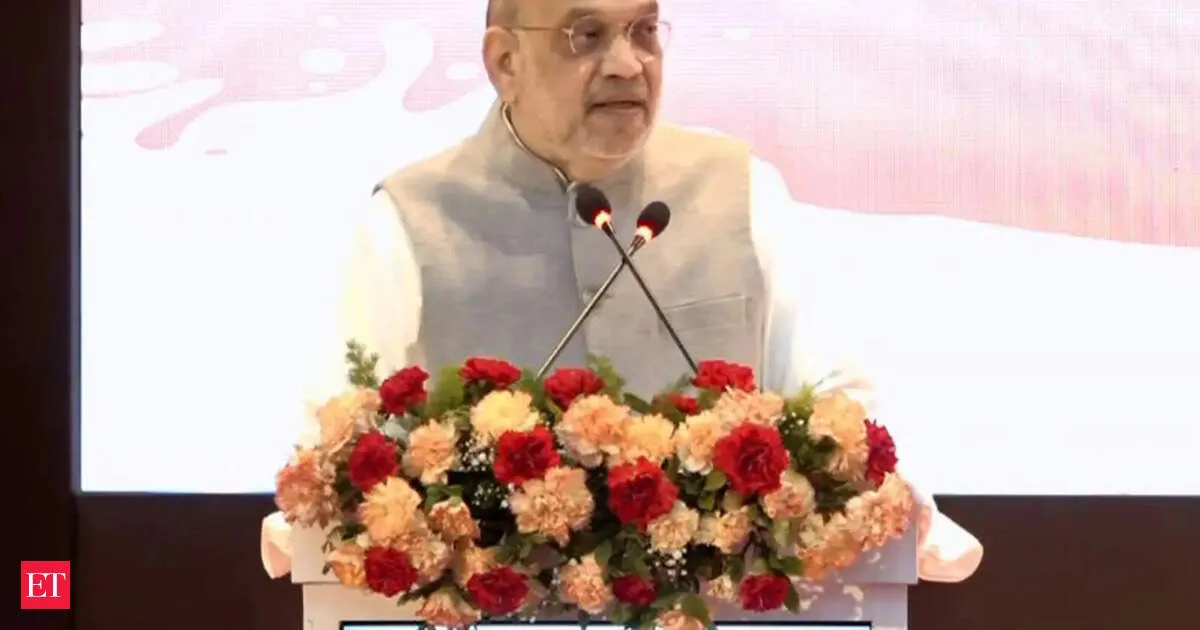
Union Home Minister Amit Shah inaugurated a 10,000 litres per day dairy plant in Kargil and launched new dairy development measures for Ladakh. The package includes mobile milk testing labs and modern cooling systems, aimed at improving milk quality, strengthening self-reliance, and increasing incomes for local farmers across the Union Territory.
India has invoked the WTO peace clause for FY25 rice subsidies for farmers, marking the seventh time it has used the provision. The government says it will provide about $7.6 billion in subsidies, equivalent to 11.85% of the total value of rice production—pushing beyond the usual 10% limit under WTO rules.
Stay informed on the go
Bite-sized news from 100+ trusted sources, right in your pocket.
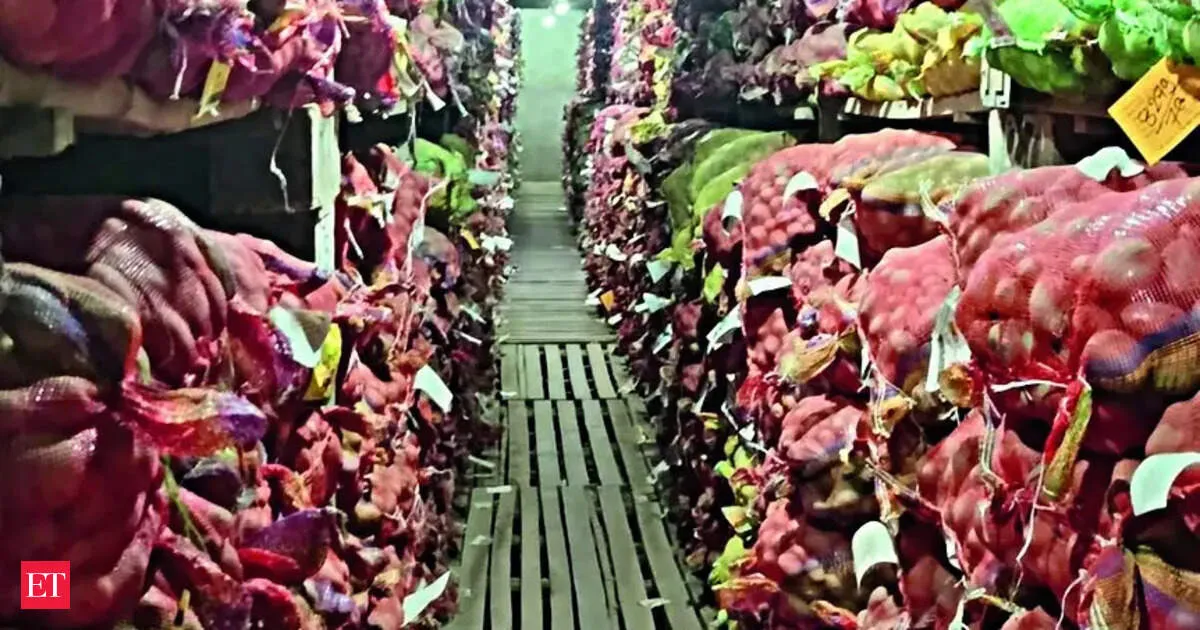
In Purba Bardhaman, potato farmers are caught in a squeeze of capped prices, sluggish demand and weak market access, while migration and livelihood insecurity add to the pressure. With Bengal elections approaching, farmer dissatisfaction is rising, even as TMC maintains strong grassroots influence in the region. The stakes are high for a crop that underpins local income.
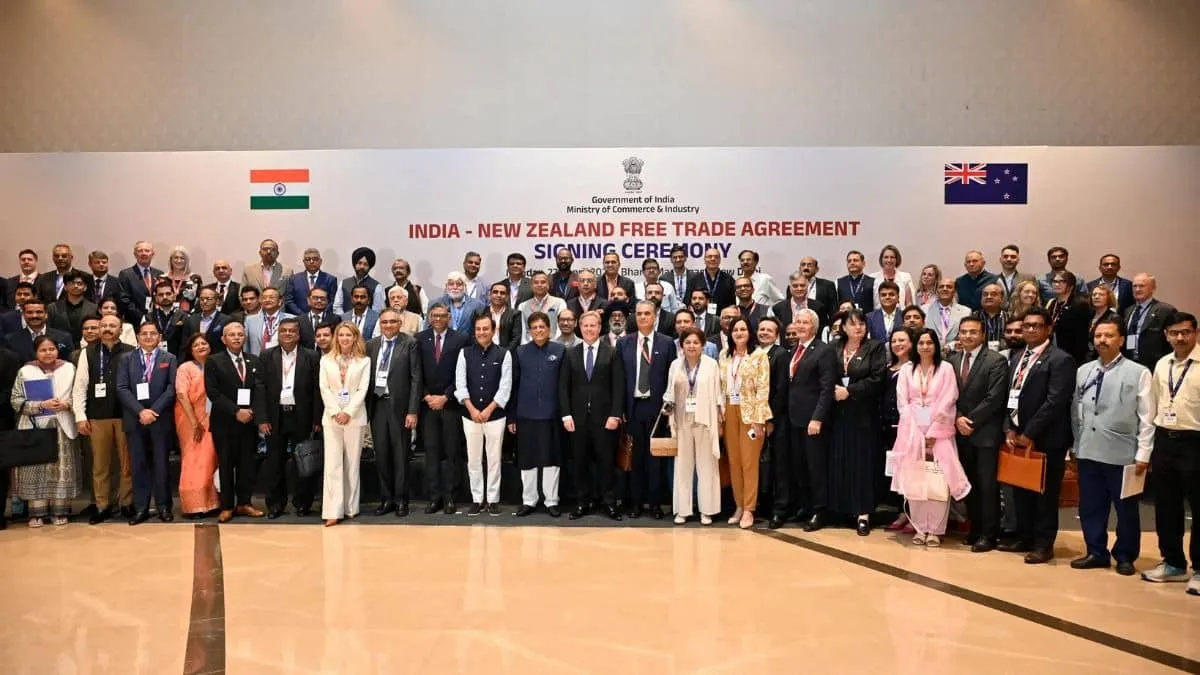
India and New Zealand have signed a comprehensive Free Trade Agreement in Delhi, wrapping one of India’s fastest negotiations with a developed nation. The deal offers zero-duty access for 100% of Indian exports, with major gains in textiles, leather, and gems, while also introducing 5,000 annual visa slots for professionals and extended student work rights. Crucially, dairy, poultry, and sugar remain excluded to protect domestic farmers.
Swipe through stories, personalise your feed, and save articles for later — all on the app.