US-based finance agentic company Numero AI has acquired Royu, a Chennai finance automation startup, in a cash-and-stock deal valued undisclosed. Royu’s co-founders will join Numero’s leadership, with one leading product and the other technology. Together, the firms aim to deploy an AI-native agentic system to automate enterprise finance and controller workflows, including accounting close, reconciliation, and reporting.
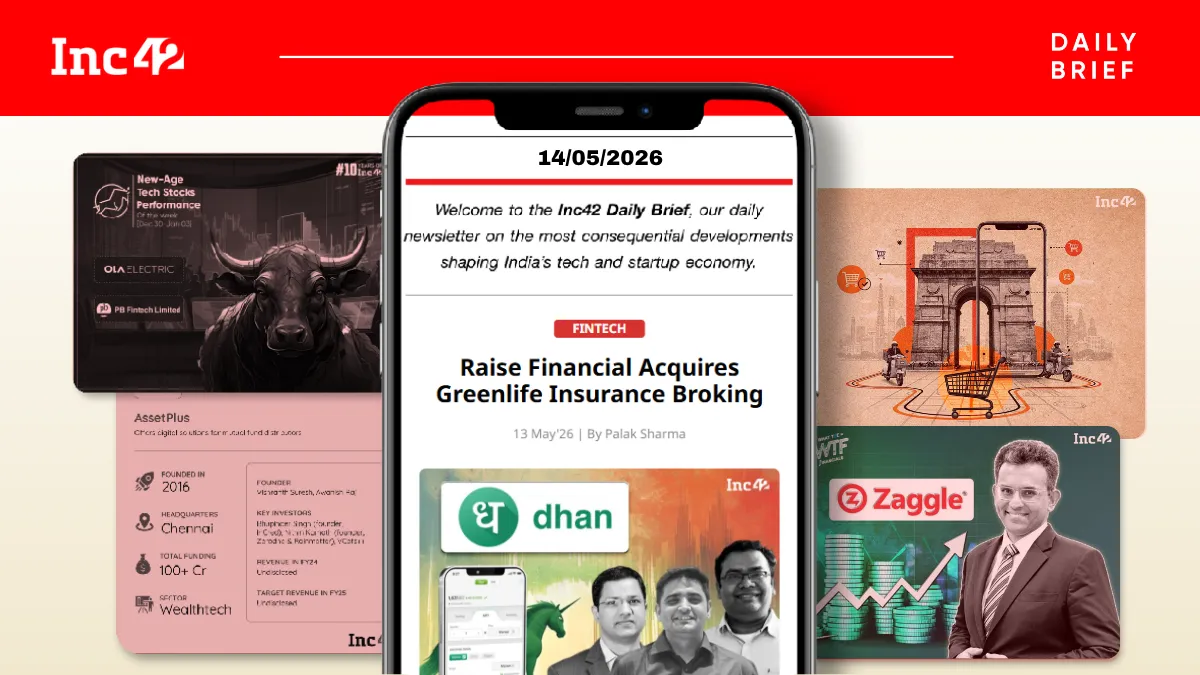
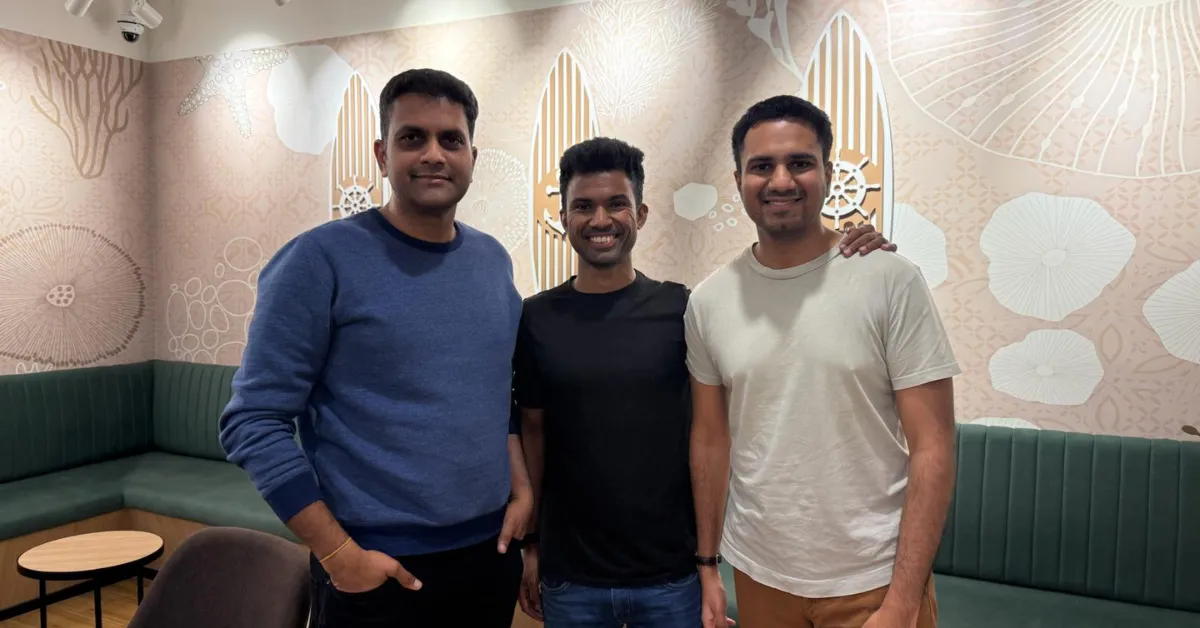
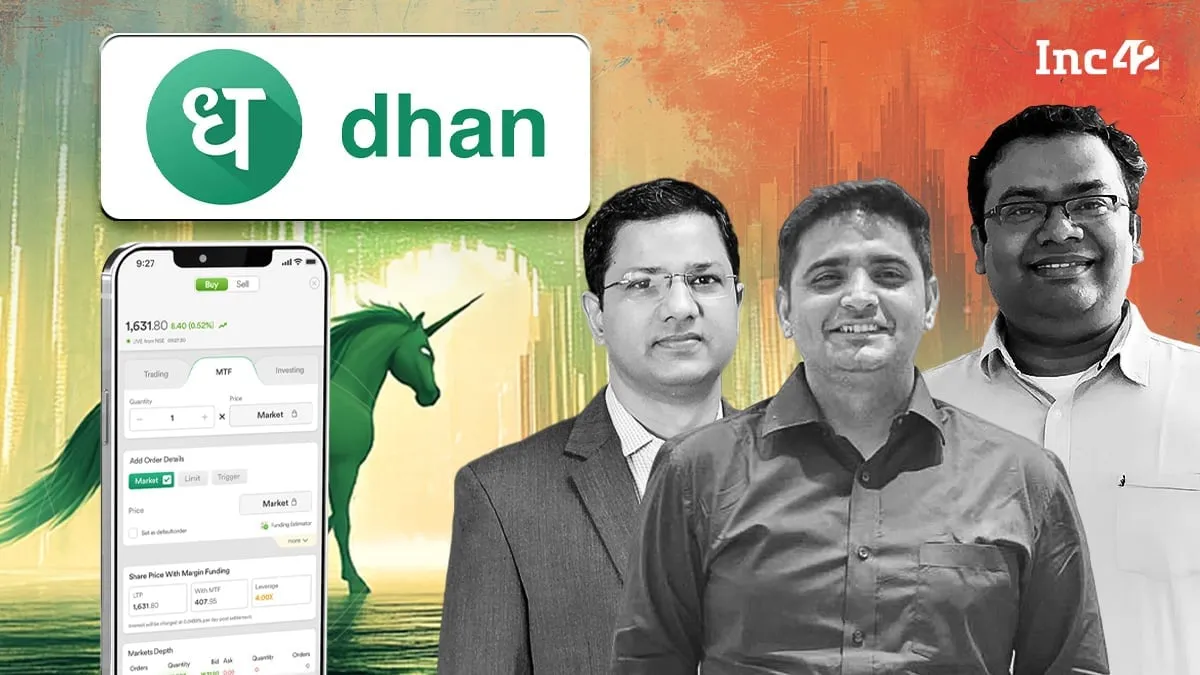
Dhan’s parent Raise Financial Services is accelerating its full-stack fintech ambitions with a cash-and-stock acquisition of insurance broker Greenlife Insurance (GIBL). The deal, terms undisclosed, will bring GIBL’s 25-member team to Mumbai and is paired with a $15 million investment to build a direct-to-consumer insurance business. Raise says it’s a natural bridge from financial planning to recurring trust, leveraging GIBL’s offline presence across 50 East and Northeast cities plus B2B relationships, while the risk is overbuilding amid multiple acquisitions.
Your news, in seconds
Get the Beige app — every story in 60 words, updated hourly. Free on iOS & Android.
Ian Crosby, reeling from Bench Accounting’s 2024 shutdown and sale for scraps, is raising $10 million for a new venture called Synthetic. The company aims to deliver a fully autonomous AI bookkeeper for startups, producing accrual-based financials without human involvement. Though the product is still in design and Crosby admits it may not yet be technically possible, Khosla Ventures is leading the Seed round, arguing that founders can grow from past failures.
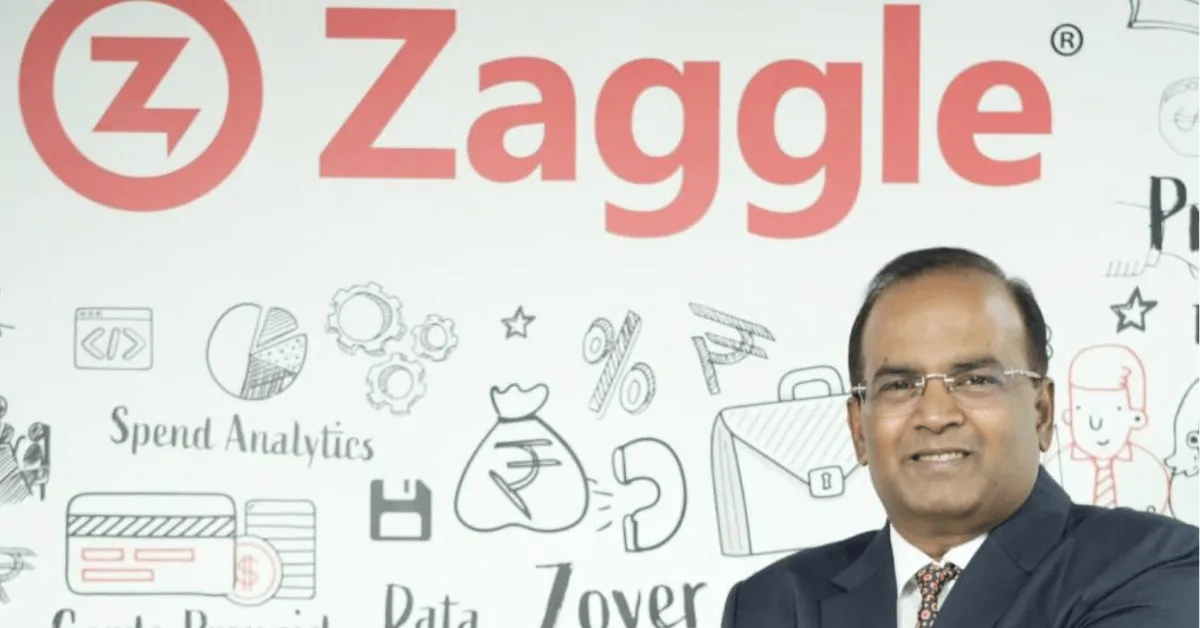
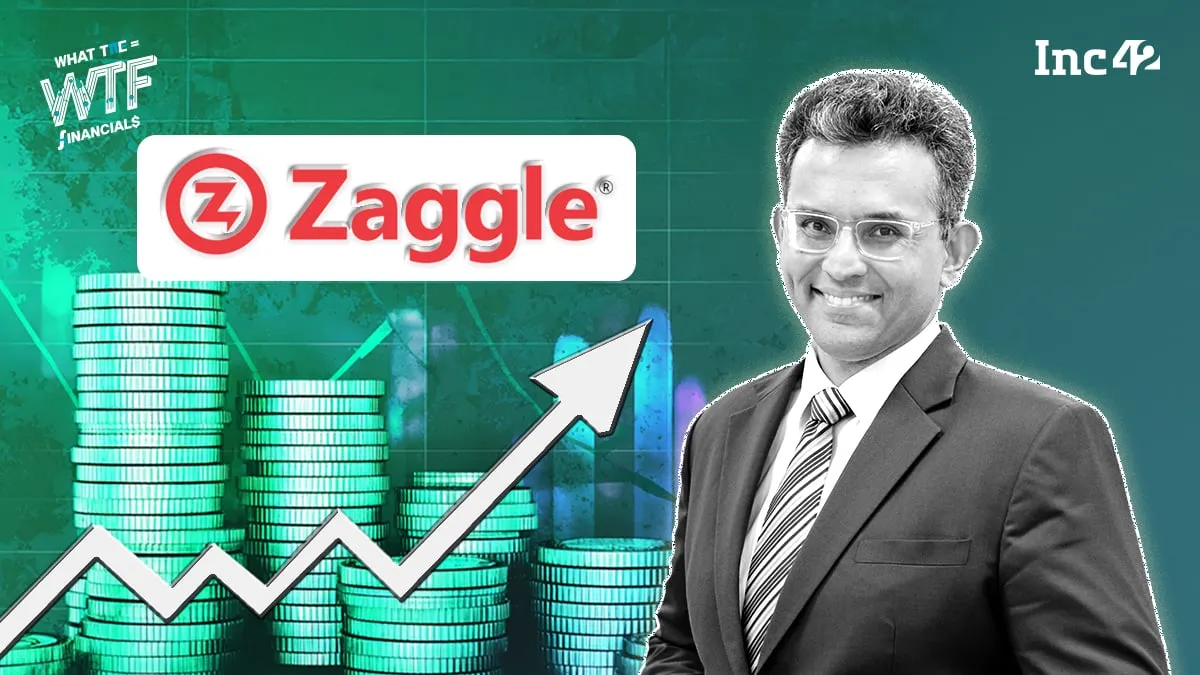
Zaggle’s shares tumbled up to 19% on the BSE despite a solid March quarter, with revenue and net profit rising sharply year-on-year. The selloff was driven by a sequential dip in margins and higher cashback costs, even as operating metrics showed improvement. After paring losses, the stock remained down sharply, logging its biggest single-day drop since listing.
India’s biggest fintech firms are shifting from disruption to regulation by actively chasing multiple licences across payments, lending, and wealth management. Companies such as PB Fintech, Mobikwik, and Paytm are using licensed operations to manage the full customer lifecycle and grow revenues, helped by regulatory pressure and stronger investor confidence in compliant models.
Three former Peak XV Managing Directors have launched Mettle Capital to back Indian startups, marking a sharp new chapter after their abrupt exit from the VC firm. The move lands amid intensifying fintech pressure, with players now hunting for licences as regulatory clarity and funding dynamics shift quickly across the sector.
Never miss a story
Set alerts for the topics and sources you care about. Download Beige for free.
Raise Financial Services, the parent of stockbroker Dhan, has acquired IRDAI-registered GreenLife Insurance Broking in an all-cash and stock deal. The Mumbai-based fintech will invest about $15 million to build a technology-led consumer insurance distribution platform, aiming for launch by end-2026. Regulatory approvals are in place, and GreenLife will remain a wholly owned subsidiary within Raise’s ecosystem.
US AI finance platform Numero has acquired Chennai startup Royu in a cash-and-stock deal described as a double digit million acquisition, despite Royu being under a year old. Royu’s founders will take senior roles as Numero expands into an “agentic AI worker layer” for CFO offices, aiming to deploy AI across finance functions like bookkeeping, order-to-cash, and month-end closing.
Fintech SaaS company Zaggle reported a 30.4 percent YoY jump in consolidated net profit to Rs 40.6 crore for Q4 FY26. Revenue from operations surged 49.9 percent YoY to Rs 617.9 crore, with total income at Rs 626.3 crore. Costs also climbed sharply, up 49.6 percent YoY, even as profit grew sequentially by 9.4 percent.
Early stage deals dominated India’s startup news on 13 May 2026. Instafix raised ₹7.55 crore pre-seed for rapid smartphone repairs. Nivasa Finance secured ₹25 crore seed to expand affordable housing lending. In public market spillover, Groww’s lock in expiry triggered block deals worth ₹5,326 crore, while Jio Platforms named Akash Ambani MD ahead of its IPO.
Reading on mobile?
Open Beige in the app for a smoother experience — free on iOS and Android.
Housing finance startup Nivasa Finance raised ₹25 crore in a seed round led by Prime Venture Partners, with participation from Blume Ventures, Whiteboard Capital, and angels. Founded in 2025, the Bengaluru-based platform links borrowers in rural and semi-urban markets to banks and NBFCs, using remote onboarding and doorstep service. It plans to expand in 12 months, strengthen partnerships, and pursue an NBFC licence.
Raise Financial, the parent of stock trading platform Dhan, has acquired GreenLife Insurance for about $15 million in a cash-and-stock deal. The move is designed to build a direct-to-consumer insurance distribution and broking business, using GreenLife’s decade of experience to expand beyond trading into financial services.
Weeks after buying algo-trading platform Stratzy, Raise Financial Services has acquired GreenLife Insurance Broking in a cash-and-stock deal without revealing terms. The unicorn plans to invest $15 million to build a direct-to-consumer insurance distribution platform, combining GIBL’s insurance expertise with Raise’s product and technology push across metro and tier II markets.
India’s digital lending boom is reshaping credit access as mobile apps disburse large loan volumes quickly, especially for younger borrowers and underserved regions. The same convenience is drawing tougher regulatory focus on transparency and consumer protection. Yet risks remain as the sector evolves, testing how fast growth can coexist with fair lending practices.
Follow your favourite sources
Track sources, tags and categories — all in the Beige app.
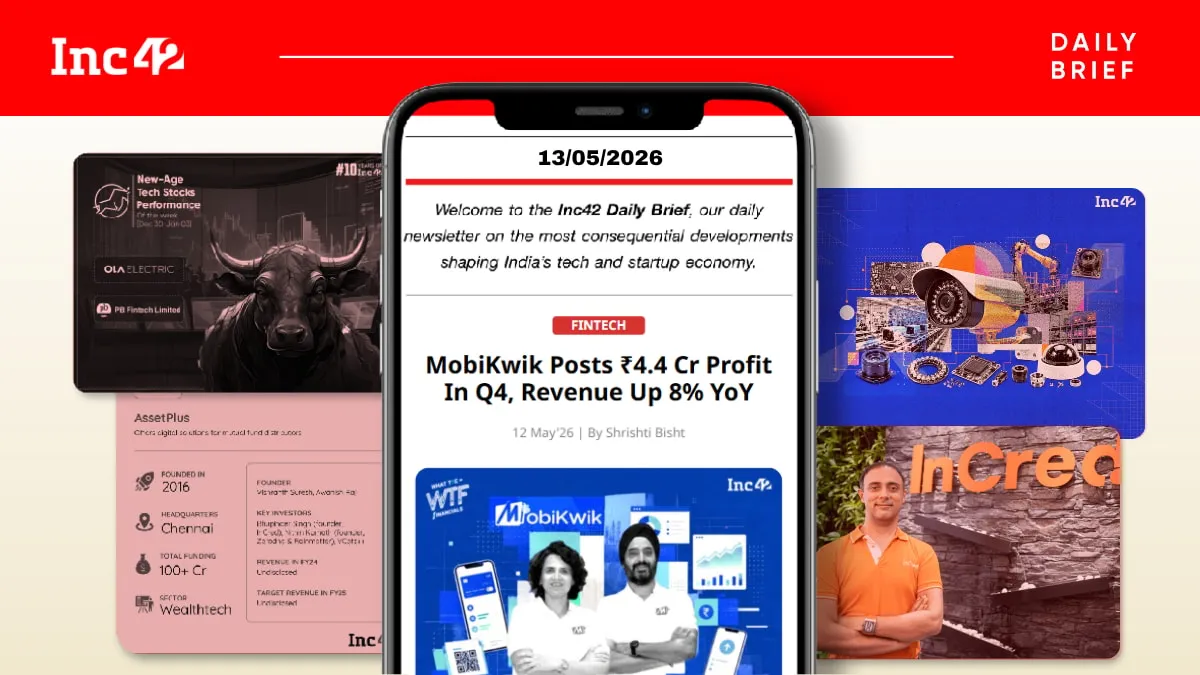
MobiKwik delivered a profitable Q4, posting ₹4.4 crore profit despite revenue contraction. Better payments margins—driven by lower gateway costs and higher-margin merchant activity—helped offset the drag from surging zero-MDR UPI volume. The company is also reshaping its mix with ZIP EMI lending and expanding merchant QR and POS investments. Separately, India’s CCTV shake-up is pushing AI camera and chip startups to fill the China gap.
Groww’s six-month IPO lock-in expired, and investors sold shares worth ₹5,325.8 crore through multiple open-market transactions. Peak XV Partners, Ribbit Capital and Y Combinator together offloaded 29.52 crore shares at an average ₹180.43, with block deals nearly 1.5% below BSE’s ₹183.1 close. It remains unclear who bought the flood of stock eligible to trade after the unlock.
Venmo is rolling out its biggest makeover in years, but the real story may be behind the scenes. PayPal is restructuring to spin Venmo off as a standalone business unit, a move observers say could set up a sale. Adding fuel, reports claim Stripe is interested in buying PayPal outright.
MobiKwik swung to a consolidated net profit of ₹4.4 crore in Q4 FY26, reversing a ₹56 crore loss in the year-ago quarter. Revenue from operations rose 7.8% to ₹288.7 crore, while expenses excluding finance and depreciation fell 14% YoY. Sequentially, profit increased 10%, though revenue was nearly flat quarter-on-quarter.
Stay informed on the go
Bite-sized news from 100+ trusted sources, right in your pocket.
Embedded insurance is quickly finding a growth path in ecommerce and fintech, as payment and online retail platforms bundle protection for merchants. Startups such as Riskcovry and Assurekit use data analytics to build customised coverage, targeting costly issues like return-to-origin shipments and fraudulent orders, while enabling more accurate premium pricing and better risk assessment.
Paytm parent One97 delivered its first full-year profit of ₹552 crore in FY26, after a ₹663 crore loss in FY25. But the win has caveats: interest and investment income from its large cash pile helps materially. Core businesses are improving margins and cash generation, with AI driving cost cuts and growth levers like merchant payments and loans.
Swipe through stories, personalise your feed, and save articles for later — all on the app.