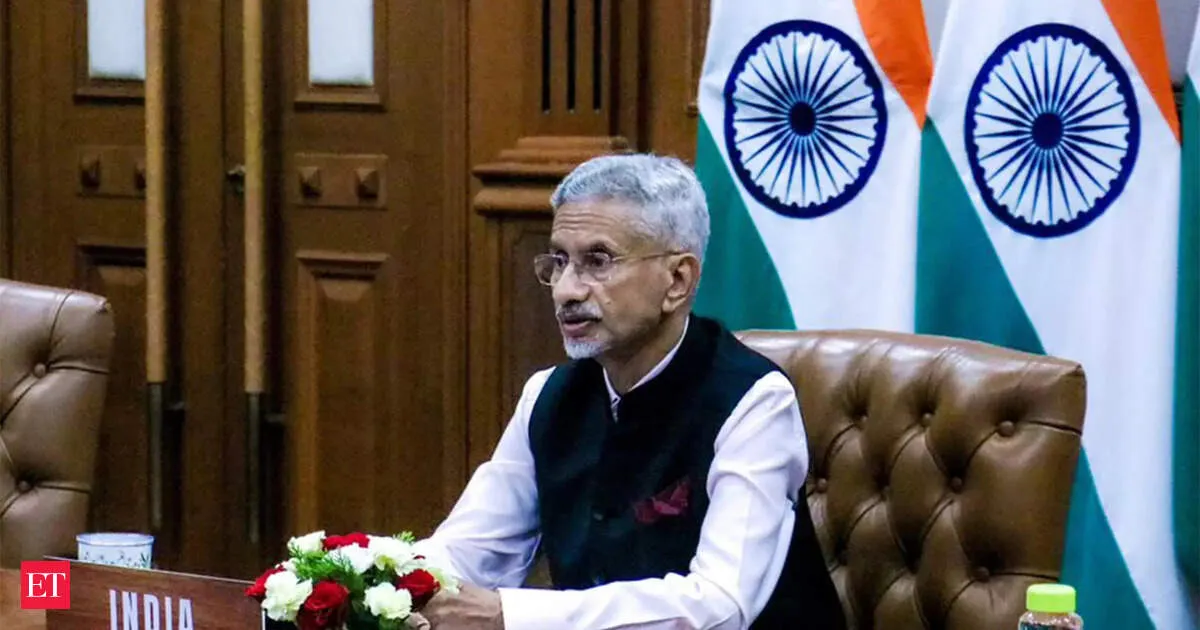
External Affairs Minister S Jaishankar said BRICS can help countries struggling with energy supplies, food and fertilizer availability, and health security. His remarks came as the bloc meets amid geopolitical conflict and economic uncertainty. Emerging markets are looking for BRICS to stabilize conditions while talks cover development, resilience, climate, technology, and shared security priorities including counterterrorism.
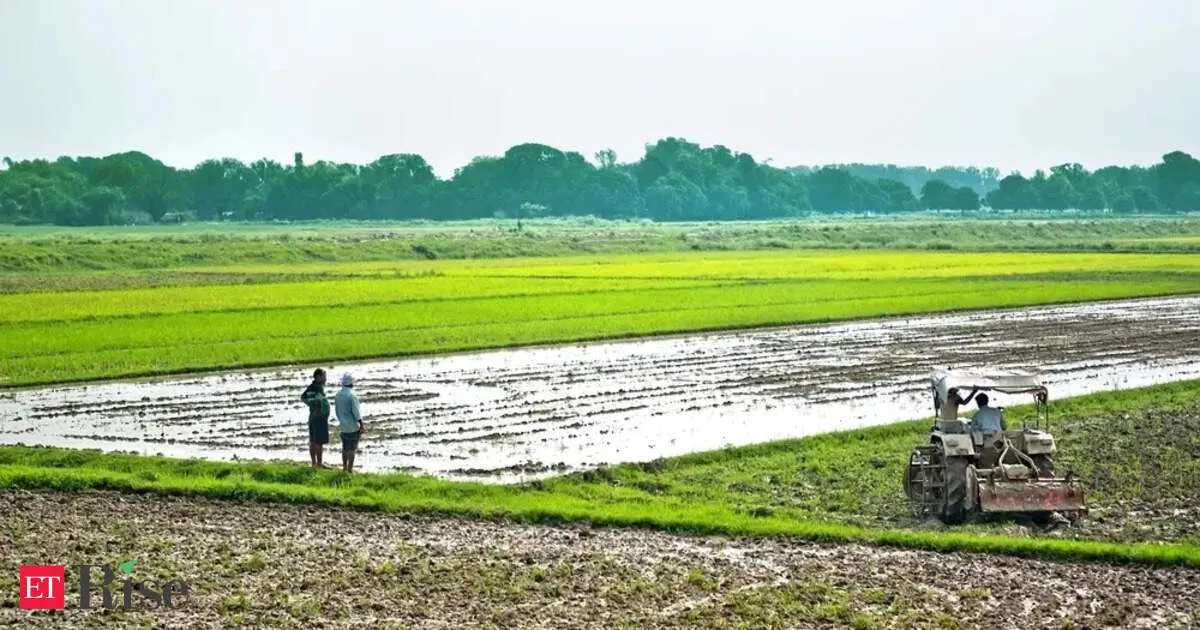
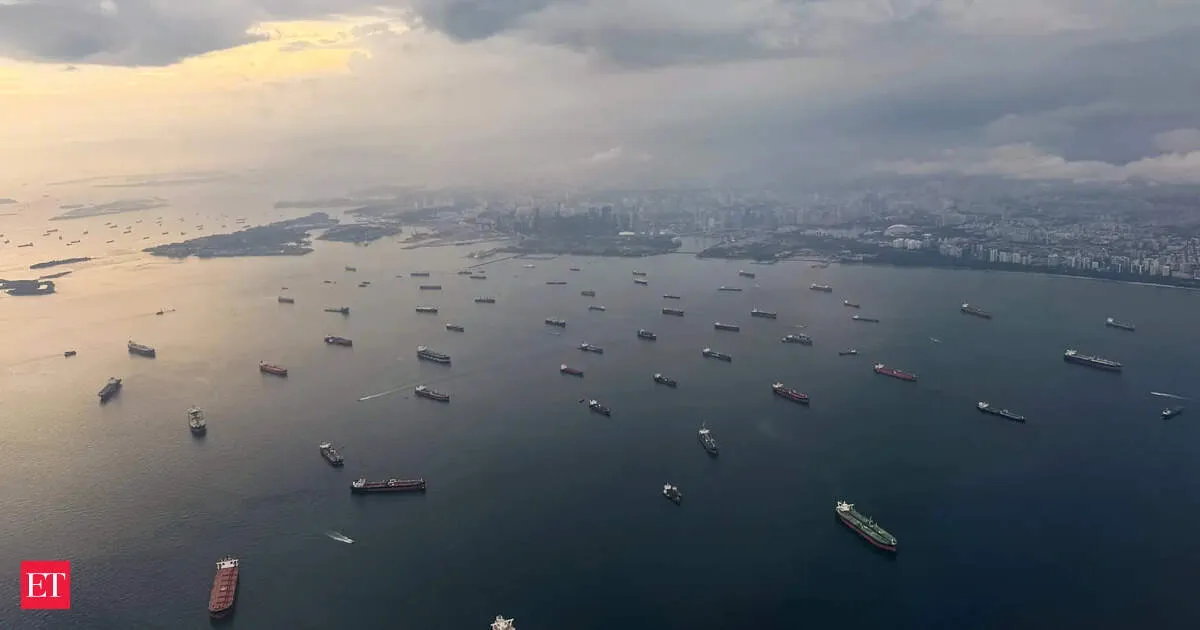
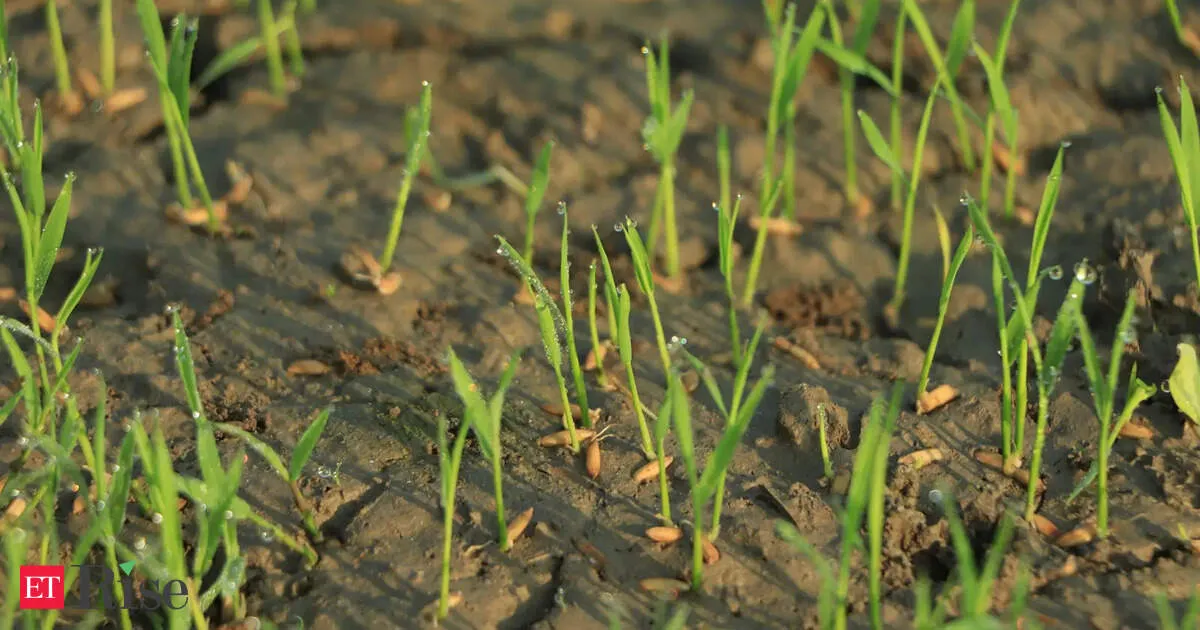
A Gulf shipping standoff is intensifying global supply chain disruption, with international conflicts further squeezing movement of goods. For smallholder farmers, this translates into essential farming inputs like fertiliser and seeds becoming scarce and pricing rising beyond affordability. The result threatens yields and food security, especially in the most vulnerable farming communities already facing thin margins.
Your news, in seconds
Get the Beige app — every story in 60 words, updated hourly. Free on iOS & Android.
A UN task force warns that tens of millions could face hunger if fertilizer shipments are blocked through the Strait of Hormuz. The disruption comes as Iran retaliates amid a wider US Israel conflict, squeezing a trade route crucial to global food production. The UN says political will from key countries is needed to reopen passage and prevent a humanitarian crisis.
ASEAN leaders met in Cebu, Philippines to respond to the economic shock from the Iran war. They’re drafting contingency plans to keep fuel and food supply stable, including coordinated emergency fuel sharing and diversifying oil sources. The summit also focuses on protecting more than a million ASEAN citizens working across the Middle East, with safety measures a central part of talks.
India’s economic growth is forecast to cool to 6.6% in FY27, driven by external shocks including energy supply disruptions and higher oil prices. A new S&P outlook warns that reaching the Viksit Bharat target by 2047 will hinge on faster reforms in energy and food security, including a comprehensive energy storage policy to blunt future volatility.
Nepal plans to procure 80,000 tonnes of fertiliser from India via a government-to-government deal to cushion disruptions in global supply and rising prices. The one-time shipment is meant to cover a projected gap for the upcoming paddy transplantation season, as higher global costs have squeezed Nepal’s ability to import fertiliser.
Never miss a story
Set alerts for the topics and sources you care about. Download Beige for free.
Argentina and India are tightening economic ties, with India now among Argentina’s top trade partners. The partnership is driven by food security and access to essential minerals, but the standout shift is Argentina’s role as a key exporter of edible oils to India. The cooperation also supports India’s energy security needs, building on momentum from 2019.
Indore will host BRICS agriculture ministers from June 12 to 13, with officials meeting earlier from June 9 to 11. The agenda will cover food security, smart agriculture, global trade, and measures aimed at improving farmer welfare. The talks are expected to shape regional cooperation plans ahead of future agricultural commitments.
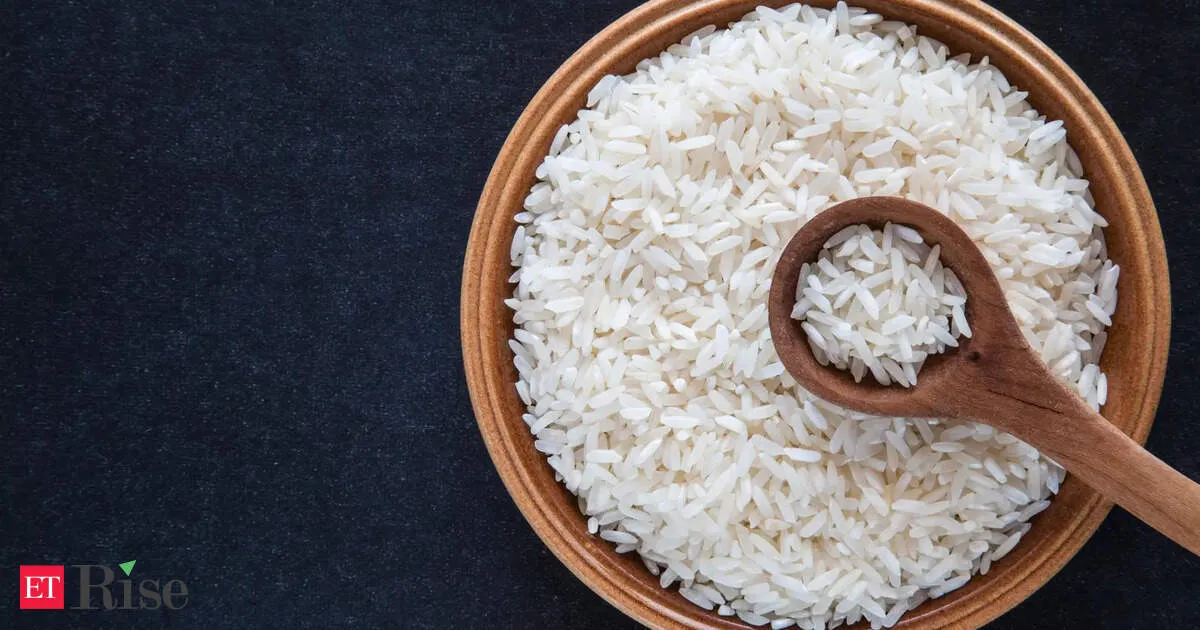
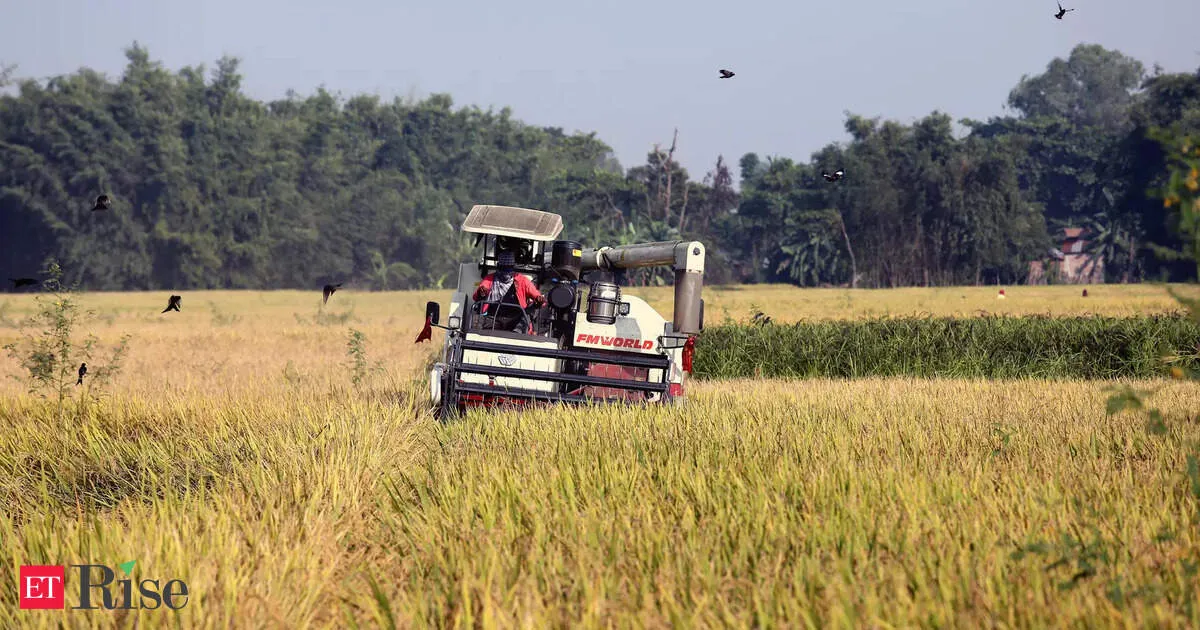
Muted demand across Asia and a weak rupee are pushing India rice prices lower, adding strain to already sensitive regional food security concerns. Thailand’s rice market remains steady despite subdued buying, while rising production costs are expected to prevent prices from falling further, potentially holding or nudging rates higher.
Asia-Pacific governments are tightening fuel subsidies and imposing restrictions as Middle East conflict strains energy supplies longer than expected. To cushion the blow, countries are diversifying energy sources and drawing down reserves, but officials warn the situation could deteriorate. If disruptions persist, the region faces risks to economic stability and even food security.
Reading on mobile?
Open Beige in the app for a smoother experience — free on iOS and Android.
China says it will stabilize its fertilizer market as spring planting starts, after domestic prices rose but stayed well under international benchmarks. The agriculture ministry claims supplies will remain ample, a move aimed at protecting food security during the critical planting season. The commitment could influence global fertilizer expectations and pricing dynamics.
Forecasters warn a strong El Nino is likely in the second half of 2026, bringing hotter, drier conditions across Asia. The outlook raises risks for crops and food supplies, as farmers may struggle with fertilizer shortages and high fuel costs. India is bracing for below-average monsoon rains, Southeast Asia could see weaker palm oil and rice output, and China faces a higher flood risk.
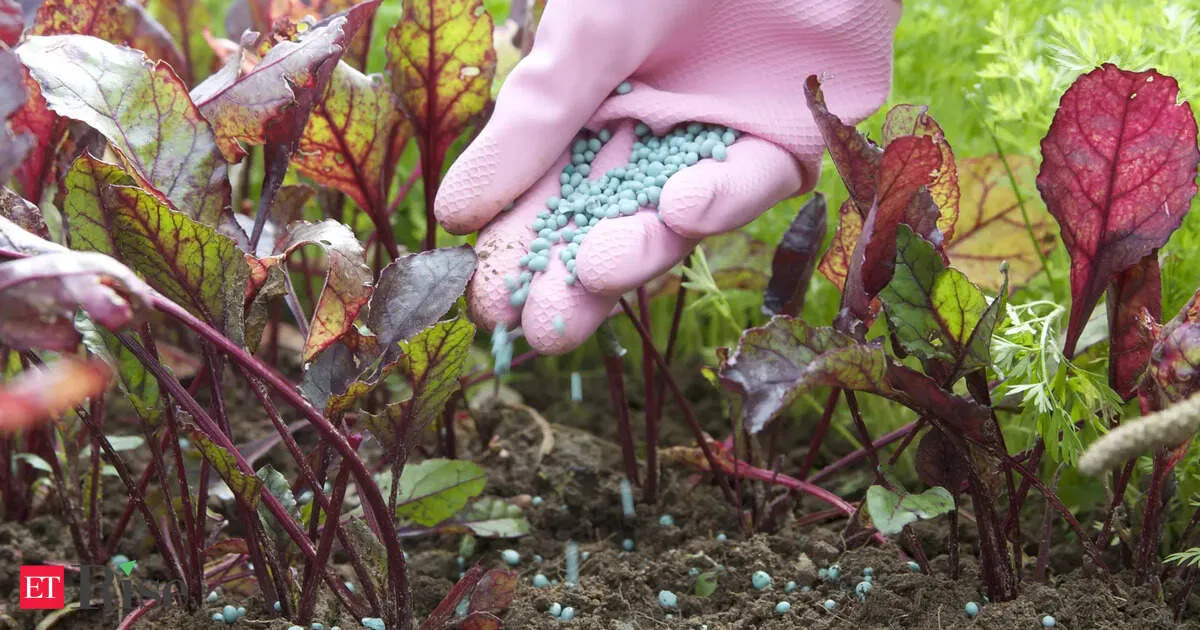
Fertilizer prices are surging, hitting key agricultural economies as urea and phosphate become harder and costlier to source. Major exporters are curbing sales to manage shortages and earnings, while importing countries hunt for alternative supplies, raising the risk of a wider food crisis if the imbalance persists.
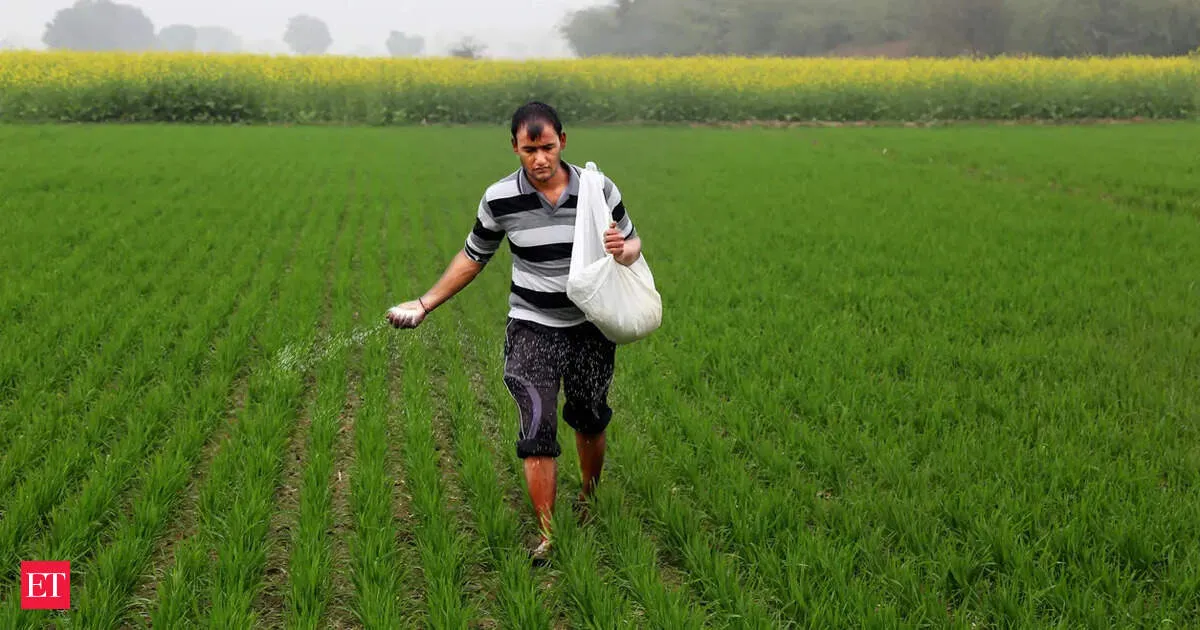
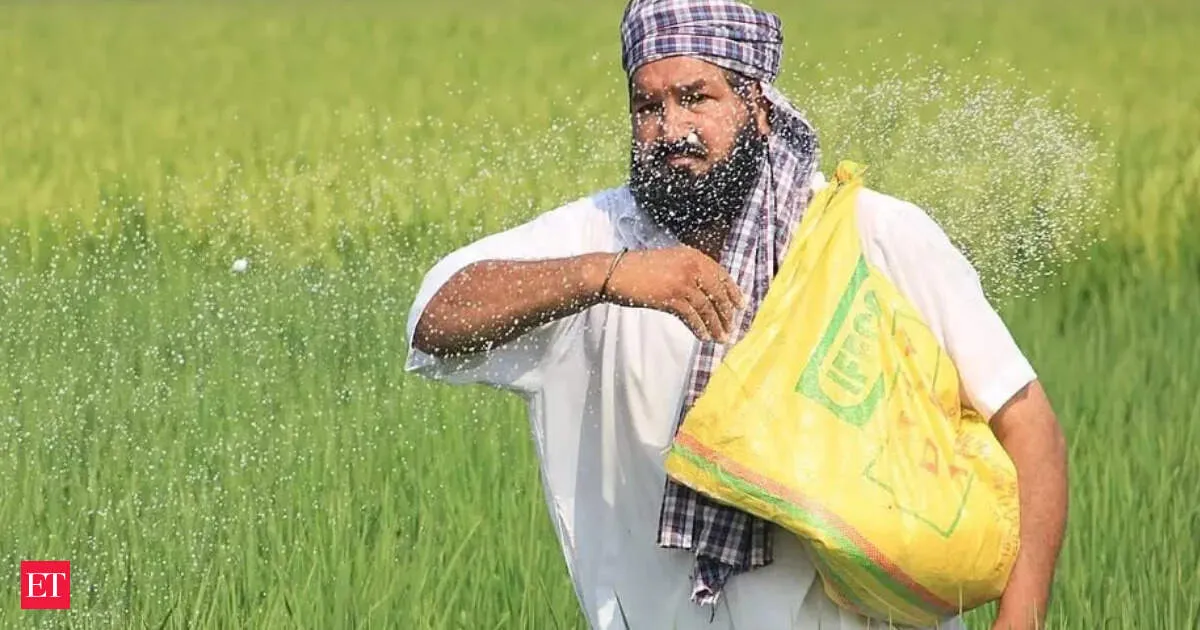
India’s government is pushing alternatives to chemical fertilisers after a 24.6% drop in output and supply disruptions tied to the Strait of Hormuz crisis. The Centre is planning targeted action in high-use districts and aims to reduce chemical fertiliser usage by 25% by 2030, timed ahead of the kharif season and the food production cycle.
Follow your favourite sources
Track sources, tags and categories — all in the Beige app.
Indonesia’s shift to use palm oil for biofuels is set to challenge India’s food security, since India relies heavily on edible palm oil imports from Indonesia. With domestic production constrained by climate, India may have to scramble for alternative sourcing to avoid shortages and price spikes.
UN agencies warn that rising heatwaves are undermining global food systems as farmers and fishers face worsening conditions. Yields are dropping and harvests are failing more frequently, threatening supply and livelihoods. The agencies say the outlook will keep deteriorating unless climate change is urgently addressed.
Swipe through stories, personalise your feed, and save articles for later — all on the app.