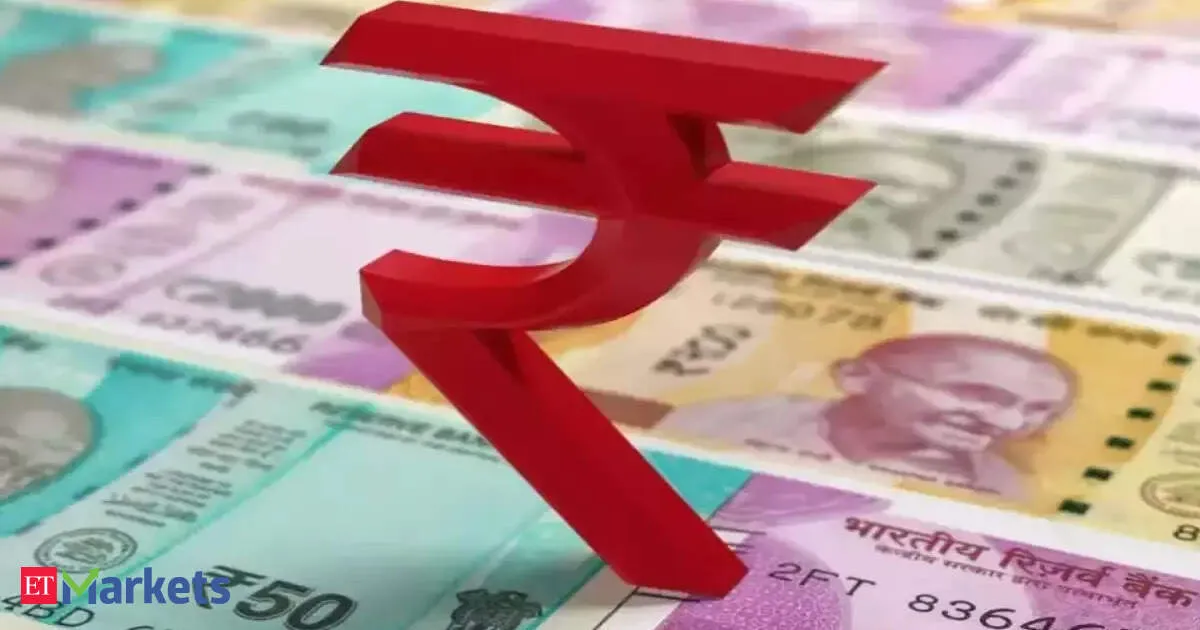
India is deploying emergency measures to shield the economy from Iran war fallout. State oil refiners raised gasoline and diesel prices by over 3% after crude surged, while authorities tightened gold import rules and temporarily banned sugar exports. Delhi government staff were asked to work from home twice a week to conserve fuel. With the rupee slipping past 96 per dollar, a widening trade deficit, and foreign investor outflows, officials are also exploring incentives for foreign bond investors.
The Indian rupee has closed at a fresh lifetime low of 95.08 per US dollar, driven by stronger dollar demand and firm crude prices. Pressure is rising as oil costs linked to the Iran conflict weigh on the currency, while capital outflows add to the strain. The RBI is reportedly exploring steps to attract dollar inflows to bolster reserves.
Your news, in seconds
Get the Beige app — every story in 60 words, updated hourly. Free on iOS & Android.
The Reserve Bank of India has reduced deposits with other central banks and increased allocation to US Treasury bills, signaling a shift toward assets with deeper global liquidity. The change is linked to rising geopolitical tensions and aims to strengthen India’s foreign exchange reserves through the transition to more globally liquid instruments.
Swipe through stories, personalise your feed, and save articles for later — all on the app.