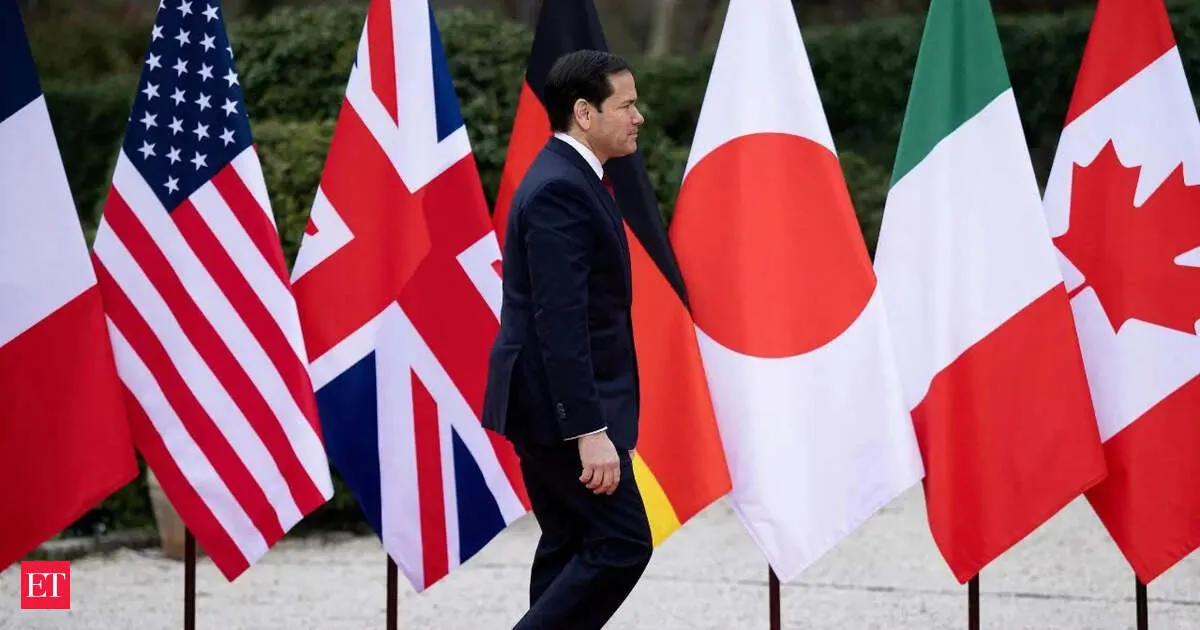
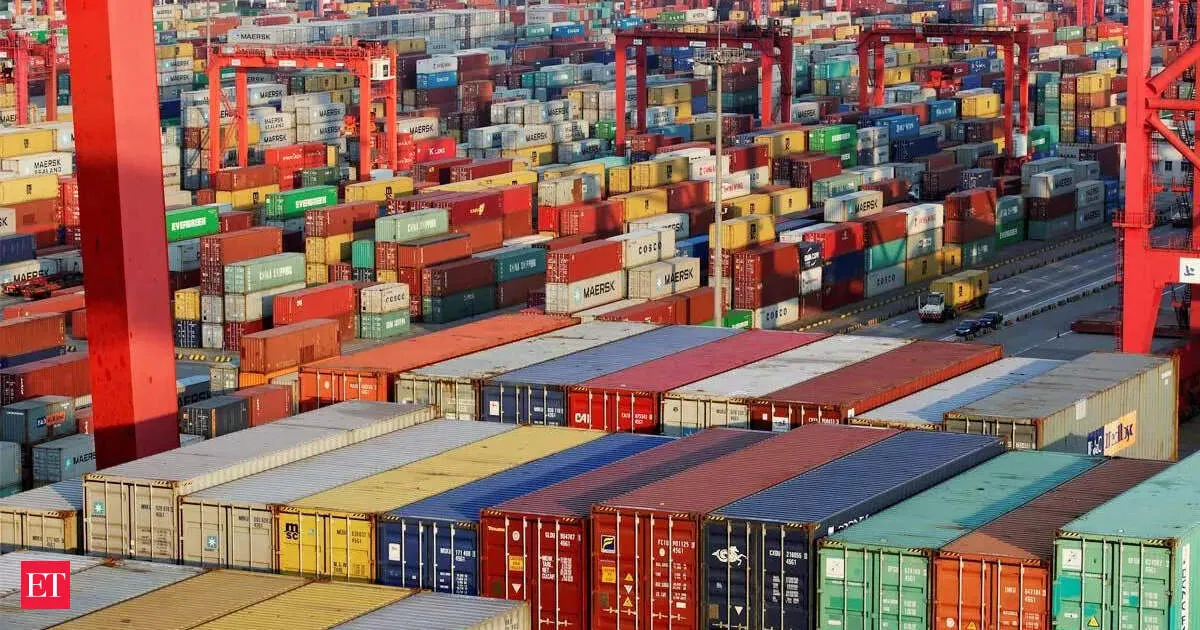
G7 trade ministers have sharply criticised “economic coercion,” alleging arbitrary export restrictions—especially on critical minerals—that could disrupt global supply chains. In a pointed message widely seen as directed at China, they warned such moves undermine economic security and resilience, urging caution over policies that can destabilise access to essential resources.
G7 trade ministers are set to meet in Paris to focus on critical minerals, small package trade, industrial overcapacity, and economic security. The economic fallout from the ongoing Middle East conflict will also feature. However, the latest US threat of new tariffs on European vehicles will not be discussed in the main G7 session, instead addressed through separate bilateral talks.
Your news, in seconds
Get the Beige app — every story in 60 words, updated hourly. Free on iOS & Android.
G7 ministers urged an “ambitious review” of the OECD’s Development Assistance Committee rules, aiming to better incorporate private capital and non-traditional financing. The push is meant to simplify development architecture, lower administrative costs, and improve efficiency. A key shift could recognize vulnerability beyond per capita income, potentially widening support for countries including India.
France, during its G7 presidency, plans to advocate for a major overhaul of the Development Assistance Committee metrics used to decide who receives global development aid. Minister Eleonore Caroit says today’s income-based criteria fail to reflect climate-driven vulnerabilities, especially for small island states. The push seeks better targeting and more sustainable aid delivery.
Swipe through stories, personalise your feed, and save articles for later — all on the app.