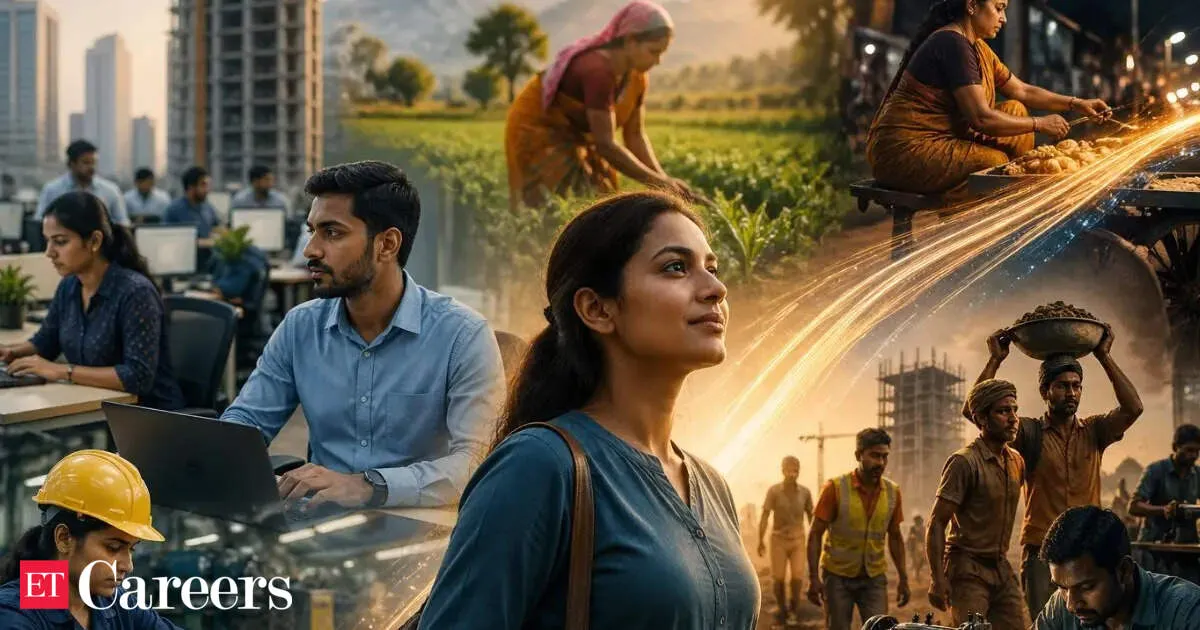
Labour Day data shows incomes are rising overall, with women’s wages growing faster than men’s. But the gains aren’t evenly shared: major pay and work-condition differences persist between states. The snapshot also flags that many workers continue to face long hours and limited social security coverage, leaving job quality far from uniform.
An Indeed survey finds women remain sharply underrepresented in India’s deeptech sector, with entry-level representation ranging as low as 0–10% at many firms. While job-seeking stays steady, structural hurdles limit career progression and create pay perception gaps. Employers largely agree workplace setups shape opportunity access, but few have corrected compensation—raising the need for transparent, bias-free evaluations.
Your news, in seconds
Get the Beige app — every story in 60 words, updated hourly. Free on iOS & Android.
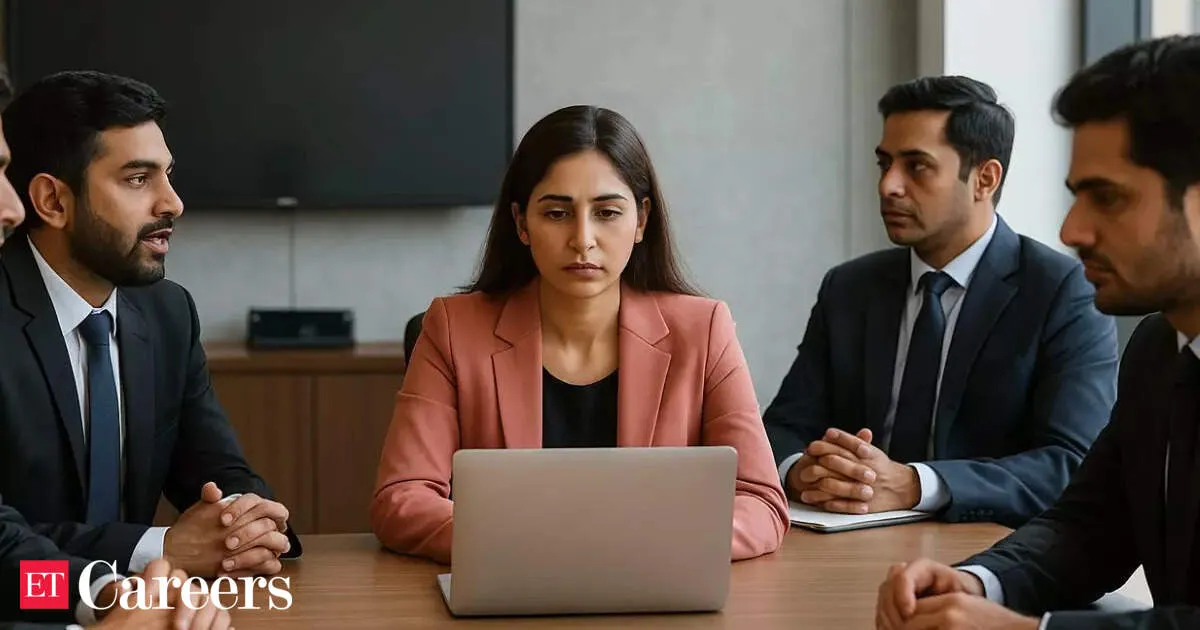
A new report finds a stark gender gap in India’s unicorn leadership: women occupy only about 10% of C-suite roles. The underrepresentation is especially sharp in tech and strategic functions, where women are far less likely to become CEOs, CTOs, or CIOs. Even as women lead strongly in HR, systemic barriers still limit advancement and acceptance in top positions.
New research finds firms with women in leadership tend to perform better, with female managers more accurately spotting and promoting talent—improving productivity. But the expected fade of discrimination doesn’t show up. Even in wealthy countries, persistent gender gaps and workplace conventions continue to limit women’s rise into top roles.
A new report highlights a stubborn gender leadership gap across Indian companies. It finds that women’s internal promotions fall well behind men’s as they near 50, with career breaks further limiting upward mobility and pay equity. The study also flags uneven access to high-stakes, revenue-generating roles—often critical to promotion pathways.
A new report finds stubborn gender stereotypes around “future-facing” skills like AI and data analysis. Nearly half of men view these roles as masculine, while women largely see them as neutral or even feminine. Even as perceptions of women’s effectiveness improve, this AI-linked bias could deepen the leadership gap.
Never miss a story
Set alerts for the topics and sources you care about. Download Beige for free.
A new study warns of a widening AI confidence-capability gap among India’s engineering workforce. Many engineers believe they are ready for AI roles, yet few have strong hands-on practical skills. That mismatch is complicating hiring and could stall careers. Women engineers face extra hurdles, including work-life pressures and limited mentoring, prompting firms to favor proven capability over self-assessment.
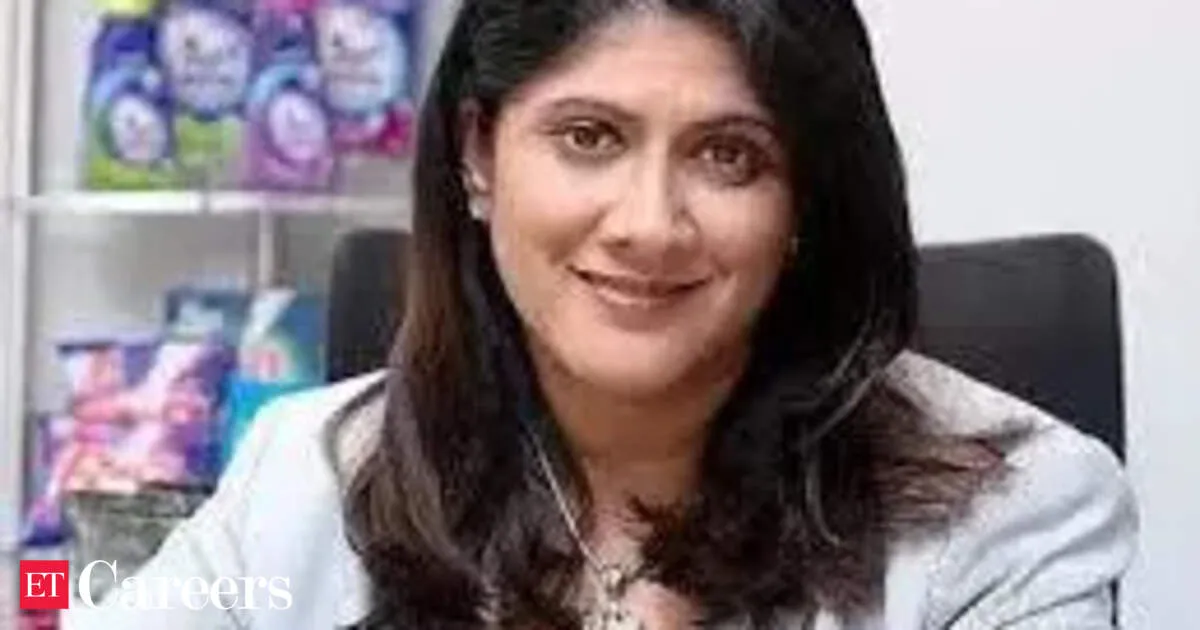
Hindustan Unilever has appointed Priya Nair as its next CEO and managing director, effective August 2025, signaling another milestone for women at the helm of India’s corporate world. Yet the article stresses that female leadership at top levels remains rare, with ongoing hurdles around hiring, retention, and career progression slowing broader change across sectors.
Women’s participation in apprenticeships is rising fast, with numbers climbing sharply from 2021-22 to 2023-24 as structured training programs broaden access across sectors. The progress is narrowing gender divides, but the report finds many organizations still employ few or no women apprentices. Continued targeted inclusion is urged to unlock India’s workforce potential fully.
Swipe through stories, personalise your feed, and save articles for later — all on the app.