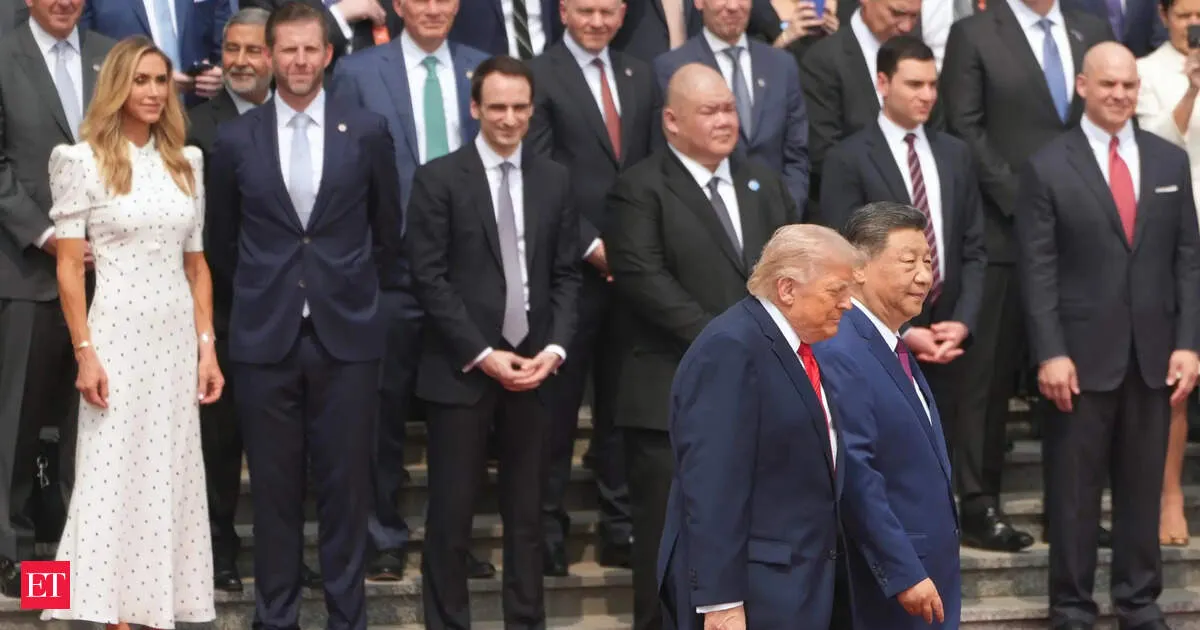
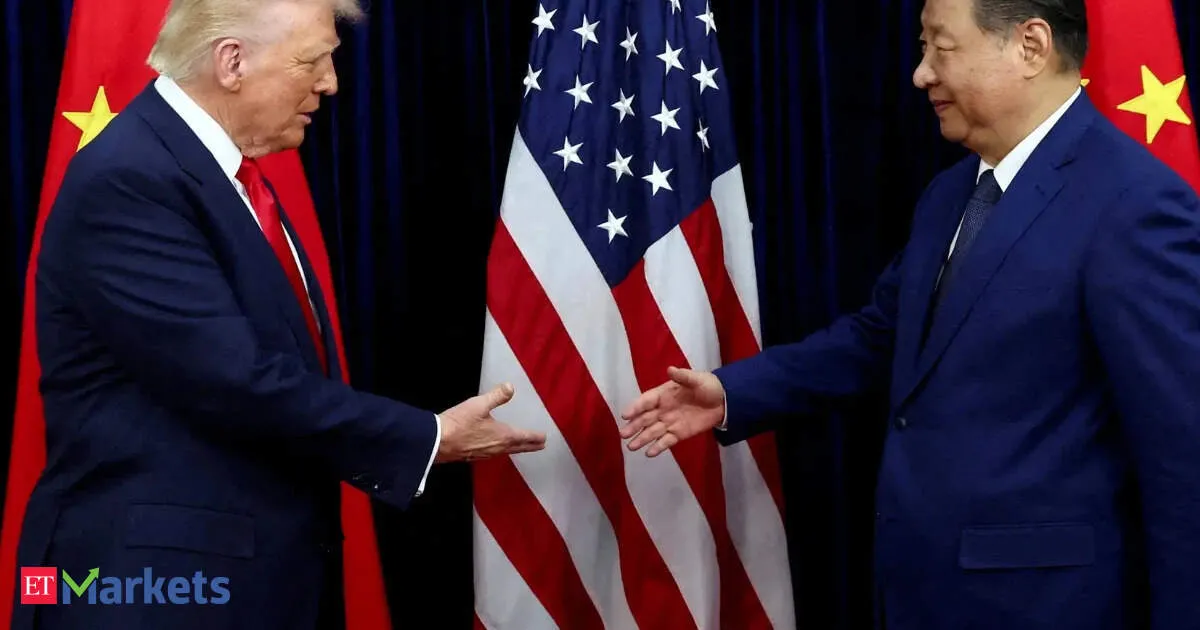
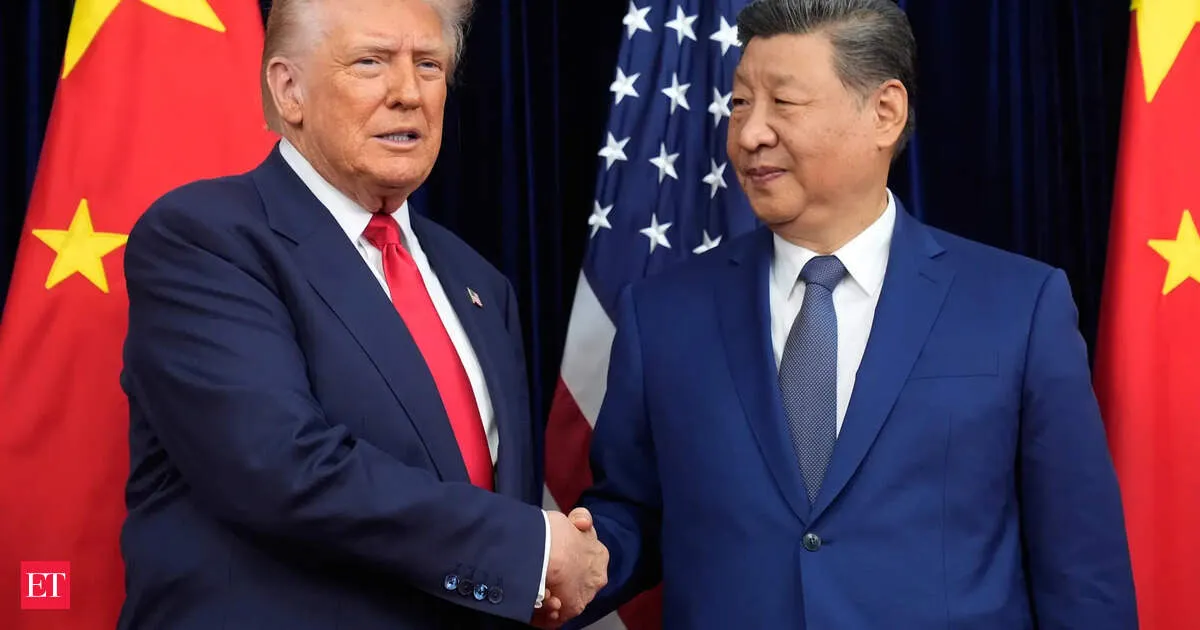
President Donald Trump’s Beijing visit delivered only modest summit deliverables, but it did reset the U.S.-China relationship into a familiar economic and strategic standoff. After last year’s trade war escalated with “Liberation Day” tariffs, the two leaders’ two-day talks with Xi Jinping signaled a return to “constructive strategic stability.” Key issues—U.S. concerns over trade practices and Indo-Pacific military buildup—went largely unaddressed, leaving China a fragile truce and the U.S. limited gains.
Singapore Airlines CEO Goh Choon Phong said Air India’s surging losses have dragged Singapore Airlines’ annual profit down 57%, citing a chain reaction of geopolitical disruptions, Pakistani airspace restrictions, and currency volatility. He pointed to cost inflation and longer, fuel-intensive routes on North America services, plus elevated West Asia-linked fuel prices, delivery delays, and supply-chain setbacks. Air India losses more than doubled to ₹25,606 crore in FY26, with added FX and labor compliance pressures.
Your news, in seconds
Get the Beige app — every story in 60 words, updated hourly. Free on iOS & Android.
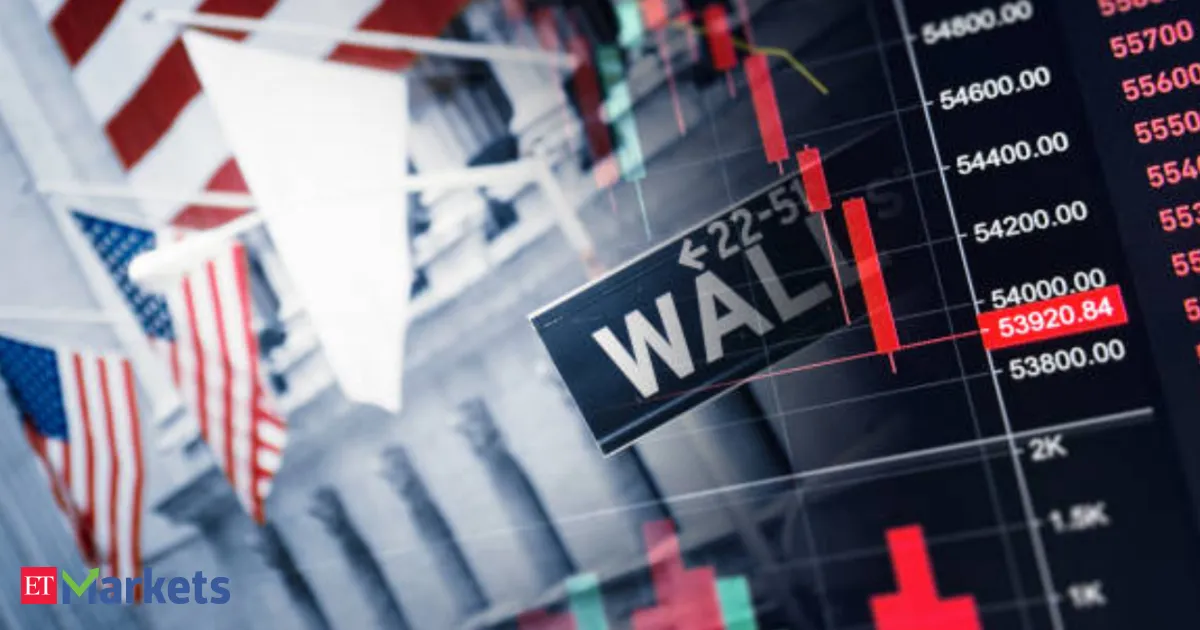
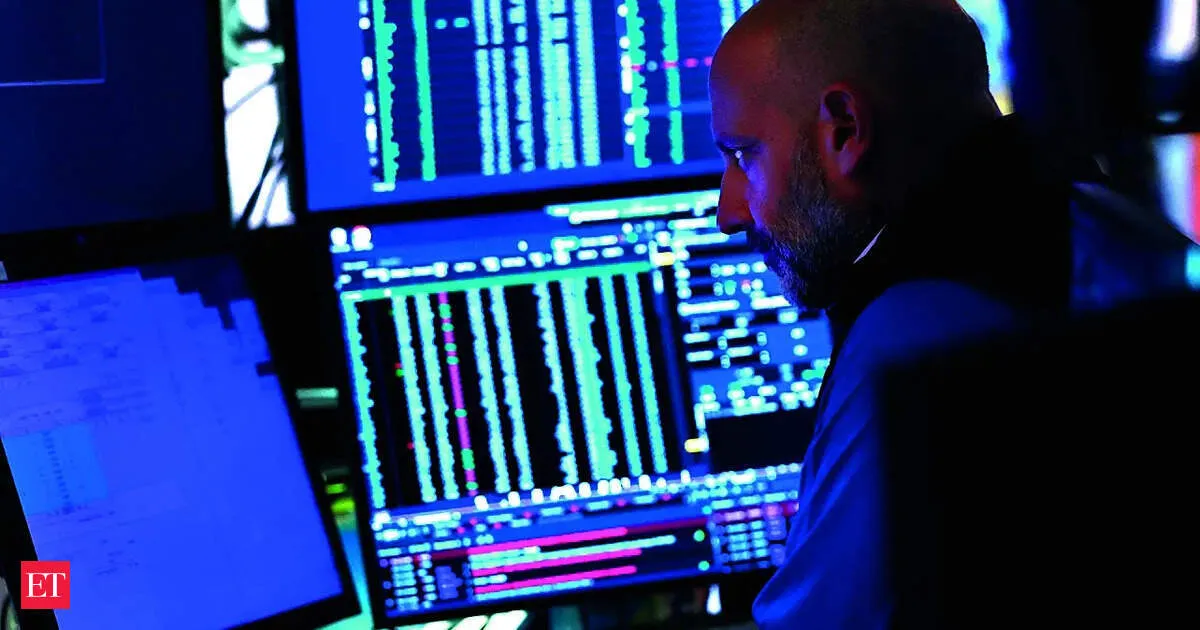
Wall Street opened sharply lower on Friday as inflation fears—linked to the Middle East conflict—pushed Treasury yields higher. That jump in yields threatens to derail a recent AI-fueled rally by tightening financial conditions for stocks. The S&P 500 and Nasdaq both dropped about 1% at the open, signaling risk-off sentiment returning quickly. Traders are now focused on whether higher yields persist and how markets interpret incoming inflation signals after the shock from geopolitical tensions.
Indian equities bounced back after early-week jitters, helped by fuel hikes being passed to consumers and fading concerns around the Adani group. But market expert Sandip Sabharwal says the next leg of the bull run hinges less on corporate earnings and more on global macro forces—commodity prices, inflation, and Middle East geopolitical risk. Investors are watching what happens in Iran after Donald Trump’s China visit, with crude possibly cooling only if tensions ease.
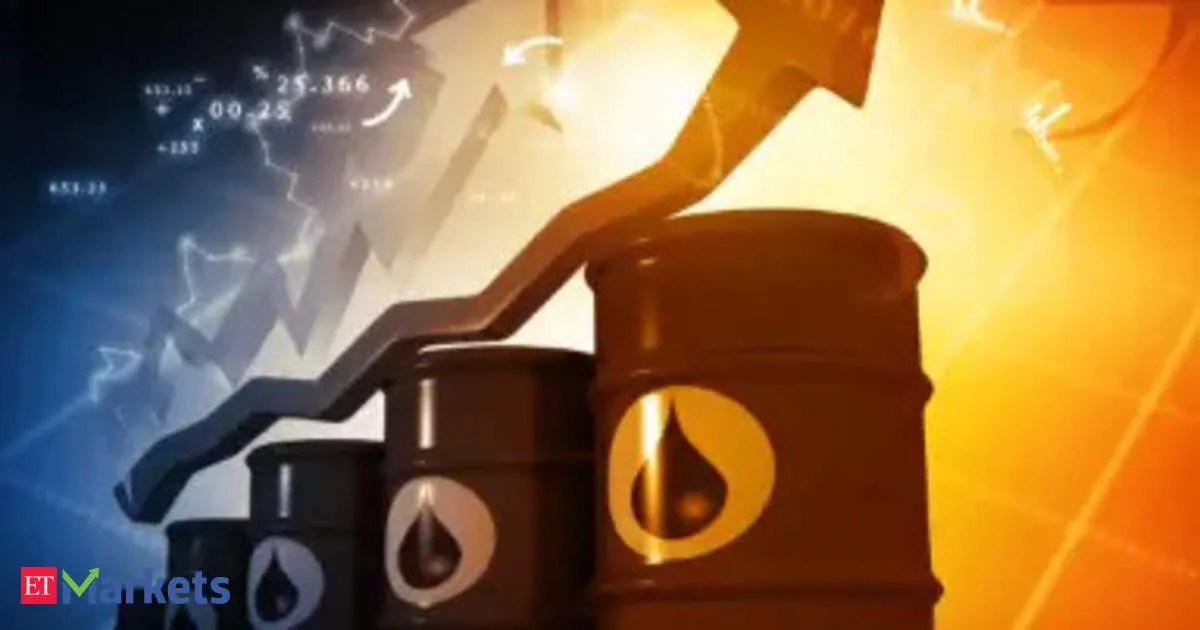
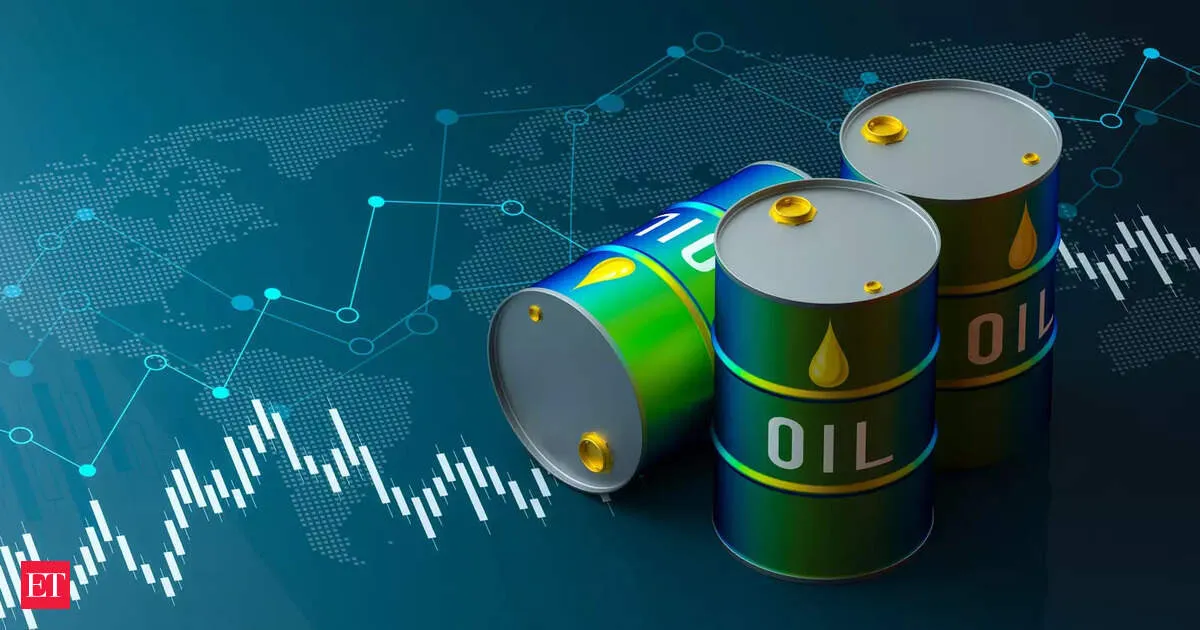
Oil prices rose Friday, pushing Brent above $105 a barrel, as traders grew wary of ship attacks and seizures near the Strait of Hormuz despite Iran’s claim that around 30 vessels crossed safely. Markets are also tracking US China talks in Beijing. A US naval blockade remains active, and a commercial ship was reportedly seized before being taken into Iranian waters. With the IEA warning the market may stay severely undersupplied until October, analysts warn the squeeze could last into late 2027.
Wall Street pushed higher on May 11, with the S&P 500 and Nasdaq Composite closing at record highs despite escalating US-Iran tensions that sent oil prices up. The S&P 500 rose 0.19% to 7,412.84 and the Nasdaq gained 0.1% to finish at 26,274.13. The Dow added 95.31 points to end at 49,704.47. While Trump rejected an Iran proposal and warned the ceasefire was “on life support,” investors stayed focused on tech and AI—Micron and NVIDIA leading gains.
Never miss a story
Set alerts for the topics and sources you care about. Download Beige for free.
Oil prices eased after three days of gains as traders digested a fragile Iran ceasefire and the upcoming Trump-Xi meeting in Beijing. Brent futures fell to about $106.91 a barrel and WTI to around $101.14, with markets remaining jittery about potential supply disruptions tied to the Strait of Hormuz, a key shipping chokepoint. Natural gas in Europe stayed largely stable as some LNG resumed, yet buyers were cautious because storage levels remain low. Analysts expect volatility to persist with geopolitics and inventories.
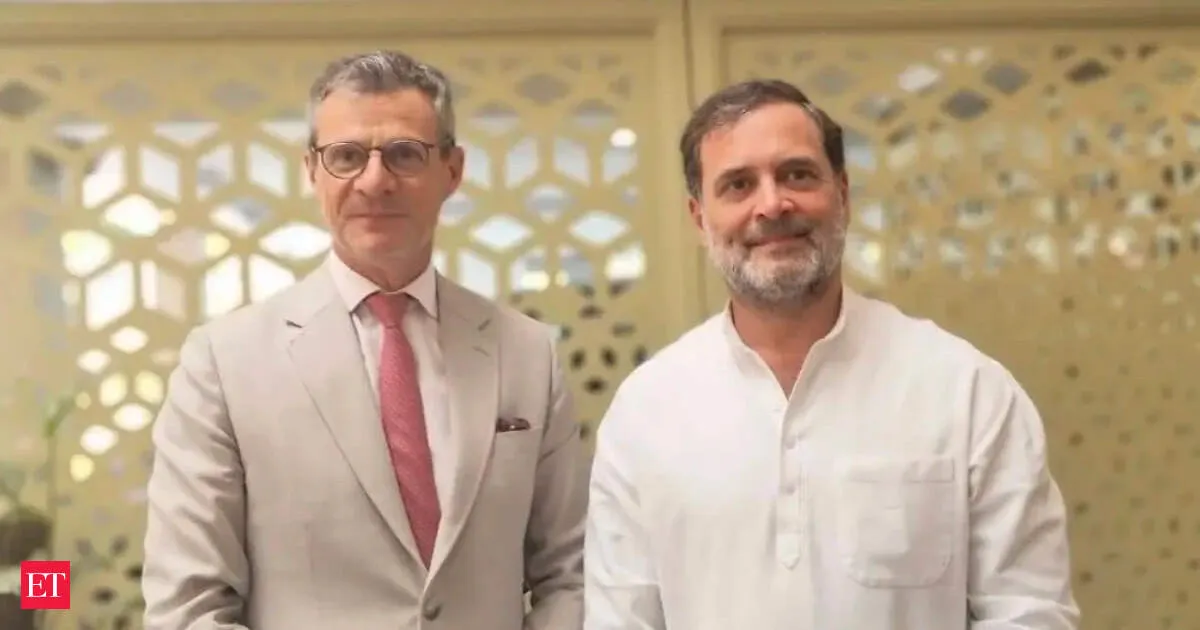
EU heads of missions met Rahul Gandhi and Salman Khurshid, focusing on the EU-India strategic partnership described as “thriving.” The meeting also covered shifting geopolitical dynamics in India and globally. It forms part of the EU’s broader outreach to Indian political parties, signaling continued interest in how India’s internal politics may shape cooperation with Europe.
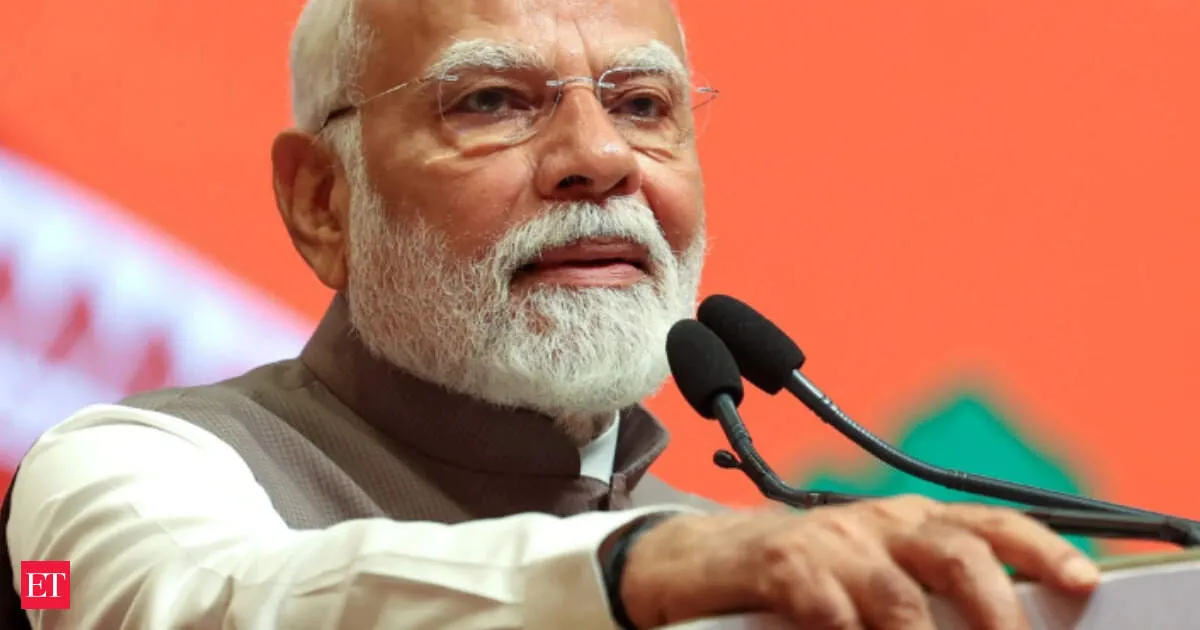
Prime Minister Narendra Modi is set to visit the UAE to discuss long-term energy supply arrangements and ways to expand India’s strategic oil reserves. Sources say the trip seeks to reduce exposure to disruptions tied to global conflicts. Modi will meet UAE President Sheikh Mohamed bin Zayed Al Nahyan to explore deeper energy cooperation and broader bilateral issues during a wider five-nation tour.
Copper prices are climbing sharply, gaining about 9% since the Iran-related tensions, as markets brace for both geopolitics-driven volatility and a deeper structural supply shortage. Investors are also betting on AI-linked electrification demand that requires more copper per project. With new mines taking years to scale and underinvestment lingering, traders warn the shortage could persist and push prices higher.
Reading on mobile?
Open Beige in the app for a smoother experience — free on iOS and Android.
Markets are watching a high-stakes Trump Xi meeting for signs of stability as geopolitical tensions mount. Market strategist Shaun Rein says trade and AI will matter, but the West Asia crisis could dominate talks—partly because the US may rely on China’s diplomatic leverage. The outcome could influence global risk sentiment well beyond the summit.
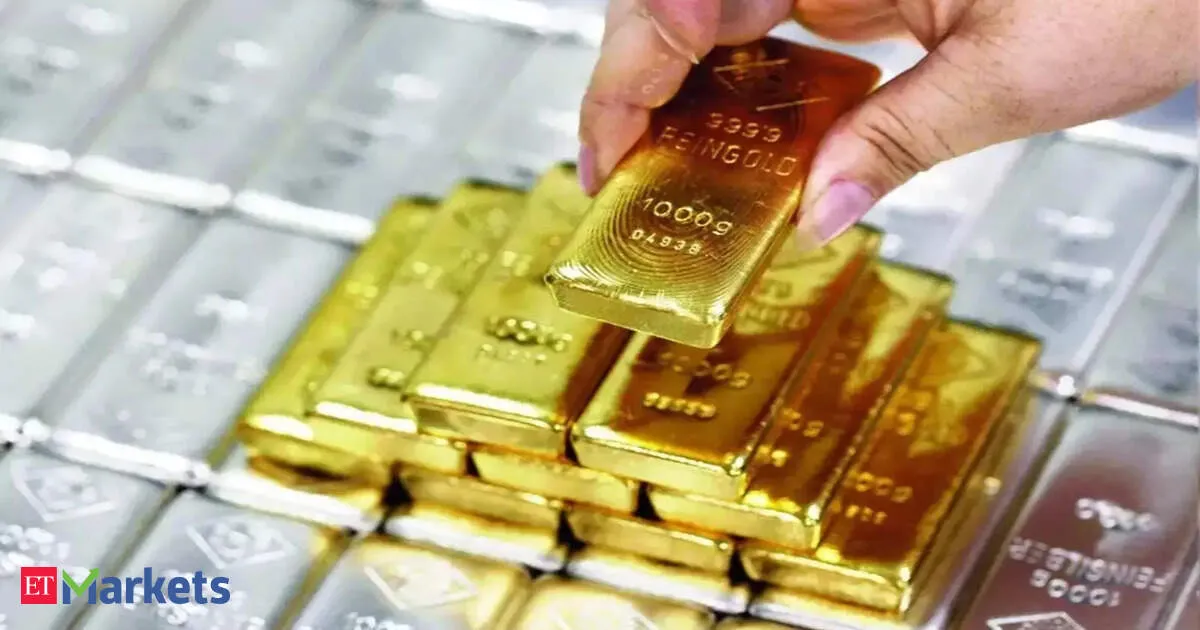
Gold and silver opened lower on MCX as traders tracked developments from Trump–Xi talks and watched the Iran conflict closely. July 2026 silver fell to around Rs 2,96,879 per kg, while June 2026 gold dropped near Rs 1,61,027 per 10 grams. The fall comes after a powerful previous session that saw silver surge and gold climb sharply.
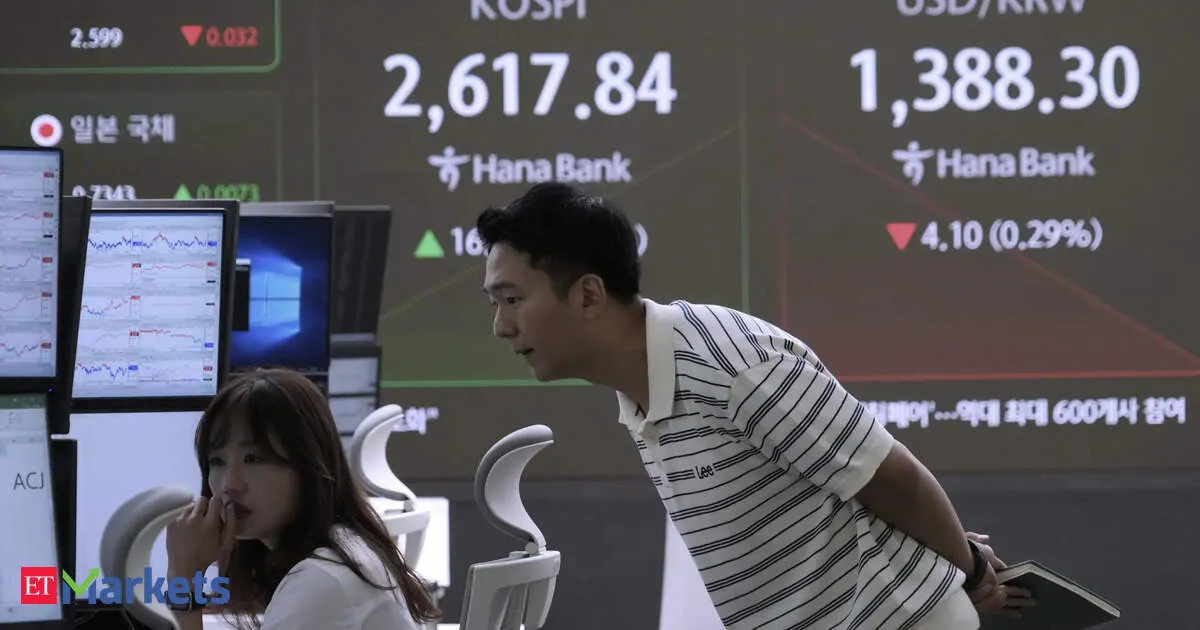
Asian markets climbed in sync with Wall Street’s record highs, powered by a tech-led rally and upbeat corporate earnings. Investors are now tracking the US-China summit and rising geopolitical risks around Iran. At the same time, lingering inflation concerns are reshaping expectations for potential Federal Reserve rate hikes next year, keeping traders cautious.
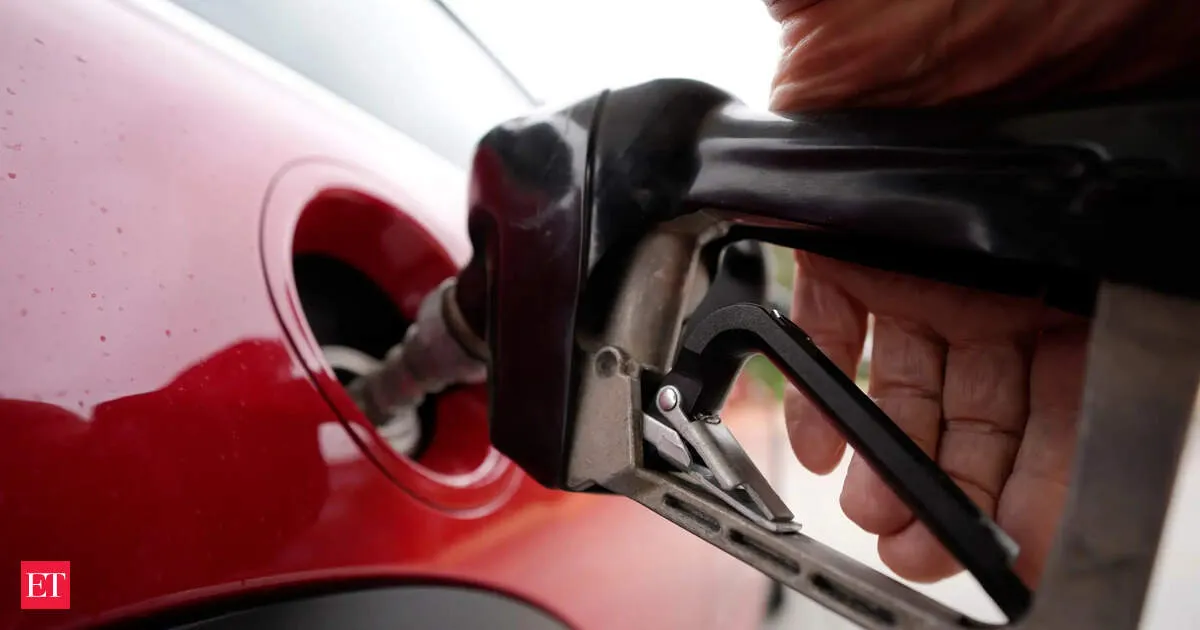
RBI Governor Malhotra said fuel prices could rise if the conflict continues longer. He noted that while excise duties were cut, state-run fuel retailers have been absorbing higher crude prices. If pressures persist, he warned the government may eventually pass on at least part of the increases, reshaping expectations for inflation and consumer costs.
Follow your favourite sources
Track sources, tags and categories — all in the Beige app.
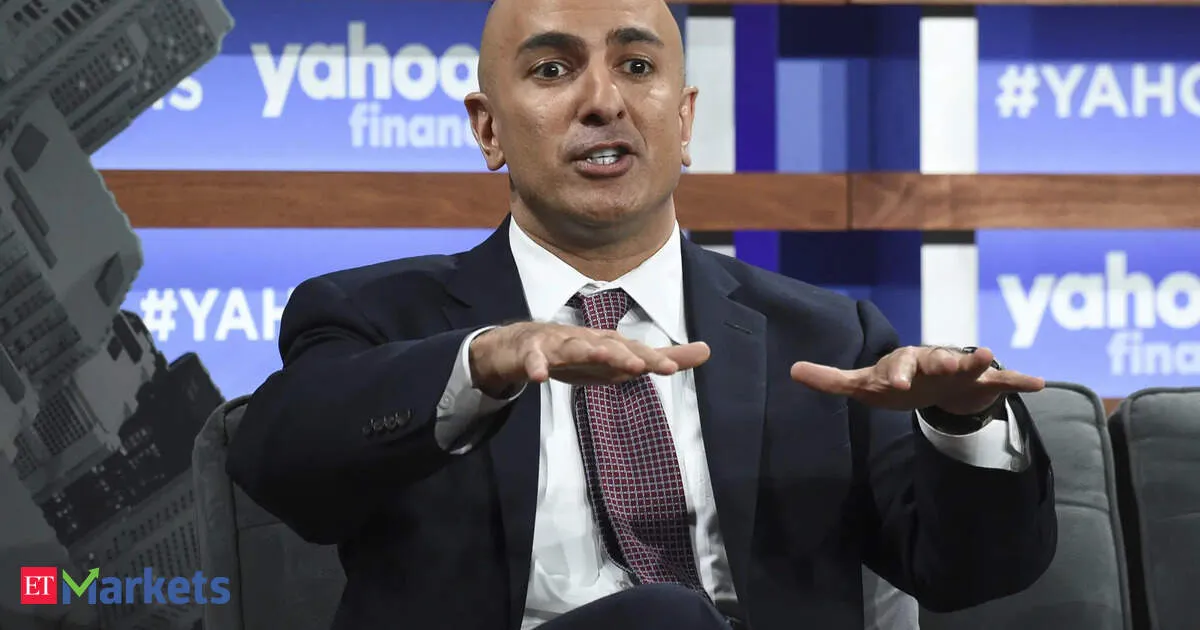
Minneapolis Fed President Neel Kashkari said the Fed is “dead serious” about bringing inflation down, while offering a cautiously positive view of the US labor market. He pointed to the Iran conflict as a major source of inflationary pressure, meaning additional interest rate increases could still be on the table.
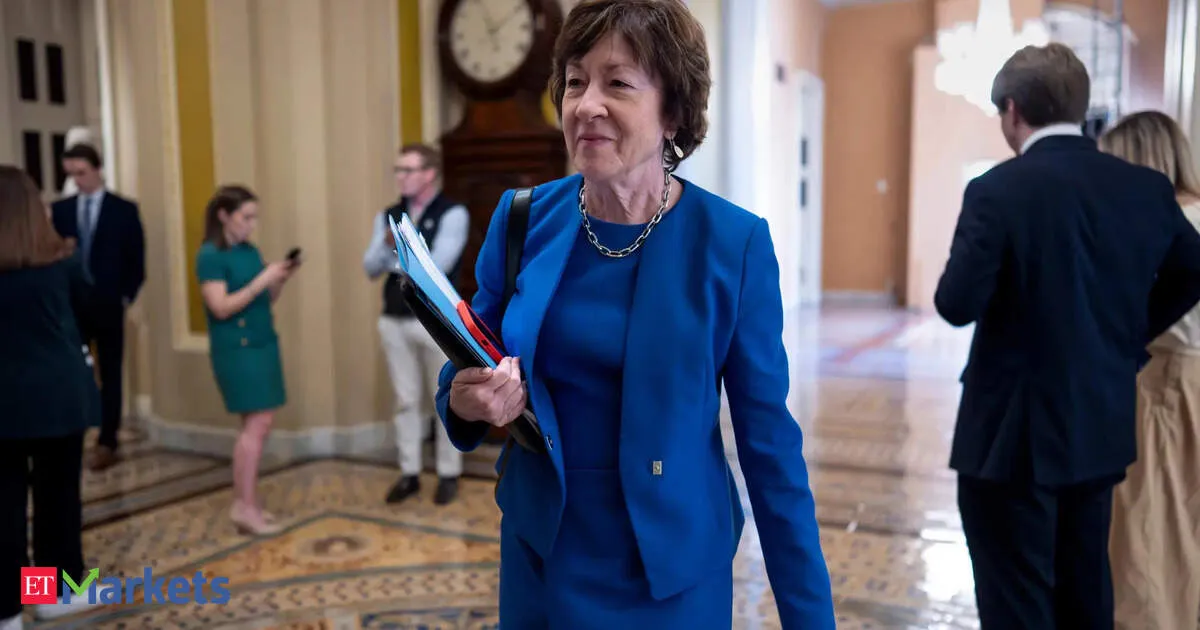
Boston Fed President Susan Collins said the Fed may need additional rate hikes if inflation remains stubborn. She pointed to the Middle East crisis as a potential accelerant, arguing that disruptions could push prices higher and complicate the path back to targets. The comments underscore how geopolitical risks can feed directly into monetary policy decisions and inflation expectations.
US and China are reportedly considering a managed trade framework that could reduce tariffs on about $30 billion of imports. The move aims to boost trade activity and smooth commerce while still addressing national security concerns. Negotiations focus on everyday products, suggesting a practical shift rather than a purely symbolic trade gesture.
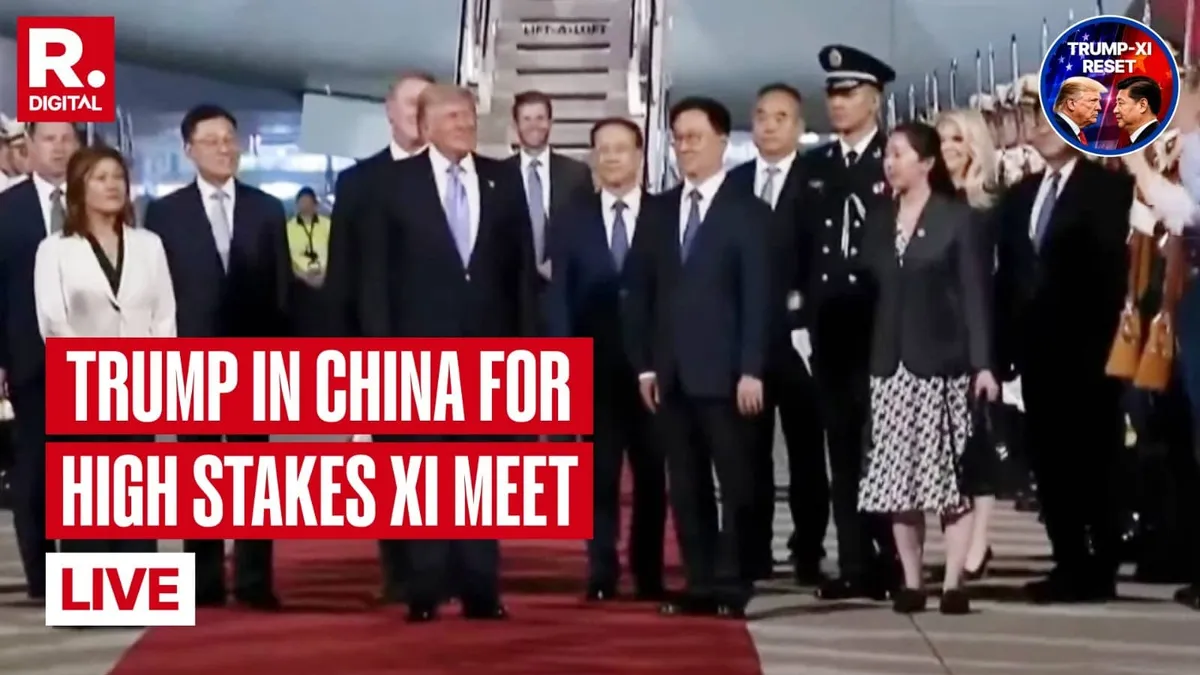
Donald Trump has arrived in Beijing for his China visit, with Vice President greeting him on the tarmac as “WelcomeTrumpToChina” surged on Chinese social media. Speaking before the long flight, Trump framed the relationship as a contest between two superpowers, claiming the US is strongest in military terms and positioning China as second—setting a tense tone for talks ahead.
Stay informed on the go
Bite-sized news from 100+ trusted sources, right in your pocket.
The rupee weakened sharply, falling to an intraday record low of 95.74 against the US dollar as markets moved into risk-off mode. Sentiment deteriorated after US President Donald Trump rejected Iran’s latest peace proposal, raising uncertainty over oil supplies. Analysts warn the shock could intensify currency pressure and strain India’s growth outlook.
From India to China, governments are rolling out a patchwork of measures to blunt rising energy costs tied to the U.S. Israeli war on Iran. Policies range from fuel tax tweaks and strategic reserve releases to subsidies, tax cuts, and external financing. Some countries are also pushing conservation and accelerating domestic supply and alternative energy to reduce future shocks.
Swipe through stories, personalise your feed, and save articles for later — all on the app.